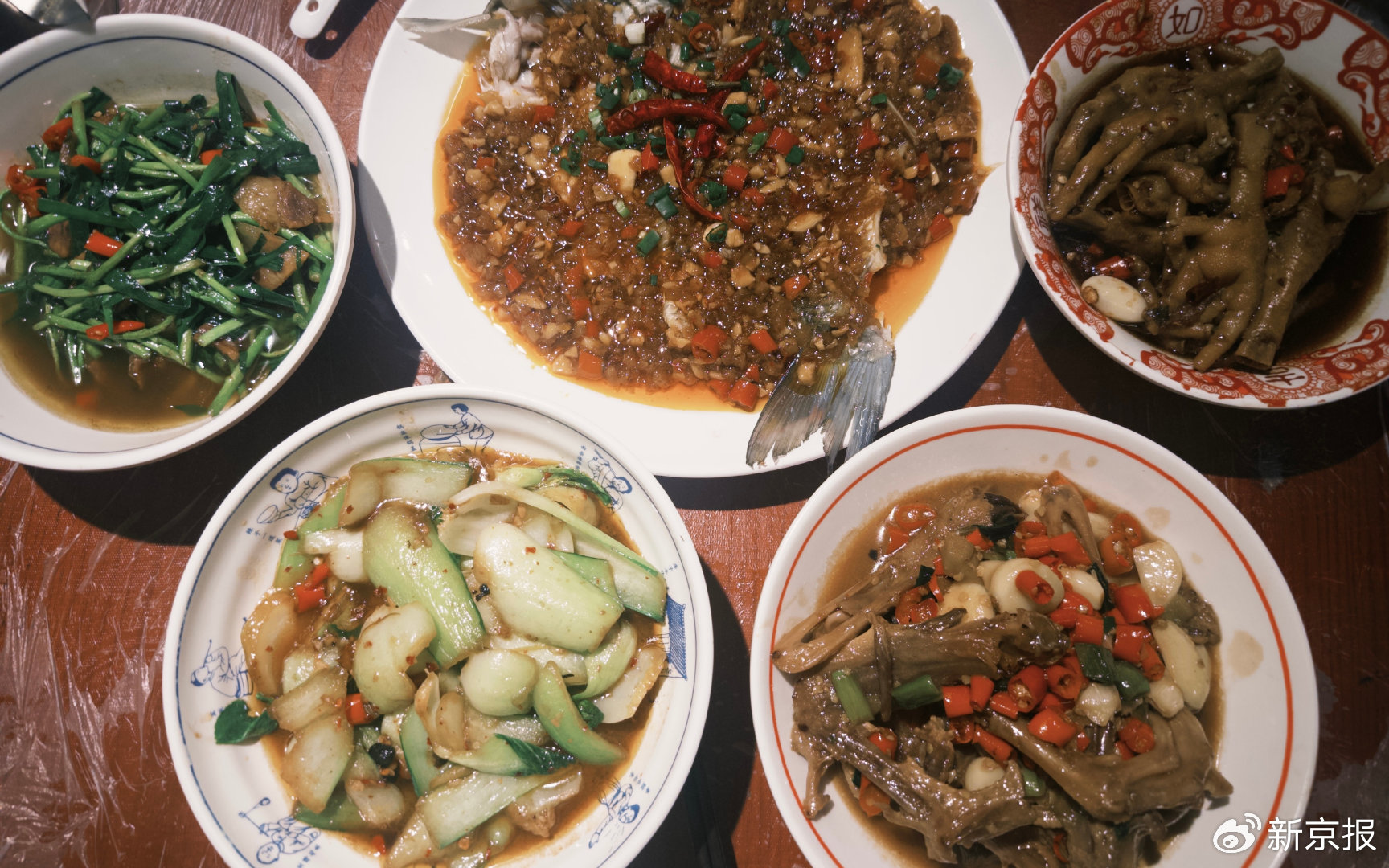
江西小炒

Search documents
2025年餐饮行业热门赛道盘点报告
Hong Can Chan Ye Yan Jiu Yuan· 2026-03-05 01:30
Investment Rating - The report does not explicitly provide an investment rating for the restaurant industry in 2025 Core Insights - The restaurant industry in China is projected to reach a revenue of 5.8 trillion yuan in 2025, with a year-on-year growth of 3.2%. The growth rate is slowing down, indicating a shift from expansion-driven growth to a more rational focus on efficiency and quality [3][10] - Popular products in the restaurant sector are emerging rapidly, with items like butter rice cakes and corn egg tarts gaining significant traction on social media platforms [3][29] - Six major trends in restaurant models are identified, including "experience and scene innovation," "efficiency and cost optimization," and "social and value empowerment," which are reshaping consumer dining experiences [3][36] Summary by Sections Industry Overview - The restaurant industry is experiencing steady growth, with a focus on brand innovation and the emergence of popular concepts. The market is transitioning to a more rational growth phase, emphasizing efficiency and quality [5][10] - The revenue for limited-scale restaurants is expected to reach 1.63 trillion yuan, growing by 2.0% year-on-year [3][10] Popular Products - The report highlights a variety of trending products, including butter rice cakes, Thai milk tea, and stinky tofu hot pot, which have gained popularity through social media [3][29] - The peak popularity of certain products on platforms like Douyin (TikTok) has reached over 200 million views [29][30] Popular Models - Six key models are identified in the restaurant industry, including: - "Beautiful Rice" focusing on aesthetic presentation and social media appeal [37][39] - "Mountain Wild" emphasizing natural ingredients and a relaxed dining atmosphere [46][47] - "Store-in-Store" models that allow brands to test new concepts with lower risk [48][54] - "Large Store" models that shift focus from product sales to experiential and brand value [55][57] - "Board-Front" models that enhance consumer interaction through visible cooking processes [58][60] - "Self-Service" models that are expanding in various dining categories [61][63] Popular Categories - Strong growth is observed in categories such as black duck pot, Jiangxi stir-fry, and local noodle dishes, driven by supply chain advantages and consumer demand for regional flavors [3][64][66] - The Jiangxi stir-fry segment is particularly notable, with a 287.5% increase in related business registrations in 2025, indicating a shift towards standardization and branding [66][70] - The vegetarian food segment is also rapidly developing, with over 4,000 vegetarian restaurants and a market size of approximately 8 billion yuan by 2025 [71]
超四万六千家江西小炒店,离乡者的路标
Xin Lang Cai Jing· 2026-02-21 11:03
Core Viewpoint - The article highlights the rise of Jiangxi stir-fry cuisine, emphasizing its roots in the experiences of migrant workers from Jiangxi province who sought to recreate the flavors of their hometowns in other regions, particularly Zhejiang and Fujian [7][21][22]. Group 1: Jiangxi Stir-Fry Cuisine - Jiangxi stir-fry has gained popularity, with over 46,000 restaurants across the country, nearly matching the total number of stores for a well-known beverage chain [21]. - The cuisine is characterized by its straightforward preparation and emphasis on fresh ingredients, often found in small, family-run establishments [5][9]. - The rise of Jiangxi stir-fry is linked to the migration of young people from rural areas to urban centers, where they adapted their cooking styles to cater to local tastes while maintaining their culinary heritage [7][9][21]. Group 2: Business Dynamics - Many Jiangxi stir-fry restaurant owners started with minimal resources, often relying on family recipes and local ingredients to establish their businesses [11][12][14]. - Competition has intensified as the popularity of Jiangxi stir-fry has led to an influx of new restaurants, some of which prioritize branding and marketing over traditional cooking methods [25][26]. - The article notes a concern that the commercialization of Jiangxi stir-fry may dilute its authentic flavors and traditional cooking practices, as some establishments opt for standardized recipes to appeal to a broader audience [25][26].

一个商场40家地方菜馆,中餐黄金时代已到来?
虎嗅APP· 2026-02-03 00:41
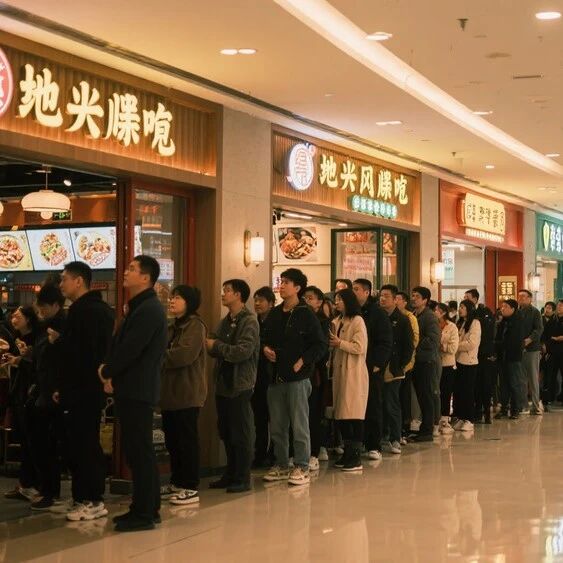
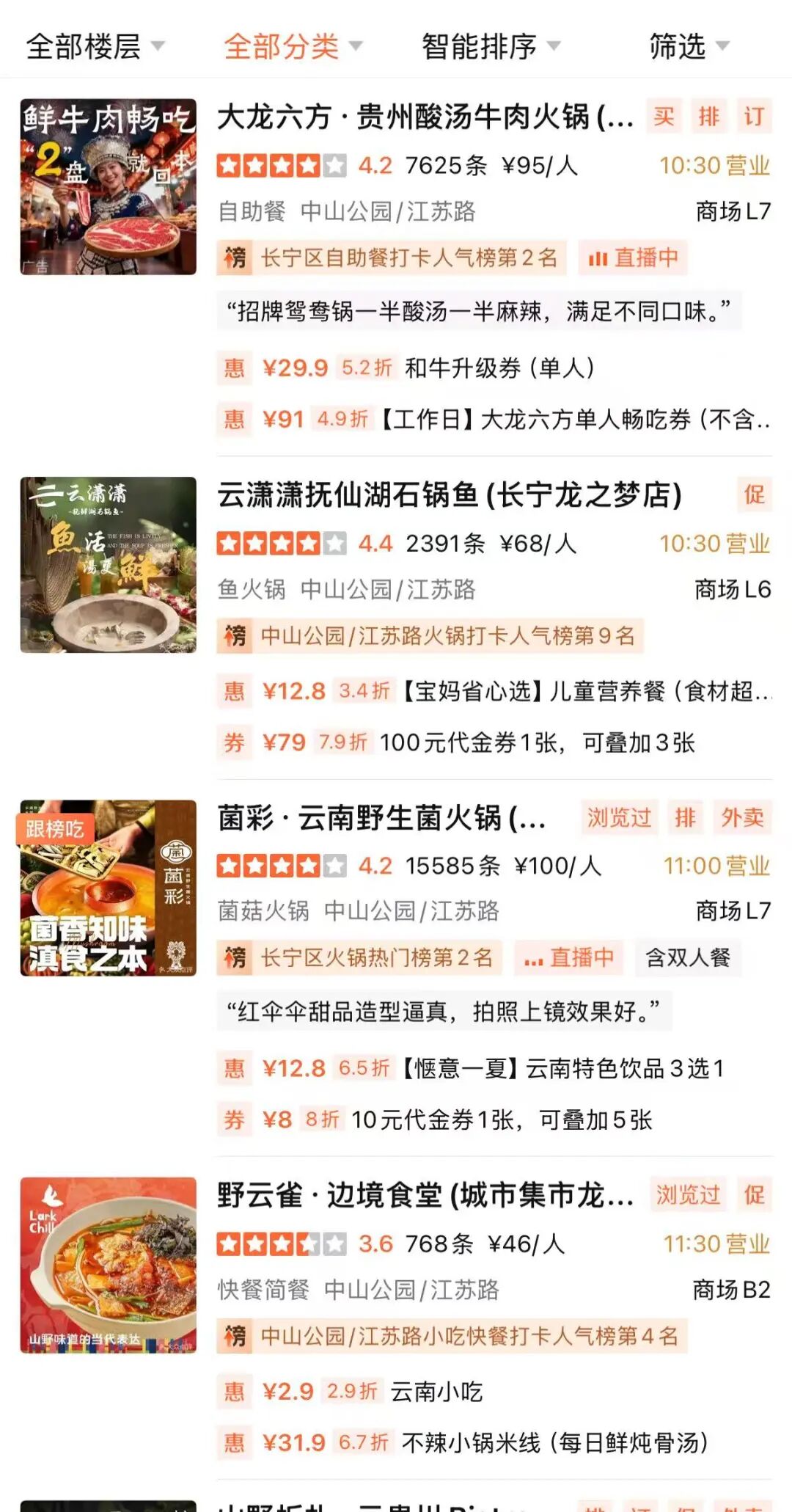
Core Viewpoint - The article discusses the emergence of local cuisine as a significant trend in the Chinese dining industry, indicating a shift from traditional popular dishes like hot pot and barbecue to a diverse array of regional flavors, suggesting that the golden age of complex Chinese cuisine is approaching [4][5]. Market Trends - In recent years, local dishes have gained popularity, with traditional cuisines such as Sichuan, Cantonese, and Hunan exceeding a market size of 100 billion yuan, while previously niche cuisines like Yunnan and Jiangxi are rapidly expanding nationwide [7]. - For instance, at Nanjing Deji Plaza, local cuisine accounts for nearly 25% of the 60+ dining establishments, showcasing a significant presence of various regional flavors [7]. - In Shanghai's Longemont City Life Center, local cuisine brands make up over 40 of the nearly 200 dining options, indicating a strong market trend [8]. Growth of Local Cuisine - The rise of local cuisine is characterized by a surge in brand expansion, with Jiangxi small stir-fry restaurants projected to exceed 20,000 locations by December 2025, and a 287.5% year-on-year increase in related business registrations [11]. - The popularity of Guizhou sour soup has recently driven the growth of Yunnan and Guizhou cuisines, leading to the emergence of numerous chain brands [12]. Competitive Landscape - The local cuisine sector is experiencing a "battle" for market share, with various regional cuisines like Fujian, Hunan, and Guangxi also beginning to show explosive growth [12]. - The competitive environment is shifting, with local cuisines offering unique flavors and dining experiences that differentiate them from more easily replicable dining options like hot pot and fast food [19]. Consumer Demand - The demand for local cuisine is driven by consumers seeking fresh, differentiated dining experiences, as traditional chain restaurants face saturation and declining growth rates [17][19]. - Local dishes cater to specific dining occasions such as business gatherings and family celebrations, which require a higher quality of environment and food variety [23]. Operational Challenges - The complexity of local cuisine operations presents higher entry barriers, requiring significant investment in quality control and skilled labor, making it difficult for new entrants to replicate successful models [21]. - Successful local cuisine brands often adopt a direct management model, ensuring quality and consistency across locations, which necessitates a higher initial investment and longer return periods [21]. Strategic Recommendations - Companies should focus on strengthening individual store performance rather than rapid expansion, emphasizing the importance of maintaining flavor and customer loyalty [25][28]. - Establishing a robust supply chain is crucial for ensuring the quality of ingredients, which is vital for the success of local cuisine [26][27]. - Brands should leverage membership programs and localized marketing strategies to enhance customer retention and engagement [28].
一个商场40家地方菜馆,中餐黄金时代已到来?
3 6 Ke· 2026-02-02 13:08
Core Insights - The rise of local cuisine has emerged as a significant growth force during a period of consumer sluggishness, indicating a potential golden era for complex Chinese cuisine [1][10] - Traditional popular dishes like hot pot and barbecue are being overshadowed by a surge in local dishes, leading to intense competition among various regional flavors [1][9] Market Trends - Local cuisines such as Sichuan, Cantonese, and Hunan have surpassed a market scale of over 100 billion yuan, with previously niche cuisines like Yunnan and Jiangxi rapidly expanding nationwide [2][6] - In major shopping centers, local cuisine outlets now represent a substantial portion of the dining options, with examples showing local dishes occupying nearly 25% of restaurant spaces in Nanjing and around 20% in Shanghai [2][6] Consumer Preferences - The demand for local cuisine is driven by consumers seeking fresh and differentiated dining experiences, as traditional chain restaurants face homogenization [12][14] - Local dishes offer unique flavors and cooking techniques, enhancing their appeal and creating memorable dining experiences [12][14] Business Model and Challenges - The complexity of local cuisine presents higher entry barriers, which helps maintain rational market supply and reduces the influx of speculative entrants [16][17] - Successful local cuisine brands often adopt a direct management model, requiring significant upfront investment and longer return periods, which can deter less experienced operators [17][18] Growth Strategies - Brands should focus on maintaining flavor integrity and building a loyal customer base rather than rapid expansion, as the local cuisine market is characterized by regional taste preferences [19][20] - Effective supply chain management is crucial for maintaining food quality, with strategies like centralized kitchens being recommended for larger chains [23][24] Competitive Landscape - The competition in the restaurant industry is shifting from intra-category rivalry to cross-category competition, making it essential for local cuisine brands to differentiate themselves [25] - Established players with deep resources and experience are better positioned to navigate the complexities of the local cuisine market, while newcomers should avoid hasty expansions [25]
半年换爆品,捞金500万,“外卖推手”盯上打工人午餐
3 6 Ke· 2026-01-22 09:56
Core Insights - The rise of "盖码饭" (Gai Ma Fan) as a popular lunch choice among office workers in major cities is attributed to its affordability, convenience, and variety, with prices around 20 yuan [1][2] - The business model relies heavily on franchise operations, allowing rapid expansion and profitability through standardized processes and centralized supply chains [1][3] Group 1: Market Dynamics - Gai Ma Fan has become a staple for young professionals and white-collar workers, particularly in densely populated office areas and near universities [2][3] - The competition among Gai Ma Fan vendors has intensified, leading to price wars and a proliferation of similar offerings across various fast-food brands [4][5] - The average monthly profit for successful vendors can reach up to 120,000 yuan, driven by high order volumes during peak times [3][6] Group 2: Operational Insights - Vendors utilize a combination of manual cooking and automated cooking machines to meet high demand, with significant cost savings on equipment and ingredients [2][3] - The supply chain is centralized, with key ingredients like sauces and packaging provided by the franchisor, ensuring consistent quality and taste [2][8] - The operational model allows for quick adaptation to market trends, with frequent updates to menu items to maintain consumer interest [6][9] Group 3: Competitive Landscape - The market is witnessing a shift towards new food trends, such as "江西小炒" (Jiangxi Stir-fry), which offers higher profit margins and caters to similar consumer demographics [7][9] - Major brands like "霸碗" (Ba Wan) are expanding their offerings to include a variety of dishes in response to competitive pressures from both low-cost vendors and tech companies entering the food delivery space [10][11] - The evolution of consumer preferences indicates a growing demand for freshly cooked meals, contrasting with the rising controversy surrounding pre-prepared foods [9][10]
经营承压,分化加剧,2026年餐饮该怎么干才能赚钱?
虎嗅APP· 2026-01-01 13:19
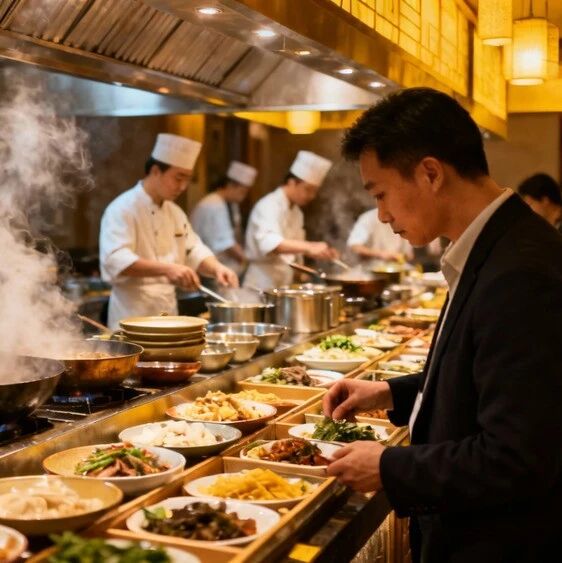
Core Viewpoint - The restaurant industry faced unprecedented challenges in 2025, with significant pressure on operators due to rising costs, declining customer traffic, and a sharp drop in profits, leading to a survival struggle for many entrepreneurs [4][5]. Group 1: Consumer Behavior Changes - Consumer behavior has fundamentally changed, with increased price sensitivity and a heightened demand for quality and experience, forcing restaurants to optimize their "value-for-money" proposition [5]. - The controversy surrounding pre-prepared meals has intensified industry differentiation, impacting cost structures, service models, and consumer trust [5]. Group 2: Successful Business Models - Brands that successfully navigate the challenges have adopted new operational models, focusing on either extreme cost-effectiveness or unique customer experiences [7]. - For example, "南城香" has implemented a model of "fresh stir-fry + self-service weighing," offering competitive pricing with a focus on quality [8]. - The brand "椿芽·鲜牛肉杭州拌川" has differentiated itself through fresh preparation and a unique aesthetic, achieving significant market presence [8]. Group 3: Regional Cuisine and Consumer Preferences - Regional cuisines, such as Jiangxi cuisine, have gained popularity, with a notable increase in the number of related establishments and consumer preference for authentic local flavors [9]. - Data indicates that the importance of "regional characteristics" in restaurant selection has risen from 18% in 2024 to 29% in 2025, reflecting a shift towards unique and authentic dining experiences [9]. Group 4: Social Media and Brand Engagement - Building genuine brand engagement through social media has become crucial, with brands leveraging authenticity and transparency to connect with consumers [10]. - For instance, the founder of Big Pizza has cultivated a personal brand that resonates with consumers by sharing real experiences and addressing operational issues openly [10]. Group 5: Operational Adjustments - Smaller store formats have emerged as a strategy to reduce costs and adapt to the dual demands of dine-in and delivery services [12]. - Brands like "麻小六" and "小菜园" have successfully reduced store sizes and simplified their offerings to enhance operational efficiency and profitability [12]. Group 6: Strategic Recommendations for 2026 - Moving into 2026, the industry must shift focus from merely expanding store numbers to creating unique value for customers and ensuring brand memorability [14]. - Operators are advised to optimize their menu, enhance space efficiency, prioritize delivery channels without becoming overly reliant on platforms, and maintain product quality [14][15]. - Emphasizing team cohesion and employee well-being is critical for navigating challenging times, as a strong team can significantly impact business resilience [15].
江西餐饮从业者话赣菜发展:融入文化元素 开发新产品
Xin Lang Cai Jing· 2025-12-26 13:53
Group 1 - The restaurant industry in Jiangxi, particularly focusing on Gan cuisine, is experiencing growth due to increased popularity and cultural significance [1] - The local government has implemented policies to enhance the visibility and influence of Gan cuisine, contributing to its rising fame [1] - The demand for "Jiangxi small stir-fry" dishes is increasing, attracting more tourists to local restaurants [1] Group 2 - A technology food company in Jiangxi produces 15 to 20 tons of Gan cuisine raw materials daily, serving numerous national chain restaurants [2] - The company has achieved an annual revenue of 1 billion yuan through its two factories, driven by the growing demand for standardized ingredients [2] - Jiangxi has introduced a local standard for "Jiangxi small stir-fry" terminology and definitions to protect traditional cooking techniques and promote the standardization and branding of Gan cuisine [2]
2025餐饮十大关键词发布:上市潮、外卖大战、现炒……
Sou Hu Cai Jing· 2025-12-26 11:01
Core Insights - The restaurant industry in 2025 faced significant challenges, with a sense of uncertainty prevailing throughout the year, leading to transformative changes that will impact the future [1] Group 1: IPO Wave - A wave of IPOs occurred in the restaurant industry in 2025, particularly in the tea beverage sector, with companies like Gu Ming, Mi Xue Bing Cheng, and others successfully entering the capital market [2] - Future IPO activity is expected to decline due to the saturation of top-tier companies and increased listing standards set by the Hong Kong Stock Exchange [2] Group 2: Takeout Wars - The fierce competition in the takeout sector resulted in a loss of 80 billion yuan, highlighting the intense and brutal nature of the market [3] - The competition evolved through two phases, with major players like JD and Meituan initially competing, followed by a shift in focus to instant retail [3] - Regulatory intervention and industry association calls for sustainability led to a de-escalation of the takeout wars by late 2025 [3] Group 3: Platform Rankings - Internet giants engaged in a battle for restaurant rankings, with platforms like Gaode and Douyin launching various lists to address industry pain points and rebuild evaluation systems [5] - The competition for rankings reflects a fundamental shift in business logic, aiming to create a trustworthy, data-driven local service ecosystem [5] Group 4: Regional Flavors Nationalization - The trend of regional flavors gaining national popularity intensified, with dishes like Guizhou sour soup and Jiangxi stir-fry emerging as significant market players [6] - The market for Jiangxi stir-fry is projected to exceed 50 billion yuan, driven by consumer preferences for cost-effectiveness and freshly cooked meals [6] - Challenges such as ingredient supply and standardization remain, but the trend contributes to local agricultural development and diversifies consumer choices [6] Group 5: Growth in Store Count and Cross-Industry Expansion - Three brands joined the "10,000 store club" in 2025, marking a significant milestone despite a shift in focus from store count to horizontal expansion [8] - Brands like Haidilao are exploring various formats and cross-industry ventures, indicating a trend towards diversification and resilience [8] Group 6: The "Xi Luo" Controversy - The "Xi Luo" incident triggered significant industry reflection, leading to a reevaluation of standards and consumer perceptions within the restaurant sector [9] - The founder of Xibei acknowledged the impact of pride on business decisions, emphasizing the need for humility and adaptability in the face of challenges [9] Group 7: Foreign Enterprises Changing Ownership - In November 2025, Starbucks China and Burger King China changed ownership to local institutions, indicating a shift towards deep localization in the restaurant sector [10] - The ability to understand local consumer demands and establish a localized operational framework is becoming crucial for success in the Chinese market [10] Group 8: Regulatory Standardization - Increased regulatory scrutiny in the restaurant industry was evident in 2025, particularly concerning takeout services and social security compliance [11] - The implementation of national standards for takeout platforms and the prohibition of voluntary social security waivers reflect a commitment to consumer protection and industry accountability [11]




江西小炒发展报告
Hong Can Chan Ye Yan Jiu Yuan· 2025-12-26 08:11
Investment Rating - The report indicates a positive investment outlook for the Jiangxi Xiaochao industry, highlighting its transition towards standardization and industrialization with over 20,000 stores nationwide as of December 2025 [5][31]. Core Insights - Jiangxi Xiaochao has evolved from informal dining represented by family-run restaurants to a more structured chain restaurant model, with significant growth potential in chain development as 97.5% of stores have five or fewer locations [3][31]. - The distribution of Jiangxi Xiaochao stores is heavily concentrated in the East China region, with over 80% of stores located there, particularly in Zhejiang province, which leads in store numbers outside Jiangxi [3][34]. - The industry faces challenges such as low efficiency in fresh cooking, talent shortages, and insufficient brand recognition, which can be addressed through efficiency optimization, talent development, and brand building [3][4]. Summary by Sections Industry Overview - Jiangxi Xiaochao has surpassed 20,000 stores nationwide, marking a new phase of standardized and industrialized development [5][11]. - The popularity of Jiangxi Xiaochao continues to rise, driven by online and offline synergy, with significant engagement on social media platforms [10][18]. Store Distribution - Over 80% of Jiangxi Xiaochao stores are located in East China, with Zhejiang province having the highest number of stores outside Jiangxi [34][36]. - The brand shows strong penetration in lower-tier cities, with 26.5% of stores in second-tier cities and over 20% in third-tier cities [40]. Development Characteristics - The industry is characterized by a shift towards standardization and efficiency in chain brands, while family-run shops maintain flexible product strategies [48][56]. - Brands are increasingly drawing inspiration from various regional cuisines in Jiangxi to create differentiated positioning [49]. Future Trends - The industry is expected to see differentiated expansion paths, the emergence of diversified business models, and multi-dimensional competition [3][4]. - Government policies and brand building efforts are facilitating the transition of Jiangxi Xiaochao from a local delicacy to a nationally recognized dining category [21][28]. Consumer Behavior - Consumer preferences are shifting towards dining experiences that emphasize freshness, affordability, and local flavors, aligning with the characteristics of Jiangxi Xiaochao [20][66]. - The pricing strategy is primarily focused on affordability, with a significant portion of menu items priced between 15 to 30 yuan [68]. Brand Evolution - The Jiangxi Xiaochao sector is witnessing the emergence of multiple brands with distinct styles, including "market-style," "fast fashion," and "beautiful meals," each targeting different consumer segments [75]. - The industry is moving towards a more structured and recognizable brand identity, supported by government initiatives and consumer engagement strategies [30][66].
陈晓卿:中国人在“吃”上最有创造力的时代|我们的四分之一世纪
Jing Ji Guan Cha Wang· 2025-12-26 04:00
Core Viewpoint - The article highlights the evolution of Chinese cuisine over the past 25 years, emphasizing the creativity and innovation in food culture driven by societal changes and market dynamics [7][11][17]. Group 1: Industry Evolution - The past 25 years have seen significant changes in Chinese dining habits, with people becoming more discerning and health-conscious in their food choices [17]. - The restaurant industry in China has experienced explosive growth, with consumer spending rising from 370 billion yuan in 2000 to over 5.5 trillion yuan in 2024 [11]. - New dishes are being introduced to the market every couple of years, particularly in regions like Hunan and Jiangxi, indicating a vibrant and evolving culinary landscape [12]. Group 2: Cultural Impact - Food is portrayed as a connector among people, transcending geographical barriers and linking diverse cultures through shared culinary experiences [10][16]. - The documentary series "Flavorful Origins" explores the relationship between local ingredients and global culinary practices, showcasing the interconnectedness of food cultures [13][14]. - The article discusses how migration and labor movements have influenced regional cuisines, leading to a rich tapestry of flavors and cooking techniques across China [10][11]. Group 3: Notable Figures - Chen Xiaoqing, a prominent documentary filmmaker, has played a crucial role in documenting and popularizing Chinese food culture through his works, including "A Bite of China" and "Flavorful Origins" [3][13]. - His approach emphasizes the importance of storytelling in food documentaries, aiming to connect viewers with the broader context of culinary traditions [15][16]. - Chen's work reflects a shift towards a global perspective in food narratives, despite facing challenges in the current geopolitical climate [16][17].