数智医疗

Search documents
长征镇打造高能级创新载体 服务沿沪宁产业创新带科创企业
Jie Fang Ri Bao· 2026-01-14 01:58
Core Viewpoint - The event held in Putuo District aims to create a cross-regional dialogue platform to explore high-quality incubation development paths and promote the efficient flow and deep integration of innovative elements such as talent, technology, and capital among cities along the Shanghai-Nanjing corridor [1] Group 1: Event Overview - The event is specifically focused on the incubation sector and is part of the efforts to enhance the business environment through legal frameworks [1] - Changzheng Town, the event's location, is positioned as a "bridgehead" for the industrial innovation belt along the Shanghai-Nanjing corridor, emphasizing policy innovation as a core driver of development [1] Group 2: Policy and Infrastructure Developments - The "Implementation Opinions on Supporting the Coordinated Development of Industry and Talent" was officially released, aiming to establish a comprehensive support system covering the entire lifecycle of enterprise growth and talent development [1] - The Bochuang Building and several service centers, including the Integrated Service Center and the Law-based Business Environment Monitoring Station, were inaugurated to support innovation and entrepreneurship [1] Group 3: Innovation and Support Mechanisms - The Bochuang Building is designed as a high-energy innovation carrier, providing a "ready-to-move-in" office environment along with rent reductions and computational power support for tech enterprises from the "Eight Cities and One District" [1] - The first five companies to move in are involved in cutting-edge fields such as intelligent connected vehicles, new materials, aerospace, smart healthcare, and new energy [1] - The Integrated Service Center will establish a unified project evaluation mechanism and resource allocation platform, promoting the functional synergy of three major innovation carriers [1]
“免费场地+真金白银”广聚英才
Xin Lang Cai Jing· 2026-01-13 07:26
Core Viewpoint - The event in Putuo District aims to create a high-quality incubation environment by facilitating the efficient flow and deep integration of innovation elements such as talent, technology, and capital among cities along the Shanghai-Nanjing corridor [1] Group 1: Policy Initiatives - The "Implementation Opinions" released during the event include a series of financial incentives for innovation and entrepreneurship, such as providing up to 200 square meters of free office space for companies participating in major innovation competitions and offering matching grants up to 1:1 [2] - Start-up technology companies can receive up to 300,000 yuan per year in support for collaborative research, application scenario demonstrations, and other areas, with additional funding of up to 200,000 yuan for those attracting over 10 million yuan in equity investment within a year [2] Group 2: Support for Specific Industries - The gaming industry will receive targeted support, including up to 1 million yuan for qualifying start-ups, 100,000 yuan for each game license, and 20,000 yuan for industry qualification recognition, with funding for industry activities capped at 30,000 yuan [3] - High-level talent will be offered up to 500,000 yuan in housing subsidies, with monthly rental or mortgage interest subsidies ranging from 3,000 to 5,000 yuan for PhD and senior title holders, along with comprehensive services for settling in and education [3] Group 3: Insights and Experiences - Experts shared insights on the strategic value and breakthrough paths for high-quality incubators, practical measures for enhancing service capabilities, and personal experiences of growth within the incubation ecosystem, highlighting a collaborative development environment between government and enterprises [4] Group 4: Infrastructure Development - The inauguration of the Bochuang Building and related service centers marks a significant step in establishing a physical platform for innovation, specifically designed to support technology companies from the "Eight Cities and One District," with initial tenants in cutting-edge fields such as smart connected vehicles and new materials [5]
人口老龄化时代的数智医疗服务
Xin Hua Ri Bao· 2025-10-21 22:57
Core Insights - The Chinese government is prioritizing the development of smart healthcare services, particularly in the context of an aging population, with policies aimed at integrating digital technologies into healthcare delivery [1][2][3] Group 1: Policy and Strategic Framework - The "Healthy China 2030" initiative emphasizes the importance of smart healthcare and the integration of internet technologies into health services [1] - The 20th National Congress report highlights the need to address population aging as a national strategy, with projections indicating that by 2050, the elderly population will reach 487 million, accounting for 34.9% of the total population [2] Group 2: Technological Advancements - Smart healthcare technologies, including AI, IoT, and wearable devices, are increasingly being utilized for disease prevention and chronic disease management, providing personalized health insights [3] - AI technologies, such as those developed by AliveCor, can predict health risks and offer tailored advice, enhancing the management of conditions like cardiovascular diseases among the elderly [3] Group 3: Challenges in Implementation - There exists a digital divide between older and younger populations, with only 23% of individuals over 60 able to independently complete online health services, indicating a need for more user-friendly interfaces [4] - The integration of medical, nursing, and rehabilitation services remains insufficient, leading to fragmented care for elderly patients [4] - Healthcare professionals often lack adequate training in using smart healthcare technologies, which hampers their ability to assist elderly patients effectively [4] Group 4: Future Directions - Future smart healthcare services should focus on user-friendly design, integration of services, and enhanced training for healthcare providers to better meet the needs of the elderly population [5][6]
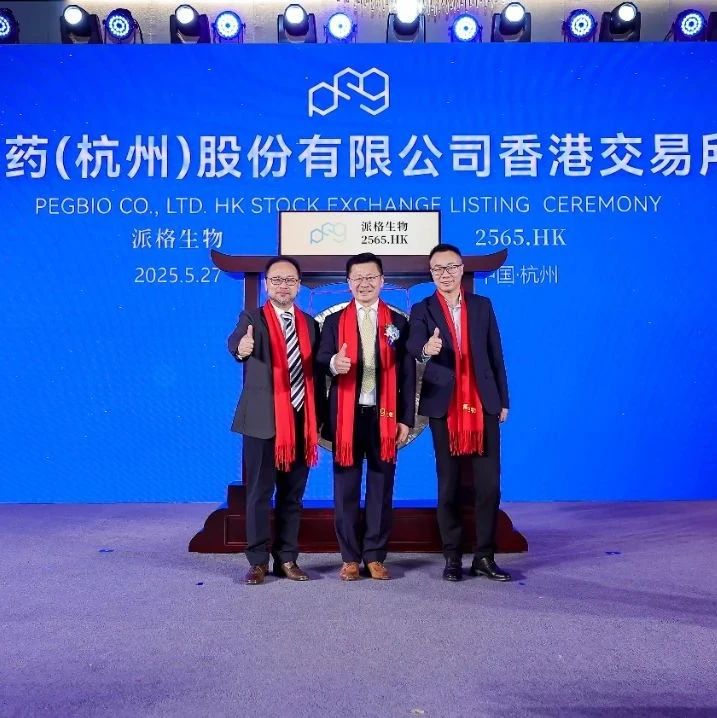
派格生物上市:14年长期陪伴,联想之星斩获一个明星IPO
投中网· 2025-05-27 02:21
Core Viewpoint - Lenovo Star has successfully nurtured and invested in the biopharmaceutical sector, culminating in six notable IPOs, including the recent listing of Paig Bio, which reflects the company's long-term commitment and strategic focus in the healthcare investment landscape [1][7]. Investment Journey - Lenovo Star's relationship with Paig Bio began in 2010, marking the company's entry into the biopharmaceutical investment space, particularly in the Suzhou Biopharmaceutical Industry Park [2]. - The investment decision was influenced by Paig Bio's innovative GLP-1 receptor agonist, PB-119, which shows promising results in treating type 2 diabetes and obesity, alongside a significant market need in China [3]. Development and Support - Over the years, Lenovo Star provided continuous support to Paig Bio, including a follow-up investment of $1.2 million in 2014, which helped the company advance its product development [4]. - Paig Bio has developed six candidate products, with PB-119 expected to receive approval for commercialization in China by mid-2025 [4]. Financial Returns - The successful IPO of Paig Bio has yielded a 13-fold return on investment for Lenovo Star, highlighting the value of its long-term investment strategy in the biopharmaceutical sector [5][6]. Broader Investment Ecosystem - Lenovo Star has established a robust investment ecosystem in healthcare, having invested in over 100 quality medical projects, including notable companies like Kintor Pharmaceutical and Burning Rock Biotech [7]. - The firm has focused on two main segments: biopharmaceuticals and smart healthcare, leveraging advancements in AI and big data to enhance drug development and healthcare services [7][8]. Strategic Focus and Future Outlook - Lenovo Star's mission, established in collaboration with the Chinese Academy of Sciences, is to discover and cultivate tech entrepreneurship, with a strong emphasis on biopharmaceuticals due to the growing demand for innovative drugs in China [8][9]. - The company anticipates a turning point in the healthcare sector by 2026, driven by a combination of technological advancements and a growing demand for effective healthcare solutions [12].