适老化

Search documents
村里“修”手机的大学生,为啥火了?
Xin Lang Cai Jing· 2026-02-12 23:43
Group 1 - The article highlights the importance of young individuals, like Xiao Tang, who assist the elderly in navigating technology, particularly smartphones, thereby bridging the digital divide [1][2] - It emphasizes that the challenges faced by the elderly in using smartphones are not just technical but also emotional, requiring patience and understanding from the younger generation [1][2] - The concept of "age-friendly" technology is discussed, stressing that it should go beyond mere visual adjustments to truly address the emotional and practical needs of the elderly [2] Group 2 - The article illustrates various examples of young people helping the elderly, such as teaching them to use video calls, making medical appointments, and educating them about online scams, which collectively enhance their digital experience [2] - It calls for a collective effort from society to ensure that the elderly can participate in the digital age, highlighting that this requires genuine companionship and communication rather than just technical support [2]
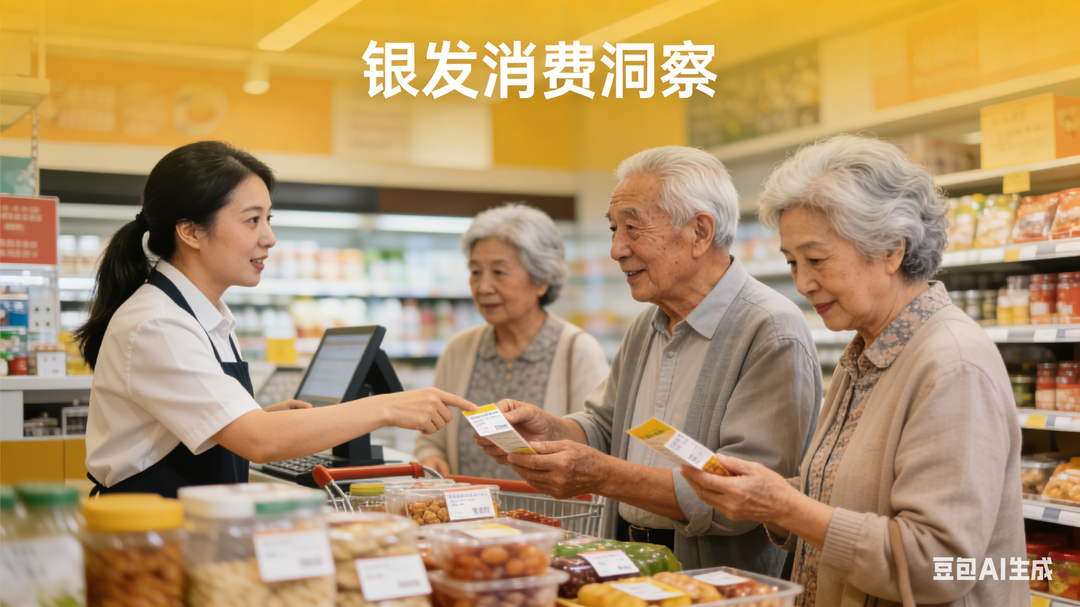
大任观银龄/银发消费新浪潮:当4亿人开启“第二人生”
Yang Zi Wan Bao Wang· 2026-02-06 01:31
Core Insights - The article highlights a significant shift in consumer behavior among the aging population, who are redefining their identity beyond being labeled as "silver-haired" and are actively pursuing quality, vitality, and self-fulfillment in their "second life" [1][3]. Industry Perspective - The core driving force of silver-haired consumption has transitioned from basic survival needs to a comprehensive focus on quality of life, encompassing three distinct upgrade dimensions: 1. Health Management: Evolving from "passive medical care" to "active integration," the demand now includes a full-cycle health solution that covers scientific nutrition, regular exercise, health monitoring, and chronic disease management [3]. 2. Life Support: Shifting from "visible assistance" to "invisible empowerment," this demographic values independence and dignity, rejecting products that imply weakness. True aging-friendly solutions should provide seamless and elegant assistance through smart, human-centered, and aesthetically pleasing designs [3]. 3. Spiritual Pursuit: Moving from "social needs" to "value co-creation," a strong sense of belonging and self-actualization drives them to invest in deep social interactions, cultural experiences, and skill development, making consumption a vital means of building new communities and passing on wisdom [3]. Supply-Side Recommendations - The industry must transition from offering isolated products to creating "human-centered, scenario-based solutions" that deeply integrate technology, services, and culture [4]. Social Recommendations - There is a need to actively cultivate an ecosystem that encourages inclusive innovation, improve relevant standards and trust systems, and promote intergenerational community integration [5]. Conceptual Recommendations - A fundamental shift in societal perception is required, moving from "support and care" to "coexistence and co-creation." The aging population is not only a significant consumer market but also a valuable contributor to social experience and vitality [6]. Conclusion - The flourishing of the silver economy reflects a society's level of civilization and future vision. Serving the 400 million individuals in their "second life" not only opens up a promising new market but also contributes to building a more friendly, inclusive, and hopeful society for all ages [6].

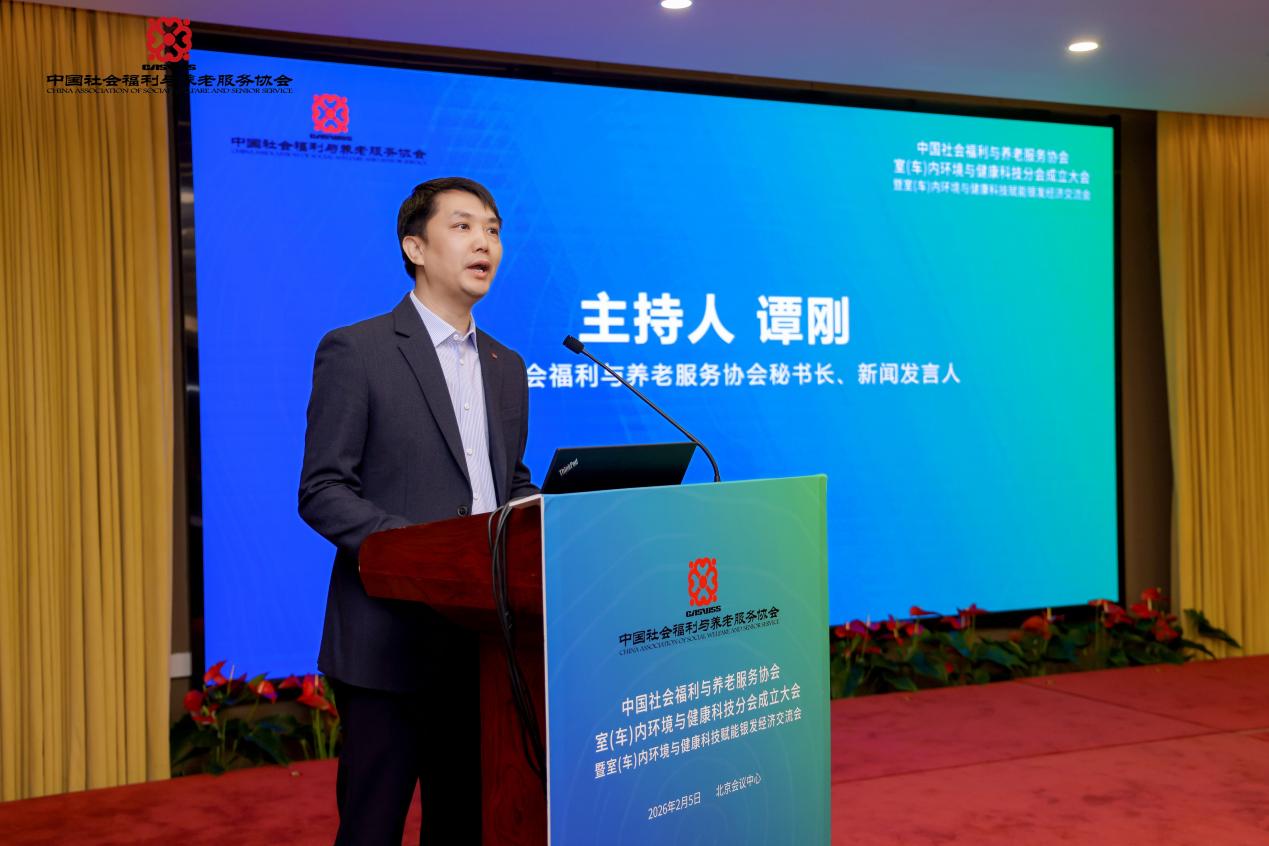
中国社会福利与养老服务协会室(车)内环境与健康科技分会成立
Xin Lang Cai Jing· 2026-02-05 14:04
Core Viewpoint - The establishment of the Indoor Environment and Health Technology Sub-Association under the China Social Welfare and Elderly Service Association aims to integrate indoor environment and health technology with the silver economy, focusing on enhancing the quality of life for the elderly through technological empowerment [1][24]. Group 1: Establishment and Leadership - The founding meeting of the sub-association was held in Beijing, gathering industry experts, corporate representatives, and leaders from elderly care institutions [1]. - The sub-association's first leadership team was elected, with Wang Xiaoshi, Chairman of Zhejiang Meike Air Purification Technology Co., Ltd., elected as the president [5]. - The sub-association's core mission is to serve the elderly, empower the silver economy, and standardize industry development to improve the quality of life for the elderly [5][7]. Group 2: Industry Collaboration and Development - The sub-association aims to play a bridging role in the industry, focusing on pain points and challenges, and to inject new momentum into the high-quality development of the elderly care industry [7]. - The meeting included a strategic signing ceremony, with multiple partnerships formed to enhance product supply, scene adaptation, and industry promotion [20]. - The collaboration between the sub-association and the APSC Asia-Pacific Regional Smart Supply Chain Center aims to build an international ecosystem [22]. Group 3: Technological Empowerment and Market Insights - Experts emphasized the importance of indoor environment health as a core guarantee for the quality of life of the elderly, advocating for standardization to lead industry development [2]. - Companies like Hisense are focusing on the safety, convenience, comfort, and health needs of the elderly, proposing aging-friendly home appliance solutions [16]. - The conference highlighted the broad prospects of the silver economy and the need for the sub-association to provide unique services and integrate resources for healthy aging [12].
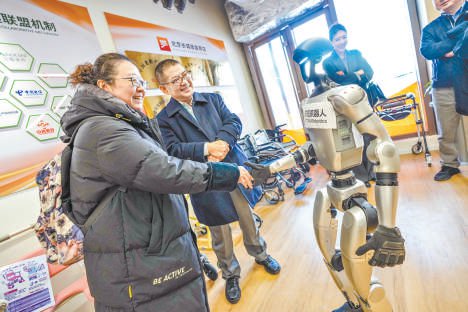
专为老年人打造的商店亮相
Xin Lang Cai Jing· 2026-02-05 06:54
Core Viewpoint - The Beijing Great Wall Silver Age Store has opened, showcasing over 300 elderly-friendly products in a 500 square meter space, aiming to create a one-stop service ecosystem for senior living [2] Group 1: Product Offerings - The store features a "Tian Tan Bureau Decoration" elderly-friendly model room, highlighting integrated bathroom solutions with adjustable washbasin and mirror heights, as well as adaptable toilets [2] - Health monitoring devices such as blood oxygen monitors and blood pressure meters are prominently displayed, alongside various electric wheelchairs and elderly-friendly furniture [2] - A notable product is a smart anti-fall vest equipped with AI algorithms that differentiate between falling and normal bending movements, deploying airbags for protection during falls [2] Group 2: Service Experience - The store is designed as a "one-stop silver age living service ecosystem," divided into nine functional areas that include product displays, real-life experiences, health checks, service consultations, social entertainment, and live interaction [2] - The aim is to allow elderly individuals to experience the possibilities of future home living firsthand [2]
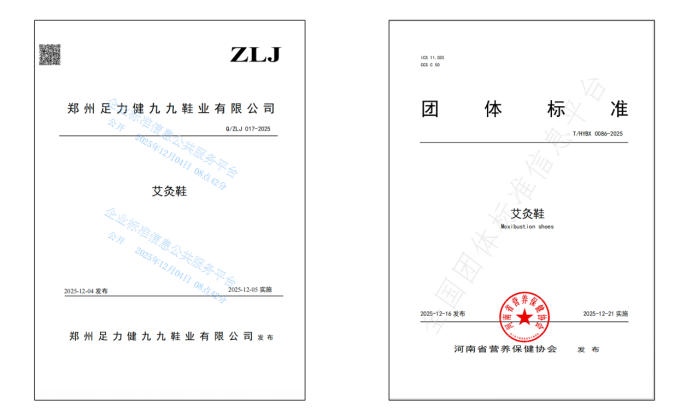
足力健主导艾灸鞋团体标准,34项标准彰显企业担当
Zhong Guo Zhi Liang Xin Wen Wang· 2026-01-30 07:47
Core Insights - The core initiative of the company is the launch of two important standards for "moxibustion shoes," marking a significant advancement in the elderly health footwear sector and providing essential guidelines for the orderly development of the elderly products market [1][3]. Group 1: Standard Development - The company has participated in the formulation and revision of a total of 34 standards, including 4 national standards, 1 light industry standard, 14 group standards, and 15 enterprise standards, creating a multi-level standard matrix [1]. - The newly released group standard focuses on common industry needs, defining key terms, technical requirements, and testing methods, while the enterprise standard adds stricter specifications tailored to the physiological characteristics and usage scenarios of the elderly [5][7]. Group 2: Market Demand and Product Development - The company's development of moxibustion shoes is driven by a deep understanding of the core needs of the elderly population, particularly their increasing demand for health and wellness products that combine warmth and traditional health concepts [3][8]. - The lack of unified technical specifications and quality standards in the moxibustion shoe market has hindered consumer experience and industry sustainability, prompting the company to initiate the development project alongside standard construction [3][5]. Group 3: Quality Assurance and Industry Leadership - The company emphasizes that product quality assurance relies not only on strict control during production but also on a comprehensive standard system to support it [5]. - The establishment of standards is viewed as a foundational element for industry development, with the company positioning itself as a leader in standard formulation, having taken the lead in drafting key standards such as "elderly shoes" [7][8].
以旧换新政策扩容 智能家居与适老产品引领家居行业新风口
Sou Hu Cai Jing· 2026-01-14 11:56
Core Insights - The 2026 consumption goods replacement policy aims to stimulate demand by expanding the scope of the old-for-new program, now including smart home and elderly-friendly products for central funding subsidies [1][4][5] - The policy is designed to drive the transformation of the home industry towards green and intelligent solutions, encouraging companies to innovate products that meet new standards [1][6] Policy Expansion - The new policy features a dual-track system of national uniformity and local autonomy, specifying six categories of home appliances and four categories of digital and smart products eligible for subsidies [4] - A significant breakthrough is the inclusion of smart home and elderly-friendly products in the central funding subsidy, allowing local governments to create tailored subsidy policies within the framework [4][5] Market Demand - The demand for home improvement is driven by the growing need for renovations in existing homes and the rising popularity of smart products, with a focus on enhancing living quality through green, intelligent, and elderly-friendly solutions [6][8] - Data from the Ministry of Housing and Urban-Rural Development indicates that over 240,000 old urban communities have been renovated, benefiting more than 40 million households [6] Industry Trends - The policy encourages the home industry to transition from traditional appliances to emerging categories, aligning with consumer upgrade trends and providing clear direction for industry transformation [5][8] - The integration of smart and elderly-friendly products is expected to create a new market dynamic, with companies accelerating their strategies to meet the growing demand in these segments [10][11] Future Outlook - The home industry is anticipated to evolve from "single smart products" to "whole-home interconnected solutions," driven by artificial intelligence and changing consumer preferences [10] - The elderly-friendly market is shifting from a niche to a mainstream necessity, with predictions indicating that the silver economy could reach 30 trillion yuan by 2035, growing at a compound annual growth rate of 15.7% [10][11]
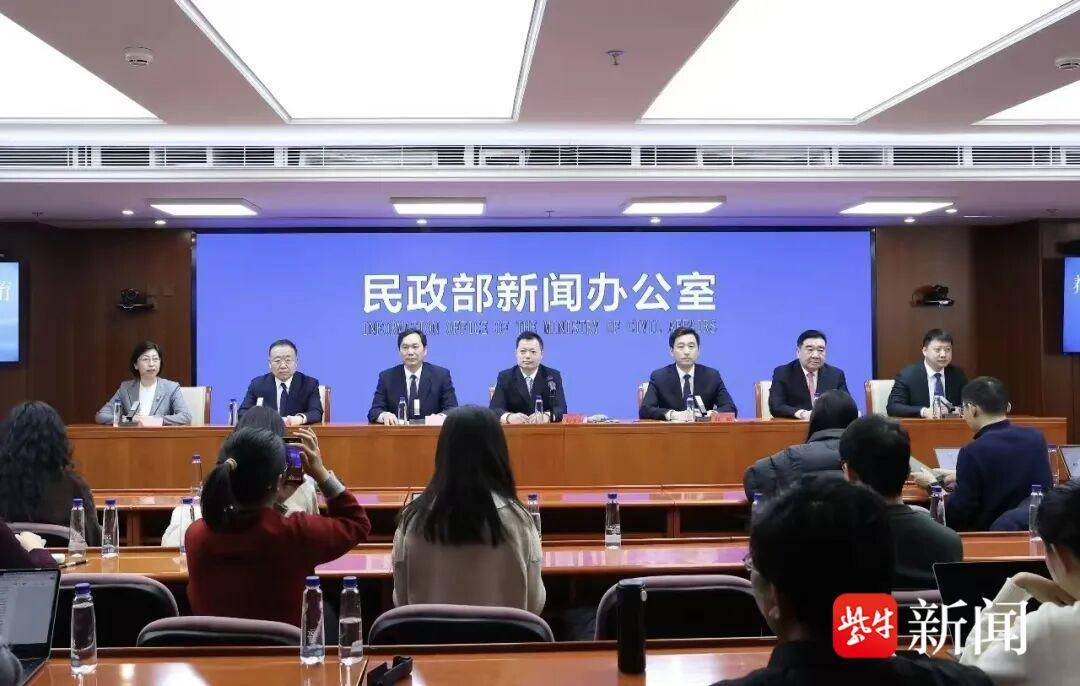
苏州参加民政部《关于培育养老服务经营主体 促进银发经济发展的若干措施》专题新闻发布会
Yang Zi Wan Bao Wang· 2026-01-13 13:44
Core Viewpoint - The Ministry of Civil Affairs has introduced measures to cultivate elderly care service operators and promote the silver economy, aiming for high-quality development in this sector by optimizing the development environment and stimulating operational vitality [3]. Group 1: Policy Measures - The measures consist of 14 specific initiatives across five areas: promoting brand development, facilitating market supply-demand matching, supporting technology in elderly care, optimizing the development environment, and increasing resource support [3]. - The implementation of these measures is set to begin on December 29, 2025, following extensive research and consultation with various stakeholders [3]. Group 2: Technological Integration in Elderly Care - Suzhou has been actively integrating technology with elderly care services, focusing on four key areas: platform, scenario, product, and talent [4]. - A comprehensive smart elderly care system has been established in Suzhou, which integrates public data to enhance service efficiency, achieving 472,000 home care service orders in 2025 with 100% coverage for vulnerable elderly individuals [5]. Group 3: Service Scenarios - Suzhou has developed three main scenarios for smart elderly care: demonstration centers, smart institutions, and community-based services, allowing for practical application of technology in real-life settings [6]. - The city has created a "Silver Technology and Humanistic Care Demonstration Center" to facilitate product testing and data collection, with nearly 20 smart care and rehabilitation technology products currently in use [6]. Group 4: Product Development - Suzhou promotes a closed-loop model of "Suzhou manufacturing—Suzhou branding—Suzhou standards" to ensure that quality elderly care technology products reach the elderly population [7]. - The city has integrated resources from nearly 20,000 key enterprises and established nine silver technology laboratories, while also launching various consumer promotion activities to enhance product accessibility [7]. Group 5: Talent Development - The city emphasizes the cultivation of composite talents who understand both elderly care and technology, establishing a collaborative mechanism among 27 departments and creating a 1 billion yuan elderly care industry fund [8]. - Suzhou has initiated a talent recruitment platform specifically for elderly care, facilitating a comprehensive human resource management system for care institutions [8]. Group 6: Future Directions - Suzhou aims to deepen the integration of elderly care services with digital and intelligent technologies, providing robust technological support for the elderly to enjoy a happy and secure later life [9][10].
优化养老服务发展环境 民政部等八部门出台多项措施
Yang Shi Wang· 2026-01-13 02:36
Core Viewpoint - The Ministry of Civil Affairs and seven other departments have introduced measures to cultivate the elderly care service industry and promote the silver economy, aiming to enhance the vitality of various elderly care service providers and better meet the diverse needs of the elderly population [1] Group 1: Brand Development - The measures emphasize strengthening brand building for elderly care services, encouraging the establishment of distinctive brand signage and enhancing brand recognition [2] - Provincial civil affairs departments are encouraged to standardize the names and signage of various elderly care service providers to improve brand identification [2] - Support for trademark registration and protection for well-known elderly care brands is highlighted, promoting the implementation of brand strategies [2] Group 2: Market Supply and Demand - The measures propose optimizing the supply of elderly care services and age-friendly products, promoting community-based service integration through chain operations [3] - Encouragement for the development of specialized medical accompaniment services and mobile bathing services for the elderly is included [3] - The initiative also promotes the development of age-appropriate food and clothing, as well as home modifications to create suitable living environments for the elderly [3] Group 3: Supply and Demand Platforms - Support for local governments to establish dedicated elderly care sections within existing platforms to enhance service demonstration and resource linkage is outlined [4] - The use of expos and fairs to facilitate connections between manufacturers, service providers, and consumers in the elderly care sector is encouraged [4] - E-commerce platforms and supermarkets are urged to create dedicated shopping sections for elderly consumers to enhance convenience [4] Group 4: Technological Empowerment - The measures advocate for technological advancements in elderly care, including the application of big data, AI, and smart home technologies for health monitoring and personalized services [5] - Development of robotic solutions for daily care and emotional support for the elderly is promoted, along with collaboration across industries [5] - Support for the testing and application of smart elderly care products in service institutions is emphasized to enhance user experience [5] Group 5: Development Environment Optimization - The measures call for creating a fair competitive environment by reforming the classification of elderly care institutions and optimizing support policies [7] - Establishment of a standard certification system for elderly products and services is proposed to guide procurement practices [7] - Protection of elderly rights through education and regulation against fraudulent practices in the elderly care market is highlighted [7] Group 6: Support for Operating Entities - The measures suggest reducing administrative inspections on elderly care institutions to prevent arbitrary practices and ensure fair treatment [8] - Promotion of reasonable pricing and positive publicity for elderly care services through various media channels is encouraged [8] Group 7: Resource Support - Local civil affairs departments are tasked with providing regular updates on elderly population statistics and service facility distributions to support service providers [9] - Encouragement for the establishment of a nurturing mechanism for elderly care service providers to apply for specialized small and medium enterprises is included [9] - Support for land supply and operational stability for elderly care facilities based on local aging population needs is emphasized [9]
“适老化”服务助力银发旅游品质提升
Yang Shi Wang· 2026-01-11 12:23
Core Viewpoint - The elderly have become a significant demographic in the tourism market, especially during off-peak seasons, prompting various scenic spots to enhance their facilities and services for easier travel for older tourists [1] Group 1: Adaptation of Scenic Spots - Many scenic areas are upgrading their facilities and services to be more "elderly-friendly," facilitating easier travel for older visitors [1] - The Xixia Tomb, which was successfully listed as a UNESCO World Heritage Site in July 2025, has implemented comprehensive "elderly-friendly" service upgrades, including accessible pathways, ramps, free wheelchairs, and emergency alert systems in key areas [5] Group 2: Technological Integration - Scenic spots are improving online services and utilizing new technologies like AI to help elderly tourists overcome the "digital divide" and enjoy new tech-driven travel experiences [3] - The "Xiaoyangzhou" online smart tourism platform in Yangzhou, Jiangsu, offers features such as voice-to-text conversion for hearing-impaired elderly tourists, providing accessible services like guided tours and personalized itineraries based on individual preferences [3] Group 3: Diverse Travel Products - Travel agencies and platforms are launching a variety of travel products tailored for elderly tourists, including slow travel, wellness tours, and migratory trains [7] - The Ministry of Culture and Tourism, along with the Civil Aviation Administration of China, has released an action plan to accelerate "elderly-friendly" modifications in airlines and airports, introducing services such as resting areas for elderly passengers, special meals on flights, and designated seating for seniors [7]

为什么越来越多人,开始“反向换房”?
3 6 Ke· 2026-01-08 23:38
Core Viewpoint - The trend of "reverse housing exchange" is emerging in major cities, where individuals are opting to downsize or move to less expensive areas, indicating a shift in housing market dynamics and consumer preferences [2][27]. Group 1: Reverse Housing Exchange Trends - In 2024, over half of the second-hand housing transactions in Beijing are expected to be reverse exchanges, with similar trends observed in cities like Shanghai, Shenzhen, Guangzhou, Hangzhou, and Nanjing [2]. - The trend is anticipated to continue rising in 2025, becoming a new norm in the housing markets of first and second-tier cities [2]. Group 2: Demographics of Reverse Housing Exchange - The first group involved in reverse exchanges consists of retirees who are "actively downsizing," selling larger homes in suburban areas for smaller, older homes in urban centers to be closer to medical resources and community amenities [3][5]. - The second group includes middle-class individuals who are "passively reducing leverage," often out of necessity, selling high-mortgage properties to alleviate financial burdens [6][8]. Group 3: Underlying Factors of Reverse Housing Exchange - The belief in "universal housing price increases" has collapsed, leading to a recognition that many properties are not appreciating and can become financial liabilities [18]. - There is a growing emphasis on "cash flow priority," where individuals prefer liquid assets over illiquid property investments, understanding that accessible cash is more valuable [19][20]. - The focus on "fundamental housing needs" has shifted, with buyers now prioritizing comfort and suitability over location and investment potential, viewing homes more as living spaces than as financial assets [21]. Group 4: Consumer Mindset Shift - The trend of reverse housing exchange reflects a broader maturity in consumer attitudes towards housing, where individuals are seeking sustainable living arrangements rather than being pressured by societal expectations of home ownership [22][23]. - The notion of "living comfortably" has gained precedence over maintaining a facade of wealth through large homes, indicating a cultural shift in housing values [23]. Group 5: Market Dynamics and Future Outlook - The rise of reverse housing exchange is seen as a natural outcome of the real estate market entering a new cycle, alongside a maturation of consumer perspectives on housing [27][28]. - While traditional upward exchanges remain prevalent, reverse exchanges are recognized as practical choices for individuals at different life stages, suggesting flexibility in housing decisions [28][29].