
水环境保护

Search documents
黑龙江绿水青山的“十四五”答卷
Zhong Guo Huan Jing Bao· 2025-12-25 00:57
Core Viewpoint - Heilongjiang Province is committed to ecological protection and high-quality development, showcasing its rich natural resources and strong ecological environment as a foundation for sustainable growth [4][11]. Group 1: Ecological Protection Efforts - The province has implemented a comprehensive management mechanism for river pollution, achieving a 100% source tracing rate and a 97% remediation rate for river discharge outlets [6][7]. - Water quality indicators have shown significant improvement, with a 12.5 percentage point increase in the proportion of good water bodies from 2021 to 2024, reaching 84.4% [7]. - The province has recognized 30 rivers and lakes as provincial beautiful rivers and lakes, promoting a model of harmonious coexistence between humans and nature [8]. Group 2: Economic Development and Green Transformation - The "Two Mountains" concept is being actively practiced, with regions like Mohe and Fuyuan focusing on ecological tourism and green agriculture, achieving a balance between ecological and economic benefits [11][12]. - The province is advancing green low-carbon transformation, with cities like Jixi leading initiatives to eliminate outdated coal boilers and promote energy-efficient technologies [17][18]. - Heilongjiang has successfully completed the third compliance period of the national carbon market, with a total trading volume of 64.29 million tons and a transaction value of 4.249 billion yuan [18][19].

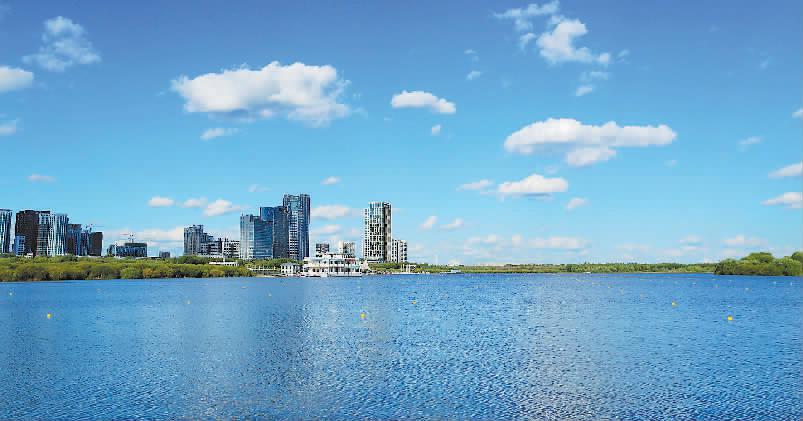
水环境保护装上资金调节“双向阀”
Liao Ning Ri Bao· 2025-12-18 01:45
Core Viewpoint - The newly introduced management measures for river water quality incentive compensation funds in Liaoning Province aim to enhance fund management, improve fund utilization efficiency, and establish a long-term mechanism for water quality incentive compensation in the province [1][2]. Group 1: Changes in Fund Management - The new policy shifts from a "one-way" distribution of incentive compensation funds to a "two-way" flow, allowing for compensation and incentives based on pollution and improvement between upstream and downstream areas [1]. - The scope of provincial funding support has been expanded to include not only compensation for downstream polluted cities but also incentives for improvements in inter-provincial rivers and cross-border rivers [1]. Group 2: Enhanced Management and Accountability - The new measures implement a "tiered" management mechanism for incentive recipients, increasing the incentive for cities that show annual water quality improvements, while excluding those that have already met standards from receiving incentives [2]. - There will be strict supervision and performance management, with penalties for projects that are significantly delayed or where funds are idle or ineffective, ensuring that funding is allocated based on actual results [2]. - The provincial finance department will collaborate with the ecological environment department to enforce the new fund management measures and enhance the tracking and monitoring of fund usage [2].