物业服务等

Search documents
多地部署高质量推进城市更新
Zheng Quan Ri Bao· 2026-02-08 17:11
Core Viewpoint - Urban renewal is a key strategy for promoting high-quality urban development, transitioning from large-scale expansion to enhancing existing urban quality and efficiency [1][2][3] Group 1: Urban Renewal as a Strategic Action - Urban renewal is recognized as a comprehensive and systematic strategic action to accelerate urban energy transformation and stabilize investment while promoting consumption [2][3] - The Ministry of Housing and Urban-Rural Development emphasizes the importance of urban renewal tasks, including the renovation of old residential areas, streets, factories, and infrastructure, which will involve substantial direct investment [2][3] Group 2: Local Government Initiatives - Various local governments are actively promoting urban renewal as a crucial measure for high-quality development, aiming to meet citizens' needs for a better quality of life and to enhance urban capacity [3][4] - Specific initiatives include financial support for urban renewal projects, encouraging banks to provide favorable loan conditions, and exploring new models for the renovation of old and dangerous housing [4][5] Group 3: Future Directions and Focus Areas - By 2026, urban renewal efforts will focus on safety and urgent needs, such as the maintenance of staircases, elevators, and adaptations for the elderly and children [5][6] - The approach to urban renewal will diversify, including self-renovation and original demolition and reconstruction, while also creating new consumption scenarios to stimulate domestic demand and investment [5][6]
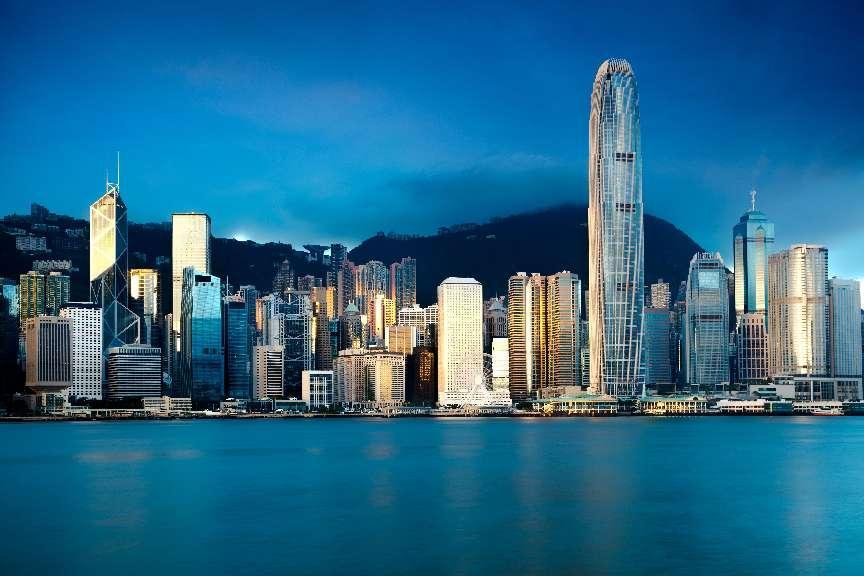
港股私有化案例席卷多领域 部分公司因流动性与成本无奈退市
Huan Qiu Wang· 2025-07-08 05:22
Core Viewpoint - The number of companies delisting from the Hong Kong stock market has reached 30 this year, with 15 opting for privatization, indicating a trend driven by low liquidity and high costs of maintaining a listing [1][3]. Group 1: Privatization Trends - The privatization of Hong Kong-listed companies spans various sectors, including logistics, software development, and retail, with many offering premiums to shareholders [3]. - An example includes Anke Systems, which offered HKD 1.10 per share, representing a 37.5% premium over its pre-suspension price [3]. - The common methods for privatization include tender offers, agreements, and mergers, providing compensation to shareholders who do not trade before delisting [3]. Group 2: Market Conditions - Despite an overall improvement in liquidity for the Hong Kong stock market, small-cap and micro-cap stocks continue to face significant liquidity challenges, with 474 companies having a market capitalization below HKD 100 million [1]. - Some companies experience daily trading volumes of less than HKD 100,000, prompting them to consider privatization as a viable exit strategy [1]. Group 3: Costs of Maintaining Listing - The costs associated with maintaining a listing on the Hong Kong stock exchange are substantial, with initial listing fees ranging from HKD 150,000 to HKD 600,000 and annual fees between HKD 145,000 and HKD 1,069,000 for companies with market caps between HKD 100 million and HKD 5 billion [4]. - Companies like Bosideng International Group have seen their market value shrink by over 90%, leading to difficulties in raising funds and prompting privatization [4]. Group 4: Implications for Shareholders - Privatization offers a means for shareholders to realize value in companies with low stock liquidity, as seen with Fosun Tourism Culture and Ronshine Services Group, which cited low trading liquidity as a reason for their delisting [3]. - However, not all privatization efforts are successful, as demonstrated by the failed proposal of Goldlion Group, while others like Tan Zai International have successfully passed their privatization resolutions [4]. Group 5: Market Dynamics - Experts suggest that privatization through industrial mergers can help concentrate resources in more promising companies, but there are ongoing concerns regarding the protection of minority shareholders' rights and the need to enhance market vitality for small-cap companies [4].