特色农产品种植与加工

Search documents
特色农产品百花齐放
Xin Lang Cai Jing· 2026-01-04 22:08
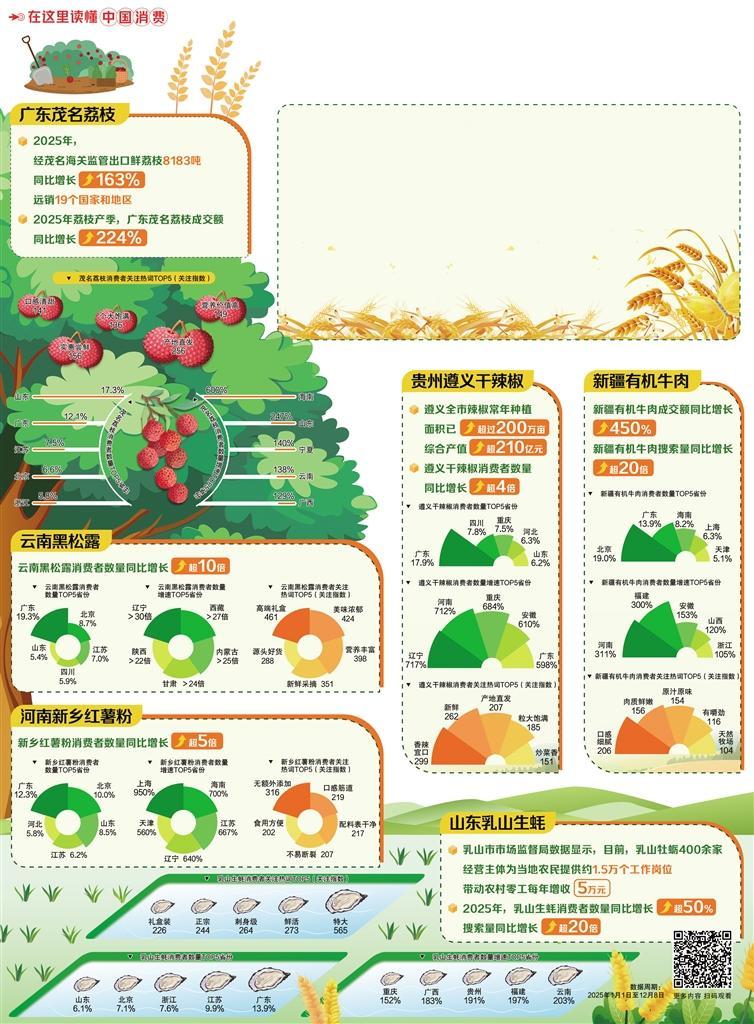
Group 1 - The core viewpoint of the article highlights the emergence of "hidden" specialty agricultural products in China, which have gained popularity and market recognition due to changing consumer preferences and effective marketing strategies [3][4] - The article discusses the historical context of these specialty products, noting that many have been cultivated for decades but remained underappreciated due to low standardization, limited production, and inadequate marketing [3] - The interaction between consumers and the market has increased, leading to greater exposure for these products, which are now reaching consumers more effectively [4] Group 2 - The development of regional public brands has been encouraged, with examples like Maoming lychee and Wuchang rice benefiting from established sales networks and marketing channels to expand their market presence [4] - The rise of live-streaming e-commerce has provided a platform for specialty products to connect with consumers, enhancing trade activity in these sectors [4] - To capitalize on these opportunities, it is essential to improve standardization across the entire production and sales process, as demonstrated by the comprehensive standardization efforts in Guangxi's kumquat industry [4][5] Group 3 - Increasing the added value of specialty agricultural products is crucial, with examples such as the deep processing of Guizhou chili peppers into high-value products like compound seasonings and health supplements [5] - Other categories, such as fruits and medicinal herbs, can also be processed into various forms to meet consumer health demands, thereby extending shelf life and reducing waste [5] - Collaborations with research institutions can help uncover specific nutritional benefits and develop functional foods, further enhancing the market potential of these products [5]


广东揭西苦笋产业提档升级 赋能乡村振兴
Xin Lang Cai Jing· 2025-12-28 07:02
Core Insights - The article discusses the upgrade of the bitter bamboo shoot industry in Jiexi, Guangdong, which is part of a broader initiative to enhance rural revitalization through modern agricultural practices [1][3]. Industry Overview - The Jiexi bitter bamboo shoot industry park has established a full industrial chain model that integrates production, processing, technology, and marketing [3]. - The park has been recognized as a provincial modern agricultural industry park, with the bitter bamboo shoot being included in the national list of quality agricultural products [3]. Production and Investment - Before the establishment of the industry park, the bitter bamboo shoot planting area was 60,000 acres, with an annual output of approximately 24,000 tons and a production value of 800 million yuan [5]. - Since the park's construction, over 200 million yuan has been invested, including 50 million yuan from provincial funds and over 100 million yuan from enterprises [5]. Product Development - The industry park has developed a range of products, including canned bitter bamboo shoots and preserved vegetables, to meet diverse consumer demands [5][8]. - The park's processing capabilities have been enhanced, with a processing capacity of 30,000 tons per year [8]. Community Impact - The park has created various cooperative models that involve land transfer, employment, and order-based purchasing, benefiting over 7,000 local villagers [8]. - Financial benefits from the projects are shared with local village collectives over ten years, allowing them to invest in seedling production for villagers [8]. Tourism Integration - The industry park is linked with local eco-tourism initiatives, developing agricultural and cultural tourism projects to attract visitors [8].