农产品标准化

Search documents
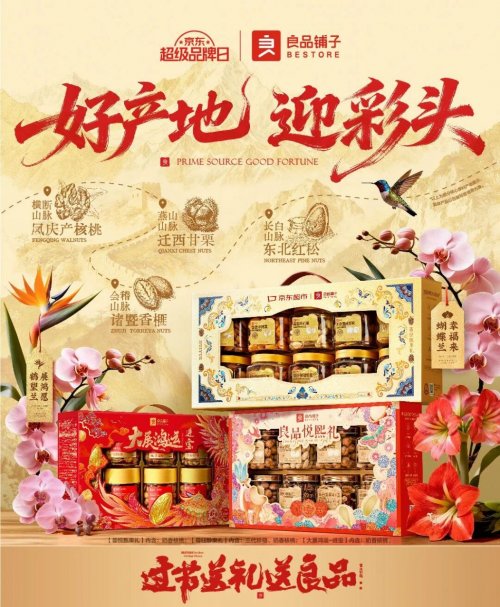
“好产地迎彩头”良品铺子2026年货礼盒上新
Zhong Guo Shi Pin Wang· 2026-01-30 05:36
Group 1 - The core concept of the article emphasizes the cultural and health significance of the products offered by the company, particularly through their 2026 Lunar New Year gift boxes, which are designed to convey warmth and auspicious blessings [1] - The company highlights the importance of origin in ensuring product quality and taste, showcasing unique characteristics of ingredients sourced from renowned locations, such as the 50-year-old red pine from Changbai Mountain and the ancient cypress from Kuaiji Mountain [3] - The company positions itself as a "chain leader" in the domestic development of macadamia nuts, establishing a comprehensive empowerment system that promotes standardization, organic practices, and branding within the industry [4] Group 2 - Since 2017, the company has integrated consumer demands into its quality control for macadamia nuts, focusing on factors such as nut diameter and bad seed rates, while implementing a pricing mechanism that rewards farmers for high-quality produce [4] - The company has procured over 15,000 tons of agricultural products, including macadamia nuts and walnuts, which has not only stabilized market demand but also encouraged young people to return to rural areas for entrepreneurship, revitalizing local communities [4]


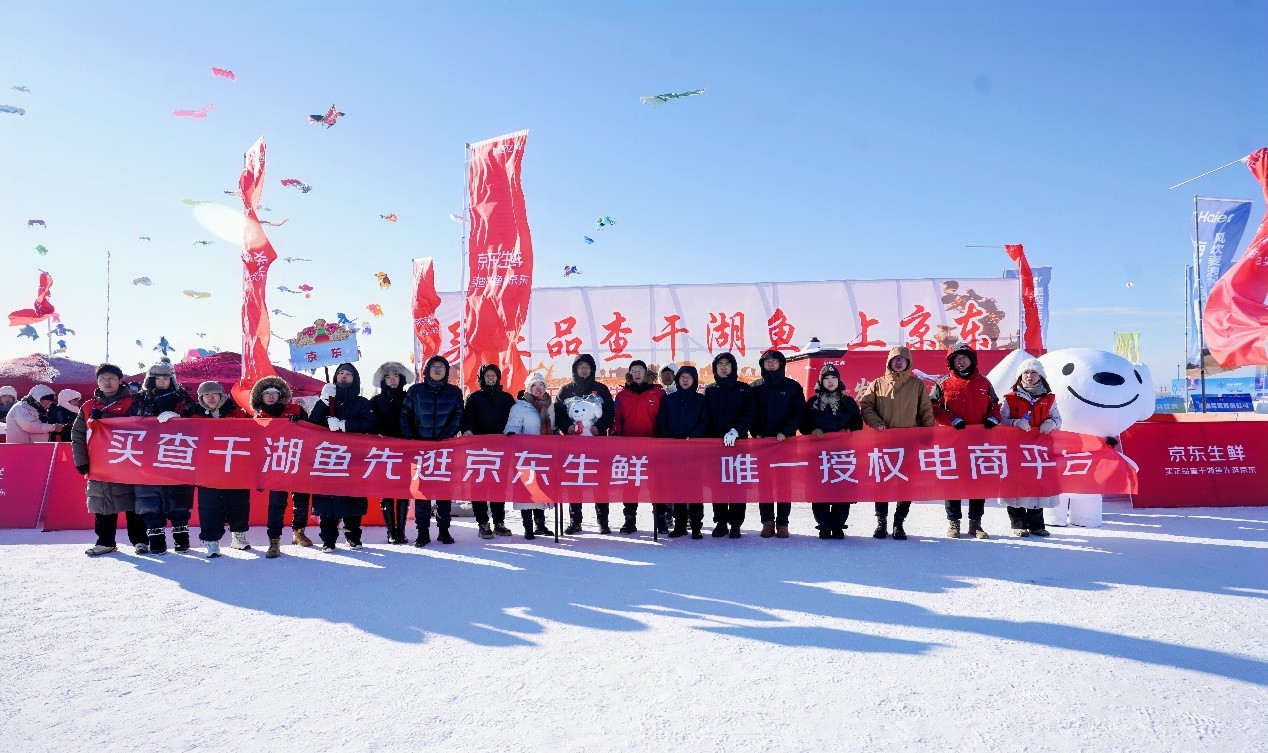
从169万元拍得头鱼到包销近半数查干湖鱼:京东生鲜用“包湖”打响保真战
Zhong Jin Zai Xian· 2026-01-09 01:41
Core Viewpoint - The collaboration between JD Fresh and Chagan Lake fishery aims to address market issues such as counterfeit fish and supply chain inefficiencies, ensuring the authenticity and freshness of Chagan Lake fish for consumers [1][3][4]. Group 1: Collaboration Details - JD Fresh has secured a deal to purchase nearly 50% of the Chagan Lake fishery's production for the 2025-2026 season, establishing itself as the largest online sales channel for authentic Chagan Lake fish [3][4]. - The partnership signifies a shift from traditional sales to a more integrated approach, focusing on standardization and branding of agricultural products through direct sourcing and comprehensive sales capabilities [3][5]. Group 2: Supply Chain Innovations - JD Fresh's strategy includes a "one fish, one code" system and a five-layer freshness lock to combat the issue of counterfeit fish, ensuring that every fish sold is traceable and authentic [4][5]. - The establishment of a direct shipping center near the fishery enhances logistics efficiency, allowing for rapid delivery of fresh fish to major cities, thereby preserving quality and taste [5][6]. Group 3: Industry Implications - This collaboration reflects a broader trend in the Chinese fresh produce industry, shifting focus from mere customer acquisition to enhancing supply chain depth, efficiency, and reliability [6]. - The partnership aims to create a sustainable and modernized production and sales system centered on quality and trust, benefiting both local agriculture and consumer confidence [5][6].

特色农产品百花齐放
Xin Lang Cai Jing· 2026-01-04 22:08
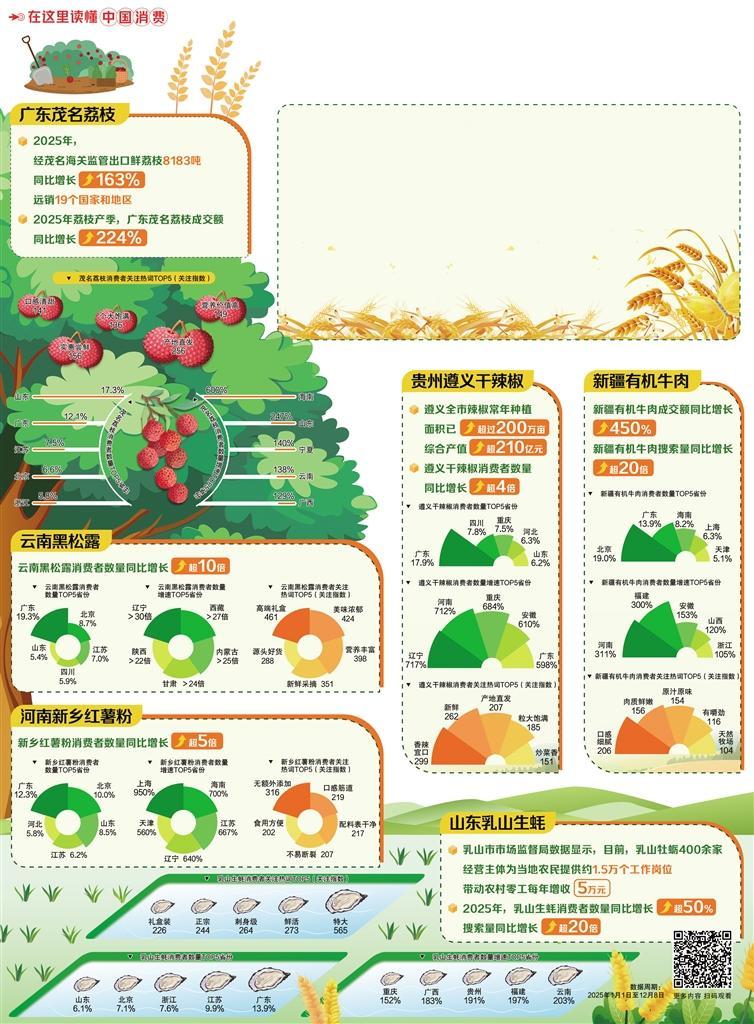
Group 1 - The core viewpoint of the article highlights the emergence of "hidden" specialty agricultural products in China, which have gained popularity and market recognition due to changing consumer preferences and effective marketing strategies [3][4] - The article discusses the historical context of these specialty products, noting that many have been cultivated for decades but remained underappreciated due to low standardization, limited production, and inadequate marketing [3] - The interaction between consumers and the market has increased, leading to greater exposure for these products, which are now reaching consumers more effectively [4] Group 2 - The development of regional public brands has been encouraged, with examples like Maoming lychee and Wuchang rice benefiting from established sales networks and marketing channels to expand their market presence [4] - The rise of live-streaming e-commerce has provided a platform for specialty products to connect with consumers, enhancing trade activity in these sectors [4] - To capitalize on these opportunities, it is essential to improve standardization across the entire production and sales process, as demonstrated by the comprehensive standardization efforts in Guangxi's kumquat industry [4][5] Group 3 - Increasing the added value of specialty agricultural products is crucial, with examples such as the deep processing of Guizhou chili peppers into high-value products like compound seasonings and health supplements [5] - Other categories, such as fruits and medicinal herbs, can also be processed into various forms to meet consumer health demands, thereby extending shelf life and reducing waste [5] - Collaborations with research institutions can help uncover specific nutritional benefits and develop functional foods, further enhancing the market potential of these products [5]

黑龙江省黑土优品标准化技术委员会成立
Zhong Guo Chan Ye Jing Ji Xin Xi Wang· 2025-08-28 00:22
Core Viewpoint - The establishment of the Heilongjiang Black Soil Quality Standardization Technical Committee aims to promote the standardized, scientific, and systematic development of the "Black Soil Quality" brand in Heilongjiang Province [1] Group 1: Committee Formation - The Heilongjiang Black Soil Quality Standardization Technical Committee was approved by the Provincial Market Supervision Administration and initiated by the Provincial Department of Agriculture and Rural Affairs [1] - The secretariat of the committee is located at the Agricultural Products Quality and Safety Research Institute of the Provincial Academy of Agricultural Sciences [1] Group 2: Objectives and Actions - The establishment of the standardization technical committee and the development of a "Black Soil Quality" standard system are specific measures to enhance the brand construction and strengthen the market competitiveness of agricultural products in Heilongjiang [1] - The committee will coordinate major reforms in the standardization field and establish a "Black Soil Quality" standardization coordination mechanism to ensure the scientific, normative, and timely nature of the standards [1] - Continuous improvement of standard quality is a key focus for the committee [1]
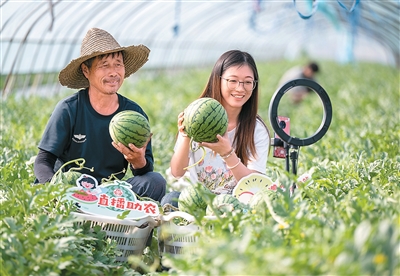
“验瓜师”火了,你“吃瓜”了吗?
Ren Min Ri Bao Hai Wai Ban· 2025-06-09 22:58
Core Viewpoint - The rise of the "watermelon inspector" profession reflects the increasing consumer demand for quality agricultural products and the shift in China's agricultural focus from quantity to quality [6][13][12]. Group 1: Emergence of New Professions - The "watermelon inspector" profession has gained popularity, driven by the growing demand for quality fruits and the need for precise grading in agricultural products [6][10]. - Young people and returning college students are being encouraged to join the agricultural workforce, contributing to the development of high-efficiency agriculture through new varieties and technologies [2][15]. - The profession requires extensive knowledge and experience, with inspectors using methods such as visual inspection, sound, and tactile feedback to assess watermelon quality [8][9]. Group 2: Consumer Behavior and Market Trends - Consumers are increasingly focused on specific quality indicators such as ripeness, sweetness, and taste when purchasing watermelons, moving away from price-centric decisions [13][10]. - The introduction of professional inspectors has significantly reduced the rate of poor-quality fruit purchases, enhancing consumer confidence in the quality of their purchases [10][11]. - E-commerce platforms are adopting "inspector-selected" labels and providing transparency through sugar content reports and traceability systems, further appealing to quality-conscious consumers [11][12]. Group 3: Agricultural Transformation and Technology - The watermelon industry is transitioning towards precision grading and quality control, with the establishment of inspector teams and automated grading lines in production areas [14][13]. - The integration of technology and professional expertise is seen as a model that can be replicated across other fresh produce sectors, promoting overall quality improvement in agriculture [13][14]. - The rise of new agricultural roles is part of a broader trend towards professionalization and high value-added transformation in the agricultural sector [15][12].