稀土及关键矿产

Search documents
US-Australia sign rare earths partnership to counter China’s dominance
Invezz· 2025-10-21 15:30
Core Viewpoint - The United States and Australia have established a new agreement to enhance the supply of rare earths and critical minerals, addressing concerns over China's market dominance [1] Group 1: Agreement Details - The agreement aims to strengthen the supply chain for rare earths and other essential minerals [1] - This initiative is part of broader efforts by the Trump administration to secure strategic access to these materials [1] Group 2: Strategic Importance - Rare earths and critical minerals are crucial for defense applications, highlighting their strategic importance [1]
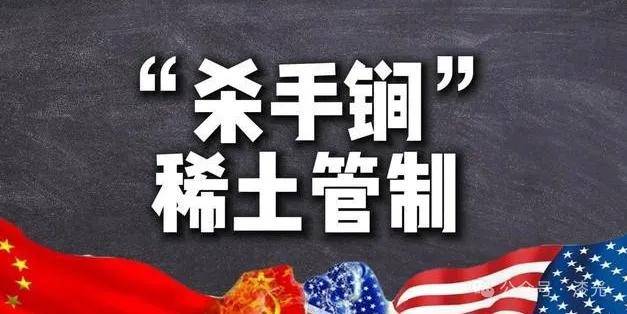
美国最急需的是什么?网友的回复亮了:不是中国稀土,是铥镭铑钼
Sou Hu Cai Jing· 2025-10-21 14:22
Core Insights - The humorous combination of elements "Thulium, Radium, Rhodium, Molybdenum" reflects a serious international competition over key minerals, highlighting China's increasing influence in strategic resource sectors [1][3] - The inclusion of Thulium (Tm) and Molybdenum (Mo) in China's export control list indicates significant challenges for the U.S. high-precision manufacturing industry in accessing these critical materials [3] - China's strategic positioning in the rare earth and key mineral sectors serves as a vital leverage in international competition, marking a shift in the balance of power in resource control [3] Group 1 - The phrase "Thulium, Radium, Rhodium, Molybdenum" has sparked discussions about the critical minerals needed by the U.S., with a focus on the implications of China's export controls [1][3] - The U.S. is facing unprecedented difficulties in obtaining Thulium and Molybdenum, which are essential for its supply chain, due to China's recent export restrictions [3] - China's ability to control access to these two elements demonstrates its strategic planning and strength in resource management, a situation unprecedented in over a century of international relations [3] Group 2 - The viral nature of the phrase underscores the importance of language and chemical knowledge in understanding the complexities of resource competition [4] - The ongoing debate about prioritizing technical knowledge over cultural literacy is seen as shortsighted, as national competition requires both hard technology and soft cultural power [4] - A balanced understanding of both literature and science is essential for grasping the nuances of resource conflicts and maintaining a competitive edge in global discourse [4]