
绿色低碳服务

Search documents
数碳融合,有“迹”可循
Xin Lang Cai Jing· 2026-02-01 21:21
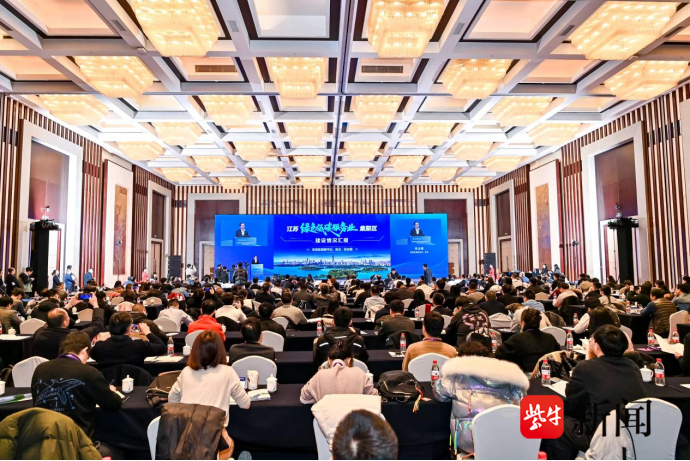
Core Viewpoint - The establishment of the Carbon Footprint Professional Committee by the China Environmental Science Society aims to enhance carbon management and support the green transformation of industries in Jiangsu province, particularly in Nanjing's Xuanwu District, which is positioning itself as a hub for green low-carbon services [1][4]. Group 1: Carbon Footprint Committee and Strategic Collaborations - The Carbon Footprint Professional Committee was officially established in Xuanwu District, with the first leadership team elected and strategic cooperation agreements signed with China Energy Conservation and Environmental Protection Group and the China-Shanghai Cooperation Organization Green Industry Development Cooperation Zone [1]. - The committee will coordinate research, standards, and applications related to carbon footprint management, serving as a neutral platform to support national carbon footprint management systems [4]. Group 2: Green Development Initiatives - Xuanwu District has been recognized for its ecological quality, ranking second in Jiangsu province, with a green coverage rate of 63.4%, and has been designated as a national ecological civilization demonstration zone [3]. - The Jiangsu Product Carbon Footprint Public Service Platform is a key project in the green low-carbon service industry cluster, helping over 60 local enterprises achieve product carbon footprint certification [3]. Group 3: Integration of Digital and Carbon Management - The integration of digital technology and carbon management is a distinctive feature of Xuanwu's green transformation, with initiatives like the Jiangsu International Data Port facilitating high-quality data services for enterprises [8]. - The establishment of the Battery Product Digital Passport (B-DPP) project aims to enhance the competitiveness of the battery industry through improved data management and international collaboration [9][10]. Group 4: Future Development Plans - The "14th Five-Year Plan" emphasizes the establishment of a comprehensive green low-carbon standard system and the alignment with international standards, leveraging the Carbon Footprint Committee's establishment to accelerate the development of a digital ecological civilization demonstration area [10]. - Xuanwu aims to create a full-chain service ecosystem covering carbon management, certification, trading, financial services, and training, positioning green development as a core competitive advantage [10].
中国环境科学学会碳足迹专委会在南京玄武区成立
Yang Zi Wan Bao Wang· 2026-02-01 11:42
Core Viewpoint - The establishment of the Carbon Footprint Professional Committee by the Chinese Society for Environmental Sciences marks a significant step towards promoting green and low-carbon development in Jiangsu, particularly in the Xuanwu District of Nanjing, which aims to become a hub for green low-carbon services and innovation [4][10]. Group 1: Carbon Management and Services - Jiangsu, as a major manufacturing province, is focusing on green low-carbon circular development as a necessity for industrial transformation and a strategic choice for national policy implementation [1]. - Xuanwu District is developing a comprehensive service system around carbon management, certification, trading, finance, and training, aiming to support energy-saving initiatives in manufacturing [1][10]. - The Carbon Footprint Professional Committee will coordinate research, standards, and applications to support the national carbon footprint management system [4]. Group 2: Innovation and Industry Practices - Xuanwu is integrating green low-carbon initiatives into its urban transformation, focusing on technological breakthroughs and industry integration to build the International Digital Carbon Valley (GDC) [4][6]. - The district has hosted events that offset carbon emissions through voluntary carbon reduction projects, demonstrating a commitment to ESG principles [6]. - Notable projects include the purchase of 2,000 tons of marine carbon credits and the selection of the Jiahui Building renovation as a model for green low-carbon initiatives in Jiangsu [6]. Group 3: Attracting High-Quality Resources - Xuanwu is attracting leading enterprises and high-level platforms, such as the China Energy Conservation Data Company and the British Standards Institution, to enhance its green low-carbon industry ecosystem [7]. - The establishment of the National Battery Product Digital Passport project aims to improve the competitiveness of the battery industry through digital management and data sharing [9]. Group 4: Future Development Goals - The district plans to leverage the establishment of the Carbon Footprint Professional Committee to accelerate the development of the International Digital Carbon Valley, enhancing public service platforms for carbon footprint, green finance, and carbon trading [10]. - Xuanwu aims to create a comprehensive ecosystem for carbon management and training, positioning itself as a leader in digital ecological civilization [10].

从招引企业到培育场景,上海虹口绿色低碳发展如何跑出“加速度”?
Xin Lang Cai Jing· 2026-01-18 23:04
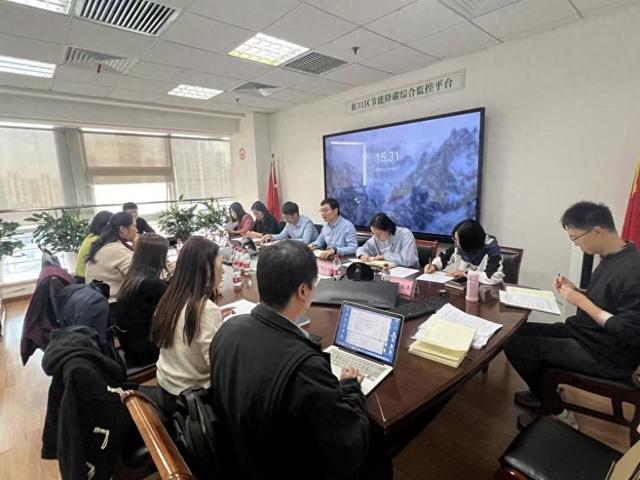
Core Viewpoint - The article highlights Shanghai Hongkou District's commitment to transforming the "green and low-carbon" initiative from a slogan into practice, aiming to become a hub for green and low-carbon services by 2024, with significant industrial growth and collaboration among various sectors [1]. Group 1: Industrial Development and Growth - Hongkou District has added over 50 new registered enterprises and gathered more than 1,000 related companies and institutions, achieving an industrial scale of nearly 800 billion yuan, an increase of approximately 20 billion yuan from 2023 [1]. - A specialized action group has been established, consisting of various district departments, to support the green and low-carbon service initiatives, leading to the formulation of action plans, policies, and funding to accelerate the development of new industrial momentum [3][5]. - From January to November 2025, Hongkou attracted 357 projects with a registered capital of about 4.87 billion yuan, with 215 high-quality projects making up around 60% of the total [3]. Group 2: Policy and Financial Support - Hongkou District has revised and enhanced its green and low-carbon service policies, providing financial support for pilot projects and encouraging innovation, with approximately 20 million yuan allocated to over 80 enterprises and community committees [5]. - The district has introduced the first carbon finance industry policy in the city, successfully implementing the first loan interest subsidy for enterprises undergoing "green transformation" [5]. Group 3: Standards and Technological Development - The district's market regulation bureau has introduced policies rewarding enterprises that lead or participate in standard formulation with up to 1 million yuan, promoting high-quality industrial development [7]. - In 2024, Hongkou is expected to contribute two-thirds of the city's "dual carbon" project standards, with 14 green and low-carbon related group standards set to be published in 2025 [7]. Group 4: Innovative Applications and Demonstration Projects - Hongkou has successfully implemented a rooftop photovoltaic project at Shanghai Integrated Traditional Chinese and Western Medicine Hospital, achieving a capacity of 122.385 kWp and an annual power generation of 125,000 kWh, reducing greenhouse gas emissions by approximately 98 tons [10][12]. - The district has introduced various innovative scenarios, such as the first interactive vehicle-grid charging demonstration community and a virtual power plant aggregating 125 users, achieving a response capacity of over 8,000 kW by August 2025 [13]. Group 5: Collaborative Platforms and Community Engagement - Hongkou is fostering a collaborative environment through high-end forums, innovation and entrepreneurship competitions, and public education activities, creating a platform for industry development and community participation [13].
上海虹口打造绿色低碳千亿级产业集群
Jie Fang Ri Bao· 2025-09-22 10:12
Core Insights - The article highlights the innovative public seating initiative in the North Bund area, which utilizes recycled materials to address local seating shortages while promoting environmental sustainability [1] - The Hongkou District is developing a green low-carbon service industry cluster, aiming for a scale of 100 billion yuan, with a dedicated 100 million yuan fund starting in 2024 [1][9] - Over 800 green low-carbon enterprises have been established in Hongkou, contributing to two-thirds of the city's dual-carbon project standards [1] Group 1: Industry Development - The Hongkou District is implementing a statistical system to monitor the development of the green low-carbon industry, collaborating with the Municipal Energy Efficiency Center to create a list of green low-carbon enterprises [3] - The district has identified five major industry categories: carbon services, green shipping, green finance, green trade, and green technology [3] - The Shanghai Environmental Exchange and other functional platforms are enhancing the capabilities of the green low-carbon service industry [3] Group 2: Technological Innovation - The Shanghai Environmental Exchange has developed the "Green Methanol Evaluation Method" standard in collaboration with 26 leading enterprises, positioning green methanol as a key fuel for international shipping's green transition [4] - The Hongkou District is focusing on technological empowerment and regulatory reform to promote the green and digital transformation of shipping in the North Bund area [4] Group 3: Business Ecosystem - The North Bund Green Low-Carbon Service Industry Alliance, formed in 2024, includes 60 enterprises and is experiencing a "magnetic effect" in attracting businesses [7] - The Tongji Technology Park in Hongkou is projected to generate approximately 700 million yuan in output value in 2024, with green low-carbon enterprises contributing around 460 million yuan [7] - Blue Crystal Microbiology has achieved industrial-scale production of T6P, significantly reducing production costs and enhancing crop yields by over 10% [7] Group 4: Application and Community Engagement - The Shanghai Garden Square is developing into a zero-carbon smart space, featuring V2G (Vehicle-to-Grid) technology to allow electric vehicle owners to earn from energy contributions [8] - The district is integrating low-carbon concepts into community projects, including schools, to promote visible and tangible low-carbon initiatives [8] - The Shanghai Carbon Secret Museum has attracted over 160,000 visitors in less than a year, promoting the "carbon-inclusive" concept among residents [8] Group 5: Policy and Future Outlook - Hongkou District has introduced the first district-level carbon finance policy in Shanghai, facilitating green credit and transition loan subsidies [9] - The North Bund area aims for a carbon reduction rate of over 25% by 2027, aspiring to become a national model for green low-carbon development [9] - The district plans to leverage its green low-carbon task force and various market and policy advantages to stimulate demand for carbon-related services [9]
虹口打造绿色低碳千亿级产业集群 加快各类首创首发、试点示范和应用场景项目建设 力争形成多方共赢产业生态
Jie Fang Ri Bao· 2025-09-22 01:47
Group 1 - The new public seating in the North Bund area is made from recycled materials, addressing the issue of limited seating for residents while promoting environmental sustainability [1] - The Hongkou District is developing a green low-carbon service industry cluster with a target scale of 100 billion yuan, supported by a special fund of 100 million yuan starting in 2024 [1][9] - Over 800 green low-carbon related enterprises have been gathered in Hongkou District, contributing to two-thirds of the city's "dual carbon" project standards [1] Group 2 - Hongkou District is establishing a statistical system to monitor the development of the green low-carbon industry, collaborating with the Municipal Energy Efficiency Center [3] - A green low-carbon service industry alliance has been formed in North Bund, attracting quality enterprises and enhancing industrial chain effects [7] - The Shanghai Circular Economy and Waste Material Transformation Company is focusing on waste material conversion technology, aligning with the goals of sustainable development in North Bund [5][6] Group 3 - The green methanol initiative is part of the international shipping green transition, with a target to achieve a capacity of one million tons by 2030 [4] - The North Bund area is promoting the green and intelligent transformation of shipping, leveraging technological advancements [4] Group 4 - The Shanghai Carbon Secret Museum has attracted over 160,000 visitors in just over nine months, promoting the concept of carbon inclusivity among citizens [8] - The district is implementing low-carbon projects in schools and residential areas, integrating clean energy with urban greening [8] Group 5 - Hongkou District has released the first district-level carbon finance policy in Shanghai, promoting green credit and transition loan interest subsidies [9] - The North Bund area aims for a carbon reduction rate of over 25% by 2027, positioning itself as a national green low-carbon demonstration benchmark [9]