
碳足迹

Search documents
从一篇基金经理爆文到一位30年资深能源分析师的对话,理解原油中长期投资脉络……
聪明投资者· 2026-03-03 07:03
Core Viewpoint - The article emphasizes that while geopolitical conflicts like the US-Iran tensions may trigger short-term oil price fluctuations, the fundamental reasons for oil price changes are rooted in deeper, long-standing issues related to supply constraints and industry dynamics [3]. Group 1: Oil Price Trends - The supply elasticity of crude oil is weakening, which will reshape the medium to long-term oil price trajectory [3]. - Analysts predict that oil prices are likely to be higher in the next two to four years due to various supply-side factors [11][19]. - Current oil prices are below marginal costs, which will eventually impact supply and demand dynamics [10][11]. Group 2: Structural Changes in the Oil Industry - The article discusses the structural changes in the oil and gas industry, highlighting Berkshire Hathaway's significant investment in Occidental Petroleum, which reflects a shift in capital discipline within the sector [4][5]. - The long-term viability of oil companies is increasingly tied to their resource longevity and management efficiency, with companies possessing long-life resources expected to outperform [40][42]. Group 3: Geopolitical Impact on Oil Supply - Geopolitical events, such as conflicts in the Middle East, can have substantial impacts on oil supply, particularly if they lead to significant production disruptions [34]. - The market has become more resilient to short-term geopolitical shocks, often leading to price corrections shortly after initial reactions [33]. Group 4: Investment Opportunities - Companies with long resource lifespans, such as Canadian Natural Resources, are positioned favorably in the current market environment [46][42]. - The article suggests that the focus for investors should be on companies that can maintain production with lower capital expenditures due to their resource profiles [50][40]. Group 5: Energy Market Dynamics - The article highlights the importance of both traditional and alternative energy sources, noting that while renewables are crucial, fossil fuels will continue to play a significant role in meeting global energy demands [60]. - The U.S. is technically self-sufficient in energy production, but the refining infrastructure still relies on a mix of domestic and imported crude oil [56].



一盏花灯的“减碳”之路
Xin Lang Cai Jing· 2026-02-27 20:32
Group 1 - The "Cyber Pegasus" lantern has received the industry's first "green ID" through carbon footprint certification by SGS, marking a significant achievement in low-carbon initiatives [1] - The first Shang Qinhuai Lantern Festival, held on February 10, features dozens of "green low-carbon" lanterns, including the "Cyber Pegasus" [1] - The carbon footprint of the "Cyber Pegasus" lantern is calculated to be 8,451.71 kg, with 8,105.08 kg from raw materials and 346.63 kg from the manufacturing process [2] Group 2 - The initiative to reduce carbon emissions involved a comprehensive low-carbon assessment process, where manufacturers were required to fill out detailed forms regarding their production processes [2] - Innovations in production techniques have led to a reduction of carbon emissions by 660.38 kg per lantern, equivalent to the energy needed to charge a mobile phone for 10 years [2] - The festival aims to explore low-carbon alternative materials and establish carbon footprint standards for suppliers, with the goal of continuously reducing the carbon footprint throughout the lantern's lifecycle [3] Group 3 - The Shang Qinhuai Lantern Festival serves as a model for rethinking and reconstructing the traditional lantern industry with a focus on sustainability [3] - Surrounding the festival, there are various zero-carbon initiatives, including wind power generation, photovoltaic trees, and zero-carbon parks and hotels, contributing to the development of a "dual carbon" service industry cluster [3]
数碳融合,有“迹”可循
Xin Lang Cai Jing· 2026-02-01 21:21
Core Viewpoint - The establishment of the Carbon Footprint Professional Committee by the China Environmental Science Society aims to enhance carbon management and support the green transformation of industries in Jiangsu province, particularly in Nanjing's Xuanwu District, which is positioning itself as a hub for green low-carbon services [1][4]. Group 1: Carbon Footprint Committee and Strategic Collaborations - The Carbon Footprint Professional Committee was officially established in Xuanwu District, with the first leadership team elected and strategic cooperation agreements signed with China Energy Conservation and Environmental Protection Group and the China-Shanghai Cooperation Organization Green Industry Development Cooperation Zone [1]. - The committee will coordinate research, standards, and applications related to carbon footprint management, serving as a neutral platform to support national carbon footprint management systems [4]. Group 2: Green Development Initiatives - Xuanwu District has been recognized for its ecological quality, ranking second in Jiangsu province, with a green coverage rate of 63.4%, and has been designated as a national ecological civilization demonstration zone [3]. - The Jiangsu Product Carbon Footprint Public Service Platform is a key project in the green low-carbon service industry cluster, helping over 60 local enterprises achieve product carbon footprint certification [3]. Group 3: Integration of Digital and Carbon Management - The integration of digital technology and carbon management is a distinctive feature of Xuanwu's green transformation, with initiatives like the Jiangsu International Data Port facilitating high-quality data services for enterprises [8]. - The establishment of the Battery Product Digital Passport (B-DPP) project aims to enhance the competitiveness of the battery industry through improved data management and international collaboration [9][10]. Group 4: Future Development Plans - The "14th Five-Year Plan" emphasizes the establishment of a comprehensive green low-carbon standard system and the alignment with international standards, leveraging the Carbon Footprint Committee's establishment to accelerate the development of a digital ecological civilization demonstration area [10]. - Xuanwu aims to create a full-chain service ecosystem covering carbon management, certification, trading, financial services, and training, positioning green development as a core competitive advantage [10].
中国环境科学学会碳足迹专委会在南京玄武区成立
Yang Zi Wan Bao Wang· 2026-02-01 11:42
Core Viewpoint - The establishment of the Carbon Footprint Professional Committee by the Chinese Society for Environmental Sciences marks a significant step towards promoting green and low-carbon development in Jiangsu, particularly in the Xuanwu District of Nanjing, which aims to become a hub for green low-carbon services and innovation [4][10]. Group 1: Carbon Management and Services - Jiangsu, as a major manufacturing province, is focusing on green low-carbon circular development as a necessity for industrial transformation and a strategic choice for national policy implementation [1]. - Xuanwu District is developing a comprehensive service system around carbon management, certification, trading, finance, and training, aiming to support energy-saving initiatives in manufacturing [1][10]. - The Carbon Footprint Professional Committee will coordinate research, standards, and applications to support the national carbon footprint management system [4]. Group 2: Innovation and Industry Practices - Xuanwu is integrating green low-carbon initiatives into its urban transformation, focusing on technological breakthroughs and industry integration to build the International Digital Carbon Valley (GDC) [4][6]. - The district has hosted events that offset carbon emissions through voluntary carbon reduction projects, demonstrating a commitment to ESG principles [6]. - Notable projects include the purchase of 2,000 tons of marine carbon credits and the selection of the Jiahui Building renovation as a model for green low-carbon initiatives in Jiangsu [6]. Group 3: Attracting High-Quality Resources - Xuanwu is attracting leading enterprises and high-level platforms, such as the China Energy Conservation Data Company and the British Standards Institution, to enhance its green low-carbon industry ecosystem [7]. - The establishment of the National Battery Product Digital Passport project aims to improve the competitiveness of the battery industry through digital management and data sharing [9]. Group 4: Future Development Goals - The district plans to leverage the establishment of the Carbon Footprint Professional Committee to accelerate the development of the International Digital Carbon Valley, enhancing public service platforms for carbon footprint, green finance, and carbon trading [10]. - Xuanwu aims to create a comprehensive ecosystem for carbon management and training, positioning itself as a leader in digital ecological civilization [10].
“新塍大米”碳标签发布
Xin Lang Cai Jing· 2026-02-01 00:45
Core Viewpoint - The event "Carbon Seeking Future Green Movement in Xiuzhou" focuses on the release of the carbon footprint results for "Xinchang Rice," promoting low-carbon agricultural development in the region through carbon footprint management [1] Group 1: Carbon Footprint Management - The carbon footprint is an important indicator of a product's green and low-carbon level, reflecting total carbon emissions throughout the product's lifecycle from raw material processing to sales [1] - Promoting carbon footprint management is crucial for achieving agricultural emission reductions and facilitating low-carbon transformation in the industry [1] Group 2: Carbon Label and Financial Support - The carbon label for "Xinchang Rice" indicates that each kilogram has a carbon emission of 1.796 kilograms, with a dedicated carbon identifier created based on this result [1] - Hecheng Rural Commercial Bank has provided 200 million yuan in credit to the brand's planting enterprises and farmers, aimed at expanding the planting area by 5,000 acres this year and enhancing production capacity and brand development [1] Group 3: Strategic Cooperation - A Green Finance Strategic Cooperation Agreement was signed among the Xiuzhou District Ecological Environment Bureau, Xiuzhou District Supply and Marketing Cooperative, and Hecheng Rural Commercial Bank [1] - The cooperation will focus on promoting carbon footprint certification and green credit investment, aiming to build a sustainable green development ecosystem in the region [1]
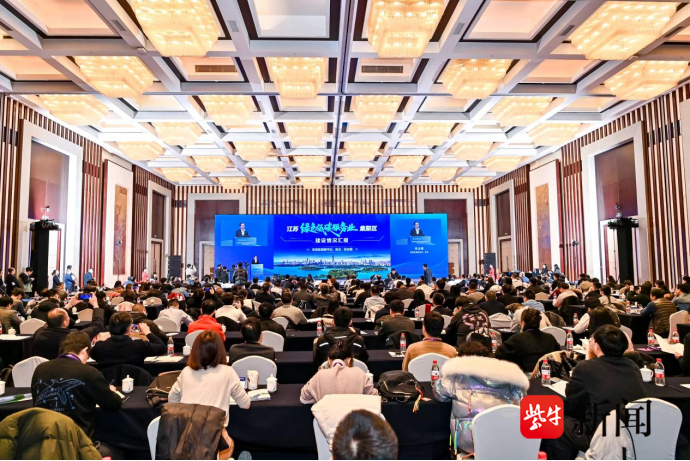
生态赋能,数碳领航,全国碳足迹领域重磅会议将在南京玄武启幕
Yang Zi Wan Bao Wang· 2026-01-30 14:44
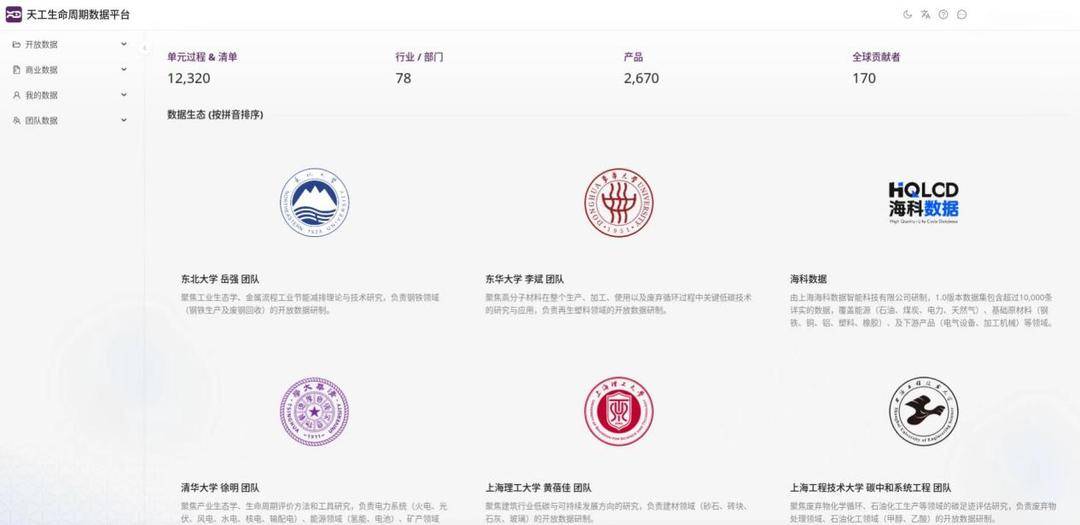
Core Viewpoint - The establishment of the Carbon Footprint Professional Committee by the Chinese Society for Environmental Sciences marks a significant step in promoting green and low-carbon industry development in the Xuanwu District, Nanjing, serving as a platform for national resource integration and showcasing green development capabilities [1][6]. Group 1: Event Overview - The inaugural academic meeting of the Carbon Footprint Professional Committee will take place from January 31 to February 1 in Xuanwu District, Nanjing [1]. - The conference aims to gather top experts, well-known enterprises, and industry representatives in the carbon footprint field to establish unified carbon footprint accounting standards and promote international alignment of carbon standards [6]. Group 2: Regional Development - Xuanwu District has been recognized as a national ecological civilization construction demonstration zone and is building the only green low-carbon service industry cluster in Jiangsu [2]. - The district has achieved an ecological quality index of 67.8, ranking second in the province, with a green coverage rate of 63.4%, leading Nanjing [1][2]. Group 3: Industry Initiatives - The district has developed a robust service system centered around carbon management, certification, trading, finance, and training, leveraging the Jiangsu International Carbon Valley as a core platform [2]. - The "Tian Gong Database," a domestic authoritative LCA carbon footprint factor database, has been established and is actively promoting recognition with international carbon factor databases [2]. Group 4: Technological Advancements - The "Zero Carbon Cloud" platform by China Energy Conservation Data has covered 4,000 enterprises, with its results included in the first batch of high-quality data sets by the State-owned Assets Supervision and Administration Commission [3]. - A digital passport for battery products has been successfully launched, providing technical support for enterprises aiming for "green export" [4]. Group 5: Future Prospects - The conference is expected to enhance collaboration with the national carbon footprint sector, upgrade the functions of the Beijing Green Exchange (Nanjing) green public service center, and improve the full-chain service system from carbon management to trading [6]. - Xuanwu District aims to contribute to the national "dual carbon" strategy by fostering discussions on the future of the carbon footprint industry and developing a green low-carbon blueprint [6].
碳专家交流
2026-01-29 02:43
Summary of Key Points from the Conference Call Industry Overview - The focus is on the transition from energy consumption dual control to carbon dual control in China, with carbon emission intensity becoming a binding indicator and total emissions as a recommended indicator, benefiting green electricity and clean energy applications [2][3] Core Insights and Arguments - Local governments will implement carbon assessments through various means, including encouraging or mandating companies to purchase renewable energy, formulating local carbon reduction policies, and setting industry carbon emission standards [2][7] - The national carbon market currently focuses on the power industry, with plans to gradually include non-electric industries. The carbon intensity reduction rate in the power sector is expected to increase, with free quotas transitioning to paid allocations by 2027 [2][10] - The carbon market's price is expected to remain relatively stable in 2026 and 2027, provided there are no new transfer restrictions [2][14] - Industries such as paper and flat glass may be included in the carbon market in the next phase, followed by basic chemicals, coal chemicals, refining, and copper smelting [2][17] - The transition to a carbon-centric assessment system means that new projects will focus on carbon emissions rather than energy consumption metrics, favoring the use of renewable energy [5][10] Important but Overlooked Content - The construction of zero-carbon parks aims to demonstrate low-emission areas, with specific requirements for carbon intensity and renewable energy usage [21][22] - The economic viability of zero-carbon parks depends on the availability of renewable energy resources and the cost of direct green electricity connections [23] - The EU carbon tariff significantly impacts China's steel and aluminum exports, with potential expansion to other industries [29][31] - The gradual tightening of the EU's free quota policy will increase carbon costs, leading to a rise in carbon prices in the coming years [31] - The potential for future adjustments to the default values used for measuring carbon emissions from Chinese exports to the EU, which are currently considered unreasonably high [30] This summary encapsulates the critical aspects of the conference call, highlighting the industry's transition towards carbon control, the implications for various sectors, and the potential impacts of international policies.
碳关税时代下,国内动力电池碳足迹开启申报,27年常态化
高工锂电· 2026-01-22 12:31
Core Viewpoint - The urgency for battery companies arises from the impending "carbon tariff" era starting in 2026, necessitating carbon footprint certification for key export products, including lithium batteries [2][3]. Group 1: Carbon Footprint Certification Development - China has established a product carbon footprint certification pilot network across 25 provinces, marking a significant step in the carbon footprint standardization process, particularly for the lithium battery industry [3]. - The transition from "external" to "internal" carbon footprint certification reflects a shift towards mandatory low-carbon practices and certification needs within the industry [3][4]. - The Ministry of Industry and Information Technology (MIIT) will release a carbon footprint accounting system for lithium batteries in June 2024, with mandatory reporting for battery products exceeding 2 kWh by the end of 2025 [4]. Group 2: Mandatory and Essential Aspects of Carbon Footprint Reporting - The MIIT mandates that by the end of 2026, battery pack manufacturers must complete carbon footprint reporting for at least five typical products across all chemical systems, with regular reporting starting in 2027 [5]. - Carbon tariffs have become a critical factor in international trade, with major markets like the EU, US, and Japan requiring carbon footprint assessments for battery exports, making compliance a necessary threshold for domestic companies [6]. Group 3: Data Collection for Carbon Footprint Assessment - Companies must gather data covering the entire lifecycle of the product, including material acquisition, manufacturing, distribution, and recycling, to calculate the carbon emissions associated with battery production [7]. - Two key data types are required: "activity data" from the four lifecycle stages and "background data" on carbon emissions from energy sources and materials used [7]. Group 4: Market Implications and Future Directions - The certification process emphasizes the need for battery companies to evaluate and potentially shift towards lower carbon-emitting chemical systems, as the market dynamics may change based on carbon emissions [10]. - Sodium-ion batteries present a promising low-carbon alternative, as their materials can be sourced from by-products of the chemical industry, significantly reducing emissions from raw material extraction [11]. - The timeline for establishing comprehensive carbon management capabilities across all product lines is tight, with a one-year window before the 2027 regular reporting begins [11].

四中全会精神在基层丨安徽:从一张碳足迹清单前瞻低碳生活新图景
Xin Hua Wang· 2026-01-22 08:10
Core Viewpoint - The article discusses the implementation of carbon footprint labeling certification in Anhui Province, highlighting its significance in promoting low-carbon lifestyles and supporting the green transformation of the economy [1][2]. Group 1: Carbon Footprint Certification - 中创新航科技 (Zhongchuang Xinhang Technology) has obtained a carbon footprint certification for its lithium-ion battery cells, quantifying the carbon emissions at 51.575 kg CO2 equivalent for a battery with a capacity of 169 Ah [1]. - The certification process involves assessing the entire lifecycle of the product, including emissions from upstream suppliers, thus integrating carbon reduction into the supply chain [2]. - Since October of the previous year, approximately 10 companies in the lithium battery and photovoltaic sectors have been guided to apply for carbon footprint certification [2]. Group 2: Government Initiatives and Standards - The 20th National Congress of the Communist Party of China emphasizes the need for a comprehensive green transformation and the establishment of a carbon emission accounting system [1]. - Local standards for carbon footprint are being developed to guide enterprises in carbon reduction and provide a basis for certification agencies [3]. - The introduction of local electricity carbon footprint factors is expected to enhance the competitiveness of products with lower carbon emissions [3]. Group 3: Industry Impact and Future Plans - Accurate carbon emission accounting allows companies to identify high-energy consumption areas and explore reduction opportunities, meeting the green procurement demands of downstream customers [5]. - The carbon footprint labeling certification is anticipated to expand in product coverage and application areas, driving a shift towards greener production and lifestyle practices [5].
锚定绿色转型!青岛等四市试点碳足迹管理
Qi Lu Wan Bao· 2026-01-15 09:55
Group 1 - The core idea of the news is the introduction of a "carbon footprint" labeling system in Shandong Province, allowing consumers to easily identify the carbon emissions associated with products throughout their lifecycle [1][2] - The carbon footprint is defined as the total greenhouse gas emissions, expressed in carbon dioxide equivalents, resulting from specific entities or products over a certain period [1] - The implementation of the "Action Plan" aims to promote low-carbon lifestyles, provide clear environmental purchasing references for consumers, and enhance the international competitiveness of Shandong products in the green market [2][3] Group 2 - The "Action Plan" outlines a phased approach to establish a carbon footprint management system, with initial pilot projects by 2027 and a more comprehensive policy framework by 2030 [2] - Different cities in Shandong will adopt tailored strategies for carbon footprint management, such as Qingdao focusing on green finance and international trade, while Yantai will concentrate on key export industries [3] - The plan encourages other cities to explore innovative approaches based on their unique industrial structures and development conditions [3]