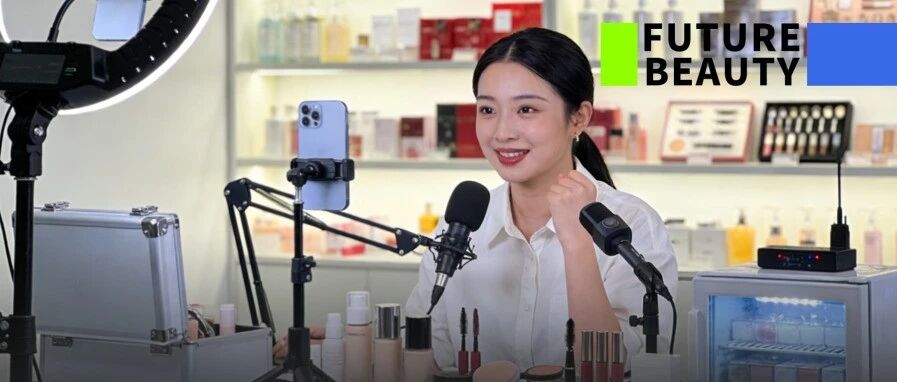
美妆直播电商

Search documents
美妆直播带货告别“野蛮生长”
Sou Hu Cai Jing· 2026-02-02 04:46
Core Viewpoint - The introduction of the "Platform Supervision Measures" and "Live E-commerce Supervision Measures" marks a significant regulatory shift for the beauty industry, transitioning from a growth model reliant on traffic to a more responsible and regulated framework [5][6][20]. Regulatory Framework - The new regulations will take effect on February 1, 2026, providing a systematic regulatory framework aimed at addressing issues such as false advertising, product safety, and after-sales service in the live e-commerce sector [5][6]. - The "Live E-commerce Measures" consists of seven chapters and sixty-nine articles, while the "Platform Supervision Measures" includes eight chapters and forty-seven articles, establishing clear responsibilities for platforms, operators, and influencers [6][9]. Key Highlights of the New Regulations - **Clarification of Responsibilities**: The regulations systematically define the responsibilities of platform operators, live stream operators, influencers, and service agencies, creating a comprehensive accountability framework [7]. - **Combatting False Advertising**: The regulations prohibit false claims regarding cosmetic products' performance and require substantial scientific evidence to support any claims made during live streams [7][20]. - **Price Promotion Standards**: The regulations mandate clear and truthful display of product prices and prohibit discriminatory pricing practices, ensuring consumer rights are protected [7][28]. - **Regulation of AI and Virtual Marketing**: The use of AI-generated content must be clearly marked, and deceptive practices such as AI face-swapping are prohibited to maintain authenticity in marketing [7][20]. Industry Impact - The beauty industry is expected to transition into a more mature phase by 2025, with the market size projected to exceed 7 trillion yuan, accounting for over 35% of online retail sales [5][6]. - The new regulations are anticipated to challenge the previous growth model that relied heavily on traffic and unregulated practices, pushing the industry towards a focus on product quality and consumer trust [20][31]. Challenges and Opportunities - The regulations aim to address significant issues within the beauty live-streaming sector, including misleading efficacy claims and lack of product traceability, which have eroded consumer trust [21][22]. - The shift towards compliance will increase operational costs and raise entry barriers, particularly affecting smaller brands and individual influencers who may struggle with the new requirements [30][31]. - The emphasis on scientific evidence and compliance in marketing will reshape the role of beauty influencers from mere salespeople to trusted product advisors [31][33]. Conclusion - The implementation of these regulations signifies a critical turning point for the beauty live-streaming industry, emphasizing the need for compliance, transparency, and accountability, which will ultimately foster a healthier market environment [20][33].

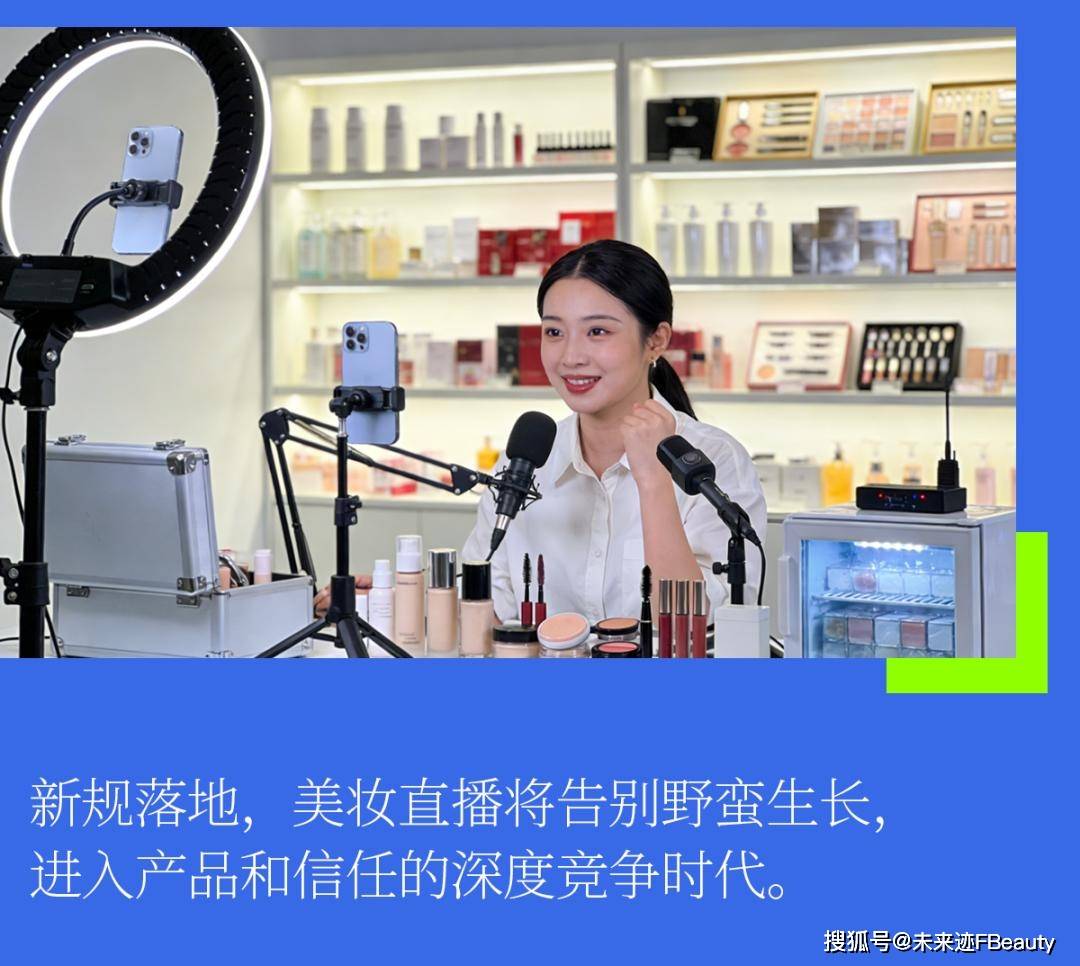
美妆直播带货告别“野蛮生长”
FBeauty未来迹· 2026-01-30 14:52
Core Viewpoint - Compliance is not the end but the starting point for healthy growth in the e-commerce industry, particularly in live streaming and beauty sectors, as new regulations are set to take effect on February 1, 2026 [3][5]. Summary by Sections Regulatory Framework - The newly released "Live E-commerce Management Measures" and "Platform Supervision Management Measures" provide a systematic regulatory framework aimed at addressing issues such as false advertising, quality safety, and after-sales service in the beauty industry [5][6]. - The regulations signify a shift from a growth model reliant on traffic to one that emphasizes responsibility and compliance, marking the beginning of a new phase in the industry [6][9]. Key Highlights of the New Regulations - The regulations clarify the responsibilities of various stakeholders, including platform operators, live streamers, and service agencies, establishing a comprehensive regulatory system covering pre, during, and post-transaction phases [7][8]. - Key highlights include: - **Clarification of Responsibilities**: The regulations systematically define the legal responsibilities of platform operators, live stream operators, and marketing personnel [8]. - **Combatting False Advertising**: Prohibits false claims regarding cosmetic products and requires scientific evidence for efficacy claims [8]. - **Price Promotion Standards**: Mandates clear and truthful display of product prices and prohibits discriminatory pricing practices [8]. - **Regulation of AI and Virtual Marketing**: Requires clear identification of AI-generated content to prevent misleading representations [8]. Industry Impact - The new regulations are expected to transform the competitive landscape of the beauty live streaming industry from a focus on traffic and promotional tactics to one centered on product quality and consumer trust [15][29]. - The regulations impose stricter compliance requirements, which may increase operational costs and reshape market entry barriers, particularly affecting smaller brands and individual streamers [29][30]. Systemic Issues Addressed - The regulations target four main issues prevalent in the beauty live streaming sector, including misleading efficacy claims, lack of product traceability, misuse of trust mechanisms, and opaque pricing practices [17][18][19][25]. - Specific provisions require live stream operators to verify product qualifications and maintain records, thereby enhancing accountability within the supply chain [12][19]. Future Directions - The industry is anticipated to evolve towards a model that prioritizes genuine product development, compliance systems, and in-depth brand content, as companies adapt to the new regulatory environment [32]. - The integration of AI technology is expected to play a crucial role in ensuring compliance and managing the complexities of real-time content output [32].