
肿瘤医疗

Search documents
美中嘉和以“医疗+AI”双擎驱动,打响全球化战略关键一枪,共筑有温度的医疗生态
Zhong Jin Zai Xian· 2026-02-14 09:20
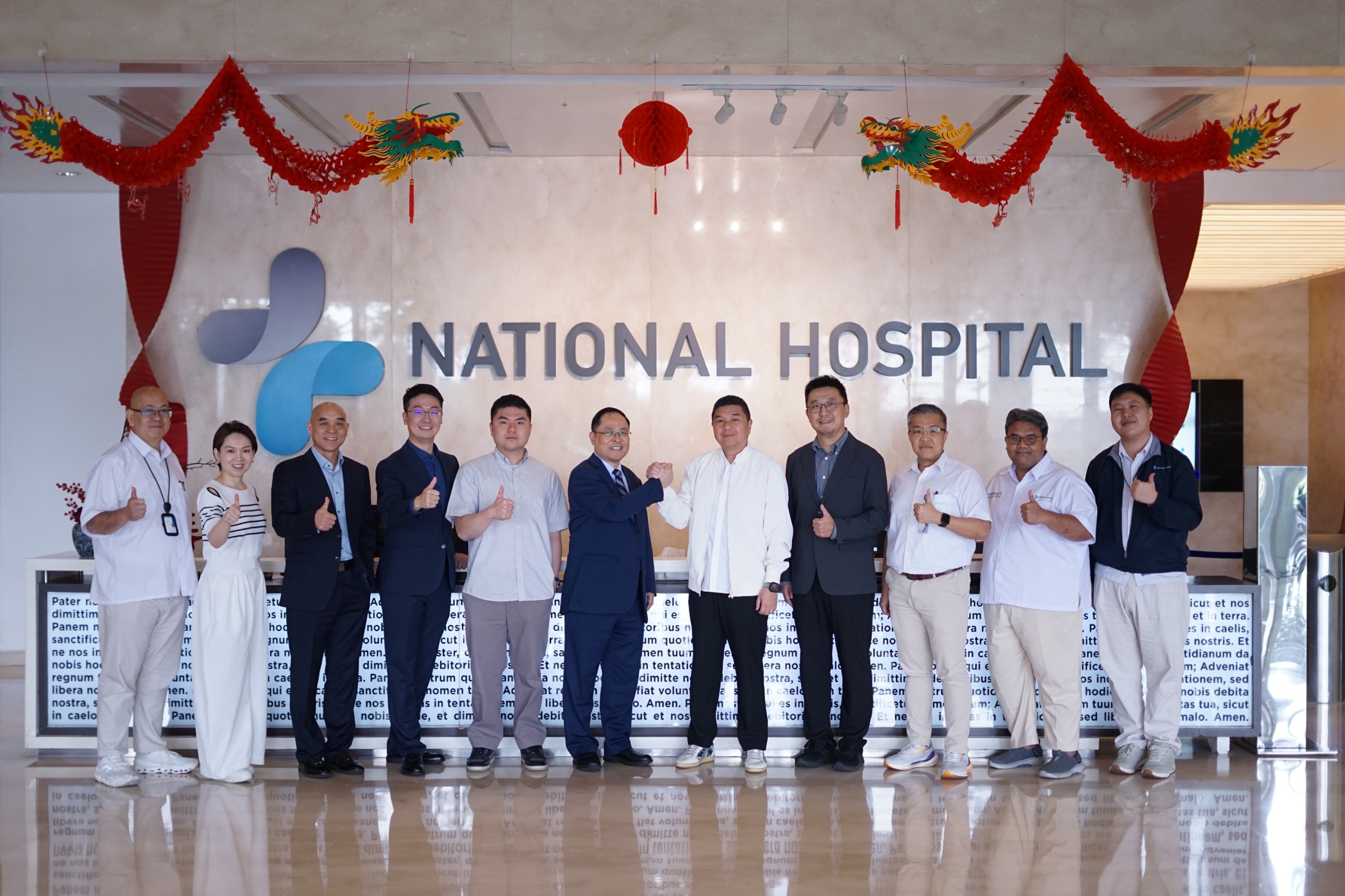
Core Insights - The collaboration between Meizhong Jiahe Group and National Hospital in Indonesia marks a significant milestone in the company's internationalization strategy, focusing on building a comprehensive oncology service center [1] - This partnership aims to address the severe imbalance of high-end medical resources in Southeast Asia, particularly in oncology, by introducing international standards of medical services [3] Group 1: Systematic Solutions - Meizhong Jiahe offers a comprehensive solution that includes advanced technologies such as proton therapy and precision radiotherapy, along with a full chain of support from personalized treatment plans to clinical quality control [4] - The introduction of AI-assisted diagnostic systems will enhance local doctors' efficiency and accuracy, facilitating cross-border medical collaboration through remote consultations and multidisciplinary discussions [4] Group 2: Comprehensive Medical Ecosystem - The collaboration aims to create a "precision and warmth" medical service ecosystem that transitions from a disease-centered approach to a health-centered one, establishing a modern oncology treatment center that integrates diagnosis, treatment, and rehabilitation [6][7] - The initiative includes training local medical professionals through a "sister hospital" model, ensuring sustainable development of international standards in local healthcare [6] Group 3: Global Expansion Strategy - Southeast Asia, with a population of 680 million, presents a significant opportunity for Meizhong Jiahe's global strategy, with the partnership in Indonesia serving as a critical starting point for expanding advanced medical technologies and AI systems across the region [8] - The company's global strategy will unfold in three phases: solidifying regional bases, building a core ecosystem of medical technology and AI, and achieving value co-creation for long-term growth [8] Group 4: Commitment to Patient-Centric Care - The company emphasizes a patient-centered approach, aiming to provide high-quality, precise, and compassionate oncology treatment services locally, thereby reducing the need for patients to seek care abroad [9]

美中嘉和(02453.HK)以“医疗+AI”双擎驱动,打响全球化战略关键一枪,共筑有温度的医疗生态
Sou Hu Cai Jing· 2026-02-12 13:19
Core Insights - The signing of a memorandum of cooperation between Meizhong Jiahe Group and National Hospital in Indonesia marks a significant milestone in the company's internationalization strategy, focusing on building a comprehensive oncology service center [1] - This collaboration aims to address the shortage of oncology medical resources in Southeast Asia by introducing international standard medical services [1][3] Group 1: Strategic Collaboration - The partnership targets the critical healthcare challenge posed by cancer in Southeast Asia, where high-end medical resources are scarce [3] - Meizhong Jiahe offers a comprehensive solution that includes advanced technologies and a full-chain empowerment system for oncology treatment [3][5] - The collaboration will leverage AI technology to enhance local medical capabilities and facilitate cross-border medical cooperation [4][5] Group 2: Ecosystem Development - The initiative aims to create a "precision and warmth" healthcare service ecosystem centered around the oncology treatment center [5] - The project will establish a modern oncology treatment center that integrates diagnosis, treatment, and rehabilitation, serving as a regional benchmark for healthcare [6] - A "sister hospital" model will be implemented to train local medical professionals, ensuring sustainable development of international standards in Indonesia [6] Group 3: Market Expansion - Southeast Asia, with a population of 680 million, presents a significant growth opportunity for oncology medical services due to increasing health awareness and aging demographics [8] - The collaboration is seen as a critical step in Meizhong Jiahe's global strategy, with plans to replicate the successful model in other Southeast Asian countries [9] - The company aims to build a sustainable medical ecosystem that combines medical technology, AI, and cross-border referrals to enhance long-term profitability and reduce operational risks [9]
有没有理想的肿瘤治疗方案?
21世纪经济报道· 2026-02-12 10:32
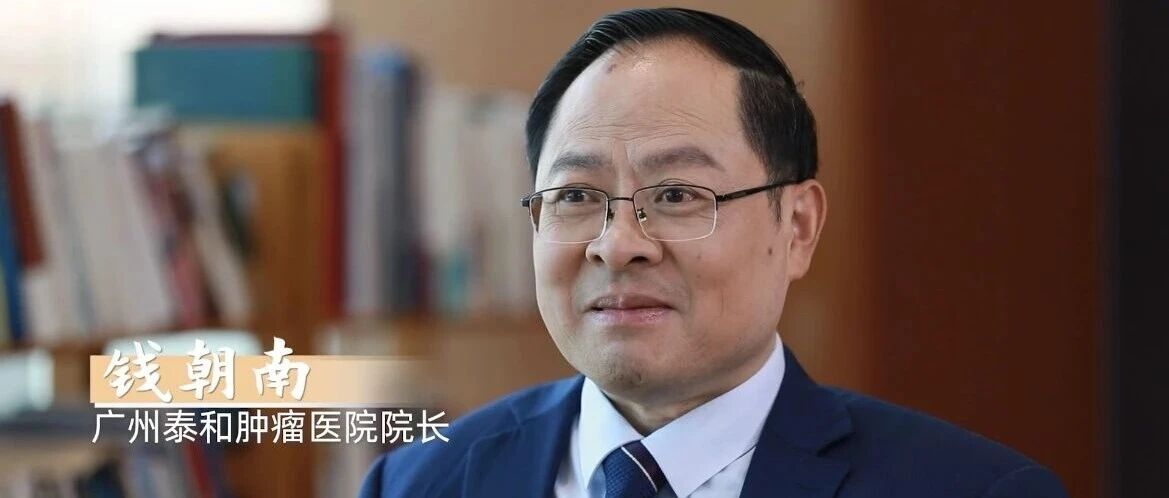
Core Viewpoint - The article emphasizes the evolution of cancer treatment from merely achieving a five-year survival rate to ensuring quality long-term survival, focusing on both curing the disease and preserving the patient's quality of life [2]. Group 1: Information Asymmetry in Cancer Treatment - Cancer patients often face significant information asymmetry, complicating their treatment choices [3]. - The Guangzhou Taihe Cancer Hospital employs a multidisciplinary team (MDT) approach, requiring at least five specialties to discuss treatment options for each patient, ensuring comprehensive care [3][4]. - The hospital prioritizes the use of original research drugs, with over half of its medications being such, to enhance treatment effectiveness [3]. Group 2: Treatment Process and Quality - The hospital's meticulous approach to pathology analysis, such as creating multiple wax blocks from lymph nodes, aims to avoid missing small metastatic lesions, thereby improving treatment outcomes [5]. - Collaboration with renowned institutions like MD Anderson Cancer Center and Mayo Clinic enhances the hospital's treatment protocols and allows for international expert consultations for complex cases [6]. Group 3: Long-term Quality of Life Considerations - The focus on long-term quality of life is increasingly important, as many cancers are now manageable, making the preservation of organ function and minimizing treatment side effects critical [7][8]. - Proton therapy is highlighted as a method that targets tumors while protecting vital organs, addressing the long-term health risks associated with traditional treatments [8]. Group 4: Accessibility of Advanced Treatments - The high costs and complexity of implementing advanced treatments like proton therapy have historically limited patient access [9]. - Innovative payment solutions, such as the "Sui Xin Bao" health insurance in Guangzhou, are being developed to cover the costs of proton therapy, significantly improving accessibility for patients [9].
中国内科肿瘤学奠基人孙燕去世,肿瘤界纷纷撰文纪念
经济观察报· 2026-01-26 08:03
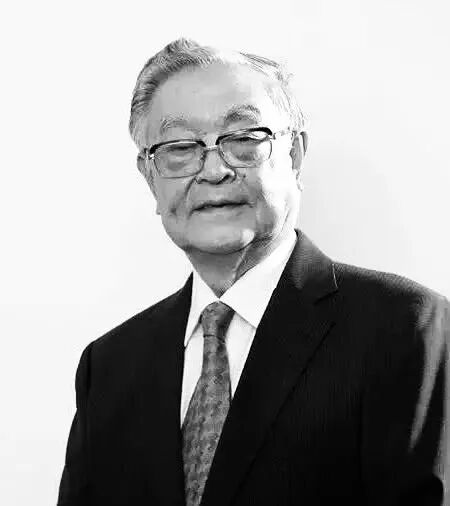
Core Viewpoint - Sun Yan, a pioneer in China's oncology field, passed away at the age of 97, leaving a significant legacy in cancer treatment and research [2]. Group 1: Contributions to Oncology - Sun Yan was a founding figure in the development of oncology in China, advocating for a comprehensive treatment approach and leading the establishment of the discipline from scratch [2]. - He initiated nearly 80 clinical trials and trained over a thousand oncology professionals, significantly contributing to the growth of the field [2]. - Sun Yan was involved in the development of over 30 new drugs, including the first small-molecule targeted anti-cancer drug in China, demonstrating his impact on drug innovation [2]. Group 2: Recognition and Awards - Throughout his career, Sun Yan received numerous accolades, including the National Science and Technology Progress Award (First Class) and the Chinese Physician Award, highlighting his contributions to medical science [2][5]. - He was elected as an academician of the Chinese Academy of Engineering in 1999, further solidifying his status in the medical community [2]. Group 3: Legacy and Influence - Following his passing, many in the oncology community expressed their condolences and shared memories, emphasizing his role in founding the Chinese Society of Clinical Oncology (CSCO) and fostering international collaboration [3]. - His efforts in organizing national cancer cause investigations and creating the first "Malignant Tumor Atlas" were pivotal in advancing the understanding of cancer in China [3]. - Sun Yan's dedication to education and mentorship has left a lasting impact, with many professionals in the field crediting him for their foundational training and guidance [4][5].

中国内科肿瘤学奠基人孙燕去世,肿瘤界纷纷撰文纪念
Jing Ji Guan Cha Wang· 2026-01-26 05:26
Core Viewpoint - The passing of Sun Yan, a pioneer in clinical oncology in China, marks a significant loss for the field, as he was instrumental in establishing and advancing oncology treatment and research in the country [1][2]. Group 1: Contributions to Oncology - Sun Yan was a founding figure in China's oncology field, advocating for comprehensive treatment approaches and leading the development of over 30 new drugs, including the first small-molecule targeted cancer drug with complete independent intellectual property rights in China, Alectinib [1][2]. - He initiated nearly 80 clinical trials and trained over a thousand oncology professionals, significantly contributing to the growth of oncology as a discipline in China [1][2]. - His efforts in drug development and clinical research not only advanced medical science but also positively impacted local economies, exemplified by his role in alleviating poverty in the Dingxi region through the promotion of local pharmaceutical products [1]. Group 2: Legacy and Recognition - Sun Yan's legacy includes the establishment of the Chinese Society of Clinical Oncology (CSCO), which he helped to found, promoting collaboration and communication with international organizations [2]. - He received numerous accolades, including the National Science and Technology Progress Award and the title of Advanced Worker in the National Health System, reflecting his significant contributions to the field [3]. - His dedication to education and mentorship has left a lasting impact, with many professionals in the oncology field crediting him for their foundational training and guidance [3].
孙燕同志逝世
Xin Lang Cai Jing· 2026-01-26 04:33
Core Viewpoint - The article reports the passing of Sun Yan, a prominent figure in oncology in China, who contributed significantly to the field and passed away on January 24, 2026, at the age of 96 [1]. Group 1: Personal Background - Sun Yan was born in February 1929 in Hebei Province and graduated from Peking Union Medical College in 1956 with a doctoral degree in medicine [3]. - He began his career at Peking Union Medical College Hospital and joined the Chinese Academy of Medical Sciences Cancer Hospital in 1959, where he held various leadership positions [3]. Group 2: Contributions to Oncology - Sun Yan was a pioneer in the development of oncology in China, advocating for comprehensive treatment approaches and leading the establishment of the discipline from the ground up [3]. - He was instrumental in the development of new drug research and clinical translation, as well as exploring integrated Chinese and Western medicine for cancer prevention and treatment [3]. - His work on the Zhenqi Fuzheng series of products significantly contributed to local pharmaceutical development and poverty alleviation efforts [3]. Group 3: Recognition and Awards - Sun Yan received numerous accolades, including the National Science and Technology Progress Award (First Class), recognition as an advanced worker in the national health system, and the Chinese Physician Award [3]. - He was elected as an academician of the Chinese Academy of Engineering in 1999 and enjoyed special government allowances from the State Council [3].
美中嘉和换帅 释放“医疗+AI”深度融合信号
Zheng Quan Ri Bao Wang· 2026-01-13 11:13
Core Viewpoint - The appointment of Jiang Wei as the new president of Meizhong Jiahe Medical Technology Development Group is seen as a significant signal of the company's transition from traditional medical services to an intelligent tumor diagnosis and treatment ecosystem [1][2]. Group 1: Leadership Transition - Jiang Wei, with a strong background in finance and technology, takes over from Fu Xiao, who retired due to age and organizational adjustments [1]. - Jiang Wei has nearly 20 years of experience in investment banking and capital operations, having previously worked at Ernst & Young and China International Capital Corporation (CICC) before joining Meizhong Jiahe in 2020 [1][2]. Group 2: Strategic Focus - The company aims to integrate its diagnostic capabilities and data resources with AI technology, marking a shift where AI becomes a core driver of the group's strategy [2][3]. - Jiang Wei's leadership is expected to enhance diagnostic efficiency and explore the commercial potential of data assets derived from clinical data [3]. Group 3: Industry Context - The healthcare industry is evolving from a focus on expanding physical infrastructure to improving efficiency and algorithms, indicating a competitive shift [4]. - The appointment of a leader with both capital and technical expertise is anticipated to amplify the company's long-standing capabilities in tumor diagnosis through AI and international expansion strategies [4].
美中嘉和(02453.HK)换帅 释放“医疗+AI”深度融合信号
Sou Hu Cai Jing· 2026-01-12 23:16
Core Viewpoint - The appointment of Jiang Wei as the new CEO of Meizhong Jiahe signals a strategic shift from traditional medical services to an intelligent tumor diagnosis and treatment ecosystem, emphasizing the integration of AI technology into core operations [1][3]. Group 1: Leadership Transition - Jiang Wei, with a strong background in finance and technology, takes over as CEO, indicating a focus on leveraging AI in the healthcare sector [2]. - His previous experience in leading the AI business unit positions him well to drive the company's transformation [2]. Group 2: Strategic Focus on AI - The company aims to integrate AI deeply into its core tumor treatment operations, marking a shift where AI becomes a central driver of strategy rather than a supplementary tool [3]. - The focus will be on enhancing diagnostic capabilities and optimizing clinical pathways through AI [4]. Group 3: Data Asset Utilization - Meizhong Jiahe plans to convert its extensive clinical data into standardized data assets for training more precise AI models, potentially exploring commercial opportunities for data [5]. - The company possesses a unique offline tumor hospital network and vast imaging diagnostic data, which can be leveraged for AI advancements [5]. Group 4: International Expansion - The company is looking to actively expand its overseas business, with standardized medical AI products and high-end tumor treatment services being more conducive to international growth [6]. - Jiang Wei's investment banking background provides a strategic advantage in facilitating technology exports and international capital collaborations [6]. Group 5: Industry Evolution - The healthcare industry is shifting from a focus on acquiring resources to enhancing efficiency and algorithmic capabilities [7]. - Jiang Wei's leadership is expected to amplify the company's long-standing tumor treatment capabilities through AI and international strategies, presenting a new narrative in the capital market [8].
肿瘤治疗逐步进入慢病管理时代
Jing Ji Wang· 2025-12-30 10:42
Group 1 - The core viewpoint of the articles highlights the advancements in cancer prevention and control in China, emphasizing the importance of multi-disciplinary collaboration and innovative treatment approaches [1][3] - Experts noted that the five-year survival rates for certain cancers, such as breast and prostate cancer, have reached over 90%, indicating significant progress in cancer treatment [1] - The "People's Good Doctor · Jinshan Camellia Plan" has gained substantial social influence, growing from 30 million to 420 million in impact over five years, showcasing its effectiveness in promoting cancer prevention [3] Group 2 - The plan has established a database of over 130,000 professionals engaged in cancer diagnosis and treatment, enhancing the professional influence in the field [3] - There is an ongoing exploration of AI applications in cancer-related clinical research and public education, aiming to leverage digital technology for better cancer prevention [3] - Young and mid-career doctors are encouraged to participate in clinical research and innovation, with aspirations to learn from international medical advancements [3]

肿瘤治疗有哪些突破?专家齐聚分享多癌种诊疗进展
Zhong Guo Jing Ji Wang· 2025-12-24 03:22
Core Insights - The "People's Good Doctor Jinshan Camellia Plan" conference highlighted advancements in cancer prevention and control, focusing on high-quality development in the field [1] Group 1: Cancer Treatment Advances - Hepatobiliary tumor treatment has entered an immune-dominant phase, significantly extending patient survival and creating curative opportunities for inoperable tumors [1] - Lung cancer patients have seen improved survival rates due to the promotion of precision diagnosis and treatment, with breakthroughs in small cell lung cancer (SCLC) and non-small cell lung cancer (NSCLC) [2] - Innovative drugs and treatment strategies in esophageal and gastric cancers have led to significant clinical advancements, although challenges in standardization and precision screening remain [2] Group 2: Multidisciplinary Collaboration - A multidisciplinary collaboration model is becoming mainstream in cancer treatment, allowing for personalized treatment plans through joint consultations among various specialists [4] - There is a need for improved management of patient follow-ups and a more balanced regional development in cancer prevention and treatment [4] Group 3: Emerging Treatment Modalities - Immunotherapy combined with chemotherapy has become a first-line treatment for advanced nasopharyngeal carcinoma, with ongoing exploration of different intervention models [3] - The application of CAR-T cell therapy and targeted drugs has provided long-term survival opportunities for previously hard-to-treat hematological cancer patients [3] Group 4: Future Directions - Continuous innovation in clinical research and acceleration of new treatment technologies are essential for enhancing cancer prevention and treatment systems [5] - The focus should be on early screening, diagnosis, and treatment management to provide patients with better survival prospects [5]