癌症防控

Search documents
肿瘤治疗有哪些突破?专家齐聚分享多癌种诊疗进展
Zhong Guo Jing Ji Wang· 2025-12-24 03:22
Core Insights - The "People's Good Doctor Jinshan Camellia Plan" conference highlighted advancements in cancer prevention and control, focusing on high-quality development in the field [1] Group 1: Cancer Treatment Advances - Hepatobiliary tumor treatment has entered an immune-dominant phase, significantly extending patient survival and creating curative opportunities for inoperable tumors [1] - Lung cancer patients have seen improved survival rates due to the promotion of precision diagnosis and treatment, with breakthroughs in small cell lung cancer (SCLC) and non-small cell lung cancer (NSCLC) [2] - Innovative drugs and treatment strategies in esophageal and gastric cancers have led to significant clinical advancements, although challenges in standardization and precision screening remain [2] Group 2: Multidisciplinary Collaboration - A multidisciplinary collaboration model is becoming mainstream in cancer treatment, allowing for personalized treatment plans through joint consultations among various specialists [4] - There is a need for improved management of patient follow-ups and a more balanced regional development in cancer prevention and treatment [4] Group 3: Emerging Treatment Modalities - Immunotherapy combined with chemotherapy has become a first-line treatment for advanced nasopharyngeal carcinoma, with ongoing exploration of different intervention models [3] - The application of CAR-T cell therapy and targeted drugs has provided long-term survival opportunities for previously hard-to-treat hematological cancer patients [3] Group 4: Future Directions - Continuous innovation in clinical research and acceleration of new treatment technologies are essential for enhancing cancer prevention and treatment systems [5] - The focus should be on early screening, diagnosis, and treatment management to provide patients with better survival prospects [5]
共探癌症防控新路径 “人民好医生·金山茶花计划”在京总结交流
Zhong Guo Qing Nian Bao· 2025-12-23 10:02
Core Insights - Cancer remains a significant threat to public health and hinders the improvement of residents' health levels [1] - The "People's Good Doctor · Jinshan Camellia Plan" aims to promote high-quality cancer prevention and control through clinical research and innovation [3] Group 1: Cancer Treatment Advances - Current cancer treatment has entered a new era characterized by precision, individualization, and multidisciplinary collaboration [3] - Immunotherapy, in conjunction with targeted and interventional therapies, has significantly extended patient survival rates and created curative opportunities for some inoperable tumors [1] - The promotion of precision diagnosis and treatment, along with the application of targeted and immunotherapy, has effectively improved the survival and quality of life for lung cancer patients [1] Group 2: Future Directions in Cancer Care - Future cancer treatment should focus on precise stratification, mechanism collaboration, and comprehensive management throughout the disease course [1] - There is a need to enhance early screening and diagnosis for high-risk populations, optimize combined treatment plans, and encourage young doctors to engage in clinical research and innovation [1] - The cancer prevention and treatment system should be improved to achieve comprehensive management of early screening, diagnosis, and treatment, providing patients with greater hope for survival [3]

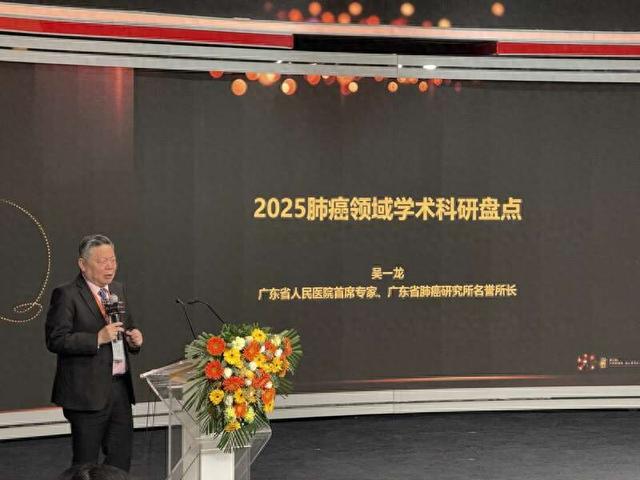
专家齐聚金山茶花计划总结交流 共探癌症防控新路径
Ren Min Wang· 2025-12-23 01:51
Core Insights - Cancer prevention and control is a critical issue for public health in China, requiring collaborative efforts to address health needs and challenges [2][3][9] Group 1: Cancer Treatment Innovations - The treatment of liver and biliary tumors has entered an immunotherapy-dominated phase, significantly extending patient survival and creating curative opportunities for inoperable tumors [2] - Advances in lung cancer treatment, including new T-cell antibody drugs and combination therapies, have improved survival rates and quality of life for patients [4] - The development of innovative therapies in gastrointestinal tumors, such as targeted therapies for esophageal and gastric cancers, has led to significant clinical breakthroughs [4][6] Group 2: Multidisciplinary Collaboration - A multidisciplinary approach is becoming the mainstream trend in cancer treatment, allowing for personalized treatment plans that consider the overall health of patients [3][8] - Enhancing the capabilities of grassroots medical institutions is essential for improving cancer prevention and control systems [3][8] Group 3: Systematic Improvements - A robust diagnostic and treatment system, along with a well-trained talent pool, is fundamental for long-term cancer prevention efforts [7] - The integration of innovative therapies and standardized treatment protocols is necessary to address the challenges faced in gastrointestinal cancer treatment [6][7] Group 4: Future Directions - Continuous clinical research and innovation are vital for accelerating the development and application of new treatment technologies [3][4][9] - The "People's Good Doctor · Camellia Plan" aims to promote clinical research and the training of young medical professionals in oncology, enhancing the overall capacity for cancer prevention and control [9]

专家:癌症2050年或将成可控制的慢性病
2 1 Shi Ji Jing Ji Bao Dao· 2025-12-15 11:11
Core Viewpoint - Cancer represents a significant global public health challenge, with the World Health Organization (WHO) reporting that cancer caused 10 million deaths in 2020, accounting for 1 in 6 total deaths. It is the second leading cause of death worldwide, and without urgent action and targeted funding, the number of cancer deaths is projected to exceed 18 million by 2050 [1] Group 1: Research and Development - China's research capabilities in oncology have become a crucial force in global cancer research, as evidenced by the record number of 73 studies presented by Chinese scholars at the 2025 American Society of Clinical Oncology (ASCO) annual meeting, marking a record for Asian countries [1] Group 2: Healthcare Policy and Drug Availability - The National Healthcare Security Administration recently announced the addition of 114 new drugs to the basic medical insurance catalog for 2025, with 36 of these being cancer medications, representing 31.58% of the total additions, thereby expanding treatment options for cancer patients [1] Group 3: Future Projections - Experts predict that by 2040, the ten-year survival rate for cancer may reach approximately 95%, and by 2050, cancer is expected to be manageable as a chronic disease [1]
专家:癌症2050年或将成可控制的慢性病
21世纪经济报道· 2025-12-15 05:57
Core Viewpoint - Cancer is a significant global public health challenge, with the WHO reporting 10 million deaths in 2020, accounting for 1/6 of total deaths, and projections indicating that without urgent action, cancer deaths could exceed 18 million by 2050 [3][4]. Group 1: Current State of Cancer Research - China has emerged as a key player in global cancer research, with a record number of studies presented at major international oncology conferences, including 60 studies at the ESMO Asia Congress 2025 and 73 at the ASCO annual meeting [3]. - The National Healthcare Security Administration has added 36 cancer drugs to the 2025 basic medical insurance catalog, representing 31.58% of the new additions, thereby expanding treatment options for cancer patients [3]. Group 2: Future Outlook on Cancer Management - Experts predict that within the next 25 years, cancer will be recognized as a controllable chronic disease, with significant advancements in theoretical and technological innovations required to achieve this goal [4][5]. - The global burden of cancer is expected to rise, with an estimated 28.4 million new cases by 2040, a 47% increase from 19.3 million in 2020 [6]. Group 3: Factors Influencing Cancer Development - Five main factors contributing to cancer development have been identified: external triggers, infection-related factors, hormonal/receptor abnormalities, lifestyle-related factors, and psychological and immune-related triggers [7]. - The essence of cancer is a disruption in the body's regulatory mechanisms, leading to uncontrolled cell proliferation, which emphasizes the need for strategies that enhance the body's regulatory capabilities [7]. Group 4: Innovations in Cancer Treatment - The integration of advanced technologies such as AI, genomics, and precision medicine is expected to improve cancer survival rates significantly [8]. - A new classification standard for cancer is anticipated to revolutionize management and treatment, promoting a collaborative approach across multiple disciplines [8]. Group 5: Challenges Ahead - The transition from fragmented to integrated treatment poses challenges, including the urgent need for knowledge updates among healthcare professionals and the development of innovative diagnostic and treatment technologies [10]. - Early diagnosis is crucial for improving treatment success rates, with AI playing a role in enhancing the identification of high-risk populations and optimizing screening processes [10]. Group 6: Immunotherapy as a Growth Area - Immunotherapy has emerged as a significant growth area in cancer treatment, with a projected compound annual growth rate of 177.4% from 2017 to 2023, potentially reaching a global market size of $84.9 billion by 2030 [11]. - Despite its early development stage, immunotherapy shows great promise, but challenges remain in biomarker selection, toxicity management, and cost control [11].

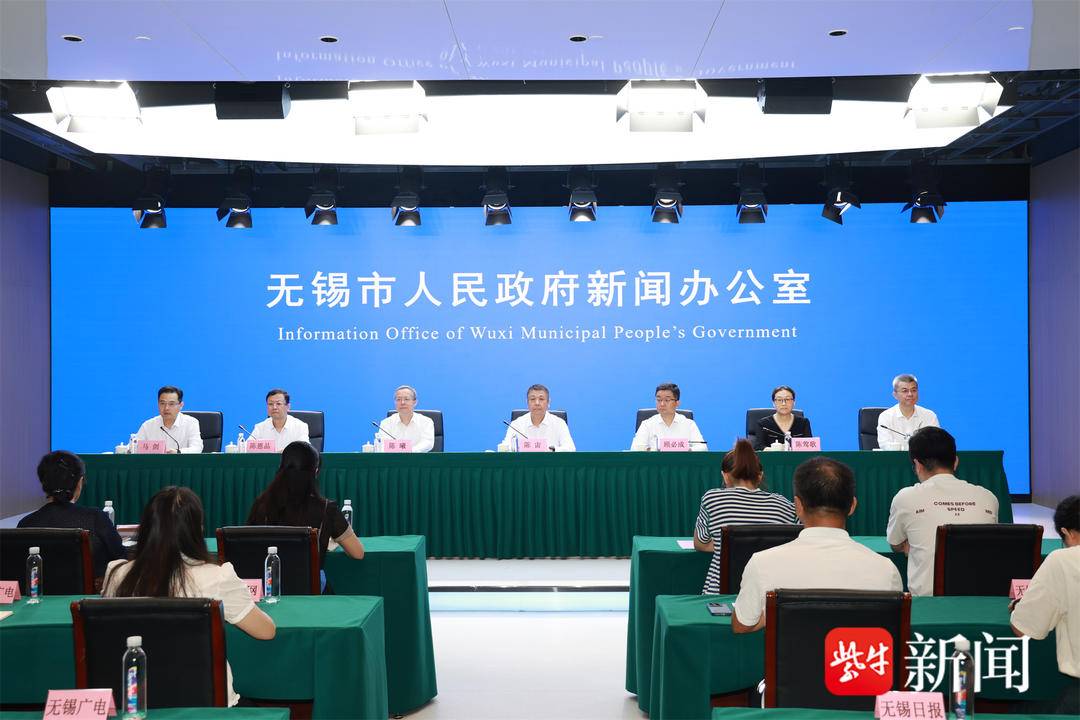
聚焦“民生实事”……无锡举行“切实扛好经济大市挑大梁责任”首场系列主题新闻发布会
Yang Zi Wan Bao Wang· 2025-08-29 09:04
Group 1: Public Health Initiatives - Wuxi has initiated a comprehensive cancer prevention and control action, becoming the first city in the province to implement such a program, which includes cancer screening as a key project for three consecutive years [3] - A total of 1.1619 million residents have participated in cancer screenings, with 274,400 high-risk individuals assessed, leading to the diagnosis of 3,323 cases of precancerous lesions and "five cancers" [3] - The standardized cancer mortality rate in Wuxi has decreased from 95.34 per 100,000 in 2020 to 80.80 per 100,000 in 2024, significantly lower than the national average [3] Group 2: Elderly Care Services - Wuxi has 150 elderly care institutions with approximately 40,000 beds, over 80% of which are nursing beds, addressing the needs of the aging population [4] - The "Xixin Medical and Nursing" community home-based service initiative has been implemented, providing integrated medical and nursing services to the elderly [4] - The city has established 157 meal assistance centers and 709 community meal service facilities, with differentiated subsidies linked to service performance [4] Group 3: Employment and Economic Stability - Jiangyin City has maintained stable employment, with 18,200 new urban jobs created by the end of July this year [5] - Various measures have been taken to stabilize employment, including providing over 44,000 job opportunities and issuing 2.3 million yuan in entrepreneurial subsidies [5] - The city has established 66 talent recruitment stations and introduced 10,200 new college graduates into the workforce [5] Group 4: Urban Environment Improvement - Wuxi's urban management department has launched 1,319 special improvement projects across 151 areas, focusing on enhancing public spaces and facilities [6] - Initiatives include upgrading street scenery, waste collection systems, and public restrooms, aiming for significant improvements with minimal investment [6] - The city has supported the establishment of 432 seasonal fruit and vegetable stalls, enhancing local commerce while maintaining ecological aesthetics [6] Group 5: Education Resource Expansion - Wuxi has achieved a high school enrollment rate of 68.23% and is expanding educational resources through various initiatives [9] - New high school branches have been established, and transportation services have been improved with 117 customized bus routes for students [9] - The city is focused on promoting educational equity and quality through infrastructure development and resource allocation [9] Group 6: Cultural Enrichment - Wuxi is developing cultural facilities, including a new art museum and concert hall, with the art museum expected to open by the end of this year [10] - The city has hosted over 1,200 cultural events and is promoting grassroots cultural engagement through various programs [10] - The upcoming "Taihu Cultural Arts Season" will feature nearly 160 events, expected to benefit over one million residents [10]