
航天育种

Search documents
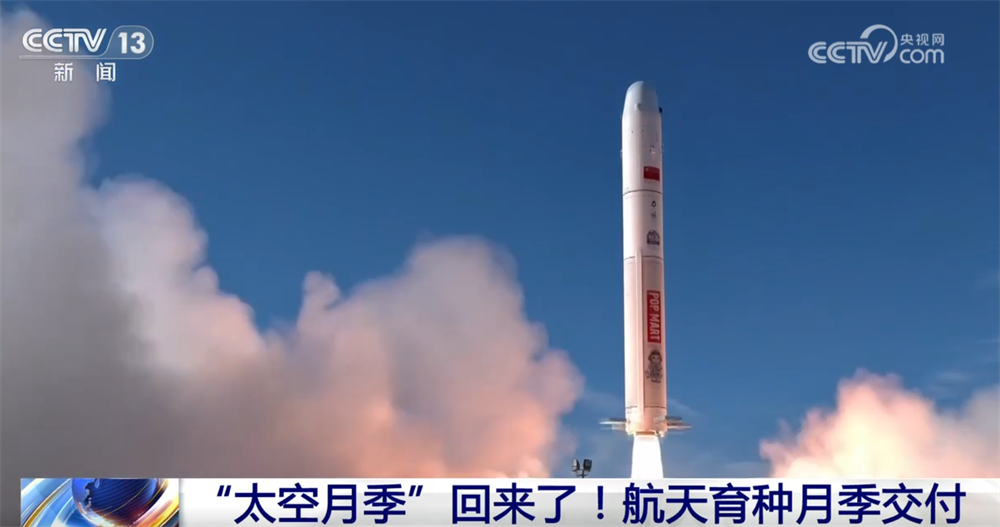
“太空月季”回来了!首批航天诱变月季种子交付南阳
Yang Shi Xin Wen Ke Hu Duan· 2026-01-25 05:28
Core Viewpoint - The successful return of the "Lihong No. 1" spacecraft carrying rose seeds marks a significant advancement in China's space agriculture, contributing valuable experience for future applications in this field [1][3]. Group 1: Space Breeding Overview - Space breeding involves sending plant seeds into space to expose them to cosmic rays and microgravity, potentially leading to beneficial genetic mutations [5][9]. - The rose seeds sent to space were carefully selected for their strong disease resistance and vitality, aiming to enhance their characteristics through this unique environment [5][9]. Group 2: Expected Outcomes - Researchers anticipate that the space-exposed seeds may yield roses that are stronger, with improved disease resistance, longer blooming periods, and possibly unique flower colors [9][11]. - The technology of space breeding has been utilized for over 30 years, contributing to the development of high-yield and resilient crop varieties, such as "Huangmai 247" wheat and "Luyuan 502" wheat, which have been widely adopted [11][13]. Group 3: Safety and Global Adoption - Concerns about health risks from mutations are addressed, as studies indicate that space seeds do not exhibit increased radioactivity and are as safe as ground-stored seeds [13]. - This technology is employed by over 70 countries globally, with international organizations promoting its use [13]. Group 4: Future Implications - The goals of space breeding are evolving from merely ensuring food security to enhancing food quality and health, with ongoing research into crops tailored for specific health needs [15]. - The emergence of more flexible and cost-effective commercial spacecraft like "Lihong No. 1" may lead to increased opportunities for various seeds to undergo space transformation, enriching the diversity and quality of food and ornamental plants available to consumers [15][17].

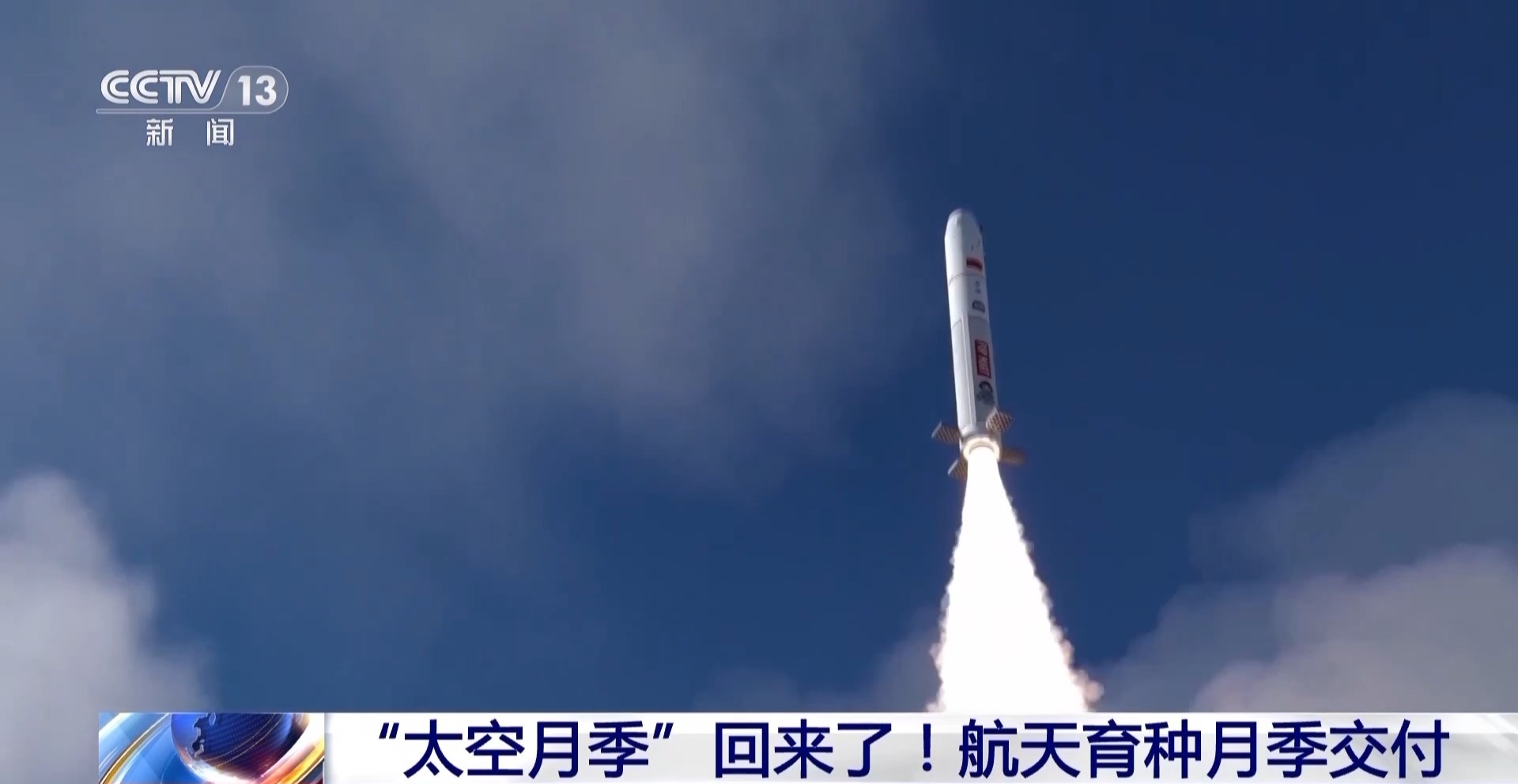
“太空月季”回来了!航天育种让百姓“菜篮子+果盘子+花园子”更健康更丰富
Yang Shi Wang· 2026-01-24 01:37
Core Viewpoint - The successful return of the "Lihong No. 1" spacecraft carrying precious rose seeds from Nanyang marks a significant step in China's exploration of space agriculture, aiming to enhance plant traits through space breeding techniques [1][3]. Group 1: Space Breeding Overview - Space breeding involves sending plant seeds into space to expose them to cosmic rays and microgravity, potentially leading to beneficial genetic mutations [3][6]. - The rose seeds used in this experiment were carefully selected for their strong disease resistance and vitality, derived from wild roses and ancient Chinese varieties [3][6]. Group 2: Benefits of Space-Bred Plants - The anticipated outcomes of the space-bred rose seeds include stronger plants with enhanced disease resistance, reduced pesticide use, and longer blooming periods, ultimately providing more vibrant and unique flowers [6][12]. - Space breeding has been utilized for over 30 years, contributing to the development of high-yield and resilient crop varieties, such as "Huangmai 247" wheat and "Luyuan 502" wheat, which have been widely adopted [8][11]. Group 3: Safety and Future Prospects - Concerns regarding health risks from mutations are addressed, as studies indicate that space seeds do not exhibit increased radioactivity and are as safe as conventional seeds [11]. - The future of space breeding aims not only to ensure food security but also to enhance the nutritional quality of food, with ongoing research into crops tailored for specific health needs [12].
辉煌60年 我们的家园│行走在高原之上:触摸新时代幸福西藏的脉搏——“辉煌60年·我们的家园 幸福美丽西藏”网络主题活动手记
Yang Shi Wang· 2025-08-02 13:12
Core Viewpoint - The article highlights the significant ecological, cultural, and economic developments in Tibet, showcasing the region's transformation and the harmonious coexistence of nature and society in the new era [1][34]. Group 1: Ecological Development - The afforestation project in the Gongga section of Lhasa has successfully transformed barren mountains into green landscapes, demonstrating the commitment to ecological restoration despite challenging conditions [3][6][8]. - The ecological corridor along the Lhasa River enhances urban ecology, providing recreational spaces for citizens and fostering a harmonious relationship between people and nature [6][10]. Group 2: Cultural Heritage - The article emphasizes the importance of cultural transmission, with traditional arts like Thangka painting being preserved and celebrated in modern contexts, reflecting the rich history of the region [9][11][15]. - The Zaza clothing in Zhazha Village serves as a living representation of cultural heritage, intertwining ancient stories with contemporary identity [11][15]. Group 3: Economic Innovation - The operation of the world's highest wind farm in the Zhaomei area symbolizes technological advancement and commitment to green development in Tibet [16][18]. - Modern agricultural practices, including space-bred crops, are being implemented to enhance local food security and economic self-sufficiency, contributing to rural revitalization [21][25]. Group 4: Social Harmony - The article illustrates the spirit of unity among diverse ethnic groups in Lhasa, where mutual support and community engagement are prevalent, embodying the essence of social cohesion [26][30]. - Community service stations in Lhasa are designed to be welcoming and supportive, fostering a sense of belonging and cooperation among residents [30][33].

陕西举办“太空农业·未来田园”主题科普活动
Shan Xi Ri Bao· 2025-06-07 23:42
Group 1 - The event "Space Agriculture · Future Farm" was held on June 7 at the Shaanxi Aerospace Breeding Engineering Technology Research Center, aimed at popularizing aerospace agricultural technology and inspiring public interest in modern agricultural innovation [1][2] - The Shaanxi Aerospace Breeding Engineering Technology Research Center has conducted over 100 aerospace breeding experiments and obtained 11 patents in the agricultural field, developing high-yield and high-quality plant varieties with independent intellectual property rights [2] - The center's achievements include the development of varieties such as Shaanbei small grains, Dahongpao pepper, and the interstellar Shennong series of forage, which have been industrially promoted through partnerships with seed companies, generating significant socio-economic benefits [2] Group 2 - The event featured interactive experiences and demonstrations of cutting-edge technology, aiming to bridge the gap between science and public understanding, and to contribute to the promotion of high-tech agriculture and the cultivation of future scientific talent [2]