葡萄酒与烈酒

Search documents
不演了!法国通告全球,27国或对华加税30%,法财长:一刀切不行
Sou Hu Cai Jing· 2026-02-14 13:44
Core Viewpoint - France is pushing for a 30% tariff on all Chinese goods entering the EU, which has sparked significant controversy and internal dissent within the EU [3][5][19]. Trade Relations and Tariff Proposals - France's push for tariffs stems from a trade deficit with China amounting to €304.5 billion in 2024, leading to a blame-shifting mentality rather than addressing internal structural issues [5][15]. - The proposed tariff strategy aims to counteract China's cost advantages and encourage European consumers to choose local products, but it contradicts international trade rules and could jeopardize European supply chains [7][19]. - France is also considering a strategy similar to the 1985 Plaza Accord, proposing a 20%-30% devaluation of the euro against the yuan to weaken Chinese export competitiveness [7][9]. Internal EU Dynamics - France's aggressive tariff proposal faces strong opposition from Germany and other EU nations that rely heavily on Chinese markets, highlighting significant internal divisions within the EU [13][15]. - Countries like the Netherlands, Spain, and Hungary have expressed their reluctance to support France's radical stance, prioritizing their economic interests over alignment with French policies [13][15]. Economic Implications - The implementation of such tariffs could lead to a significant increase in prices for Chinese goods in Europe, burdening consumers and hindering economic recovery [19][30]. - French industries, particularly wine and luxury goods, are highly dependent on the Chinese market, and retaliatory measures from China could severely impact these sectors [11][17]. Global Context and Strategic Implications - The situation reflects broader geopolitical tensions, with the U.S. also seeking to curb China's rise, indicating a coordinated Western strategy against China [21][23]. - France's position as a leading advocate for tariffs may isolate it internationally, risking economic damage and loss of access to the Chinese market if it continues down this path [28][30].

法国亮出一份涉华报告,中方掏出一张海报,法国葡萄酒应声大跌
Sou Hu Cai Jing· 2026-02-13 05:04
Group 1 - The French government proposed a radical report suggesting a 30% tariff on Chinese goods and a devaluation of the euro to combat perceived threats from China, reflecting France's anxiety over European strategic autonomy [1][5] - The report inaccurately attributes the decline of European industrial competitiveness solely to China, ignoring internal issues such as high energy costs and lack of innovation [1][9] - France's wine and spirits stocks dropped significantly following the report, indicating the potential economic repercussions of such aggressive policies on key French industries [5][7] Group 2 - In response to France's provocations, China announced targeted countermeasures, including anti-dumping investigations on French wine and potential tariffs on the EU, highlighting the importance of the Chinese market for French wine exports [3][5] - The French government's quick retraction of the report and calls for dialogue reveal its dependence on Chinese markets and the internal divisions regarding its trade policy [5][7] - The essence of Sino-European trade relations is mutual benefit, and unilateral protectionism is counterproductive, as emphasized by China's stance on resolving disputes through dialogue [9]
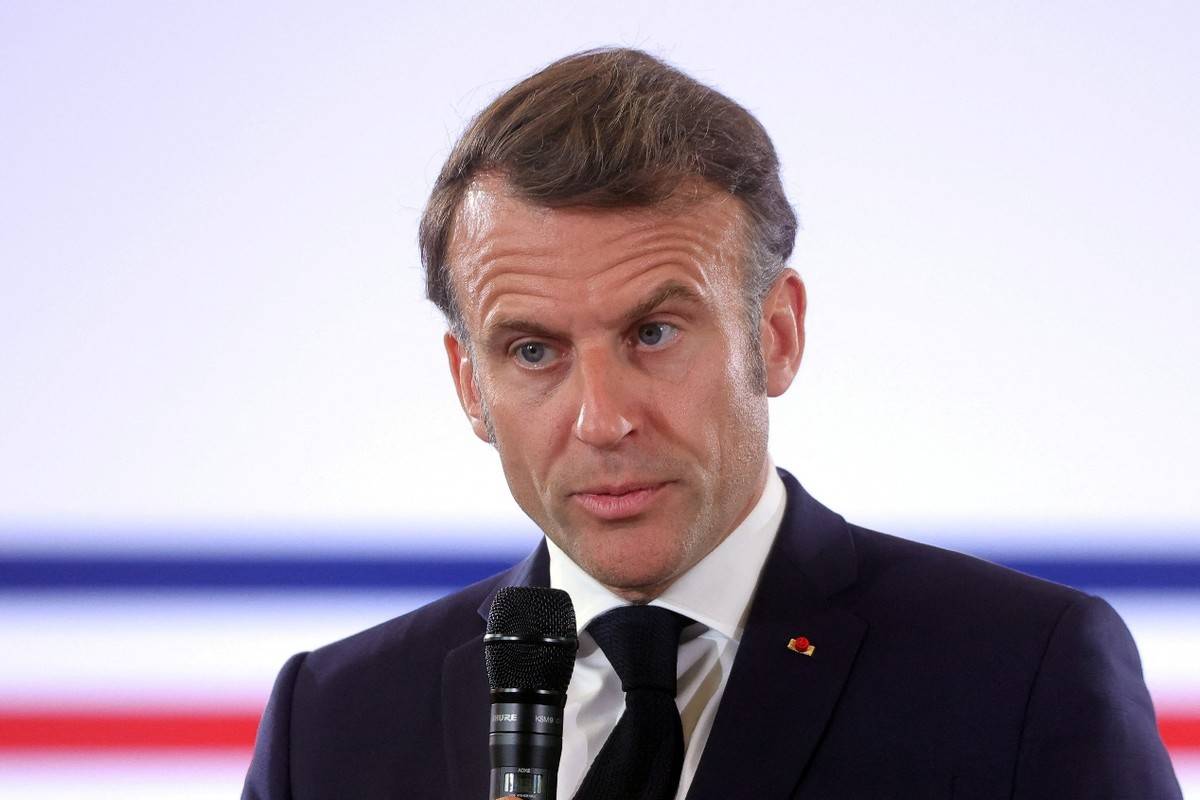
马克龙出席巴黎葡萄酒展 强调法国葡萄酒产业需适应消费变化
Zhong Guo Xin Wen Wang· 2026-02-10 03:19
Core Viewpoint - The French wine industry must adapt to changing consumer trends to address challenges in the current market environment, as highlighted by President Macron during the opening of the 2026 Paris Wine Exhibition [1] Industry Trends - There is a shift in wine consumption patterns, with consumers increasingly favoring products with lower alcohol content that are suitable for chilling [1] - The French wine industry is capable of adapting to these changes in consumer preferences [1] Market Position and Challenges - France holds a significant position in the global wine market as the "country of wine" [1] - The French wine export sector faces intensified competition in international markets and challenges from changing external trade environments [1] Market Expansion - In addition to consolidating its presence in the European market, the French wine industry is encouraged to actively explore emerging markets such as India, Canada, and Brazil [1] Trade Relations - President Macron condemned the potential imposition of a 200% tariff on French wine by the U.S., labeling it as unacceptable [1] - The French Minister of Agriculture described the tariff threat as "extremely crude," warning that it could severely impact the struggling French wine industry and provoke a collective response from the EU [1] Event Details - The Paris Wine Exhibition is taking place from February 9 to 11, 2026, and has grown in scale since its inception, becoming an important platform for the global wine and spirits industry [1]
中方话音刚落,特朗普通告全球:税率加到200%!首个牺牲国出现
Sou Hu Cai Jing· 2026-01-22 05:10
Core Viewpoint - The article discusses Trump's recent decision to impose tariffs on eight European countries, particularly targeting France with a 200% tariff, as a form of negotiation strategy rather than a straightforward economic policy [1][3][5]. Group 1: Tariff Strategy - Trump's tariffs are seen as a tool for political leverage, punishing countries that do not align with U.S. interests, particularly regarding Greenland [1][3]. - The targeted countries are all significant Western European nations, indicating a strategic approach to exert pressure on allies [1][3]. - France's participation in military exercises related to Greenland and its refusal to join the Gaza peace committee made it a prime target for the tariff threat [5][7]. Group 2: Economic Impact - The proposed 200% tariff on French wine and champagne could severely damage France's agricultural exports, which are projected to exceed €6.5 billion by mid-2025, accounting for nearly one-third of its agricultural exports [5][7]. - France's economic situation is precarious, with a trade deficit exceeding €43 billion, making it vulnerable to additional economic pressures from U.S. tariffs [7][9]. Group 3: European Response - The EU is facing a critical test of unity, with plans for an emergency summit to discuss responses to U.S. tariff threats, including the possibility of reinstating suspended tariffs on U.S. goods valued at €93 billion [9][11]. - Internal divisions within the EU complicate the response, as different member states have varying concerns about potential retaliatory measures [11][12]. - The situation poses a broader challenge to European strategic autonomy, as failure to respond effectively could undermine the EU's political and economic standing [11][12]. Group 4: Future Considerations - The article suggests that the outcome of this tariff conflict will depend on whether the EU can present a unified front and how effectively it can negotiate with the U.S. [14]. - France's experience may not be isolated, as other countries could face similar tariff threats in the future, indicating a potential pattern in U.S. trade policy [14].
中方话音刚落,特朗普就通告全球:税率加到200%!首个牺牲国出现
Sou Hu Cai Jing· 2026-01-20 12:48
Core Viewpoint - The recent tariff threats from Trump against France and other European countries are seen as a strategic move in "transactional diplomacy," rather than a conventional economic policy [3][5][7]. Group 1: Tariff Threats and Strategic Implications - Trump has targeted eight European countries with tariffs, specifically threatening a 200% tariff on French goods, as a form of punishment for not complying with U.S. demands regarding Greenland [1][9]. - The tariffs are not merely economic measures but are intended to exert political pressure on allies, showcasing a shift from traditional trade negotiations to coercive tactics [5][15]. - France's participation in military exercises in Greenland and its refusal to join the "Peace Committee" have made it a primary target for these tariffs, highlighting the intertwining of economic and geopolitical strategies [7][9]. Group 2: European Response and Internal Divisions - The European Union is planning an emergency summit to discuss countermeasures, including the potential reactivation of tariffs on $930 billion worth of U.S. goods and the use of "anti-coercion tools" [11][13]. - There are significant internal divisions within the EU regarding how to respond, with different countries prioritizing their own economic interests, such as Germany's concern over automotive exports and Eastern European nations' fears about security cooperation [13][15]. - The situation poses a test of EU unity and its ability to respond to U.S. unilateral actions, with the risk that failure to act could undermine the EU's strategic autonomy [15][17]. Group 3: Long-term Consequences and Future Outlook - The current tariff situation is viewed as a broader geopolitical pressure test, where Europe's response will determine its future strategic voice and economic stability [15][17]. - If the EU does not respond effectively, it may set a precedent for further U.S. economic coercion, potentially affecting various sectors across Europe, including wine, automotive, and agricultural products [17][18]. - The unfolding events suggest that France may not be the last country to face such tariffs, indicating a potential escalation in U.S. trade tactics under Trump's administration [17][18].
LVMH: Improvement in trends in the third quarter of 2025
Globenewswire· 2025-10-14 15:45
Core Insights - LVMH Moët Hennessy Louis Vuitton reported a revenue of €58.1 billion for the first nine months of 2025, showing resilience amid geopolitical and economic disruptions [1] - The company experienced a 1% organic growth in the third quarter, with improvements across all business groups and regions, except for Europe where tourist spending declined [1][2] Revenue Performance - **Overall Revenue**: Total revenue for the first nine months of 2025 was €58.1 billion, a decrease of 4% compared to the same period in 2024 [2] - **Wines & Spirits**: Revenue decreased by 7% to €3.9 billion, with a slight organic growth of 1% in Q3 [2][4] - **Fashion & Leather Goods**: Revenue fell by 8% to €27.6 billion, with a decline of 2% in Q3 [2][5] - **Perfumes & Cosmetics**: Revenue remained stable at €6.0 billion, with a 2% organic growth in Q3 [2][6] - **Watches & Jewelry**: Revenue decreased by 2% to €7.4 billion, with a 2% organic growth in Q3 [2][7] - **Selective Retailing**: Revenue grew to €12.6 billion, with a 7% organic growth in Q3 [2][8] Regional Performance - **Europe and the United States**: Stable performance with solid local demand, but Europe faced a decline in tourist spending due to currency fluctuations [1] - **Japan**: Experienced a decline compared to 2024, which had benefitted from increased tourist spending [1] - **Rest of Asia**: Notable improvement in trends compared to 2024 [1] Business Group Highlights - **Wines & Spirits**: Slight organic growth in Q3, with improved performance in champagne and wines [4] - **Fashion & Leather Goods**: Resilience shown through local customer engagement and successful product launches, including La Beauté Louis Vuitton [5] - **Perfumes & Cosmetics**: Continued innovation with successful product launches, maintaining stable revenue [6] - **Watches & Jewelry**: Organic growth driven by successful product lines and exhibitions [7] - **Selective Retailing**: Strong performance from Sephora and improved trends in DFS [8] Outlook - LVMH remains confident in its strategy to enhance brand desirability and maintain its global leadership position in luxury goods despite economic uncertainties [9]

美国对欧盟商品征收30%关税威胁日期临近,法国酒商担忧遭遇“灾难性冲击”
Huan Qiu Shi Bao· 2025-07-17 22:37
Group 1 - The upcoming threat of a 30% tariff on all EU goods by the US is causing significant pressure on EU member states, particularly France, which heavily relies on exports to the US in sectors like luxury goods, aerospace, and alcoholic beverages [1] - The French cognac industry is facing challenges after experiencing trade retaliation from China, with a minimum export price agreement reached for 34 European brandy producers, including LVMH and Rémy Cointreau [1][2] - France's exports of wine to the US are projected to reach €2.4 billion in 2024, while spirits exports are expected to be €1.5 billion, highlighting the critical dependence of the French wine and spirits industry on the US market [2] Group 2 - Since 2022, the global cognac industry has seen a nearly 40% decline in sales, exacerbated by a 10% tariff imposed by the US on European imports in April [3] - The chairman of LVMH has urged French lawmakers to recognize the economic reality and push for an agreement with the US, warning of potential job losses in the cognac-producing region of Charente, which employs around 80,000 people [3] - The French wine industry is actively seeking to diversify its markets to mitigate losses from the US, with local governments being called upon to provide support for market diversification efforts [3]

DLS MARKETS:欧盟为何急于锁定10%关税?幕后谈判藏着哪些筹码?
Sou Hu Cai Jing· 2025-07-08 10:24
Group 1 - The EU is negotiating with the US to finalize a preliminary trade agreement before August 1 to avoid higher tariffs on key industries [1][3] - The focus of the negotiations includes excluding high-value export goods such as aircraft, wine, and spirits from the 10% tariff [1][3] - The EU aims to protect its core industries and gain leverage in longer-term negotiations while seeking a buffer period for local industries [1][3] Group 2 - The EU's strategy is a response to the Trump administration's announcement of tariffs ranging from 25% to 40% on various goods, while maintaining a 10% baseline tariff for the EU [3][4] - The aviation industry is crucial for the EU, involving multiple countries like Germany, France, and Spain, and higher tariffs could harm profitability and high-skilled jobs [3][4] - Wine and spirits are significant exports for countries like France and Italy, and increased tariffs could lead to a loss of market share to competitors like Australia and Chile [3][4] Group 3 - Even if a preliminary agreement is reached, the EU's challenges remain due to the unpredictable nature of Trump's trade policies [4][5] - The EU's concessions reveal its passive stance in negotiations, lacking a unified diplomatic strategy and facing internal pressures [4][5] - The future of negotiations hinges on whether the EU will make concessions in certain industries for overall stability and whether the US will impose additional structural demands post-agreement [4][5]
LVMH酒业板块结构性调整:酩悦轩尼诗计划裁员10%以应对业绩压力
Jing Ji Guan Cha Wang· 2025-05-06 09:27
Group 1 - LVMH's Moët Hennessy plans to cut approximately 1,200 jobs, representing over 10% of its total workforce, as part of a restructuring effort to return to 2019 staffing levels [2] - Moët Hennessy's revenue for 2024 is projected to decline by 11% year-on-year, with a further 8% drop in organic sales for Q1 2025, primarily due to weak demand in China and the US [2] - The Chinese market is facing increased import costs due to anti-dumping policies, with a guarantee ratio of 39%, while the US market is experiencing potential tariff risks, adding to business uncertainties [2] Group 2 - Recent management changes include Jean-Jacques Guiony becoming CEO of Moët Hennessy and Alexandre Arnault being appointed as Deputy CEO, aiming to leverage financial and brand operational experience to reverse the downturn [3] - Despite short-term operational pressures, Moët Hennessy continues to innovate, such as investing in the non-alcoholic sparkling wine brand French Bloom and localizing production in China to better meet market demands [3] - The layoffs reflect not only the challenges of a single business line but also the broader struggle of luxury brands to balance operational efficiency with maintaining high-end brand prestige after rapid expansion [3]