轨道交通制造

Search documents
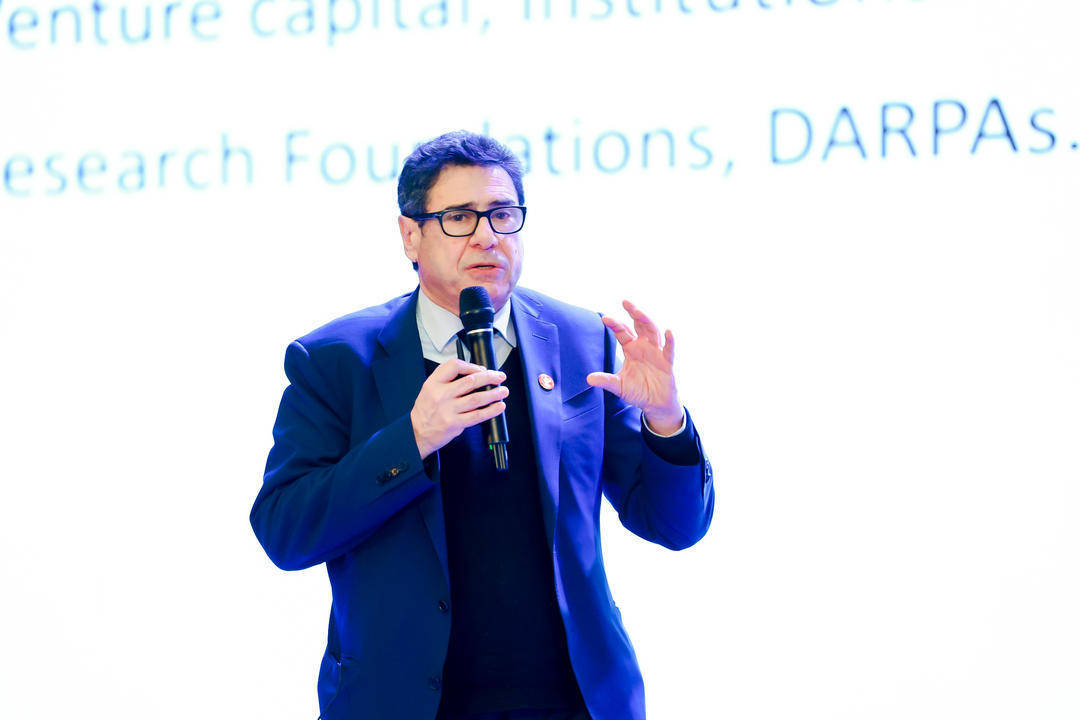
专访2025诺贝尔经济学奖得主菲利普·阿吉翁:中国在多个领域展现出前沿创新能力|封面头条
Sou Hu Cai Jing· 2025-11-19 03:27
Core Insights - Philippe Aghion, Peter Howitt, and Joel Mokyr were awarded the 2025 Nobel Prize in Economic Sciences for their contributions to the theory of "innovation-driven economic growth" [2] - Aghion and Howitt were recognized for their theory of "creative destruction," which explains how innovation disrupts old orders and drives economic vitality through continuous upheaval and reconstruction [2][3] - Aghion emphasizes the importance of balancing competition and protection for those affected by "creative destruction," using examples like artificial intelligence to illustrate both job displacement and job creation [11][13] Group 1: Creative Destruction Theory - The "creative destruction" theory, initially proposed by Joseph Schumpeter, posits that new innovations replace old technologies, with economic growth driven by new firms entering the market through innovation [7] - Aghion's optimistic view contrasts with Schumpeter's more pessimistic outlook, as he believes effective competition policies can prevent established firms from creating barriers to market entry [8] - The theory's three core components include cumulative innovation, entrepreneurial drive for temporary monopoly profits, and the paradox of innovation needing monopoly profits while also potentially stifling new innovations [7][8] Group 2: China's Economic Landscape - Aghion notes that China has made significant strides in areas like blockchain, solar panels, electric vehicles, and autonomous driving, showcasing its true innovative capabilities [13] - He identifies China's large domestic market, skilled labor force, and governance that combines market competition with industrial policy as key advantages for future growth [13] - Aghion highlights the need for improvements in China's financial ecosystem, particularly in venture capital and institutional investment, to support frontier innovation [13] Group 3: Global Innovation and Protectionism - Aghion expresses concern over the rise of protectionism, particularly in the U.S., arguing that it hinders innovation by limiting global market access and competition [16][17] - He advocates for free trade as a crucial driver of innovation, enabling cross-border flow of technology and competition [16] - Aghion suggests that China should strengthen its domestic competition mechanisms and seek long-term partnerships with Europe to maintain its competitive edge amid rising protectionism [18] Group 4: Personal Insights and Future Plans - Aghion reflects on the impact of receiving the Nobel Prize, noting it has changed how he is perceived and increased the scrutiny of his statements [24][25] - He plans to continue his research in economic growth, artificial intelligence, green transition, and effective social security systems, particularly in the context of China [25] - Aghion emphasizes the importance of young people asking fundamental questions and maintaining resilience in the face of challenges [28][30]