保护主义

Search documents
李强出席中国发展高层论坛2026年年会开幕式并发表主旨演讲
证券时报· 2026-03-22 05:05
Core Viewpoint - The article emphasizes the complex and challenging international landscape, highlighting the need for cooperation and innovation to create new markets rather than competing for existing ones [1][2]. Group 1: Market Dynamics - The market is viewed as a scarce resource that can be continuously created through openness and technological advancement, rather than through protectionism [2]. - China aims to expand high-level openness and engage in fair trade, focusing on importing high-quality foreign goods and optimizing trade balance [2]. Group 2: Competition and Cooperation - Healthy competition is essential for mutual benefits, and China's competitive advantages stem from deep reforms and innovation rather than subsidies [2]. - The country opposes irrational competition but supports fair competition to stimulate greater development momentum [2]. Group 3: Future Outlook - Despite challenges, there is optimism for a better future, with China positioning itself as a "certainty cornerstone" and "stability harbor" for global development [3]. - The "14th Five-Year Plan" is presented as a new blueprint for China's development and an opportunity for global growth, focusing on high-quality development and a favorable business environment for foreign enterprises [3].

BMW to See 'Rather Stable Environment,' CEO Zipse Says
Youtube· 2026-03-13 16:59
Core Perspective - The ongoing war in Iran is creating a volatile situation that requires close monitoring of supply chains and potential impacts on production and energy costs for companies like BMW [1][2][3]. Supply Chain Management - Currently, there are no interruptions in production or supply chains for BMW, but the situation remains fluid and requires constant observation [3][4][5]. - BMW has previously faced supply chain issues, such as during the COVID-19 pandemic, and is prepared to respond to any new challenges that may arise [4]. Market Forecasts - In 2025, BMW experienced a 12.5% decline in sales in China, while sales increased by 5.6% in the Americas and 7.3% in Europe [6]. - The company anticipates stable sales across all markets in 2026, with guidance remaining consistent with the current year [7][8]. Product Launch and Strategy - BMW is launching its Neue classes, which have received a positive order intake, contributing to an optimistic outlook for the future [8]. - The company plans to maintain its strategy across various segments, including electric, high-performance, ultra-luxury, and base segments, to ensure stability [9]. Tariff and Trade Considerations - BMW currently faces a 15% tariff for imports into the United States, with ongoing discussions aimed at reducing this burden [13]. - The company emphasizes the importance of a balanced trade system, proposing an offset system where for every car exported, one can be imported, which would stabilize jobs and global business models [15].



欧盟针对外企投资四大新兴战略产业,提出一系列限制性要求,中方表示严重关切:构成严重的投资壁垒和制度性歧视
中国能源报· 2026-03-06 13:24
Core Viewpoint - The article discusses the European Union's "Industrial Accelerator Act," which imposes restrictive requirements on foreign investments in four emerging strategic industries: batteries, electric vehicles, photovoltaics, and critical raw materials. These measures are seen as significant investment barriers and discriminatory practices against Chinese enterprises [2][3]. Group 1 - The EU's act includes mandatory technology transfer, foreign equity ratios, local content requirements, and local employee stipulations, specifically targeting third-country investors with over 40% global capacity in the mentioned industries [2]. - The Chinese side expresses serious concerns over these measures, viewing them as a form of protectionism that undermines fair competition and disrupts global supply chain stability [2][3]. - The article emphasizes that protectionism does not enhance competitiveness and advocates for open cooperation as the path to development, highlighting the mutual economic interests between China and the EU in addressing climate change and promoting green transition [3]. Group 2 - The Chinese government calls on the EU to adhere to World Trade Organization rules and return to a fair, transparent, and non-discriminatory cooperation framework, warning against further deviation into protectionism [3]. - The Chinese side will closely monitor the legislative process and assess the impact on its interests, committing to safeguard the legitimate rights and interests of Chinese enterprises [3].
欧盟发布《工业加速器法案》,商务部回应!
券商中国· 2026-03-06 12:20
Core Viewpoint - The Chinese government expresses serious concerns regarding the EU's "Industrial Accelerator Act," which imposes restrictive requirements on foreign investments in four emerging strategic industries: batteries, electric vehicles, photovoltaics, and critical raw materials. These measures are seen as significant investment barriers and discriminatory practices that violate the principle of most-favored-nation treatment, increasing uncertainty for Chinese enterprises investing in the EU [1][2]. Group 1 - The EU's "Industrial Accelerator Act" was released on March 4, imposing mandatory technology transfer, foreign investment shareholding, local content, and local employee requirements specifically for third-country investors whose global production capacity exceeds 40% in the targeted industries [1]. - The Chinese government criticizes the EU's protectionist measures, arguing that they hinder fair competition and disrupt the stability of global supply chains, countering the EU's stated goals of developing related industries and promoting green transitions [1][2]. - China calls for the EU to adhere to WTO rules and return to a path of fair, transparent, and non-discriminatory cooperation, emphasizing the importance of open collaboration in addressing climate change and promoting green transitions [2].
全球产业格局变在哪里?
Sou Hu Cai Jing· 2026-02-26 10:48
Core Viewpoint - The global economic landscape is undergoing a systematic restructuring, driven by unilateralism and protectionism, particularly in emerging industries like semiconductors and artificial intelligence, necessitating a reevaluation of industrial layouts by many countries [1] Group 1: Changes in Spatial Layout - The shift from global integration to regionalization and "1+N" multi-point layout reflects the vulnerabilities of traditional global production networks amid geopolitical conflicts and supply chain disruptions [4] - The share of China in U.S. imports decreased from 21.6% in 2017 to 13.4% in 2024, while Mexico's share increased from 12.3% to 14.4%, and Vietnam's from 2.1% to 4.3%, indicating a clear trend towards regionalization and nearshoring [4] Group 2: Structural Changes - The global industrial value creation is transitioning from traditional manufacturing to service-oriented and green industries, with high-value services becoming integral to the entire industrial value chain [5] - Exports of China's "new three items" (new energy vehicles, lithium batteries, and photovoltaic products) surged from 284.4 billion yuan in 2020 to 1.28 trillion yuan in 2025, marking a 3.5-fold increase over five years [5] Group 3: Technological Changes - The geographical pattern of technological innovation is shifting from a concentrated model to a decentralized one, resulting in a multi-polar innovation landscape [6] - The U.S. leads in AI infrastructure and high-end semiconductor manufacturing, while the EU excels in green technology and industrial software, and China has developed advantages in 5G communication and new energy batteries [6] Group 4: Organizational Changes - The role of state intervention in global industrial organization is intensifying, with national policies increasingly influencing multinational corporations' strategies [7] - The number of global regional trade agreements reached 378 by the end of 2024, up by 102 since 2010, with many focusing on key sectors like semiconductors and new energy, embedding values and standards into trade rules [7]

特朗普没法继续嘚瑟,给中方罕见特殊待遇,中方再次通告美国
Sou Hu Cai Jing· 2026-02-26 03:35
Group 1 - The U.S. Supreme Court has ruled against the legality of certain tariffs imposed by the Trump administration, significantly weakening the White House's ability to use tariffs as a tool for pressure [3][5] - The ruling emphasizes that the power to levy taxes is constitutionally granted to Congress, not the President, thereby restricting the executive's ability to unilaterally impose tariffs [3][5] - Despite the court's decision, the U.S. retains the ability to impose tariffs on China under Section 301, maintaining a 25% tariff rate, and other specific tariffs on steel and aluminum products remain in place [5][7] Group 2 - China's response to the U.S. tariffs has been measured, with the Ministry of Commerce reiterating its opposition to unilateral tariff measures and emphasizing that trade conflicts yield no winners [7][8] - The Chinese stance highlights the contradiction in U.S. policy, where the U.S. claims to uphold international rules while simultaneously employing unilateral tariffs, which have now been legally challenged [7][8] - The ruling reflects the internal checks and balances within the U.S. system, indicating that while protectionism is deeply rooted in American society, there are legal constraints on executive power [7][8]
德经济学家:当世界第二大和第三大经济体加强合作,将为世界带来什么?
Sou Hu Cai Jing· 2026-02-25 09:55
Group 1 - The core viewpoint of the article emphasizes that the China-Germany relationship is a crucial pillar for global economic stability, built on comparative advantages and cooperative division of labor [2][3] - The historical success of the China-Germany relationship is attributed to complementary advantages, where German investments and joint ventures in China have brought capital and technology, while providing Germany access to a vibrant growth market [2] - A notable example of this ongoing collaboration is BASF's investment of 10 billion euros in an integrated base in Zhanjiang, Guangdong, marking the company's largest single investment project to date [2] Group 2 - The most promising areas for future cooperation lie in renewable energy and green technology, with China emerging as a leader in battery technology, solar energy, and electric vehicles [3] - Despite the evident synergies, the shadow of protectionism looms, with potential trade barriers posing significant geopolitical costs and risks of a divided world [3] - The current geopolitical tensions and waves of protectionism highlight that the China-Germany relationship transcends mere trade balance or corporate profits, positioning it as a cornerstone for global stability [3]
特朗普得瑟不下去了,罕见给中国特殊待遇,我商务部通告美国
Sou Hu Cai Jing· 2026-02-25 04:28
Group 1 - The recent ruling by the U.S. Supreme Court declared Trump's tariff policy illegal, highlighting a significant divide between the Trump administration and the U.S. judicial system regarding tariffs [1][3] - The ruling emphasizes that the power to levy taxes belongs to Congress, and any unilateral tariff measures initiated by the President must be approved by Congress, reaffirming the principle of checks and balances in the U.S. Constitution [3][5] - This decision effectively dismantles the legal foundation for Trump's tariff policy during his second term, blocking the rapid implementation of global tariffs based on a state of emergency [5][7] Group 2 - The ruling reflects deep political divisions within the U.S., as businesses and several state governments have long challenged Trump's tariff policies, arguing they harm commercial interests and violate constitutional principles [7] - Despite the ruling, Trump announced plans to implement a new 10% global tariff through the Trade Act of 1974, indicating a persistent commitment to protectionist policies [7] - China's response to the ruling reiterated its opposition to unilateralism and framed Trump's tariff measures as legally invalid, reinforcing its position within the multilateral trade system [7]
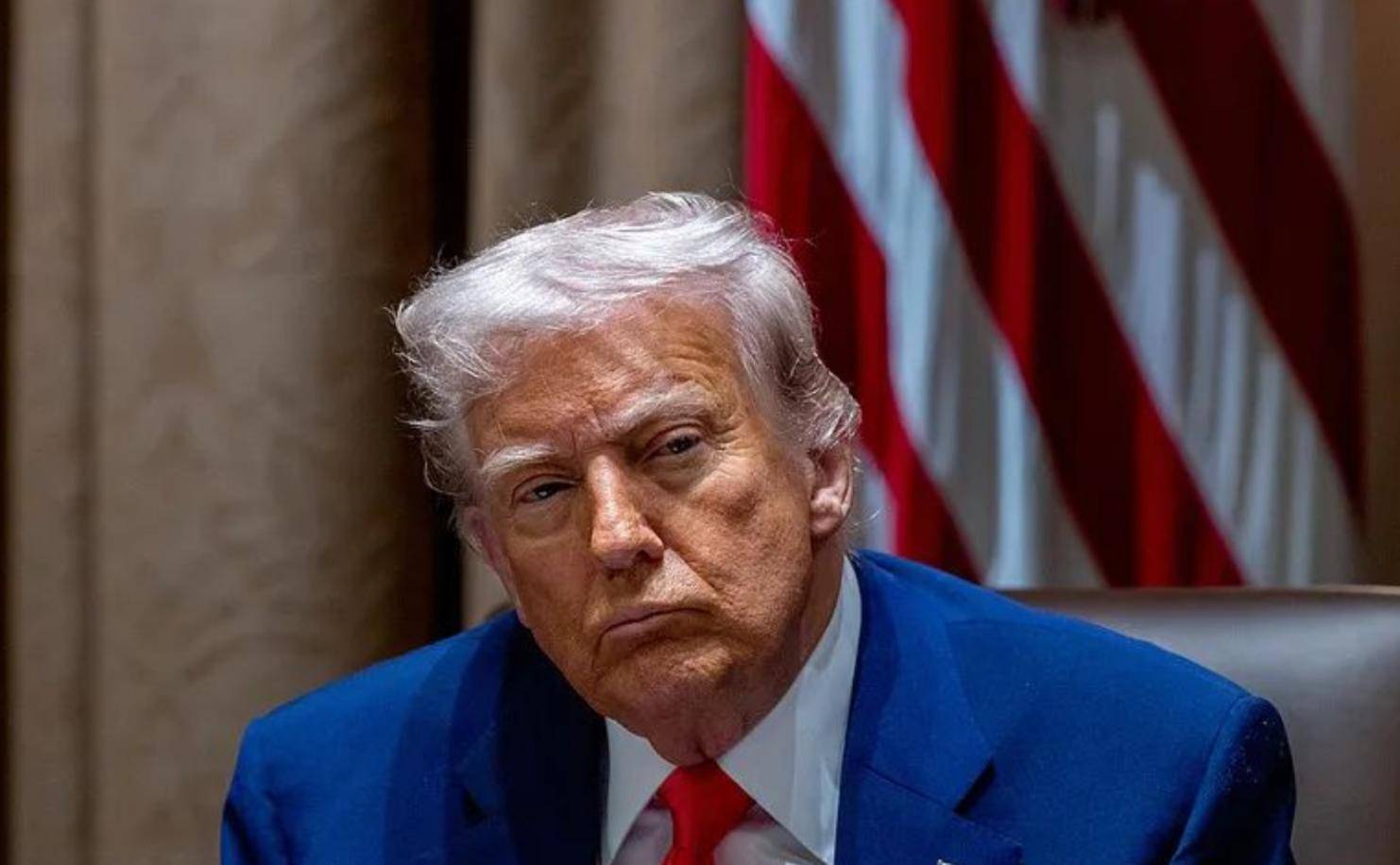
特朗普得瑟不下去了?罕见点名中方,我国商务部通告美国
Sou Hu Cai Jing· 2026-02-25 03:26
Core Viewpoint - The U.S. Supreme Court ruled that the Trump administration's tariffs imposed under the International Emergency Economic Powers Act (IEEPA) were illegal, highlighting a significant conflict between the executive and judicial branches regarding presidential powers in trade policy [1][3][5]. Group 1: Legal and Political Implications - The Supreme Court's 6-3 decision overturned tariffs imposed by the Trump administration, indicating that the president exceeded his authority under IEEPA [5]. - The ruling reflects a broader struggle over the limits of presidential power during a declared "emergency," raising questions about the extent to which the executive can bypass Congress [3][5]. - Following the ruling, Trump quickly announced a new plan to impose a 10% global import tariff, utilizing powers granted under the Trade Act of 1974, indicating a shift in strategy [10]. Group 2: Trade Relations and Agreements - Despite the Supreme Court ruling, U.S. Trade Representative Robert Lighthizer affirmed that existing trade agreements with countries like China, the EU, Japan, and South Korea would remain in effect [12][14]. - The U.S. is under pressure to maintain tariffs on China while attempting to impose new global tariffs, balancing domestic political pressures with international trade negotiations [14]. - China's response emphasized the protectionist nature of unilateral tariffs and indicated that it would closely monitor U.S. actions, suggesting a potential escalation in trade tensions [16][18]. Group 3: Future Trade Dynamics - The ongoing legal and political battles signal a shift towards stricter constraints on unilateral trade actions, with the potential for increased institutional checks on presidential power [20]. - The uncertainty surrounding global trade policies is expected to persist, but there are indications that institutional frameworks may gain more influence over unilateral actions in the future [20].
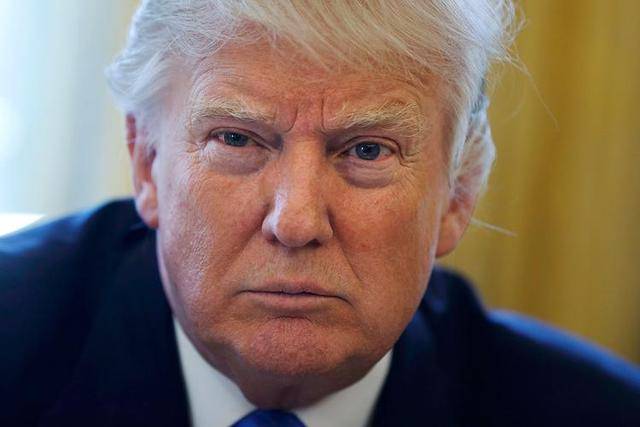
特朗普关税遭推翻,27国集体反水,超30万家企业排队向美讨债
Sou Hu Cai Jing· 2026-02-25 02:23
Group 1 - The core argument of the article highlights the backlash against the U.S. tariff policies initiated by President Trump, which have led to a "refund wave" from various countries and businesses seeking compensation for increased costs due to high tariffs [1][3][8] - The "reciprocal tariff" policy aimed at protecting U.S. industries has resulted in significant financial burdens on foreign companies, with German businesses alone reportedly paying an additional €100 billion due to these tariffs [1][3] - The economic strain caused by these tariffs has prompted calls for refunds, with Illinois Governor Pritzker explicitly requesting $8.7 billion in refunds, attributing rising living costs in the state to these tariffs [3][5] Group 2 - The complexity of U.S. legal procedures poses a challenge for businesses seeking refunds, as companies must file protests within 180 days of customs clearance, a requirement that many small businesses cannot meet due to limited resources [3][5] - The Trump administration has been criticized for its lack of clarity regarding the initiation of refund processes, with the President suggesting that the responsibility lies with the Supreme Court, indicating a strategy of deferral rather than resolution [5][8] - As the demand for refunds escalates, countries like China and India are beginning to push back against U.S. trade policies, indicating a potential shift in international trade dynamics and the need for the U.S. to reassess its tariff strategies [7][8]