锑业等矿产行业

Search documents
报道:美参议员提议增资700亿美元,支持特朗普关键矿产议程
Hua Er Jie Jian Wen· 2026-02-04 12:13
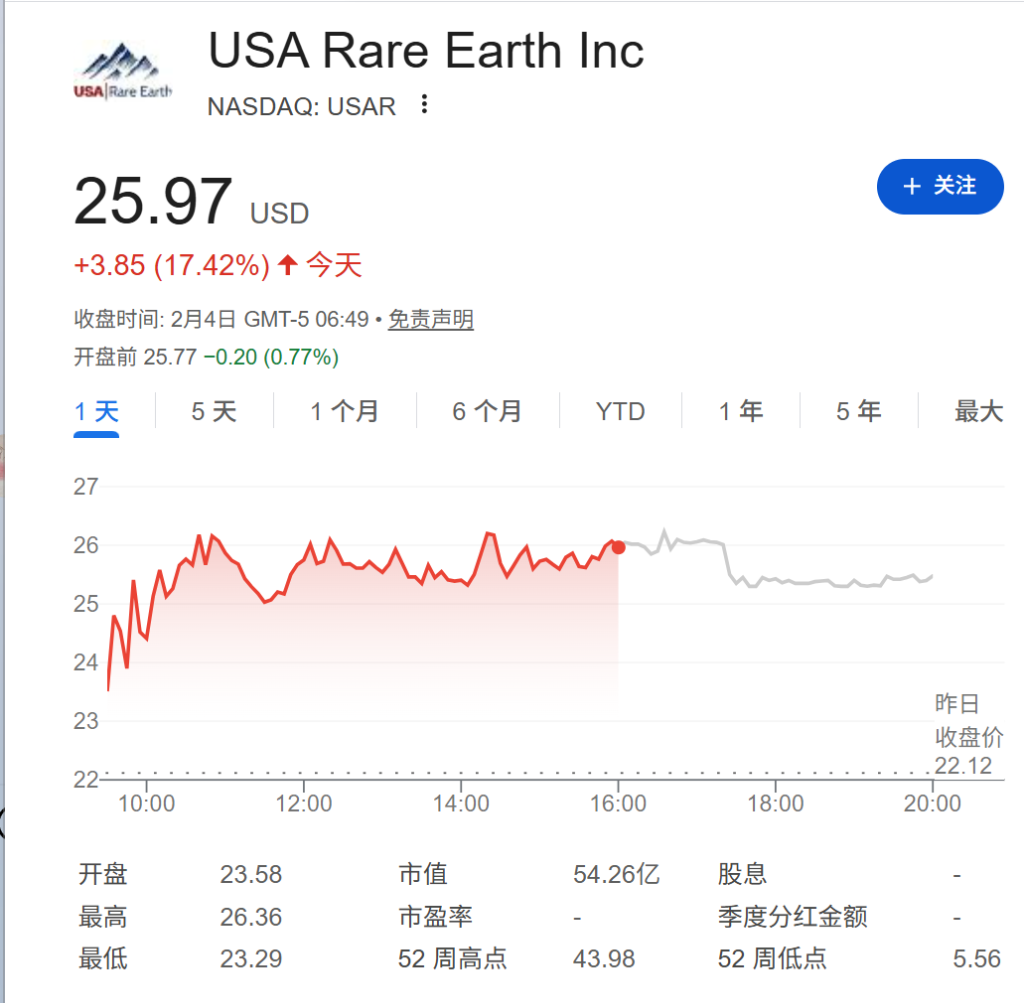
Core Viewpoint - The proposed legislation aims to increase the U.S. Export-Import Bank's loan limit by $70 billion to $205 billion and extend its authorization for ten years, supporting President Trump's strategic agenda in critical minerals [1][3]. Group 1: Legislative Proposal - The legislation seeks to significantly raise the Export-Import Bank's loan cap from $135 billion to $205 billion, emphasizing the need for reauthorization to maintain competitiveness against other developed nations [4]. - The proposal is backed by bipartisan support from Senator Kevin Cramer and Senator Mark Warner, reflecting a strategic shift in U.S. industrial policy to enhance domestic manufacturing supply chain resilience [3][4]. Group 2: Market Impact - Following the announcement, related sectors saw a surge in stock prices, with U.S. rare earth stocks rising by 17.46% and antimony stocks increasing by 5.3% in pre-market trading [1]. - The anticipated government capital injection is expected to directly boost the domestic mineral supply chain, enhancing market expectations for related industries [1]. Group 3: Strategic Initiatives - The legislation aligns with the recently launched "Project Vault," a $12 billion strategic reserve initiative aimed at establishing a commercial inventory of critical minerals essential for automotive, technology, and aerospace manufacturing [6]. - Major companies, including General Motors, Google, and Boeing, are participating in this initiative, which involves a collaborative procurement model with commodity traders [6]. Group 4: Supply Chain Security - The core logic behind the funding injection is to address vulnerabilities in global supply chains, particularly in energy and critical minerals, to reduce reliance on single external sources [7]. - The Export-Import Bank's financing will specifically support the establishment of domestic raw material reserves for downstream industries, aiming to mitigate price volatility and supply disruptions [7].