
钴等关键矿产

Search documents
报道:美参议员提议增资700亿美元,支持特朗普关键矿产议程
Hua Er Jie Jian Wen· 2026-02-04 12:13
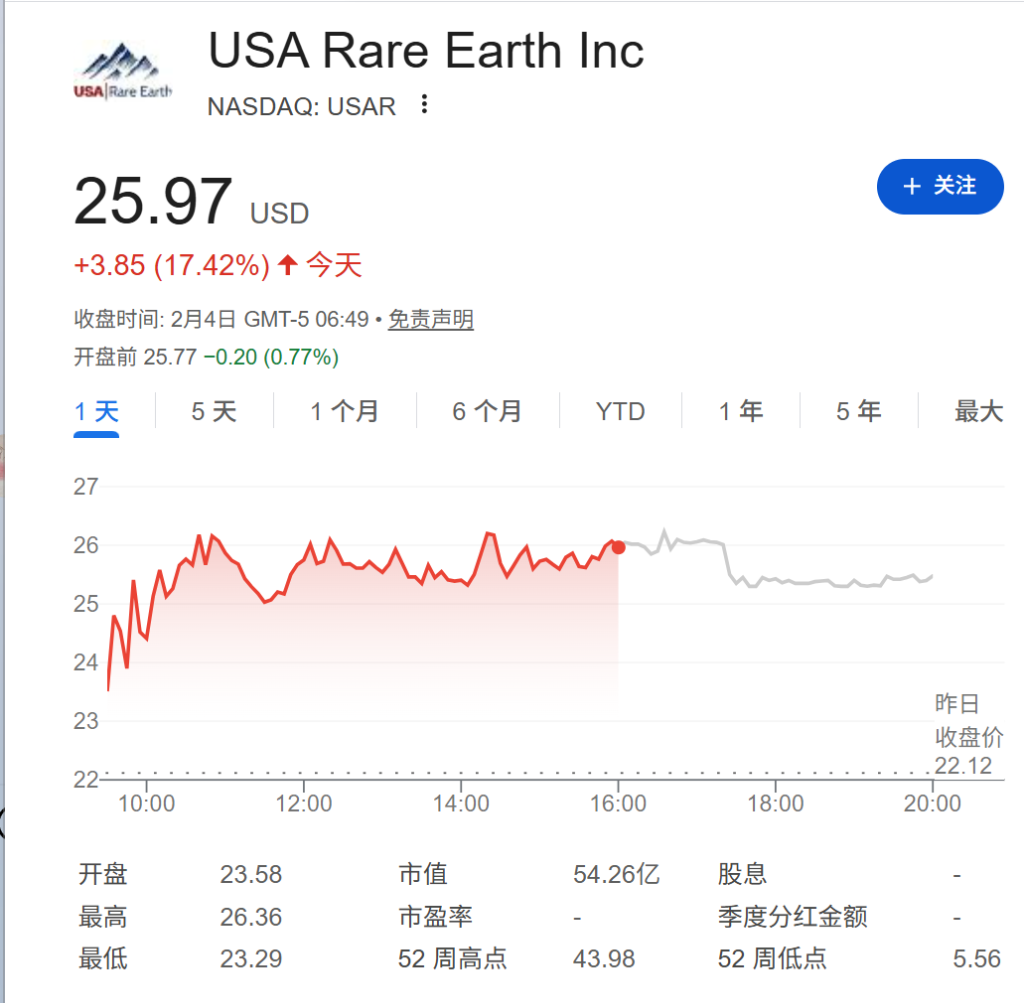
Core Viewpoint - The proposed legislation aims to increase the U.S. Export-Import Bank's loan limit by $70 billion to $205 billion and extend its authorization for ten years, supporting President Trump's strategic agenda in critical minerals [1][3]. Group 1: Legislative Proposal - The legislation seeks to significantly raise the Export-Import Bank's loan cap from $135 billion to $205 billion, emphasizing the need for reauthorization to maintain competitiveness against other developed nations [4]. - The proposal is backed by bipartisan support from Senator Kevin Cramer and Senator Mark Warner, reflecting a strategic shift in U.S. industrial policy to enhance domestic manufacturing supply chain resilience [3][4]. Group 2: Market Impact - Following the announcement, related sectors saw a surge in stock prices, with U.S. rare earth stocks rising by 17.46% and antimony stocks increasing by 5.3% in pre-market trading [1]. - The anticipated government capital injection is expected to directly boost the domestic mineral supply chain, enhancing market expectations for related industries [1]. Group 3: Strategic Initiatives - The legislation aligns with the recently launched "Project Vault," a $12 billion strategic reserve initiative aimed at establishing a commercial inventory of critical minerals essential for automotive, technology, and aerospace manufacturing [6]. - Major companies, including General Motors, Google, and Boeing, are participating in this initiative, which involves a collaborative procurement model with commodity traders [6]. Group 4: Supply Chain Security - The core logic behind the funding injection is to address vulnerabilities in global supply chains, particularly in energy and critical minerals, to reduce reliance on single external sources [7]. - The Export-Import Bank's financing will specifically support the establishment of domestic raw material reserves for downstream industries, aiming to mitigate price volatility and supply disruptions [7].


中信证券:资源国主动干预供给有望为关键矿产带来持续的供给约束及战略溢价
Xin Lang Cai Jing· 2025-10-22 00:18
Core Viewpoint - The rise of global resource nationalism is expected to lead to sustained supply constraints and strategic premiums for key minerals due to proactive interventions by resource-rich countries [1] Group 1: Supply Constraints - Resource-rich countries are likely to impose supply constraints on key minerals, particularly small metals, which are scarce and have high supply concentration, making them more susceptible to policy restrictions [1] - Indonesia's nickel export controls have proven effective in value retention, and the country is expected to further strengthen supply constraints on nickel and tin through production quota adjustments and crackdowns on illegal mining [1] Group 2: Market Dynamics - The Democratic Republic of Congo's shift from a cobalt export ban to a more flexible export quota system is anticipated to provide ongoing support for cobalt prices [1] - In the US and Europe, despite intentions to diversify and localize supply of key minerals, multiple challenges related to resources, technology, funding, and regulation may hinder short-term achievements [1]
