
防卫产业

Search documents
财经观察:造假丑闻频出,“日本制造”被什么绊住脚步?
Huan Qiu Shi Bao· 2026-01-04 22:53
Core Viewpoint - The article highlights the ongoing issues of data falsification in Japanese manufacturing, particularly focusing on Kawasaki Heavy Industries, which has been found to have falsified fuel efficiency data for submarine engines over a span of more than 30 years, raising concerns about the integrity of Japan's manufacturing reputation [1][2][3]. Group 1: Company-Specific Issues - Kawasaki Heavy Industries has been penalized with a two-and-a-half-month "designation suspension" by the Japanese Ministry of Defense, preventing the company from participating in competitive bidding from December 26, 2025, to March 11, 2026 [1]. - The falsification of fuel efficiency data has been ongoing since 1988, affecting 66 engines used in 33 submarines, which has raised questions about the quality control processes within the company [1][2]. - This incident is part of a broader pattern of quality issues within Kawasaki Heavy Industries, including previous scandals related to railway safety and air conditioning equipment [2]. Group 2: Industry-Wide Concerns - The article discusses a series of data falsification incidents across various sectors in Japan, including the automotive and railway industries, indicating a systemic issue rather than isolated cases [2][3]. - The Japanese automotive industry has faced scrutiny, with major manufacturers like Toyota and Honda found to have engaged in improper practices during the certification process for 38 vehicle models [2]. - The railway sector has also been implicated, with multiple companies found to have altered safety data following a serious incident involving a freight train derailment [3]. Group 3: Underlying Causes - Experts attribute the rise in falsification incidents to a fundamental shift in management practices within Japanese companies, moving away from quality-centric approaches to prioritizing profit maximization [4][5]. - The reliance on temporary workers has weakened the commitment to quality, as these employees often lack a sense of belonging and responsibility [5]. - Insufficient investment in research and development has also been identified as a critical factor, as companies have become conservative in their spending post-economic bubble, opting for short-term gains over long-term innovation [5][6]. Group 4: Implications for Trust and Reputation - The frequent scandals are eroding consumer trust in "Made in Japan" products, which were once synonymous with high quality and reliability [6][7]. - The article suggests that the current economic environment has forced companies into a dilemma between maintaining high standards and controlling costs, leading some to resort to deceptive practices [7]. - The Japanese government is beginning to strengthen regulatory oversight in response to these issues, but experts emphasize the need for a cultural shift within organizations to address the root causes of the problem [7].
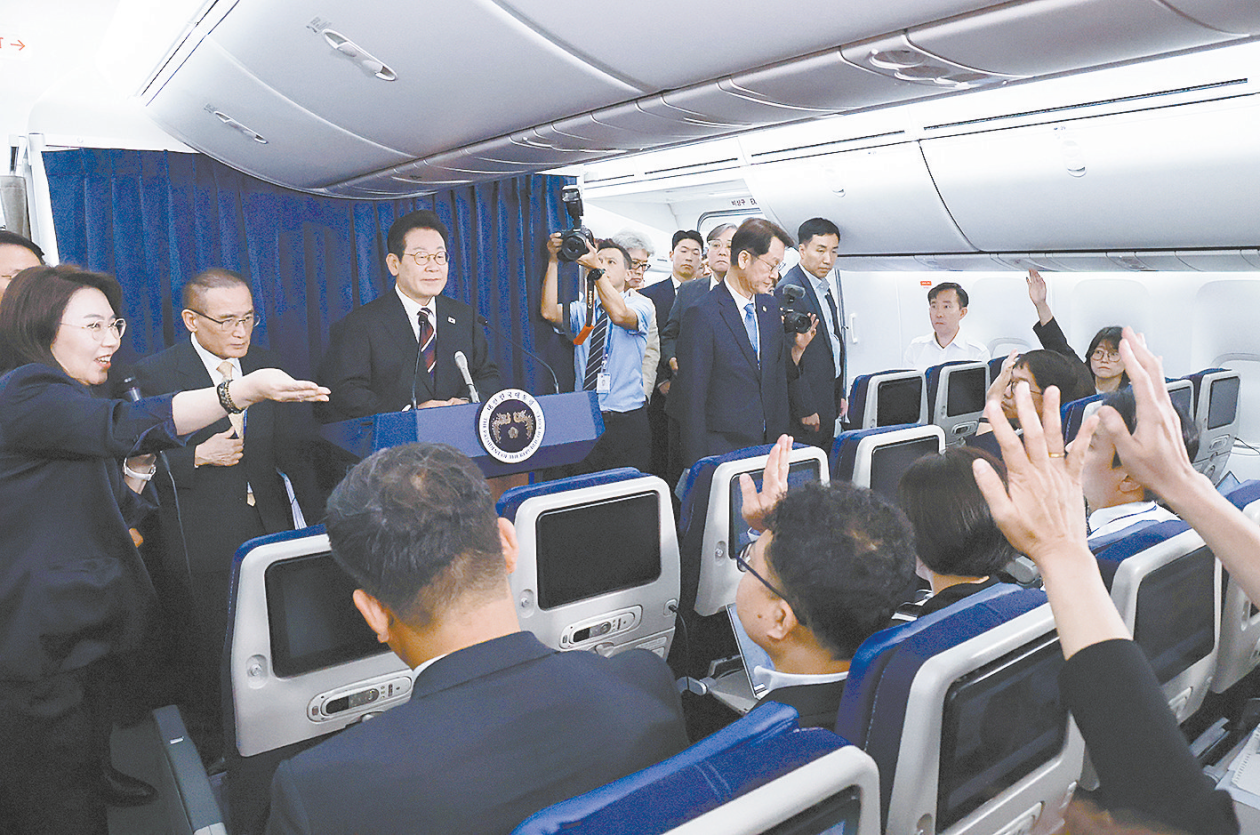
李在明访美手握“一个筹码”,韩国提出名为“让美国造船业再次伟大”项目
Huan Qiu Shi Bao· 2025-08-25 23:00
Group 1 - The core focus of the discussions between South Korean President Yoon Suk-yeol and U.S. President Trump revolves around the modernization of the U.S.-South Korea alliance and details of the trade agreement, particularly in the shipbuilding sector [1][4][6] - South Korea is the second-largest shipbuilding nation globally, following China, and has a significant advantage in terms of cost and time for constructing U.S. naval vessels compared to domestic U.S. shipyards [6][7] - The U.S. is looking to enhance its shipbuilding capabilities and has expressed interest in a large-scale shipbuilding agreement with South Korea, which includes a $150 billion fund for cooperation in the shipbuilding industry [6][7] Group 2 - The discussions also highlight the strategic importance of the shipbuilding industry as a bargaining chip for South Korea in its negotiations with the U.S., with the slogan "Make American Shipbuilding Great Again" being used to frame the partnership [5][6] - There are concerns among South Korean residents regarding the potential negative impact of increased cooperation with the U.S. on local shipbuilding investments, as more production may shift to U.S. facilities [7] - The visit includes a planned tour of a Philadelphia shipyard acquired by Hanwha, indicating a focus on expanding South Korean investments in the U.S. shipbuilding sector [8]

日本首相石破茂:同意推动日本与欧盟之间的产业对话,以加强防卫产业。
news flash· 2025-07-23 09:40
Group 1 - The core viewpoint of the article is that Japanese Prime Minister Shigeru Ishiba has agreed to promote industrial dialogue between Japan and the European Union to strengthen the defense industry [1] Group 2 - The initiative aims to enhance collaboration in the defense sector, indicating a strategic move towards bolstering national security and defense capabilities [1] - This dialogue could lead to increased investment opportunities and partnerships in defense technology and manufacturing between Japan and EU countries [1] - The focus on defense industry collaboration reflects a broader trend of nations seeking to enhance their military capabilities through international cooperation [1]