
高压设备

Search documents
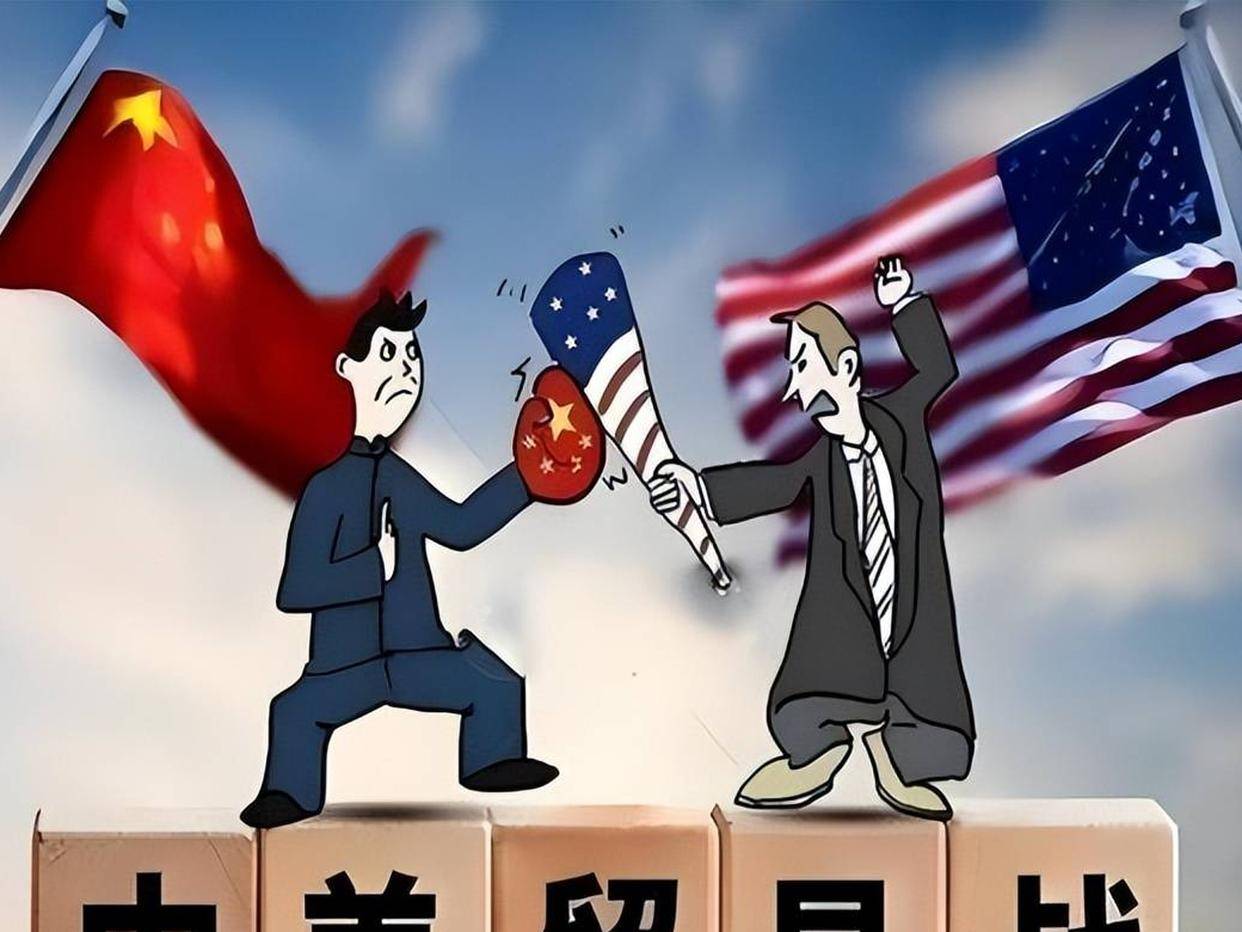
中美博弈升级:美元难换货,中国出口难题谁能先破
Sou Hu Cai Jing· 2026-02-27 22:52
Group 1 - The current global economic situation reflects a paradox where the U.S. holds vast amounts of dollars but struggles with rising prices for basic goods, while China, despite having a complete industrial chain, faces challenges in selling its products at fair prices in international markets [1][9][10] - The U.S. has relied on a "dollar for goods" model, which has fostered a sense of entitlement, but this approach is becoming unsustainable as geopolitical tensions rise and supply chains are disrupted [3][6][16] - The U.S. attempts to shift supply chains to Southeast Asia and Latin America have proven ineffective, as these regions lack the necessary infrastructure to replace China's manufacturing capabilities [5][14] Group 2 - Inflation in the U.S. is a significant concern, with the Federal Reserve caught in a dilemma between raising interest rates to combat inflation and lowering them to avoid financial instability [8][19] - China is experiencing internal challenges with excess production capacity and external market barriers, leading to a misalignment of supply and demand [12][13] - The competitive pricing of Chinese products in sectors like renewable energy is squeezing out alternative manufacturing countries, highlighting China's industrial strength [13][14] Group 3 - The U.S. is facing a potential crisis as its dollar hegemony is threatened by China's strategic moves to reduce U.S. debt holdings and accumulate gold and other strategic resources [18][19] - The U.S. national debt, which stands at $35 trillion, is becoming increasingly burdensome, with interest payments nearing military spending levels, raising concerns about fiscal sustainability [20][21] - The ongoing geopolitical competition is characterized by a contrast in strategic patience, with the U.S. seeking quick resolutions while China adopts a long-term approach [25][26] Group 4 - The current global economic landscape is shifting towards a new order where the ability to produce value will determine future success, rather than mere political posturing [28][29] - The historical context suggests that true power lies in the ability to create and deliver goods, rather than in the loudest rhetoric [29]

中能电气8.57亿收购三家亏损企业 刚扭亏就要“赌一把大的”?
Xin Lang Cai Jing· 2025-12-25 07:03
Core Viewpoint - Zhongneng Electric plans to acquire 65% stakes and corresponding debts in three companies for a total consideration of 857 million yuan, despite facing significant financial challenges and a recent history of losses [1][2]. Financial Performance - In 2024, Zhongneng Electric reported a revenue of 1.148 billion yuan, a sharp decline of 30.85% year-on-year, with a net loss of 77.5264 million yuan [1]. - The company's performance ranked 112th in net profit among its peers, indicating a weak position in the industry [1]. - In 2025, the company showed slight improvement with a revenue of 957 million yuan in the first three quarters, down 4.30% year-on-year, and a net profit of 5.1124 million yuan, largely due to a strong third quarter [1]. - Despite the profit in the third quarter, the net cash flow from operating activities was -156 million yuan, indicating weak cash generation capabilities [1]. Acquisition Details - The acquisition involves three companies primarily engaged in the research, production, and sales of high-voltage transformers and switches, with a combined revenue of 1.154 billion yuan in 2024 [2]. - Two of the target companies reported losses in the first ten months of the year, raising concerns about the viability of the acquisition [2]. - The company has a cash reserve of 661 million yuan as of September 30, 2025, which is insufficient to cover the acquisition cost without considering potential premiums [2]. Market Context - The high-voltage equipment market is becoming increasingly competitive, with other companies like Huaming Equipment achieving over 30% of their revenue from overseas [3]. - Zhongneng Electric's target companies have a concentrated customer base primarily consisting of State Grid and major industry clients, which may limit their risk resilience [3]. Strategic Implications - The acquisition is seen as a potential way to fill gaps in Zhongneng Electric's high-voltage segment and enhance market share through synergies [3]. - However, the decision to invest all cash reserves in acquiring loss-making assets raises questions about the company's risk management strategy [4].
