中美博弈

Search documents
再论稀土-钨-铀战略价值
2026-03-22 14:35
Summary of Key Points from Conference Call Records Industry Overview - The conference call discusses the strategic value of rare earths, tungsten, and uranium, highlighting their market dynamics and investment opportunities in the context of geopolitical tensions and macroeconomic conditions [1][2][3][4]. Tungsten Market Insights - Tungsten concentrate prices have stabilized around 1.03 million CNY per ton, driven by war narratives and consistent demand for ammunition and inventory replenishment [1][2]. - Despite a price increase of 7 to 8 times over the past year, the demand driven by war-related consumption is expected to sustain the high price levels for the next 2-3 years [2][3]. - The supply side is anticipated to see some incremental increases in 2026-2027, but these are unlikely to offset the demand driven by military spending [2][3]. - Companies to watch include Zhongtung High-tech and Xiamen Tungsten, which have resource growth expectations, as well as China Uranium and CGN Mining, which are entering a favorable valuation range [1][3]. Rare Earth Market Dynamics - After the Spring Festival in 2026, prices for praseodymium and neodymium oxide have retreated due to increased downstream operating rates and the conclusion of proactive inventory replenishment [3]. - Despite the price drop, processing fees for medium and heavy rare earths remain strong, indicating a scarcity in the smelting segment rather than at the mining level [3]. - The long-term upward trend in rare earth prices remains intact, supported by strong demand in high-tech sectors and overseas inventory replenishment needs [3]. - Key companies to consider include Northern Rare Earth, China Rare Earth, and Shenghe Resources, particularly in the context of macroeconomic hedging against geopolitical uncertainties [3]. Uranium Market Analysis - The spot price of natural uranium has stabilized around $86, with a backwardation situation compared to the long-term price of approximately $90 [4]. - 2026 is projected to be a pivotal year for the uranium industry, marked by capital expenditure expansion, inventory replenishment, and price increases [4]. - The adjustment in stock prices is attributed to both commodity price pressures and valuation concerns, but companies like China Uranium and CGN Mining are expected to enter a highly favorable valuation range if stock prices continue to adjust [4]. - Investment opportunities are highlighted in the context of the upcoming nuclear power projects in China, with a focus on the strong resource growth potential of CGN Mining [4]. Additional Considerations - The overall sentiment in the tungsten market remains cautious, with a focus on the balance between supply and demand amid ongoing geopolitical tensions [2][3]. - The rare earth sector is seen as a macro hedge against the backdrop of de-globalization and U.S.-China relations, emphasizing the importance of strategic resource allocation [3].
贵金属日评-20260310
Jian Xin Qi Huo· 2026-03-10 01:53
Report Information - Report Title: Precious Metals Daily Review - Date: March 10, 2026 - Research Team: Macro Finance Team - Researchers: He Zhuoqiao, Huang Wenxin, Nie Jiayi [2] Report Industry Investment Rating - Not provided Core Viewpoints - In the medium to long - term, the unprecedented changes in a century and Sino - US competition will continue to drive the gold price up. In the short - term, the Iran war boosts safe - haven demand but also weakens the Fed's rate - cut expectations and pushes up the US dollar exchange rate. The precious metals sector has high volatility, and the gold price is expected to show a wide - range shock pattern. Investors are advised to take a bullish position while strictly controlling positions. This week, attention should be paid to the development of the Iran situation, Sino - US price data, and China's trade data [4] - After the sharp decline at the end of January due to the Fed's suspension of the rate - cut process and Trump's nomination of a hawkish Fed chairman candidate, the precious metals sector showed a strong sign of stabilizing and rebounding in February. Affected by factors such as the chaotic international trade situation, the gloomy global economic growth outlook, the Fed's loose monetary policy, and rising geopolitical risks, the precious metals sector is expected to continue to rise strongly along the upward trend line since September 2025. However, historical experience shows that the precious metals rally driven by geopolitical conflicts is often short - lived, and investors are advised to control positions, maintain a bullish view, long - hedgers can seize the opportunity to establish hedging positions, and short - hedgers should appropriately reduce hedging positions [6] Summary by Directory 1. Precious Metals Market Conditions and Outlook Intraday Market - The weak US job market boosts the Fed's rate - cut expectations. However, Iran's blockade of the Strait of Hormuz hinders international crude oil trade, and Iran's selection of a hard - line successor as the supreme leader raises concerns about the long - termization of the Iran war. Rising oil prices and inflation may hinder the Fed from cutting rates. On Monday's Asian session, the London gold price once fell to $5014 per ounce [4] Medium - term Market - After the sharp decline in late January, the precious metals sector rebounded in February. On February 20, the US Federal Supreme Court's ruling that the Trump administration had no right to levy tariffs under the IEEPA re - destabilized international trade, pushing the international gold price up to around $5200 per ounce, and Middle - East geopolitical risks increased the safe - haven demand for precious metals [6] Domestic Precious Metals Market Conditions | Contract | Previous Closing Price | Highest Price | Lowest Price | Closing Price | Change (%) | Open Interest | Change in Open Interest | | --- | --- | --- | --- | --- | --- | --- | --- | | SHFE Gold Index | 1,143.78 | 1,155.57 | 1,123.86 | 1,143.19 | - 0.05% | 289,469 | 4731 | | SHFE Silver Index | 21,571 | 21,857 | 20,433 | 21,576 | 0.03% | 492,049 | - 5469 | | GZFE Platinum Index | 559.04 | 558.89 | 521.83 | 548.31 | - 1.92% | 26,741 | - 639 | | GZFE Palladium Index | 420.61 | 416.08 | 399.48 | 412.47 | - 1.94% | 9,253 | 26 | [5] 2. Precious Metals Market - Related Charts - The report includes charts such as Shanghai gold and silver futures indexes, London gold and silver spot prices, the basis of Shanghai futures indexes against Shanghai Gold Exchange T + D, gold and silver ETF holdings, the gold - silver ratio, and the correlation between London gold and other assets, with data sources from Wind and the Research and Development Department of CCB Futures [8][10][16] 3. Major Macroeconomic Events/Data - Iran announced that Mojtaba Khamenei would succeed his father Ali Khamenei as the supreme leader, indicating that the hard - line faction still firmly controls the Tehran regime. Israeli Prime Minister Netanyahu said the government would continue military operations [17] - US employment decreased by 92,000 in February unexpectedly, and the unemployment rate rose to 4.4%, which may indicate a deterioration in the labor market. The decline in employment was partially due to strikes in the healthcare industry and winter storms affecting the construction and leisure and hospitality industries [17] - Due to the Iran war, Iraq's oil production in southern major oil fields has dropped by 70%. Qatar's energy minister said that if the Iran conflict continues and pushes the oil price to $150 per barrel, all Gulf energy - producing countries are expected to stop exports within weeks. Kuwait National Petroleum Company also started to cut crude oil production and declared force majeure [17]
战争不是卖出的理由!大部分地缘冲突只是在指数上涨过程中挖了个坑
雪球· 2026-03-05 13:01
Group 1 - The article discusses the impact of geopolitical conflicts, specifically the recent Middle East tensions, on global markets, noting that even gold has not been spared from declines [3][10]. - It argues that most geopolitical conflicts do not serve as valid reasons for selling stocks, as they often only create temporary market dips rather than long-term downturns [5][26]. - Historical data shows that markets typically recover from declines caused by geopolitical events within 30 days, with most indices regaining lost ground within 20 days [15][25]. Group 2 - The article highlights that the current market reaction is more pronounced due to extreme market differentiation and leverage, which has intensified volatility [31][32]. - It emphasizes that the dynamics of geopolitical conflicts are unpredictable, making it challenging for investors to time their buy and sell decisions effectively [22][34]. - The analysis of the current situation in Iran suggests that while there is a desire to increase oil prices, the actual ability to do so is limited due to economic constraints and the potential for significant backlash [28][42].

中美博弈升级:美元难换货,中国出口难题谁能先破
Sou Hu Cai Jing· 2026-02-27 22:52
Group 1 - The current global economic situation reflects a paradox where the U.S. holds vast amounts of dollars but struggles with rising prices for basic goods, while China, despite having a complete industrial chain, faces challenges in selling its products at fair prices in international markets [1][9][10] - The U.S. has relied on a "dollar for goods" model, which has fostered a sense of entitlement, but this approach is becoming unsustainable as geopolitical tensions rise and supply chains are disrupted [3][6][16] - The U.S. attempts to shift supply chains to Southeast Asia and Latin America have proven ineffective, as these regions lack the necessary infrastructure to replace China's manufacturing capabilities [5][14] Group 2 - Inflation in the U.S. is a significant concern, with the Federal Reserve caught in a dilemma between raising interest rates to combat inflation and lowering them to avoid financial instability [8][19] - China is experiencing internal challenges with excess production capacity and external market barriers, leading to a misalignment of supply and demand [12][13] - The competitive pricing of Chinese products in sectors like renewable energy is squeezing out alternative manufacturing countries, highlighting China's industrial strength [13][14] Group 3 - The U.S. is facing a potential crisis as its dollar hegemony is threatened by China's strategic moves to reduce U.S. debt holdings and accumulate gold and other strategic resources [18][19] - The U.S. national debt, which stands at $35 trillion, is becoming increasingly burdensome, with interest payments nearing military spending levels, raising concerns about fiscal sustainability [20][21] - The ongoing geopolitical competition is characterized by a contrast in strategic patience, with the U.S. seeking quick resolutions while China adopts a long-term approach [25][26] Group 4 - The current global economic landscape is shifting towards a new order where the ability to produce value will determine future success, rather than mere political posturing [28][29] - The historical context suggests that true power lies in the ability to create and deliver goods, rather than in the loudest rhetoric [29]
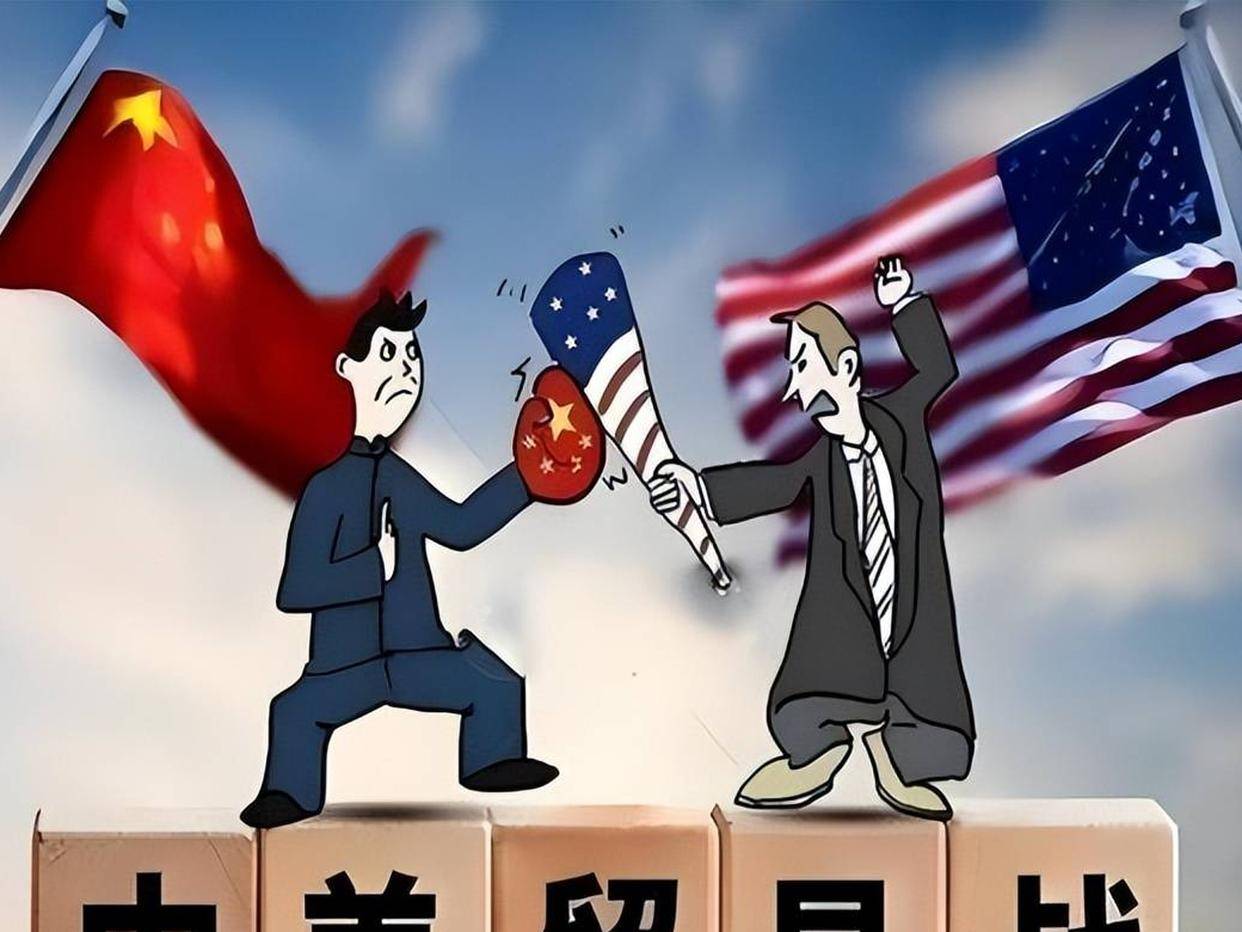
未知机构:汇率684了人民币最近加速升值在岸离岸人民币已经684-20260227
未知机构· 2026-02-27 02:30
Summary of Key Points from the Conference Call Industry Overview - The discussion revolves around the currency exchange rates, specifically focusing on the Chinese Yuan (CNY) and its recent appreciation against the US Dollar (USD) Core Insights and Arguments 1. **Recent Currency Movement**: The onshore and offshore Chinese Yuan has recently appreciated to over 6.84 against the US Dollar, indicating a significant strengthening of the currency [1] 2. **Geopolitical Perspective**: The ongoing US-China competition has shifted from "strategic defense" to "strategic stalemate" as of 2025, suggesting that the international community tends to support the winning side, which is reflected in currency and stock market movements [1] 3. **Currency Value Analysis**: In early 2022, the USD/CNY exchange rate was above 6.3, indicating that the Yuan was not overvalued at that time due to strong Chinese exports. The subsequent inflation in the US led to interest rate hikes, which theoretically should have caused the USD to depreciate against the Yuan [1] 4. **Market Behavior**: Financial markets often focus on nominal returns rather than actual purchasing power changes, which has led to the USD appreciating against the Yuan despite the inflationary pressures [1] 5. **Future Projections**: There is speculation that if the USD begins to lower interest rates, the Yuan could potentially return to 6.3 or even strengthen beyond that level [1] 6. **Emerging Market Dynamics**: There appears to be a global trend where currencies of developing countries are often undervalued compared to those of developed nations when viewed through the lens of purchasing power parity [1] Additional Important Insights - The appreciation of the Yuan is not just a reflection of domestic economic strength but also a response to international geopolitical dynamics and market perceptions [1] - The discussion highlights the complexity of currency valuation, which is influenced by both macroeconomic factors and market psychology [1]
未知机构:人民币最近加速升值在岸离岸人民币已经684了-20260227
未知机构· 2026-02-27 02:25
Summary of Key Points from the Conference Call Industry Overview - The discussion revolves around the Chinese currency, Renminbi (RMB), and its recent appreciation against the US dollar, with the onshore/offshore RMB reaching 6.84+ [1] Core Perspectives and Arguments 1. **Geopolitical Perspective** - The ongoing US-China competition has shifted from "strategic defense" to "strategic stalemate" as of 2025, indicating a more balanced power dynamic [1] - The international community tends to support the winning side, which is reflected in currency and stock market movements [1] 2. **Currency Value Perspective** - In early 2022, the USDCNY exchange rate was 6.3+, indicating strong Chinese exports and suggesting that the RMB was not overvalued at that time [1] - Despite high inflation leading to interest rate hikes in the US and Europe, which theoretically should weaken the dollar against the RMB, the dollar appreciated against the RMB due to market focus on nominal returns rather than actual purchasing power changes [1] - There is speculation that if the US begins to lower interest rates, the RMB could potentially return to 6.3 or even strengthen beyond that level [1] 3. **Path to Becoming a Developed Economy** - There appears to be a global trend where developing countries' currencies are undervalued compared to developed countries when assessed through purchasing power parity [1]
被中国卡脖子是啥下场?美国沦落到捡破烂,军工领域受制于人
Sou Hu Cai Jing· 2026-02-24 12:47
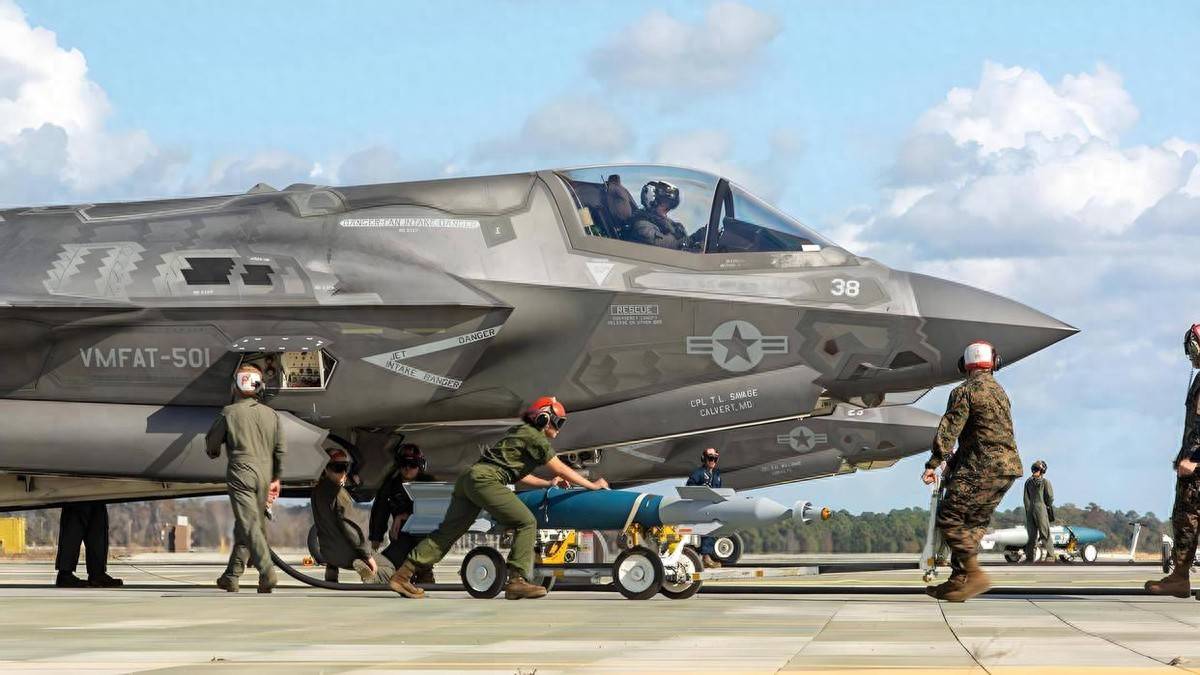
Core Viewpoint - The article discusses the predicament of the U.S. military-industrial complex, highlighting its dependency on Chinese rare earth elements, which has led to significant production challenges and delays in weapon manufacturing [1][3][5]. Group 1: U.S. Military-Industrial Challenges - The U.S. military, despite its high defense budget of $900 billion, is struggling to maintain production due to a lack of essential materials, specifically rare earth elements [1][3]. - The U.S. has resorted to purchasing rare earth stocks from a defunct factory in France, which contains 200 tons of samarium ore, crucial for manufacturing F-35 fighter jets and Tomahawk missiles [3][5]. - Production lines for the F-35 have faced multiple shutdowns, and the delivery of F-16V jets to Taiwan has been delayed until 2027, indicating a severe operational crisis [3][5]. Group 2: Dependency on Chinese Rare Earths - The U.S. has become heavily reliant on China for rare earth elements, having offshored critical mining and refining processes to focus on service and financial sectors [5][7]. - Rare earths, comprising 17 metal elements, are essential for various high-tech applications, and the U.S. military's dependency has reached a point where production is unfeasible without them [7][9]. - The U.S. lacks domestic refining capabilities for rare earths, with the only operational mine producing light rare earths, insufficient for military needs [9][11]. Group 3: Historical Context and Policy Implications - The decline of U.S. rare earth production capabilities can be traced back to a lack of investment in mining and metallurgy education, leading to a significant technological gap [9][13]. - The U.S. government's past decisions to abandon its rare earth industry have resulted in a critical vulnerability, which China has exploited by establishing dominance in the global rare earth market [9][19]. - China's control over rare earth production, with a projected 70% of global output by 2024, has created a strategic leverage point in the ongoing U.S.-China rivalry [9][19]. Group 4: Future Outlook and Market Dynamics - The U.S. faces a daunting task to rebuild its rare earth supply chain, requiring over $300 billion and a minimum of 10 years to establish a complete mining and refining system [13][15]. - Environmental regulations and high labor costs further complicate the U.S. efforts to revitalize its rare earth industry, making it challenging to compete with China's established capabilities [15][17]. - The recent surge in rare earth prices, driven by increased demand and China's export restrictions, underscores the shifting dynamics in the global supply chain [18][19].
访华时间终于定了!特朗普被没收关税大棒,美国就是拔了牙的老虎
Sou Hu Cai Jing· 2026-02-24 06:42
Core Viewpoint - The U.S. Supreme Court ruled that Trump's global tariff imposition was illegal and unconstitutional, raising questions about his ability to influence global affairs, particularly with China [2][12] Group 1: Impact of the Supreme Court Ruling - The ruling has effectively stripped Trump of his most powerful economic weapon, the tariffs, leading to speculation about his diminished leverage in negotiations with China [2][12] - Despite the loss of the tariff tool, the visit to China may still hold significance for U.S.-China relations, potentially marking a new phase in diplomatic engagement [6][10] Group 2: Trump's Negotiation Strategy - Without the tariff leverage, Trump may adopt a more conciliatory and rational approach during negotiations with China, moving away from aggressive tactics [8][10] - The absence of tariffs could lead Trump to reassess the importance of allies and consider a more diversified diplomatic strategy, similar to the Biden administration's approach [10][12] Group 3: Future of U.S.-China Relations - The Supreme Court's decision may signal a return to traditional diplomatic strategies for the U.S., moving away from reliance on economic sanctions as the primary tool against China's rise [12] - The ongoing U.S.-China competition is evolving into a long-term struggle, as indicated by the timeline of events from the tariff ceasefire agreement to the Supreme Court ruling [13]
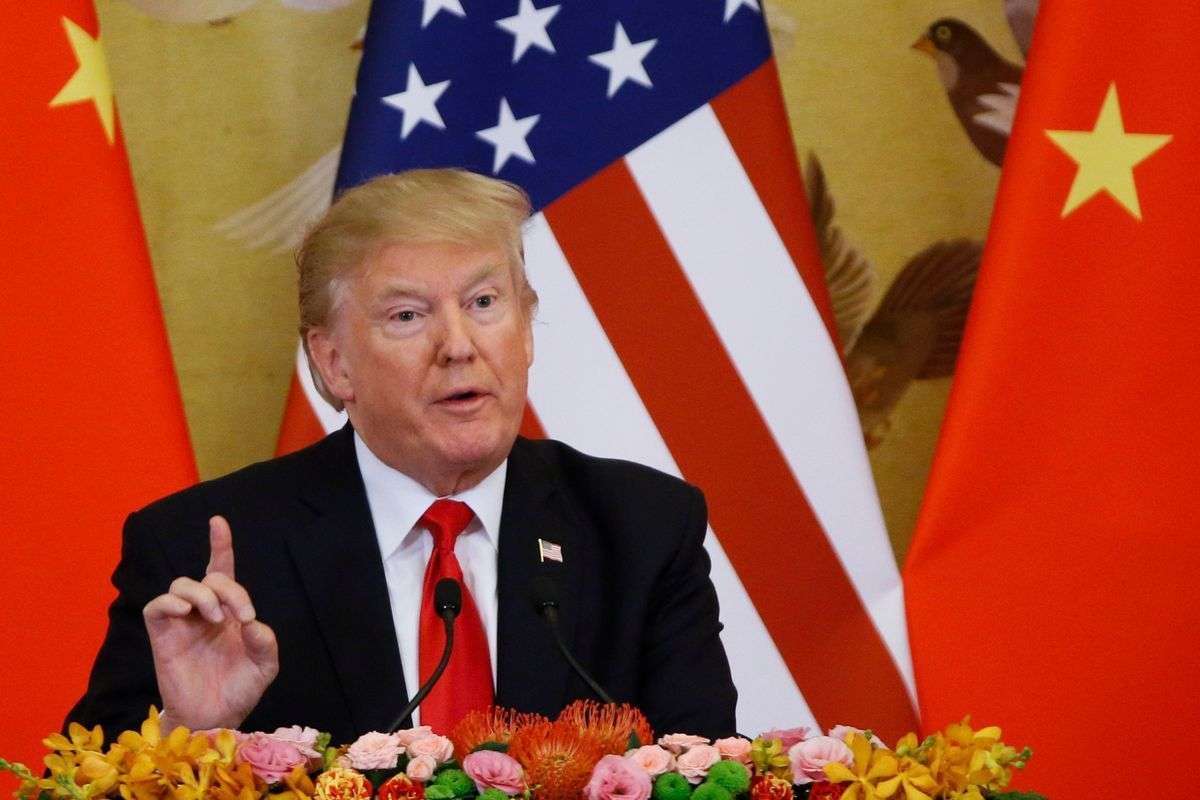
王毅霸气亮出红绿灯,美国秒怂24小时内,鲁比奥火速求对话
Sou Hu Cai Jing· 2026-02-22 06:38
Group 1 - The U.S. is preparing to impose tariffs on graphite imports from China, despite the fact that two-thirds of its graphite imports rely on China, raising questions about whether this move is a sanction against China or a self-inflicted economic wound [1][3] - In 2024, the U.S. is expected to import 180,000 tons of graphite, with 120,000 tons coming from China, highlighting the contradiction in U.S. policy of wanting to reduce dependence on Chinese imports while simultaneously increasing them [3] - The U.S. Secretary of State Rubio's urgent meeting with Chinese officials after Wang Yi's statements indicates a recognition of the need for dialogue, yet the ongoing tariff legislation suggests a dual approach of negotiation and confrontation [1][6] Group 2 - The geopolitical dynamics reveal that the U.S. is in a precarious position, unable to afford a complete break with China, especially given China's control over critical supply chains for rare earths, graphite, and solar energy [8] - The potential implementation of graphite tariffs could lead to significant repercussions for U.S. industries, reminiscent of past scenarios where U.S. defense sectors faced challenges due to China's rare earth export restrictions [8] - Wang Yi's ultimatum emphasizes that China is open to cooperation but will respond decisively to confrontation, indicating a strategic stance that could impact future U.S.-China relations [4][8]
中美博弈结束了吗?现实更残酷:美国没输,只是连牌桌都下不去了
Sou Hu Cai Jing· 2026-02-20 14:59
Group 1 - The U.S.-China competition has evolved from a trade war to a broader industrial and technological rivalry, with the U.S. struggling to revive its manufacturing sector while China continues to strengthen its industrial base [1][25] - U.S. manufacturing now accounts for only about 10% of GDP, with a significant portion concentrated in military, semiconductor, and pharmaceutical sectors, indicating a hollowing out of other manufacturing areas [2][3] - China has maintained its position as the world's leading manufacturer for 15 consecutive years, with manufacturing value added projected to reach 31.6% of the global total by 2024 [4] Group 2 - China's exports have shifted from low-end goods to high-tech products, such as advanced machinery and digital devices, which are more profitable [5] - The U.S. attempts to repatriate manufacturing through tariffs have backfired, as high labor and land costs make domestic production unfeasible [6][7] - The semiconductor industry has become a focal point of U.S.-China tensions, with the U.S. imposing strict technology export controls, yet China has managed to increase its domestic production and reduce imports by 15.4% in 2023 [9][11] Group 3 - China's electric vehicle exports surged to 4.91 million units in 2023, marking its first position as the global leader in this sector, with products featuring advanced technology [15] - The shipbuilding industry is another stronghold for China, producing over half of the world's commercial vessels and holding a 66.6% share of new orders [15] - The U.S. military-industrial complex is facing challenges due to reliance on foreign supply chains, which has led to production delays and increased costs [16][20] Group 4 - China's military spending is significantly lower as a percentage of GDP compared to the U.S., yet it has maintained robust military development and capabilities [22] - The U.S. is realizing that its military production cannot keep pace with potential conflicts, especially when compared to China's industrial capacity [21] - The ongoing conflict in Ukraine has highlighted the limitations of U.S. military supply chains and production capabilities [20] Group 5 - The competition between the U.S. and China is not just bilateral but reflects a global struggle between two development models: one based on financial dominance and military deterrence, and the other on real economic cooperation and industrial upgrading [53][54] - China's approach to global governance emphasizes infrastructure development and economic partnerships, contrasting with the U.S. model that often includes political conditions and military support [48][51] - The interdependence of global supply chains means that complete decoupling is unlikely, as many countries seek to maintain trade relations with China [60]