高速服务区运营

Search documents
产业链联动 多地打造新场景激发消费新活力
Yang Shi Xin Wen Ke Hu Duan· 2025-11-29 01:19
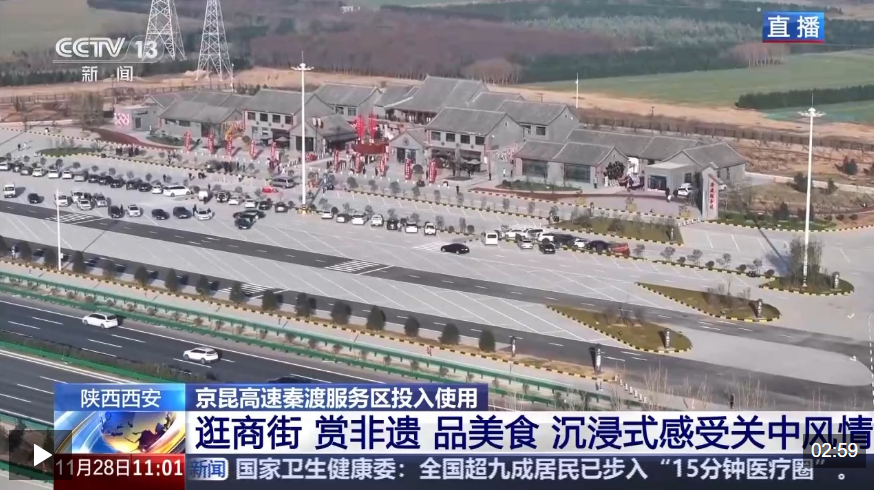
Group 1 - The Qin Du Service Area officially opened on November 28, featuring a new immersive consumption service model that includes shopping streets, intangible cultural heritage displays, and local cuisine [1][3][12] - Located approximately 30 kilometers from Xi'an, the service area covers 180 acres and offers 484 parking spaces, equipped with smart guidance devices [3][12] - The service area is designed as a cultural hub, showcasing traditional architecture and local cultural elements, creating an atmosphere reminiscent of a Guanzhong-style town [3][5] Group 2 - The service area features interactive experiences with intangible cultural heritage, including workshops for paper-cutting and fabric tiger-making, allowing visitors to engage in traditional crafts [7][9] - A variety of local delicacies are available, such as Qin Town rice noodles and meat sandwiches, enhancing the culinary experience for travelers [10][12] - The establishment of the service area is expected to create over a hundred local jobs and contribute to rural revitalization, reflecting the transformation of transportation hubs into cultural spaces [12] Group 3 - The rise of new consumption scenarios in China highlights the diversification of the consumer market, where new supply and demand continuously generate fresh vitality in the consumption sector [12][19] - The integration of cultural and travel experiences in service areas represents a broader trend in the industry, emphasizing the importance of creating unique consumer experiences [12][19]

江苏阳澄湖服务区,竟然是浙江人开的?
3 6 Ke· 2025-04-30 07:38
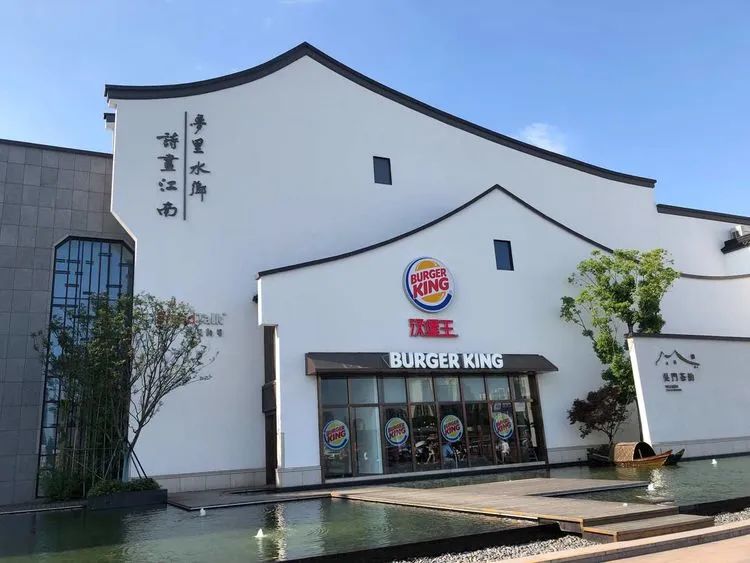
Core Viewpoint - The article highlights the transformation of highway service areas in China, particularly focusing on the Yangcheng Lake service area in Suzhou, which has evolved into a comprehensive commercial and cultural hub, showcasing the entrepreneurial spirit of operators from Zhejiang province, particularly from Qiantang. Group 1: Service Area Features - The Yangcheng Lake service area incorporates elements of Suzhou's traditional gardens, offering a wide range of dining options and facilities, including a technology museum and a non-heritage exhibition hall, making it feel like a shopping mall rather than a typical service area [2][3][32] - The service area provides family-friendly amenities such as mother-baby rooms and children's toilets, enhancing the overall customer experience [3][32] Group 2: Business Model and Economic Impact - Operators from Qiantang have turned highway service areas into a billion-dollar industry, with approximately 1,200 out of 3,200 service areas in China being operated by them, generating an estimated annual revenue of over 200 billion yuan [7][9][12] - The initial success of these service areas stemmed from the sale of local specialties like Hangbai chrysanthemum tea, which attracted travelers and led to the expansion of services offered [10][14][18] Group 3: Evolution of Service Areas - The article discusses how the operators adapted their business models by introducing fast food and self-service options to cater to the needs of time-sensitive travelers, moving away from traditional dining models [18][20][22] - Upgrades to service areas have included the introduction of warehouse-style supermarkets and a variety of dining options, significantly increasing customer satisfaction and sales [20][36] Group 4: Competitive Advantage - The operators from Qiantang have leveraged their experience and understanding of the service area market to secure operating rights across multiple provinces, often outbidding competitors [23][29][31] - The strategic location of service areas near tourist attractions and high traffic routes has been crucial for their success, with daily traffic volumes being a key factor in profitability [25][28] Group 5: Consumer Engagement - The transformation of service areas into attractive destinations has not only drawn in travelers but also local residents, creating a dual customer base and enhancing overall foot traffic [32][34] - The article notes that the successful branding and customer service strategies employed by Qiantang operators have resulted in a high rate of repeat customers, with 60% of visitors returning [22][36]