
Computer and Electronics

Search documents
杭州2025年GDP超2.3万亿元
Hang Zhou Ri Bao· 2026-01-22 02:50
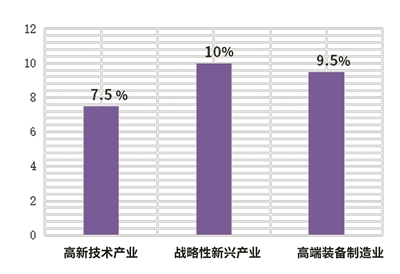
Economic Growth Overview - Hangzhou's GDP reached 2.3011 trillion yuan in 2025, growing by 5.2% year-on-year, surpassing the national growth rate [5] - The city aims to achieve a GDP of 3 trillion yuan and a per capita GDP exceeding 30,000 USD by 2030, laying a solid foundation for these targets [5] Industrial Performance - The industrial added value for large-scale industries grew by 6.0%, with high-tech industries, strategic emerging industries, and high-end equipment manufacturing increasing by 7.5%, 10.0%, and 9.5% respectively [5] - The computer communication and other electronic equipment manufacturing sectors saw a growth of 13.4%, while the automotive manufacturing sector experienced a significant increase of 36.7% [5] Emerging Technologies - New energy vehicle production surged by 383.0%, while industrial robot and 3D printing equipment production increased by 38.6% and 15.1% respectively, showcasing the success of Hangzhou's "digital-physical integration" strategy [6] Service Sector Contribution - The service sector's added value reached 1.6997 trillion yuan, accounting for 73.8% of GDP, with a growth rate of 5.3% [6] - Key digital economy enterprises like Alibaba and Ant Group are driving growth, with Alibaba's "cloud + AI" strategy supporting the national large model industry [6] Export and Domestic Demand - Total foreign trade exports reached 646.9 billion yuan, growing by 8.7%, driven by local enterprises expanding overseas [7] - Domestic consumption also showed strong growth, with retail sales of consumer goods reaching 949.9 billion yuan, reflecting a shift towards high-end, intelligent, and quality products [8] Overall Economic Strategy - Hangzhou's economic growth is characterized by a systemic high-quality development driven by new productive forces, integrating industrial upgrading with service innovation [8] - The city is positioned as a hub for private economic development, with local enterprises playing a crucial role in market innovation [9]

中国经济 - 反内卷影响在上游行业显现-China_Economics_Anti-Involution_Impact_Surfaces_in_Upstream_Sectors
2025-09-11 12:11
Summary of the Conference Call on China Economics Industry Overview - The report focuses on the **Chinese economy**, particularly the inflation metrics and the impact of anti-involution on various sectors [1][4][5]. Key Points and Arguments 1. **CPI and PPI Trends**: - China's headline **CPI** turned negative at **-0.4% YoY** in August, primarily due to falling food prices [4][6]. - The **PPI** reading improved to **-2.9% YoY**, with a sequential change of **0.0% MoM**, marking the end of an 8-month streak of negative prints [5][6]. 2. **Food Prices Impact**: - Food prices increased by **0.5% MoM**, but the year-on-year decline widened to **-4.3% YoY**, the largest contraction since February 2024 [6]. - Pork prices continued to decline, reaching **-16.1% YoY**, while vegetables and fruits also saw significant price drops [6]. 3. **Core Inflation**: - Core inflation, excluding food and energy, rose to **0.9% YoY**, with core goods inflation reaching **1.4% YoY**, the highest since February 2020 [6][13]. 4. **Sector-Specific Insights**: - Upstream sectors showed signs of reflation, particularly in coal and ferrous metal mining, where contractions narrowed significantly [5][6]. - Downstream sectors, including solar and NEVs, experienced selective recovery, but overall demand remains a concern [5][6]. 5. **Future Expectations**: - A firm pickup in CPI is expected towards year-end, despite near-term volatility, with ongoing upstream reflation for PPI [1][15]. - Incremental policy measures are anticipated, focusing on property support, infrastructure, and potential new financial injections of approximately **RMB 500 billion** [16]. 6. **Monetary Policy Outlook**: - The central bank is not expected to rush into rate cuts, with both policy rate cuts and RRR cuts likely delayed amid an equity rally [16]. Additional Important Content - The report highlights the potential for smaller discounts during upcoming online promotions due to regulatory efforts to manage price competition in food delivery [15]. - The overall economic outlook suggests stabilization in the GDP deflator and a cautious approach to monetary easing, reflecting the complexities of the current economic environment [15][16]. This summary encapsulates the critical insights from the conference call, providing a comprehensive overview of the current state and future expectations of the Chinese economy.