K - POP

Search documents
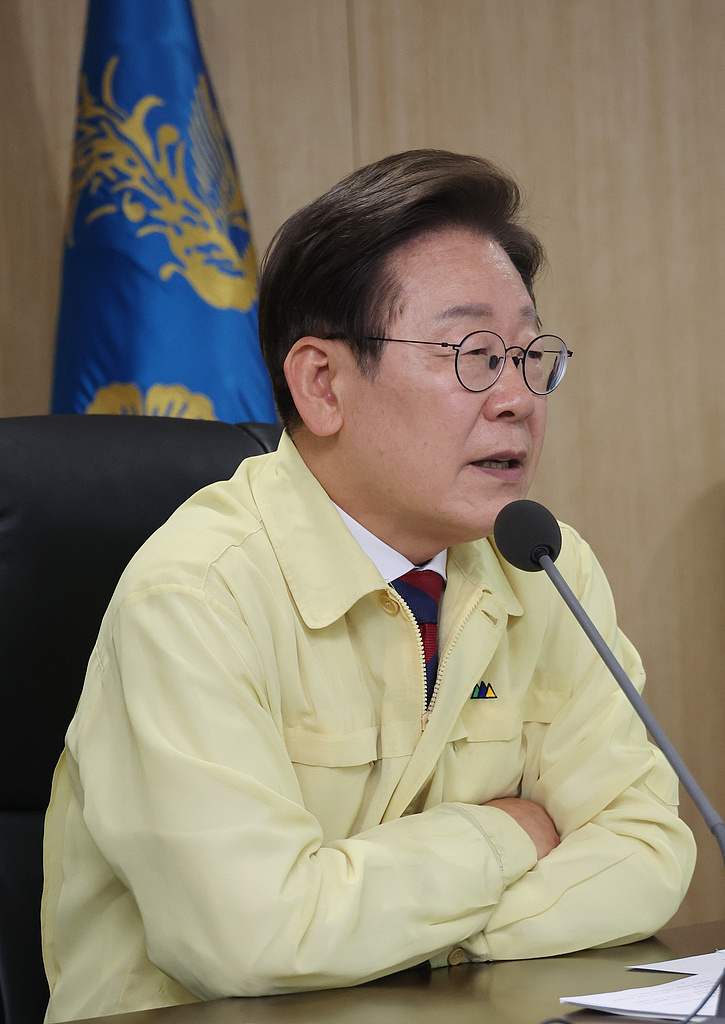
李在明以“实用主义”携200名财界人士访华
日经中文网· 2026-01-05 03:17
Group 1 - South Korean President Lee Jae-myung is visiting China from January 4 to 7, accompanied by a delegation of 200 business leaders from major conglomerates like Samsung Electronics, SK, Hyundai Motor, and LG, aiming to restore economic cooperation with China [2][4] - The visit includes meetings with Chinese President Xi Jinping and Premier Li Qiang, as well as participation in the Korea-China Business Forum and the Korea-China Startup Summit, focusing on enhancing cooperation in mineral supply chains, investment, digital economy, and eco-friendly industries [4] - The South Korean government expresses hopes to sign multiple memorandums of understanding (MOUs) during this visit, emphasizing the importance of establishing a mutually beneficial economic relationship [4] Group 2 - The relationship between South Korea and China has been strained since 2016 due to the deployment of the THAAD missile defense system, impacting South Korea's entertainment and tourism sectors in China [5] - The current administration under President Yoon Suk-yeol has prioritized relations with Japan and the U.S., but President Lee's "pragmatic diplomacy" indicates a willingness to improve ties with China [5] - There is a growing anticipation in South Korea for the resumption of K-POP performances and Korean dramas in China, with speculation about a K-POP concert in Beijing as early as January 2026 [5][6] Group 3 - Despite increasing Chinese tourism to South Korea, negative perceptions of China among South Koreans have risen, with a survey indicating that 71.5% of respondents hold a negative view of China [5][6] - Concerns remain regarding unresolved issues between the two countries, including South Korea's worries about Chinese activities in overlapping exclusive economic zones in the Yellow Sea, which may be discussed during the summit [6]

韩国经济“负增长”,对外面临“关税战”,李在明组建紧急小组
Huan Qiu Shi Bao· 2025-06-05 22:53
Economic Overview - South Korea's economy reported a "negative growth" with a 0.2% contraction in real GDP for Q1 2023, attributed to low domestic demand and weak exports [1][4] - The national income growth has also stagnated, raising concerns about the sustainability of fiscal policies and economic continuity [1][3] Government Response - Newly elected President Lee Jae-myung announced the formation of an "Emergency Economic Inspection Task Force" to address the economic challenges [3] - Lee emphasized the need for a supplementary budget of at least 30 trillion KRW (approximately 1.587 billion RMB) to stimulate the economy, focusing on cash subsidies for citizens [3][5] Economic Challenges - The economic situation is exacerbated by external factors such as escalating global trade tensions due to U.S. tariffs, which pose a significant threat to South Korea's export-dependent economy [4][6] - The Bank of Korea has revised its economic growth forecast for 2023 down from 1.5% to 0.8%, indicating a severe economic outlook [4] Fiscal Policy and Debt Concerns - The proposed supplementary budget is expected to be funded primarily through the issuance of deficit bonds, which may increase national debt currently at 1,280.8 trillion KRW (48.4% of GDP) [7] - There are concerns among academics regarding the long-term sustainability of these fiscal measures and their potential structural impact on national finances [7][8] Investment in Technology - President Lee has committed to enhancing South Korea's competitiveness in artificial intelligence (AI) and semiconductor industries, with a planned investment of 100 trillion KRW to secure a leading position in AI [5] - The government aims to develop a large language model and promote cultural exports such as K-POP and television dramas [5] Market Reaction - Following the election and the announcement of economic measures, the Seoul Composite Index rose by 2.66%, reaching its highest level since August of the previous year, reflecting positive market sentiment towards Lee's economic governance [7]