
实用外交

Search documents
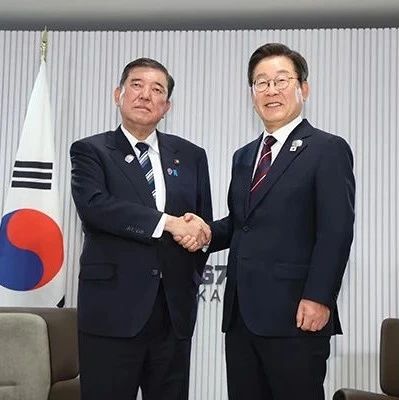
李在明访日说了啥
Guo Ji Jin Rong Bao· 2026-01-14 10:24
Group 1 - The core viewpoint of the article emphasizes the importance of cooperation between South Korea and Japan, highlighting the need to seek common ground despite historical grievances [1][3][6] - South Korean President Lee Jae-myung's visit to Japan is framed as a significant diplomatic effort, marking his second visit since taking office and occurring shortly after a trip to China [1][4] - The meeting between Lee and Japanese Prime Minister Suga emphasizes the potential for deeper bilateral relations, with both leaders acknowledging the necessity of communication and collaboration among South Korea, China, and Japan [1][6] Group 2 - Lee Jae-myung pointed out that while there are competitive aspects between South Korea and Japan, there is a broader scope for complementary cooperation, suggesting a focus on mutual interests rather than differences [3][6] - The issue of Japan's import restrictions on seafood from Fukushima is identified as a long-term challenge that intertwines with South Korea's efforts to join the Comprehensive and Progressive Agreement for Trans-Pacific Partnership (CPTPP) [3][6] - The location of the meeting in Nara, Japan, is noted for its historical significance, which may symbolize a desire for economic and cultural collaboration rather than political tension [4][6] Group 3 - The article discusses Lee's "shuttle diplomacy" approach, indicating South Korea's intention to transition from a passive participant in regional affairs to a proactive coordinator [6][8] - The potential for South Korea to mediate between China and Japan is acknowledged, although it is noted that the effectiveness of such mediation may be limited [6][8] - The historical and territorial disputes between Japan and South Korea remain unresolved, with ongoing tensions that could resurface, impacting future diplomatic relations [7][8]
民调回升背后的务实抉择:中韩合作能否打通韩国能源转型堵点?
Zhong Guo Dian Li Bao· 2026-01-14 03:40
Group 1 - South Korean President Lee Jae-myung's first visit to China has significantly boosted his domestic approval rating to 60%, with diplomatic achievements being a key factor [1] - The visit resulted in the signing of numerous cooperation agreements, particularly in the energy sector, which is seen as crucial for regional cooperation in Northeast Asia [1][5] - Lee's administration emphasizes "pragmatic diplomacy," aiming to balance relations with major trading partners like China while maintaining security alliances with the U.S. and Japan [3][4] Group 2 - The visit included the signing of 15 government cooperation documents and 32 memorandums of understanding, highlighting the importance of energy cooperation [6][5] - Key South Korean companies such as Samsung, SK, Hyundai, and LG participated in the delegation, indicating a strong commitment to enhancing bilateral cooperation [6] - The agreements focus on renewable energy, including green hydrogen and sustainable aviation fuel, addressing South Korea's energy transition challenges [6][12] Group 3 - South Korea's energy security heavily relies on imports, with 84.6% of its energy supply coming from net imports, making international cooperation essential [10] - The collaboration with China is seen as a critical solution to South Korea's energy transition issues, leveraging China's experience in renewable energy projects [12] - The partnership is expected to create significant economic benefits by providing large-scale application scenarios for South Korean energy technologies in the Chinese market [12][13]
结束访华前,李在明称韩中关系“互不可缺”
Huan Qiu Shi Bao· 2026-01-07 22:51
Group 1 - The core message of the articles emphasizes the importance of a stable and cooperative relationship between South Korea and China, with President Yoon Suk-yeol advocating for a pragmatic approach to enhance mutual benefits [1][3] - Yoon highlighted the transition of South Korea-China cooperation from a traditional model to a "competitive cooperation relationship," indicating a need for both countries to leverage their complementary strengths through institutional collaboration [1] - The visit received positive market feedback, with the South Korean stock market reaching a new high on the day of the leaders' meeting, reflecting the anticipation of improved South Korea-China relations among international and market participants [3] Group 2 - Yoon positioned China as a "very important neighbor" for South Korea in economic, security, and cultural domains, advocating for a diplomatic approach that transcends ideological divides and focuses on national interests [3] - The South Korean government aims to manage bilateral relations based on mutual respect and national interests, avoiding deviations caused by emotional fluctuations or external factors [3] - China's Foreign Ministry expressed willingness to work with South Korea to implement the important consensus reached by the leaders, aiming to deepen cooperation across various fields and achieve substantial outcomes for the benefit of both nations [3]


李在明以“实用主义”携200名财界人士访华
日经中文网· 2026-01-05 03:17
Group 1 - South Korean President Lee Jae-myung is visiting China from January 4 to 7, accompanied by a delegation of 200 business leaders from major conglomerates like Samsung Electronics, SK, Hyundai Motor, and LG, aiming to restore economic cooperation with China [2][4] - The visit includes meetings with Chinese President Xi Jinping and Premier Li Qiang, as well as participation in the Korea-China Business Forum and the Korea-China Startup Summit, focusing on enhancing cooperation in mineral supply chains, investment, digital economy, and eco-friendly industries [4] - The South Korean government expresses hopes to sign multiple memorandums of understanding (MOUs) during this visit, emphasizing the importance of establishing a mutually beneficial economic relationship [4] Group 2 - The relationship between South Korea and China has been strained since 2016 due to the deployment of the THAAD missile defense system, impacting South Korea's entertainment and tourism sectors in China [5] - The current administration under President Yoon Suk-yeol has prioritized relations with Japan and the U.S., but President Lee's "pragmatic diplomacy" indicates a willingness to improve ties with China [5] - There is a growing anticipation in South Korea for the resumption of K-POP performances and Korean dramas in China, with speculation about a K-POP concert in Beijing as early as January 2026 [5][6] Group 3 - Despite increasing Chinese tourism to South Korea, negative perceptions of China among South Koreans have risen, with a survey indicating that 71.5% of respondents hold a negative view of China [5][6] - Concerns remain regarding unresolved issues between the two countries, including South Korea's worries about Chinese activities in overlapping exclusive economic zones in the Yellow Sea, which may be discussed during the summit [6]
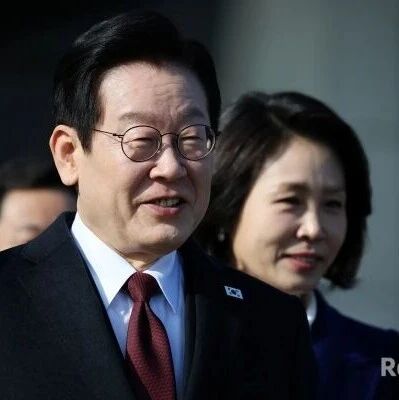
李在明就任后第二次发表施政演说:将大幅提升国防力量,切实实现“国防自主”
Huan Qiu Wang· 2025-11-04 04:05
Group 1 - The core message of the article emphasizes South Korea's commitment to pragmatic diplomacy focused on national interests, aiming to enhance national strength and international standing [1][3] - During the APEC meeting, South Korea and China agreed to cooperate for mutual benefit, with a notable bilateral currency swap agreement worth 70 trillion KRW [3] - The South Korean government reached a tariff agreement with the United States during the summit, and progress was made in acquiring nuclear submarine fuel, reinforcing the foundation for "self-defense" [3] Group 2 - The South Korean government is urged to accelerate its AI transformation, recognizing the critical challenges posed by the restructuring of international trade and the AI revolution [3] - Criticism was directed at the previous administration for wasting time and significantly cutting R&D budgets, which has led to a setback in national progress [3] - The government plans to significantly enhance national defense capabilities, with a historical high investment of 35.3 trillion KRW (approximately 174.7 billion RMB) allocated for core technology development in strategic industries such as AI, cultural creativity, and military [3]
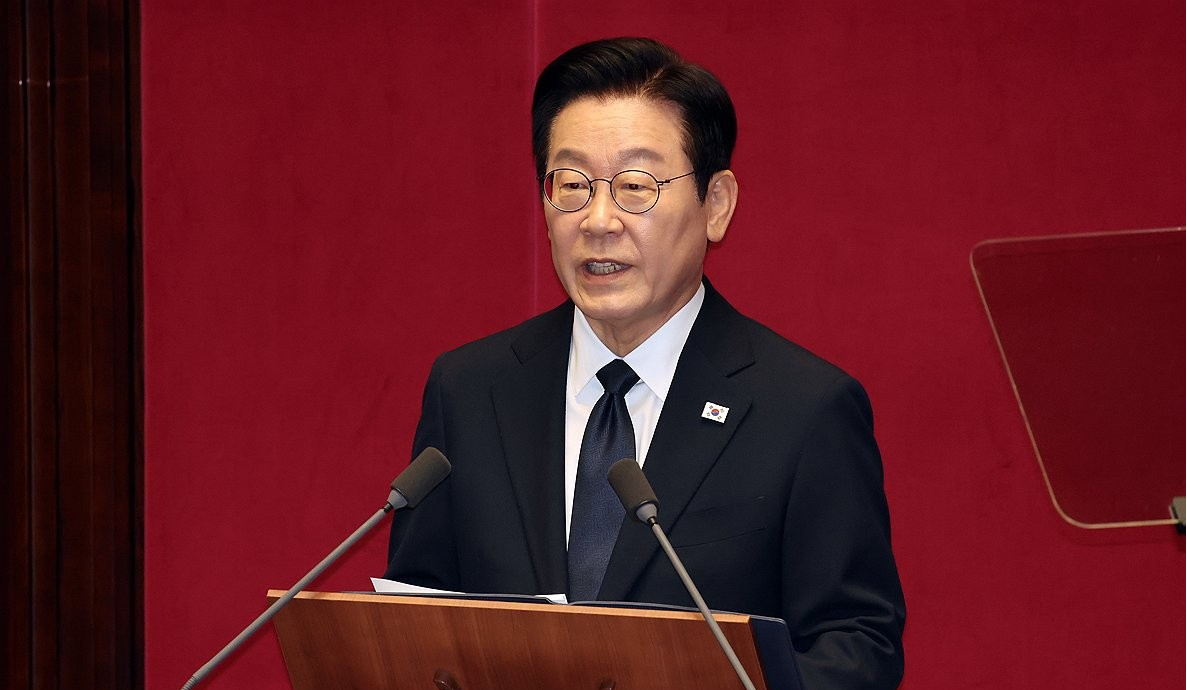
韩国内批李在明访日与石破茂会谈时对历史问题避而不谈,李在明回应
Huan Qiu Wang· 2025-08-25 02:36
Group 1 - The core viewpoint of the articles highlights the tension between South Korea and Japan regarding historical issues, with South Korean President Lee Jae-myung emphasizing the need for cooperation despite these unresolved matters [1][3][4] - President Lee expressed that he anticipated criticism for not addressing historical and territorial disputes during his meeting with Japanese Prime Minister Kishida Fumio, but he believes that economic, security, and cultural exchanges should not be hindered by these issues [3][4] - The joint statement from the South Korea-Japan summit did not address historical issues, leading to strong backlash from various South Korean civic groups, who accused the government of prioritizing "pragmatic diplomacy" over historical justice [4] Group 2 - The South Korean National Security Office head, Wei Shenglu, stated that while historical issues were mentioned, there was no detailed discussion, focusing instead on future cooperation and how to address related problems [3] - Reports indicate that the Japanese government intentionally avoided a Q&A session during the joint press conference to prevent questions regarding historical issues, reflecting a strategic approach to manage public perception [3] - Criticism from South Korean civic organizations suggests that the government may have made excessive concessions to Japan on significant historical perspectives, raising concerns about the implications of such diplomatic strategies [4]
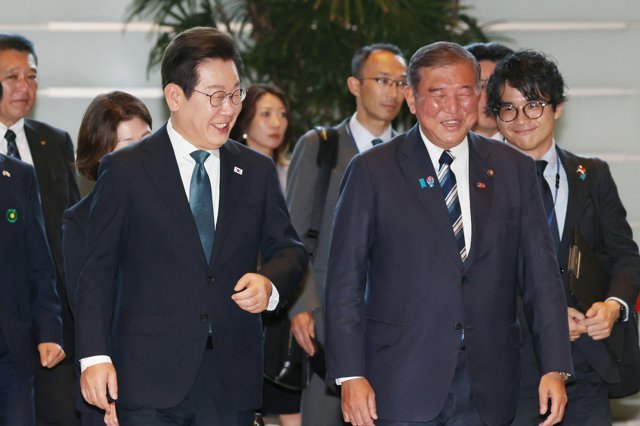
韩媒:李在明计划派特使团访华
Huan Qiu Wang· 2025-08-18 06:07
Group 1 - The core point of the article is that South Korean President Lee Jae-myung plans to send a special envoy to China around the 25th of this month, reflecting his commitment to managing relations with China [1][3] - The delegation may include former National Assembly Speaker Park Byeong-seok and Democratic Party lawmaker Kim Tae-nyeon, with the departure date potentially coordinated around the anniversary of diplomatic relations between South Korea and China on August 24 [3] - Lee Jae-myung emphasized a pragmatic diplomatic approach focused on national interests, aiming to strengthen the South Korea-U.S. alliance and improve relations with China and Russia [3]
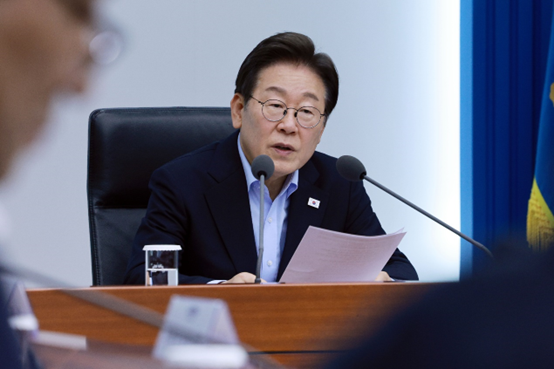
韩国总统李在明将先访日再访美
日经中文网· 2025-08-14 03:10
Group 1 - The core viewpoint of the article highlights the significance of South Korean President Lee Jae-myung's upcoming visit to Japan, marking a shift in diplomatic relations between South Korea and Japan, especially after a period of tension during the previous administration [2][4]. - Lee Jae-myung is the first South Korean president to visit Japan before the United States, indicating a strategic approach to foreign relations and a focus on improving ties with Japan [2][5]. - The Japanese government announced that Lee will meet with Prime Minister Kishida Fumio during his visit, emphasizing the importance of maintaining good relations between the two countries [2][5]. Group 2 - The article notes that historically, relations between South Korea and Japan have deteriorated during periods of progressive leadership in South Korea, with the 2018 administration under Moon Jae-in experiencing significant diplomatic challenges [4]. - Lee Jae-myung's "pragmatic diplomacy" approach aims to enhance cooperation with Japan in economic and national security matters, reflecting a shift in policy direction [5]. - The initial meeting between Lee and Kishida took place during the G7 summit in Canada, setting the stage for further diplomatic engagement [5].
韩外长接受美媒采访谈对华政策:对中国崛起应保持一定“警惕”,但遏制并非奏效之道
Huan Qiu Wang· 2025-08-04 01:25
Group 1 - South Korea's Foreign Minister, Park Jin, emphasizes the importance of maintaining good relations with China while cooperating with the US and Japan [1] - Park views China's rise as a challenge and believes it is necessary to remain vigilant due to China's rapid economic development [1][3] - The South Korean government acknowledges the need for engagement with China in light of new regional challenges, suggesting that attempts to contain China unilaterally will not be effective [3] Group 2 - The South Korean government aims to pursue a pragmatic diplomacy centered on national interests, strengthening the Korea-US alliance and improving relations with China and Russia [3] - China's Foreign Ministry has reiterated that the development of China-South Korea relations is driven by mutual interests and should not be influenced by third-party factors [3]
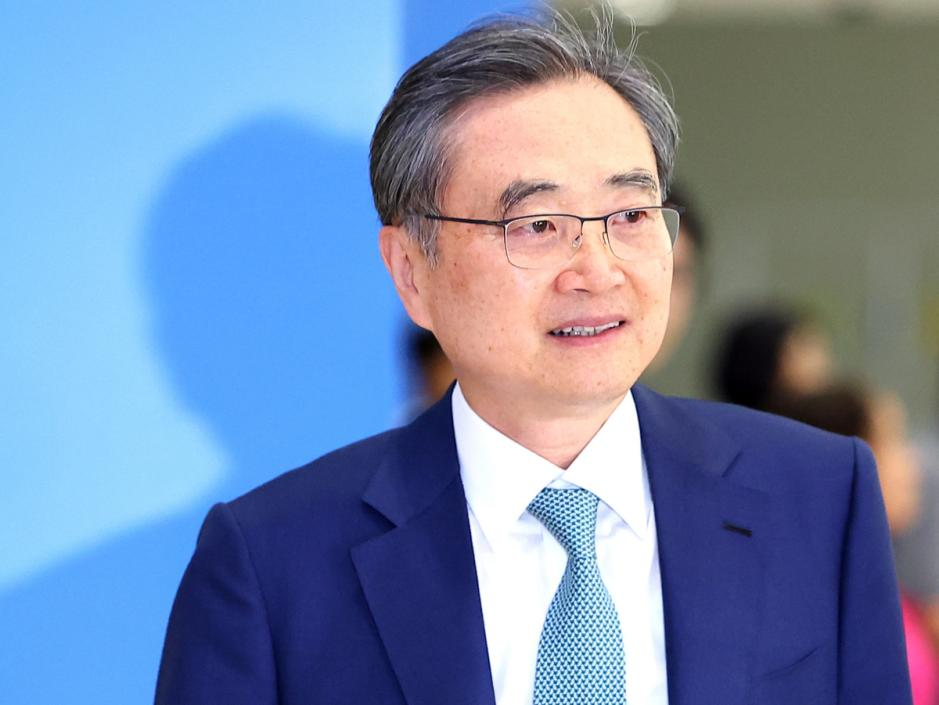
韩外长最新涉华表态:在与美日开展合作同时,也将努力与中国保持良好关系
Huan Qiu Wang· 2025-08-04 01:25
Group 1 - South Korea's Foreign Minister, Park Jin, emphasizes the importance of maintaining good relations with China while cooperating with the US and Japan [1][3] - Park views China's rise as a challenge and stresses the need for vigilance, acknowledging China's rapid economic development and competitive status [1][3] - The South Korean government recognizes the necessity of engaging with China in light of new regional challenges, suggesting that attempts to contain China unilaterally may not be effective [3] Group 2 - The South Korean government aims to pursue a pragmatic diplomacy centered on national interests, focusing on strengthening the Korea-US alliance and improving relations with China and Russia [3] - China's stance on South Korea's relations highlights that the development of bilateral ties is driven by mutual interests and should not be influenced by third-party factors [3]