Supercomputing

Search documents
国产算力再传喜讯!超算互联网落子破局算力围堵
Xin Lang Cai Jing· 2026-02-05 12:18
(来源:科技旋涡) 国家超算互联网迈入规模化新阶段 近日,国家超算互联网应用技术大会暨核心节点上线试运行仪式在郑州举行。 据悉,该节点算力资源由曙光scaleX万卡超集群系统提供,可对外输出超3万卡的国产AI算力,这也是国家超算互联网平台上线以来接入的全国最大单体 国产AI算力资源池。 相较于算力规模体量的突破,该节点带来的超算互联网运营模式更让AI用户直接受益。 国家高性能计算机工程技术研究中心副主任曹振南介绍称,国家超算互联网平台旨在为各类前沿应用场景带来高效普惠的计算服务,让算力像水电一样自 由流通、高效易用。 业内有媒体指出,近年来,国产AI计算产业面临两个极端: · 一边是AI模型需求爆炸式增长 基于此,该节点采用的曙光scaleX万卡超集群完全基于AI计算开放架构设计,可全面兼容CUDA等主流软件生态,支持多品牌国产加速卡混合部署。 这也让其不仅具备了向十万卡、百万卡规模的灵活扩展能,还能广泛接入上下游,实现一体化算力统筹调度。 另外,国家超算互联网平台通过"算力+应用"一体化服务,正在向类京东、淘宝模式的算力应用商城模式迈进。 数据显示,截至2025年底: 大幅降低了算力成本和使用门槛。 这一模 ...

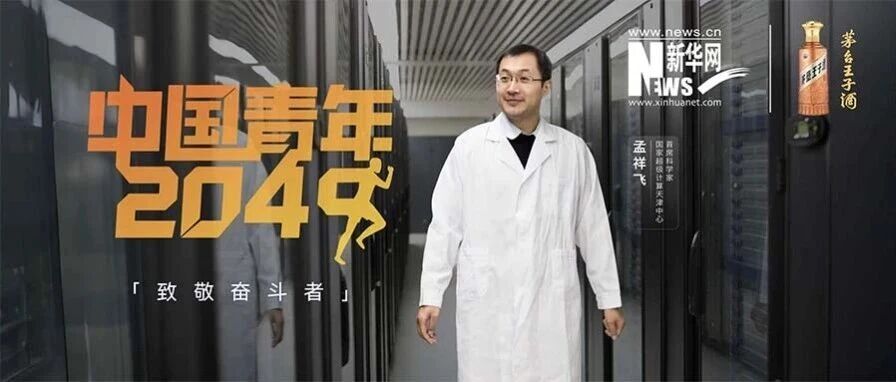
《中国青年2049》对话孟祥飞:我们中国的算力还要做到能够全球投送
新华网财经· 2025-11-28 04:04
Core Viewpoint - The article emphasizes the significant progress of China's supercomputing capabilities, transitioning from reliance on imported technology to achieving self-sufficiency and aiming for global influence in computing power [2][5][6]. Group 1: Historical Context - In the 1980s, China's high-performance computers were entirely dependent on imports, with strict controls from Western countries, which limited access and oversight [3]. - The term "glass house" symbolizes the frustration and limitations faced by Chinese engineers who could only observe their machines from a distance [3][4]. Group 2: Development and Achievements - Meng Xiangfei, a key figure in China's supercomputing development, joined the "Tianhe-1" project in 2009, which became the world's top supercomputer in 2010 due to its innovative architecture [5]. - The current generation of Chinese supercomputers is fully autonomous, with engineers able to directly interact with and optimize their systems without external constraints [5]. Group 3: Future Aspirations - Meng expresses a vision for the future where China's computing power will support various fields, including AI, quantum computing, and more, positioning it as a foundational resource for societal development [5][6]. - The goal is to expand China's supercomputing influence globally, exploring advanced areas like quantum computing and space computing, marking a shift from catching up to leading in the field [6].

《中国青年2049》对话孟祥飞:那个深夜,我热泪盈眶
新华网财经· 2025-11-27 06:22
Core Viewpoint - The article highlights the significant milestones in the development of China's supercomputing capabilities, particularly focusing on the achievement of "Tianhe-1" becoming the world's fastest supercomputer in 2010, marking a pivotal moment in China's technological advancement in this field [3][9]. Group 1: Historical Context - November 17, 2010, is a memorable date in the history of China's supercomputing, as it marks the day "Tianhe-1" was announced as the world's fastest supercomputer [2]. - The development of supercomputers in China began from a very basic foundation, with early efforts like "Galaxy-1" being built without advanced manufacturing processes, relying heavily on the dedication of scientists [5][6]. Group 2: Technological Advancements - In 2009, Chinese scientists proposed the "CPU plus GPU heterogeneous architecture" for supercomputers, which was a groundbreaking approach that challenged traditional computing architectures [8]. - The successful implementation of this architecture led to the creation of "Tianhe-1," which achieved a computing power of one petaflop (one million billion calculations per second) [9]. Group 3: Cultural and Emotional Significance - The excitement and emotional weight of the achievement were palpable, as reflected in the personal experiences of researchers like Meng Xiangfei, who expressed a mix of joy and pride in their work [3][10]. - The journey from obscurity to global recognition in supercomputing is portrayed as a collective effort of many dedicated individuals, symbolizing the perseverance and innovation of Chinese scientists [10][11].
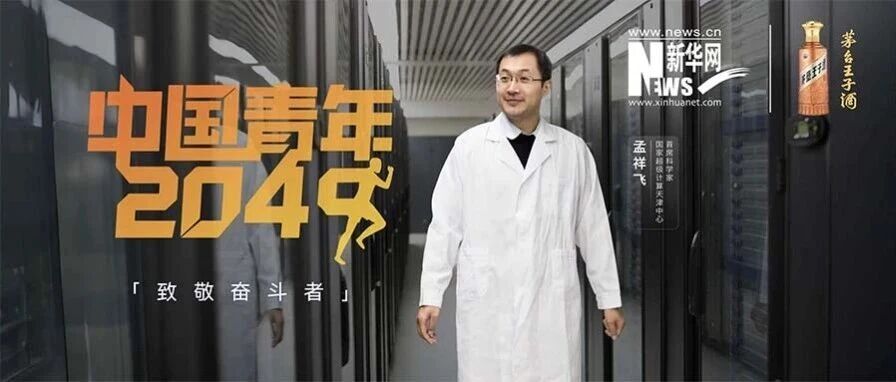
《中国青年2049》对话孟祥飞:在“天河”的轰鸣中 求解未来
新华网财经· 2025-11-25 02:37
Core Viewpoint - The article highlights the significant advancements in China's supercomputing capabilities, particularly through the contributions of Meng Xiangfei, emphasizing the journey from initial struggles to becoming a global leader in supercomputing technology [2][4]. Group 1: Supercomputing Development - The new generation "Tianhe" supercomputer can perform calculations equivalent to 7 billion people using an abacus for 10,000 years, showcasing its immense computational power [2]. - In 2010, "Tianhe-1" topped the world supercomputer rankings, marking a pivotal moment for China's supercomputing industry [4][6]. - The development of supercomputing in China involved overcoming significant technical challenges and a commitment to national pride and innovation [2][4]. Group 2: Personal Journey of Meng Xiangfei - Meng Xiangfei's journey from a theoretical physicist to the chief scientist of the National Supercomputing Center in Tianjin reflects a deep sense of national responsibility and commitment to innovation [4][5]. - His decision to return to China in 2009 was influenced by a strong sense of patriotism, coinciding with the critical period of "Tianhe-1" development [4][5]. Group 3: Overcoming Challenges - Despite achieving the top ranking, "Tianhe-1" faced skepticism from international peers, who viewed it as merely a "gaming machine" [6]. - Meng Xiangfei and his team worked tirelessly to demonstrate the practical applications of their technology, significantly reducing the time required for complex tasks in oil exploration from months to just 16 hours [6]. Group 4: Acknowledgment of Collective Efforts - The rise of Chinese supercomputing is attributed to the collective efforts of many individuals, not just one person, highlighting the importance of teamwork and perseverance [8][9]. - Meng Xiangfei honors the contributions of countless engineers and researchers who have dedicated their lives to advancing supercomputing in China [9]. Group 5: Future Vision - Meng Xiangfei envisions a future where China's supercomputing capabilities will expand into new areas, including quantum computing, and will have a global presence [10][11]. - He emphasizes the importance of continuous learning and innovation for the younger generation to thrive in the age of artificial intelligence [11].
欧洲首台E级超算诞生
Guan Cha Zhe Wang· 2025-11-19 14:54
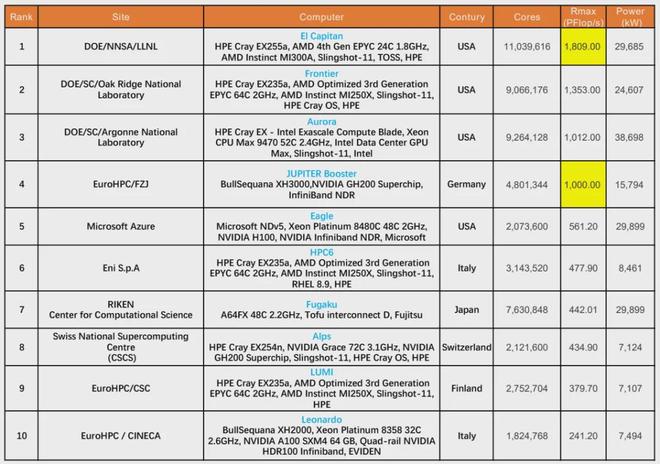
Core Insights - The 66th TOP500 supercomputer ranking was announced at the SC25 conference, highlighting the deployment of Germany's JUPITER Booster, which has achieved exascale performance, marking it as Europe's first exascale supercomputer and the fourth globally [1][8]. Group 1: Supercomputer Rankings - The top three positions in the ranking are held by the U.S. Department of Energy's El Capitan, Frontier, and Aurora, with El Capitan achieving a performance of 1.809 Exaflop/s, an increase from 1.742 Exaflop/s in the previous ranking [3][5]. - Frontier maintains its second position with a performance of 1.353 Exaflop/s, while Aurora remains third at 1.012 Exaflop/s, showing no change compared to previous rankings [5]. Group 2: European Achievements - The JUPITER Booster, based on the BullSequana XH3000 architecture, has successfully crossed the exascale threshold with a performance of 1 Exaflop/s, representing a significant milestone for Europe in the supercomputing domain [8][10]. - The presence of JUPITER, along with Finland's LUMI and Italy's Leonardo, in the TOP10 reflects the success of the EU's EuroHPC initiative, which aims to enhance Europe's competitiveness in supercomputing through collaborative resource integration [10][11]. Group 3: Global Investment Trends - Countries are significantly increasing their investments in supercomputing, with the U.S. planning to invest $1 billion for two new generation supercomputers, the UK launching a £2 billion investment for a world-class computing ecosystem, and the EU enhancing its EuroHPC network to strengthen its AI capabilities [12]. - Despite not having new systems in the TOP500 recently, China continues to advance its supercomputing research and development, indicating a trend towards a multipolar global computing landscape [12]. Group 4: International Collaboration - The competition in the supercomputing field is not a zero-sum game, as demonstrated by Europe's EuroHPC initiative, which promotes cross-national collaboration and resource integration to achieve exascale breakthroughs [13]. - There is a need for an open collaborative system across regions and disciplines to address global challenges such as climate change and energy transition, emphasizing the role of supercomputers in advancing technology for sustainable development [13].
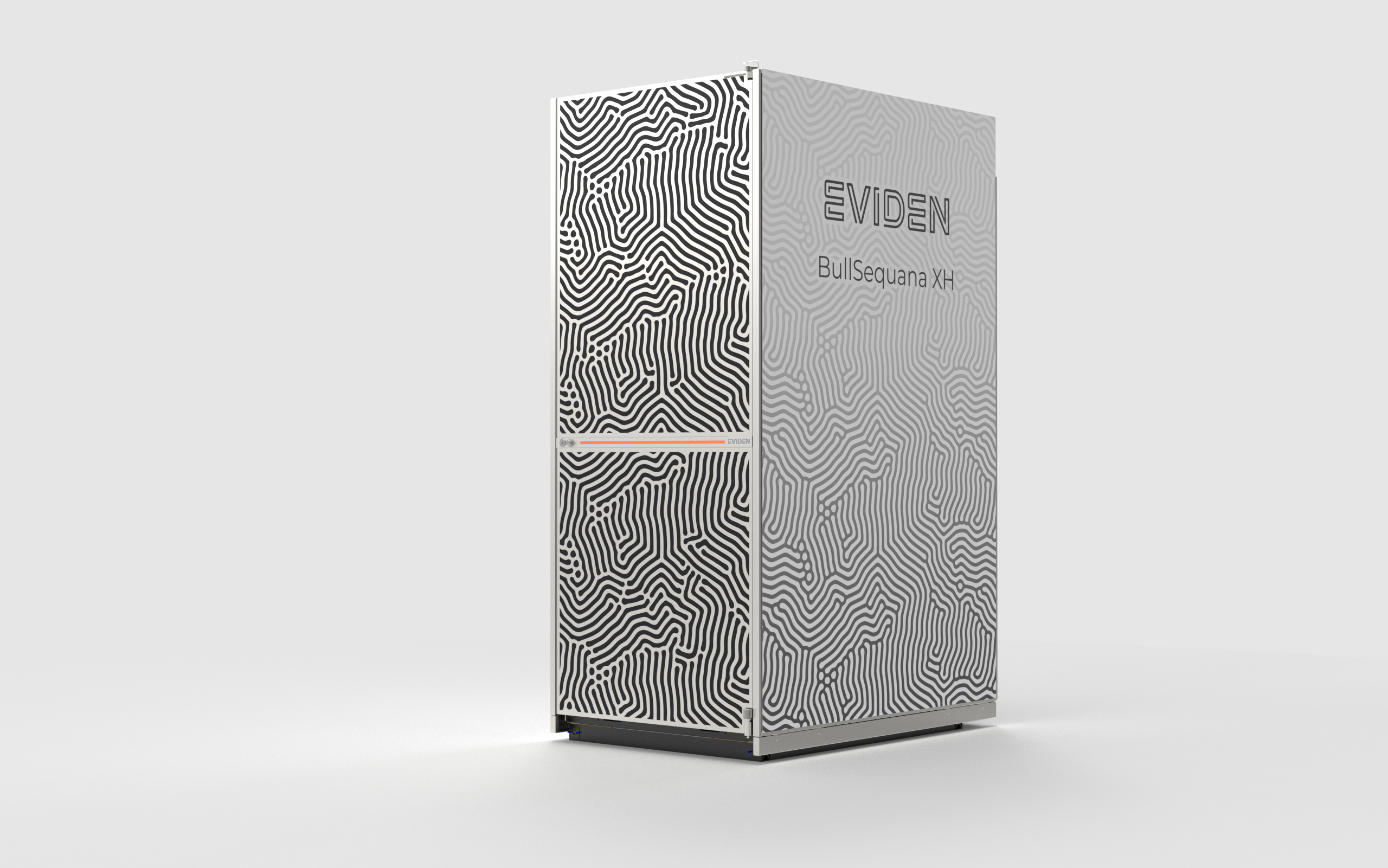
Eviden Unveils its BullSequana XH3500, a Converged Supercomputing Platform for the AI-HPC Era
Globenewswire· 2025-11-13 13:00
Core Insights - Eviden has launched the BullSequana XH3500, a supercomputer designed to support the convergence of High-Performance Computing (HPC) and Artificial Intelligence (AI) workloads, aiming for exascale performance [1][2] - The BullSequana XH3500 enhances performance, energy efficiency, and scalability, integrating a comprehensive ecosystem of software and services to accelerate scientific discovery and industrial innovation [3][4] Performance and Efficiency - The BullSequana XH3500 provides over 80% more electrical power per square meter and 30% greater cooling capacity per kilowatt compared to its predecessor, enabling industry-leading performance density and energy efficiency [4] - The system features 100% fan-less 5th generation Direct Liquid Cooling (DLC) with warm water support, significantly reducing total cost of ownership (TCO) and supporting greener operations [6] Flexibility and Modularity - The open, modular design of the BullSequana XH3500 allows customers to mix and match different computing, acceleration, and networking technologies, ensuring full technology freedom and eliminating vendor lock-in [5][7] - This modular architecture supports diverse CPU, GPU, and AI accelerators, enabling tailored configurations for various applications, including large-scale AI training [7] Company Overview - Eviden, part of the Atos Group, generates approximately €1 billion in revenue and operates in 36 countries, focusing on advanced computing, cybersecurity, mission-critical systems, and vision AI [8] - Atos Group, with around 67,000 employees and annual revenue of approximately €10 billion, is a leader in digital transformation, committed to a secure and decarbonized future [9]

Inauguration of JUPITER, Europe’s most powerful supercomputer
Globenewswire· 2025-09-05 14:31
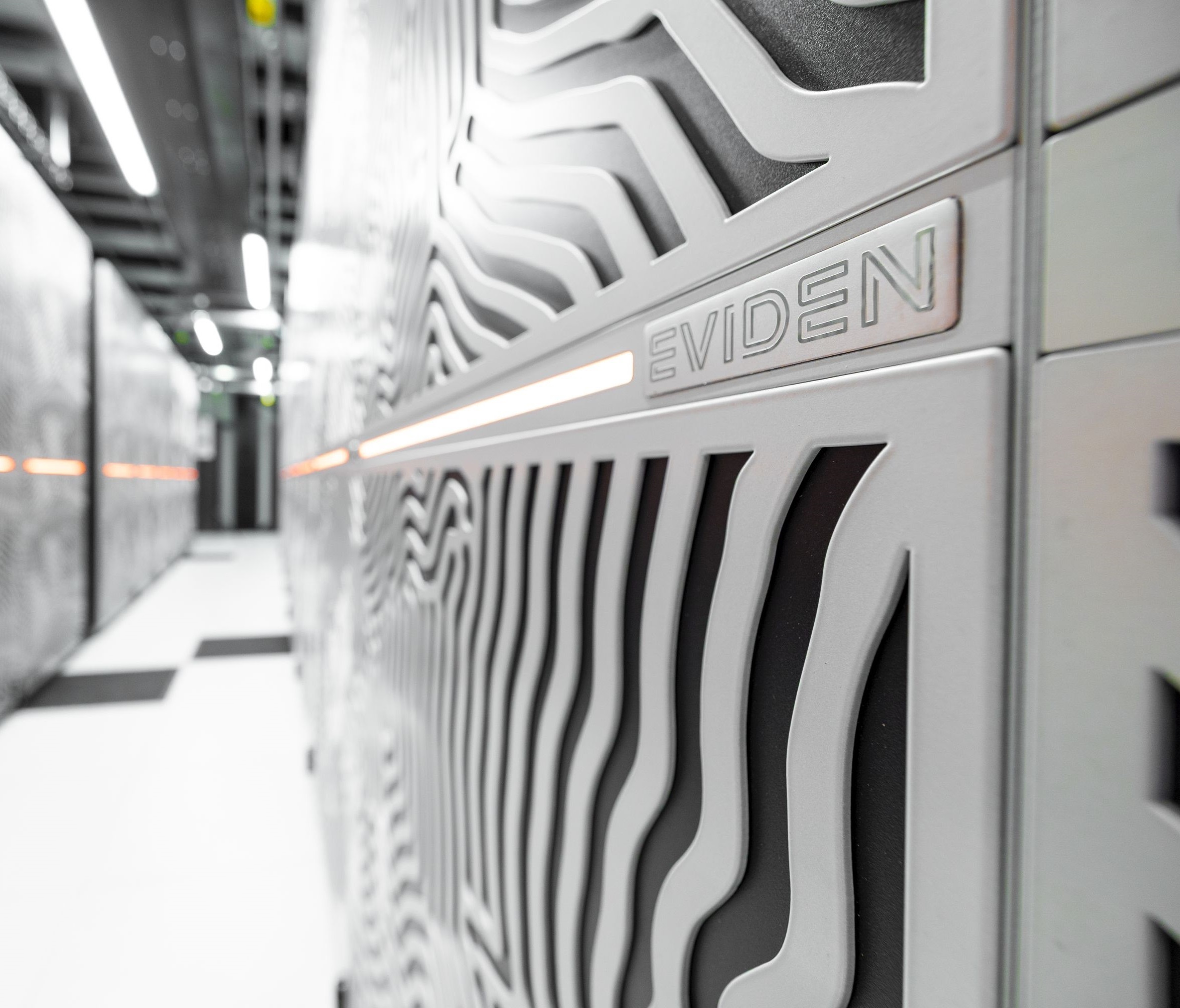
Core Insights - The inauguration of the JUPITER Booster, an AI-dedicated partition, marks a significant advancement in high-performance computing (HPC) and AI capabilities in Europe [1][2][4] - JUPITER is recognized as Europe's most powerful HPC and AI system, with the ability to perform over one quintillion calculations per second, equivalent to the power of 10 million modern desktop computers [2][3] - The JUPITER system integrates advanced technologies, including 24,000 NVIDIA GH200 Grace Hopper Superchips and Direct Liquid Cooling technology, achieving exceptional energy efficiency and performance [4] Company Overview - Eviden, a brand of Atos Group, specializes in advanced computing, cybersecurity products, mission-critical systems, and vision AI, generating approximately €1 billion in revenue and operating in 36 countries [7] - Atos Group, with around 70,000 employees and annual revenue of approximately €10 billion, is a leader in digital transformation and is committed to a secure and decarbonized future [8] Technological Impact - JUPITER's capabilities will enhance research in various fields, including climate science, sustainable energy, and AI, enabling unprecedented innovation across Europe [5][13] - The supercomputer's power allows for detailed simulations in climate modeling and brain research, significantly improving understanding of extreme weather events and neurodegenerative diseases [13]
Tesla exec leading development of chip tech and Dojo supercomputer is leaving company
CNBC· 2025-08-07 23:42
Group 1 - Tesla's vice president of hardware design engineering, Pete Bannon, is leaving the company after joining in 2016 from Apple, and he was leading the development of Tesla's Dojo supercomputer [1] - Musk has been positioning Tesla as an artificial intelligence and robotics powerhouse, with Dojo being a key component designed to process and train AI models using data from Tesla vehicles [2] - The focus on Dojo and another computing cluster, Cortex, aims to enhance Tesla's advanced driver assistance systems and fulfill Musk's vision of transforming existing Teslas into robotaxis [3] Group 2 - Tesla has entered a $16.5 billion deal with Samsung to produce A16 chips domestically, and is currently testing a Robotaxi service in Austin, Texas, which requires a human safety supervisor [4] - During an earnings call, Musk addressed concerns about competition for AI talent between Tesla and his AI company, xAI, stating that both companies are focused on different aspects of AI development [5][6] - Tesla has seen a significant departure of top talent this year, including key figures in robotics and software engineering, indicating potential challenges in retaining skilled personnel [7]