eVTOL

Search documents
Eve Holding: First Flight Achieved, But The Hardest Part Is Still Ahead
Seeking Alpha· 2026-03-18 08:50
Group 1 - Eve Holding (NYSE: EVEX) has experienced a decline of over 30% since the last report, indicating ongoing investment risks associated with eVTOL developers [1] - Year-to-date, the stock has lost more than 35% of its value, highlighting the volatility in this sector without a clear recovery path [1] - The analyst, Dhierin-Perkash Bechai, specializes in aerospace, defense, and airline sectors, providing insights into investment opportunities and risks within these industries [1] Group 2 - The Aerospace Forum is positioned as a leading investment research service focused on aerospace, defense, and airline sectors, offering access to proprietary data analytics [1] - The analyst's background in aerospace engineering supports a data-informed approach to investment analysis, emphasizing the potential for growth in the aerospace industry [1]


Joby, Archer, Beta Are Winners In Trump Admin's 'Future of Flight'
Benzinga· 2026-03-10 19:41
Core Insights - The U.S. Department of Transportation and Federal Aviation Administration launched the Advanced Air Mobility and Electric Vertical Takeoff and Landing (eVTOL) Integration Pilot Program to expedite the deployment of electric air taxis and next-generation aircraft under the Trump administration's directives [1][4]. Group 1: Pilot Projects - Eight pilot projects have been announced, involving companies like Joby Aviation, Archer Aviation, and Beta Technologies, focusing on major regions such as New York and Texas [2]. - The pilot projects aim to safely test innovative aircraft that could significantly transform transportation methods for people and goods [3]. Group 2: Company Developments - Joby Aviation is currently in the fourth of five FAA type-certification stages and anticipates FAA pilots to start testing its aircraft during the Type Inspection Authorization phase, targeting initial operations in the U.S. by 2026 [4]. - Archer Aviation is developing city teams and vertiport infrastructure to support early services under the eVTOL Integration Pilot Program [5]. - Beta Technologies is pursuing both eVTOL and conventional electric aircraft to mitigate certification risks and views the program as a platform to expand cargo and passenger operations with support from logistics and medical partners [5].



Archer Aviation (ACHR) - 2025 Q4 - Earnings Call Transcript
2026-03-02 23:02
Financial Data and Key Metrics Changes - The company ended Q4 with approximately $2 billion in liquidity, marking the highest liquidity position in its history [10][12] - For Q1, the estimated adjusted EBITDA loss is projected to be in the range of $160 million to $180 million, reflecting a deliberate increase in investment [13][14] Business Line Data and Key Metrics Changes - The company is focused on commercializing the Midnight aircraft, progressing certification activities, scaling manufacturing, and advancing market launch efforts [12][13] - The partnership with Anduril is central to the defense strategy, with plans to design an autonomous hybrid electric VTOL aircraft for dual use [8][9] Market Data and Key Metrics Changes - The global backlog continues to grow, with the order book in the billions, including partnerships with seven of the world's largest airlines [7] - The company is the first eVTOL manufacturer to establish a restricted type certificate program with the GCAA in the UAE, allowing for piloted and passenger-carrying operations [6][8] Company Strategy and Development Direction - The company aims to be a category leader by investing in adjacent opportunities such as hybrid aircraft and software platforms, expanding its total addressable market [12][13] - The focus is on rapidly progressing commercialization strategies in both the U.S. and UAE, while monitoring geopolitical situations closely [5][6] Management's Comments on Operating Environment and Future Outlook - Management expressed optimism about winning a major defense contract this year and highlighted the importance of the Summer 2028 Olympics as a key commercialization milestone [15][59] - The FAA's acceptance of 100% of Midnight's means of compliance is seen as a significant achievement, unlocking the next phase of certification plans [8][24] Other Important Information - The company has partnered with Palantir for next-generation air traffic control and is working with NVIDIA and SpaceX to enhance aircraft capabilities [9] - The leadership team, including the President of Aircraft OEM, is noted for their experience and impact on engineering and manufacturing [10] Q&A Session Questions and Answers Question: What are the next milestones for the EIPP program? - The company views the EIPP as a significant moment for the industry, aiming for public flights in the second half of the year [19][20] Question: Can you elaborate on the piloted VTOL flight testing plans for the year? - The company is ramping up flight testing and aims to efficiently progress through transition testing in support of the EIPP [23][37] Question: What is the expected EBITDA trajectory and CapEx for 2026? - Spending is expected to be elevated in 2025, focusing on supply chain readiness, hybrid aircraft development, and AI software platform [27][28] Question: How does the restricted flight approach differ from full certification? - The restricted type certificate offers broader operational flexibility and a scalable foundation for market entry in the Middle East [29][30] Question: What does the completion of the 100% means of compliance signify? - It indicates significant progress in the certification process, although further design changes may still occur [49][50] Question: How is the company preparing for the Olympic 2028 date? - The Olympic date has created an unslippable deadline, aligning efforts across the industry to ensure timely progress [59][60]
As Archer Aviation Enters a Patent War, Should You Buy, Sell, or Hold the Flying Car Stock?
Yahoo Finance· 2026-03-02 12:30
Core Viewpoint - Archer Aviation (ACHR) is experiencing significant volatility in its stock price, with a 10% decline over the past 52 weeks, influenced by various factors including patent acquisitions, military partnerships, and event-driven momentum [1][3][4] Company Overview - Archer Aviation is focused on developing electric vertical takeoff and landing (eVTOL) air taxis, with its flagship model, Midnight, designed for short-range urban flights. The company has not yet generated commercial revenue and is currently engaged in aircraft certification and production ramp-up [2][6] - Archer has a market capitalization of $4.5 billion despite being pre-revenue, relying on venture and public funding for its development [2] Recent Developments - Archer is involved in a patent infringement lawsuit against Vertical Aerospace, claiming that Vertical's Valo air taxi unlawfully copies design elements from Archer's Midnight vehicle. This legal battle comes amid a volatile period for the eVTOL sector [4][3] - The company raised $302 million in February 2025 from institutional investors, including BlackRock, to extend its cash runway and formed Archer Defense to pursue hybrid VTOLs for military applications [9][10] Financial Performance and Expectations - Archer is expected to report a loss of approximately $0.25 per share for Q4 2025, an improvement from a loss of about $0.45 a year ago. The company has not provided formal guidance but aims to keep cash burn under $110 million [6][7] - Management has indicated that Archer has around $2 billion in cash, allowing it to fund operations into 2027 as long as spending remains controlled [6] Analyst Sentiment - Analysts have a mixed but slightly positive outlook on ACHR stock, with a consensus rating of "Moderate Buy" and an average price target of approximately $11.60, suggesting a potential upside of about 66% from current levels [12][13] - Boutique brokerages are more optimistic, with Canaccord Genuity assigning a "Buy" rating and a $13 price target, while HC Wainwright maintains a "Buy" rating with an $18 target, reflecting confidence in Archer's long-term growth potential [13]
Battle Royale: Joby Aviation vs. Boeing. Only One Can Make You Rich.
Yahoo Finance· 2026-02-27 16:50
Core Viewpoint - The long-term competition in the eVTOL market is likely to be between Joby Aviation and Boeing's Wisk, rather than just between Joby and Archer Aviation, as the focus shifts from FAA certification to market positioning and operational strategies [1]. Group 1: Company Strategies - Wisk and Joby aim to be vertically integrated transportation companies, manufacturing, owning, and operating their own air taxis, while Archer focuses on being an original equipment manufacturer (OEM) [2]. - Joby is developing a piloted eVTOL while also working on autonomous functions, contrasting with Wisk's exclusive focus on an autonomous eVTOL, which may delay its market entry due to regulatory complexities [3][4]. - Joby's strategy of achieving certification for its piloted eVTOL while developing autonomous aids serves as a hedge against Wisk's potential later certification, as autonomous eVTOLs are expected to be cheaper than piloted options [5]. Group 2: Financial Position and Market Opportunities - Joby's recent equity raise of $1.2 billion alleviated funding concerns, while Boeing's financial challenges, including issues with the 737 MAX and fixed-price defense contracts, may limit Wisk's funding capabilities [6]. - Joby provides a direct investment opportunity in the eVTOL transportation-as-a-service sector, and if it secures certification first, it can establish vertiports and partnerships, such as those with Uber Technologies and Delta Air Lines, which could be crucial for long-term success [7].

Archer Aviation or Vertical Aerospace: Which Has More Upside?
ZACKS· 2026-02-26 15:51
Industry Overview - Rising demand for cleaner and more efficient travel is driving growth in the electric vertical takeoff and landing (eVTOL) industry, which is expected to play a significant role in future urban transportation [1] - The global eVTOL market is developing, with key players like Archer Aviation Inc. (ACHR) and Vertical Aerospace Ltd. (EVTL) focusing on reducing congestion and travel time in urban areas [4] Archer Aviation (ACHR) - Archer Aviation is progressing with the Federal Aviation Administration certification process for its Midnight aircraft and plans to initiate commercial air taxi operations post-regulatory approvals [2] - The company is enhancing its position in the eVTOL market through technology initiatives, including the development of next-generation Artificial Intelligence solutions using NVIDIA's IGX Thor platform, aimed at improving aircraft safety and airspace integration [6] - Archer Aviation has entered a strategic partnership with the Government of Serbia to introduce electric air taxis in Europe, with an option to purchase up to 25 Midnight aircraft, marking a significant step in its European expansion [7] - Archer Aviation has a current ratio of 18.20, indicating a strong liquidity position to meet short-term obligations [21] Vertical Aerospace (EVTL) - Vertical Aerospace is developing its VX4 aircraft and making progress on certification with aviation authorities, targeting urban and regional air mobility markets [3] - The company showcased its next-generation electric aircraft, Valo, designed for urban and intercity travel, capable of flying up to 100 miles at speeds of 150 mph, and is also developing a hybrid electric variant with a range of up to 1,000 miles [8] - Vertical Aerospace signed a strategic Memorandum of Understanding in Saudi Arabia to explore the development of an Advanced Air Mobility ecosystem, aligning with the country's Vision 2030 program [10] - EVTL has shown improving earnings estimate trends, with a Zacks Consensus Estimate for a fourth-quarter 2025 loss per share pegged at 38 cents, indicating year-over-year improvement [14] Comparative Analysis - Both Archer Aviation and Vertical Aerospace share similar long-term goals, but differences in certification progress and execution may influence their future growth potential [4] - EVTL has outperformed ACHR in stock price performance over the past six months, with EVTL shares declining by 16.6% compared to ACHR's decline of 22.4% [16] - Archer Aviation has delivered an average negative earnings surprise of 14.96% in the last four quarters, while EVTL has a significantly higher average negative earnings surprise of 1633.91% [17] - EVTL is currently viewed as the more attractive option in the emerging eVTOL market due to its improving earnings estimate trends and better stock performance, while ACHR maintains a stronger liquidity position [22][23]

Electric Air Taxis Come To The Uber App
Seeking Alpha· 2026-02-26 11:47
Group 1: Uber and Joby Aviation Partnership - Uber and Joby Aviation are set to launch an all-electric air taxi service in Dubai later this year, marking a significant milestone in their partnership aimed at multi-modal transportation [5] - The air taxi can be booked through the Uber app, allowing users to seamlessly connect and book their journey, including traditional Uber rides [6] - Joby's air taxi is designed for up to four passengers, featuring large windows for panoramic views and is flown by a certified commercial pilot [7] Group 2: Air Taxi Specifications - The aircraft utilizes six tilting propellers for vertical takeoff and can transition into forward flight, achieving speeds of up to 200 mph with a range of 100 miles on a single charge [8] - Joby has completed over 50,000 miles of flight tests and is in the final stages of certification with the Federal Aviation Administration before launching operations in the U.S. [9]


新华财经晚报:海南岛内居民消费进境商品将享“零关税” 每人每年免税额度1万元
Xin Lang Cai Jing· 2026-02-05 11:02
Group 1 - The National Cyberspace Administration and 11 other departments jointly issued the "Implementation Opinions on Enhancing Digital Service Convenience for Foreign Personnel Entering the Country," aiming to significantly improve the internationalization and convenience of digital services by 2027, enhancing digital applications in various sectors such as residence, healthcare, payment, tourism, and public services [2][3] - The Ministry of Finance announced a "zero tariff" policy for imported goods consumed by residents in Hainan Free Trade Port, allowing individuals to purchase goods from a specified list without tariffs, with an annual exemption limit of 10,000 RMB per person [3] Group 2 - According to the China Gold Association, China's gold production is projected to reach 381.339 tons in 2025, a year-on-year increase of 1.09%, while gold consumption is expected to decline by 3.57% to 950.096 tons [4] - The report indicates that gold jewelry consumption will decrease by 31.61% to 363.836 tons, while gold bars and coins will see a significant increase of 35.14% to 504.238 tons [4] Group 3 - The Shanghai Stock Exchange announced the holiday schedule for the 2026 Spring Festival, with the market closed from February 15 to February 23, reopening on February 24 [6] - The global first 5-ton eVTOL, V5000 Tianji Long, developed by Fengfei Aviation Technology, successfully completed its conversion flight, marking a significant milestone in the eVTOL industry [6] Group 4 - The German Automotive Industry Association reported that Germany produced 1.67 million electric vehicles in 2025, a 23% increase from the previous year, setting a new historical record [8] - The Bank of Malaysia's governor expressed cautious optimism regarding the 2026 economic outlook, highlighting tourism and high-quality foreign investment as key growth drivers [8]

峰飞航空5吨级eVTOL天际龙亮相并完成转换飞行
Bei Jing Shang Bao· 2026-02-05 08:40
Core Insights - The article highlights the launch of the V5000 Tianji Long, the world's first 5-ton eVTOL developed by Fengfei Aviation, marking a significant milestone in the low-altitude aviation industry [1] Company Overview - Fengfei Aviation is recognized as the first and only company globally to successfully achieve conversion flight for a 5-ton eVTOL, establishing its leadership in the low-altitude aviation sector [1] Product Features - The V5000 Tianji Long is noted for its innovative design, featuring a family-style composite wing configuration and a unique three-surface layout, equipped with 20 fifth-generation lift motors [1] - The pure electric version of the V5000 has a maximum range of 250 kilometers, while the hybrid version can reach up to 1500 kilometers [1] - The passenger version can accommodate 10 people, and the cargo version is capable of transporting ton-level goods [1] Economic Impact - The 5-ton platform is expected to significantly reduce the "seat kilometer/ton kilometer" operational costs, enhancing the economic feasibility of low-altitude travel and transportation [1] Demonstration and Events - On the day of the announcement, the V5000 Tianji Long conducted a public demonstration flight alongside the V2000CG Kairi Ou at Fengfei Aviation's Bailian Lake low-altitude base, which also marked the base's first public appearance as an eVTOL comprehensive base [1]
6家公司密集在港股IPO;它成立3个月融资4.8亿美元,速成独角兽 | 1月独角兽月报
Sou Hu Cai Jing· 2026-02-05 07:35
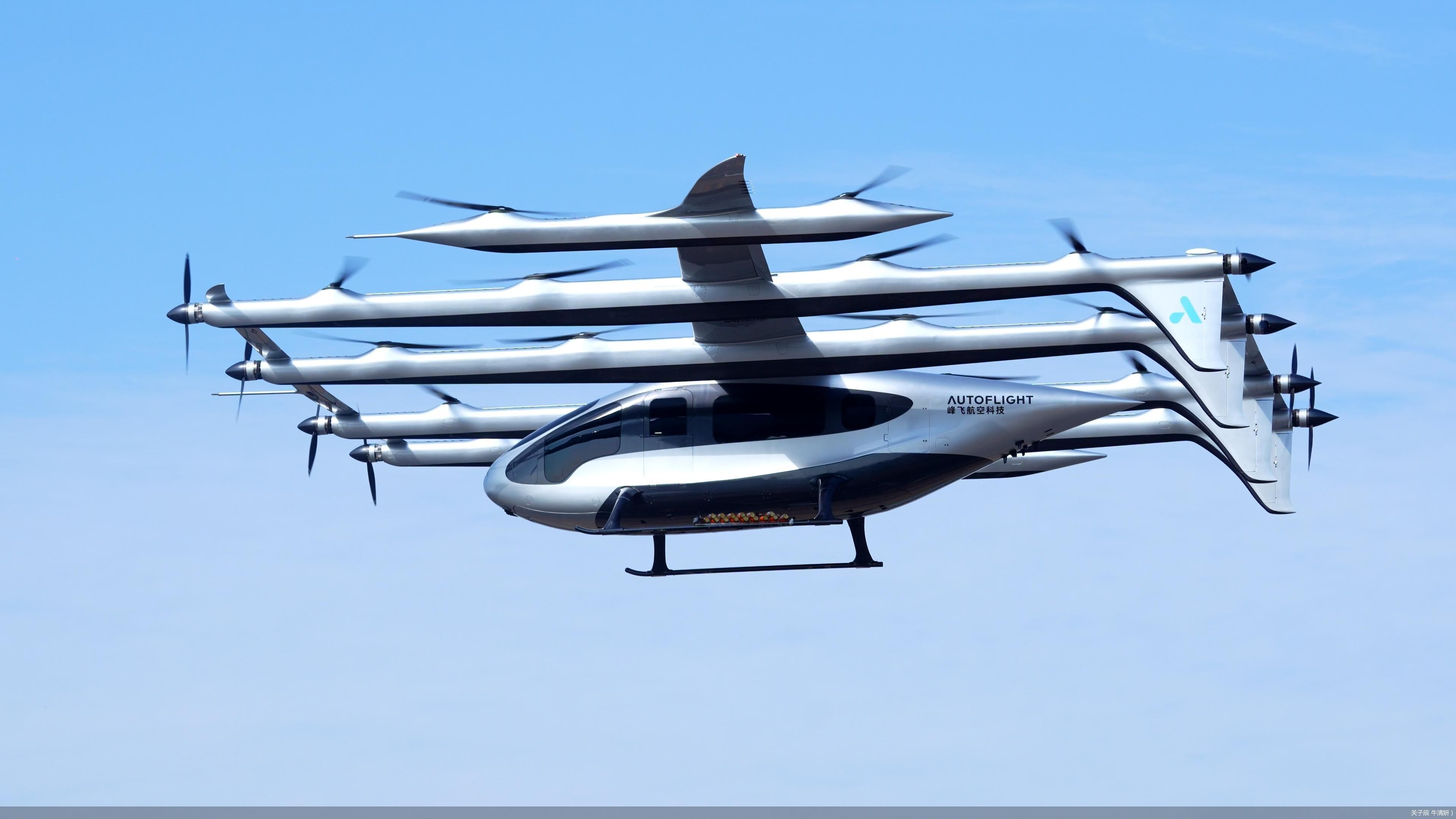
Core Insights - The domestic startup market in China is experiencing a surge in financing, with multiple companies securing over 1 billion yuan in funding, including notable firms like Jieyue Xingchen and Geely's flying car company WoFei ChangKong [1][2] Group 1: New Unicorns - In January 2026, 11 new unicorns emerged in China, spanning sectors such as AI, humanoid robots, healthcare, eVTOL, and quantum computing [2] - Humans& became a new unicorn after raising $480 million in seed funding, achieving a post-money valuation of $4.48 billion, backed by investors like NVIDIA and Google Ventures [3][4] - WoFei ChangKong, a subsidiary of Geely, completed nearly 1 billion yuan in financing, reaching a valuation of 10 billion yuan, focusing on low-altitude travel and flying car development [6][7][8] - ZiBian Robot secured 1 billion yuan in A++ round financing, achieving a post-money valuation of over $1 billion, with plans to enhance its humanoid robots and expand into various application scenarios [9] - RayNeo announced a new round of financing exceeding 1 billion yuan, achieving a valuation of $1 billion, and launched the world's first eSIM independent communication AR glasses [10][11] Group 2: IPO Activities - Six unicorn companies went public in January, all listed on the Hong Kong Stock Exchange, marking a concentrated IPO wave at the beginning of the year [12] - Notable IPOs include Zhiyuan, which raised 4.348 billion HKD, and Minimax, which raised 4.189 billion HKD, both focusing on AI and large model technologies [13] - Other companies like Biran Technology and Jingfeng Medical also completed IPOs, with respective fundraising targets of 5.583 billion HKD and 1.2 billion HKD [15] Group 3: Major Financing Events - Jieyue Xingchen completed over 5 billion yuan in B+ round financing, setting a record for the largest single financing in China's large model sector over the past year [16][18] - ByteDance's "Doubao" AI glasses are set to enter the market, with plans for a no-screen version to be released in Q1 2026 and a display version by Q4 2026 [19][20] - Baidu's Kunlun Chip has submitted a confidential IPO application, with a valuation of 21 billion yuan following its latest funding round [22][23]