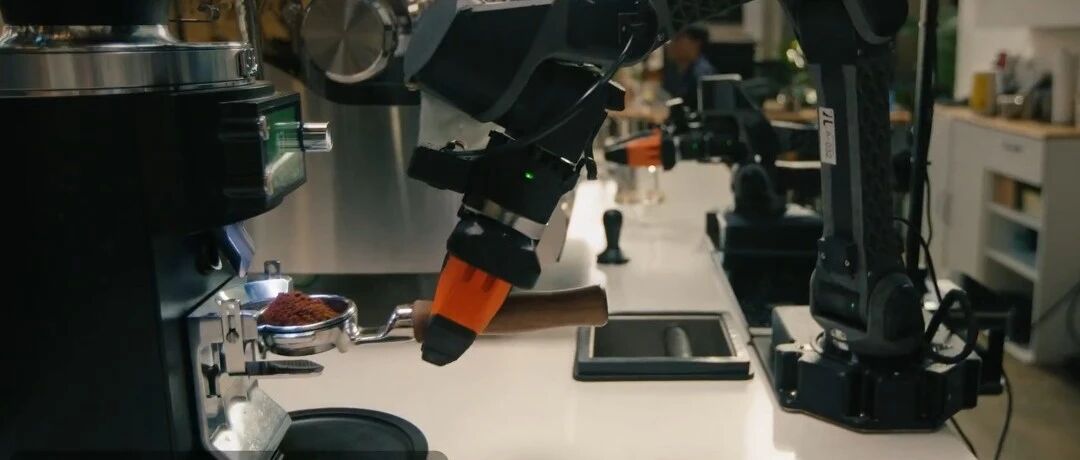
π*0.6模型

Search documents
估值超390亿元,头部具身智能大模型创企发布最强VLA模型!
Robot猎场备忘录· 2025-11-27 05:06
Core Viewpoint - The article discusses the launch of the latest visual-language-action (VLA) model π*0.6 by Physical Intelligence (PI), which has achieved a significant breakthrough in robotic learning and performance, enabling robots to learn from mistakes and improve in real-world environments, achieving over 90% success rates in complex tasks [2][12]. Summary by Sections Model Development - Physical Intelligence has released the π*0.6 model, which is built on the previous π0.5 model, and is valued at over $39 billion [2]. - The new model utilizes an innovative RECAP training method that allows robots to learn from errors and evolve through practice, significantly enhancing their task success rates [2][4]. Key Features of π*0.6 - The RECAP training framework combines offline reinforcement learning with online advantage-conditioned reinforcement learning, allowing robots to absorb large amounts of historical data while continuously improving in real deployments [8]. - The advantage-conditioned policy explicitly incorporates "advantage values" as input, simplifying the learning process and enabling effective policy iteration [10]. - A distributed value function and sparse rewards mechanism help the model accurately assess which actions lead to success in complex tasks, thus improving performance beyond that of human demonstrators [11]. Real-World Application - The model has been tested in three challenging real-world tasks: folding diverse clothing, assembling boxes in a factory setting, and making espresso, achieving over 90% success rates and doubling throughput while reducing failure rates by 50% [12]. - This marks a significant transition from merely demonstrating capabilities in laboratory settings to proving practical utility in real-world applications [14]. Industry Context - Since 2025, the dual-system architecture of VLA models has become mainstream in the field of embodied intelligence, with leading companies adopting this approach to tackle more complex and varied tasks [14]. - The article highlights the competitive landscape, noting that major tech companies like Google, OpenAI, and others are increasingly investing in embodied intelligence and robotics, indicating a shift towards practical applications and commercialization in the sector [19][20].

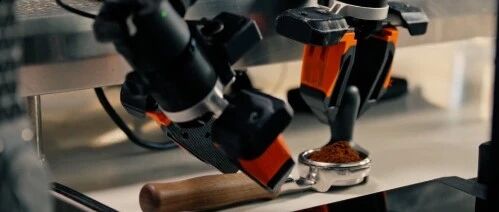
重磅!PI 获42亿融资!估值飙升至392亿
机器人大讲堂· 2025-11-21 04:00
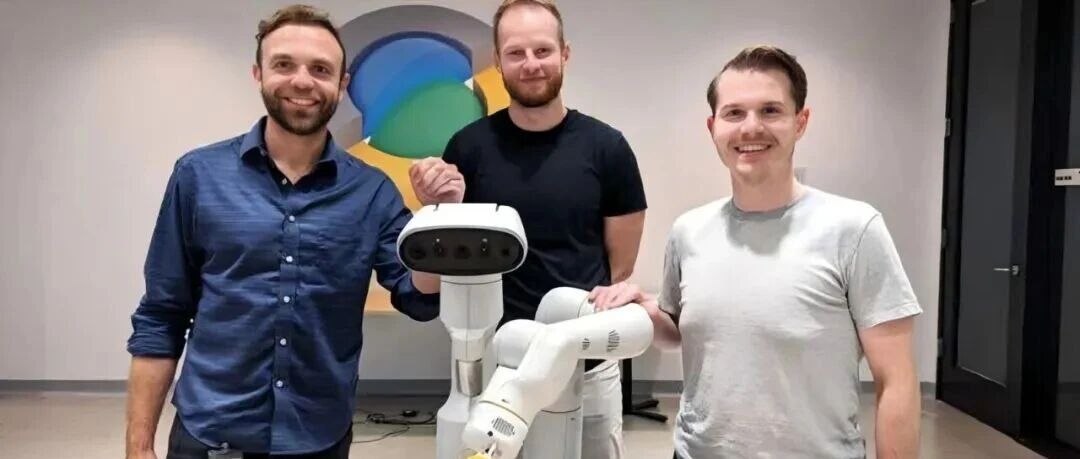
Core Viewpoint - Physical Intelligence (PI), a startup focused on robotics and artificial intelligence, has raised $600 million in its latest funding round, increasing its valuation to $5.6 billion. The funding was led by CapitalG, with participation from existing investors and new entrants [1][9]. Company Overview - PI was founded in 2024 and is headquartered in San Francisco, USA. The team includes notable figures such as CEO Karol Hausman, a former senior research scientist at Google DeepMind, and Sergey Levine, a leader in reinforcement learning [1][3]. - The company aims to develop general-purpose AI algorithms for home robots, with a long-term vision of creating a "general intelligence" system to empower diverse robotic applications [3]. Technology and Product Development - PI addresses the challenges faced by home robots in complex environments by developing general artificial intelligence (AGI) models to enhance multi-tasking capabilities and reduce data dependency [5]. - The company employs a "broad coverage, small data" strategy to improve the model's semantic understanding of various mechanical actions and tasks [5]. - The first model, π-0, was launched in October 2024, capable of performing complex tasks such as folding clothes and operating a microwave [5]. - The subsequent model, π-0.5, released in April 2025, improved adaptability to new environments through heterogeneous data collaborative training [7]. - The latest model, π*0.6, introduced on November 18, 2025, showcased exceptional performance in real-world tasks, achieving over 90% success rates in various activities [7]. Funding and Valuation Growth - Since its inception in 2024, PI has experienced rapid funding and valuation growth. The company raised $70 million in seed funding in March 2024, reaching a valuation of $400 million. By November 2024, it secured $400 million in Series A funding, increasing its valuation to $2.4 billion, marking a sixfold increase [9]. - The recent $600 million funding round has pushed the total capital raised to over $1 billion within just over a year, reflecting strong market confidence in its technology and growth prospects [9].
真机RL,最强VLA模型π*0.6来了,机器人在办公室开起咖啡厅
3 6 Ke· 2025-11-18 04:05
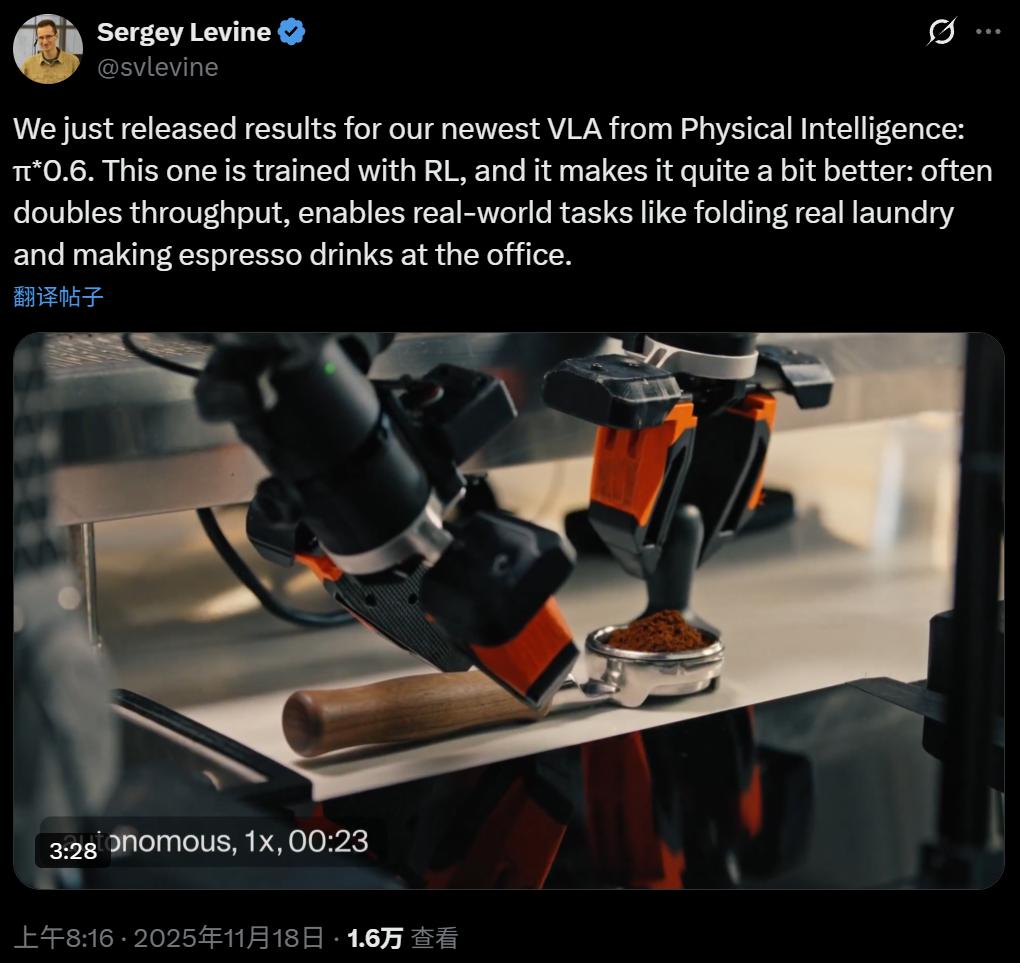
Core Insights - Physical Intelligence (PI) has developed a new robot base model π*0.6, significantly improving the success rate and efficiency of embodied intelligence tasks [1][5] - The company has raised over $400 million in funding in 2024, achieving a valuation of over $2 billion, positioning itself as a key player in the embodied intelligence sector [1] - The model utilizes a "Vision-Language-Action" (VLA) framework, enabling robots to generalize and perform tasks in unknown environments [1][5] Company Overview - Physical Intelligence is a robotics and AI startup based in San Francisco, aiming to transition general artificial intelligence from the digital realm to the physical world [1] - The company’s first general-purpose robot base model, π₀, allows a single software to control multiple physical platforms for various tasks [1] Technological Advancements - The π*0.6 model has been fine-tuned to achieve over 90% success rates in various tasks, excluding clothing handling, with significantly improved processing efficiency [3][5] - The Recap method, developed by PI, incorporates demonstration training, corrective guidance, and autonomous experience improvement, enhancing the model's robustness and efficiency [5][8] Performance Metrics - The π*0.6 model has demonstrated a doubling of throughput and a reduction in failure rates by twofold or more for complex tasks such as making espresso coffee and assembling boxes [5][19] - The model's performance has been validated through real-world applications, achieving over 90% success rates in tasks like coffee making, clothing folding, and box assembly [22][19] Learning Methodology - The Recap method allows the model to learn from both expert demonstrations and its own experiences, addressing the limitations of traditional supervised learning [23][24] - The model's training process includes offline reinforcement learning for pre-training, followed by task-specific fine-tuning using real-world data [16][24] Future Directions - As robots are increasingly deployed in real-world scenarios, learning from experience is expected to become a crucial data source for achieving high-performance models [24] - The combination of expert demonstrations, corrective guidance, and autonomous experience is anticipated to enhance the learning process, potentially leading to performance that surpasses human capabilities [24]

真机RL!最强VLA模型π*0.6来了,机器人在办公室开起咖啡厅
机器之心· 2025-11-18 03:30
Core Insights - Physical Intelligence (PI) has developed a new robot base model π*0.6, significantly enhancing the success rate and efficiency of embodied intelligence tasks [2][3][6] - The company secured over $400 million in funding in 2024, achieving a valuation exceeding $2 billion, positioning itself as a leading player in the embodied intelligence sector [3] Group 1: Model Development and Capabilities - The π*0.6 model utilizes a "Vision-Language-Action" (VLA) framework, trained on extensive robot perception and action data, enabling it to generalize and perform tasks in unknown environments [3][9] - The model has demonstrated a 90% success rate in various tasks, with significant improvements in processing efficiency [6][34] - The Recap method, which combines demonstration training, corrective guidance, and autonomous experience learning, has been pivotal in enhancing the model's performance [9][19] Group 2: Performance Metrics and Applications - The model has shown over a twofold increase in throughput and success rates for challenging tasks, such as making espresso coffee, after incorporating real-world execution experience [27][29] - Physical Intelligence has tested the model in three real-world applications: making espresso drinks, folding various types of clothing, and assembling packaging boxes, achieving over 90% success rates in these tasks [25][34] - The model's architecture allows it to handle diverse prompts and conditions, improving its adaptability in real-world scenarios [22][23] Group 3: Learning Methodology - The Recap method addresses the challenge of credit assignment in reinforcement learning, allowing the model to learn from both successful and unsuccessful actions [14][20] - The training process involves offline reinforcement learning for pre-training, followed by task-level fine-tuning using demonstration data and real-world feedback [25][36] - The combination of expert demonstrations, corrective guidance, and autonomous experience is expected to enhance the model's learning efficiency and performance [37]