
Helix模型

Search documents
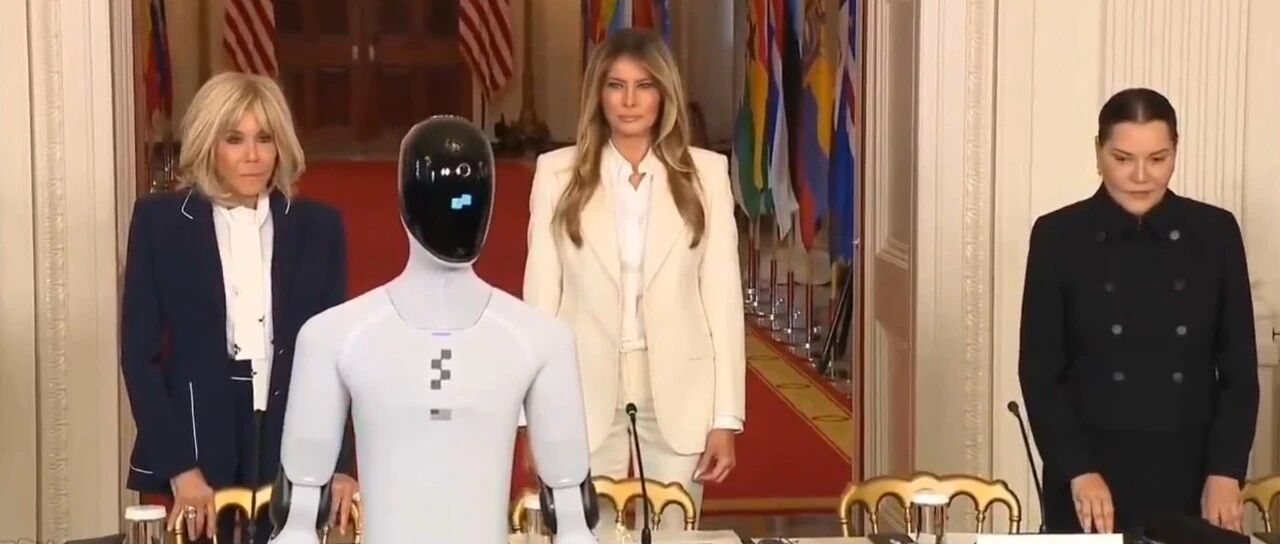
美国第一夫人,带机器人出席峰会
财联社· 2026-03-26 07:00
Core Viewpoint - The article highlights the emergence of Figure 3, a humanoid robot developed by Figure AI, which gained significant attention during an education summit at the White House, showcasing advancements in AI and robotics [1][3]. Group 1: Figure 3 and Its Capabilities - Figure 3 successfully delivered a welcome address in 11 languages and performed entrance and exit actions without errors, despite its somewhat stiff movements [3]. - The robot is designed to assist in educational contexts, potentially serving as a humanoid educator that can provide knowledge across various subjects [3]. Group 2: Company Background and Leadership - Figure AI's founder, Brett Adcock, is also the founder of Archer Aviation, which has a $142 million contract with the U.S. Air Force, indicating strong ties to government projects [4]. - Colby Adcock, Brett's brother, is a co-founder and CEO of Scout AI, which focuses on AI for defense applications, suggesting potential technological overlaps between Figure AI and Scout AI [5]. Group 3: Technological Development - Figure AI transitioned from integrating OpenAI's GPT model to developing its own Helix model, focusing on end-to-end control for faster and more precise decision-making [5]. - The Helix system is utilized in Figure 3, enabling it to perform complex tasks without individual training for each action [7]. Group 4: Financial Backing and Market Position - Figure AI has raised significant funding, including $70 million in Series A and $675 million in Series B, achieving a valuation of $39 billion, making it the highest-valued humanoid robotics company globally [7]. - The company plans to deliver 100,000 robots over the next four years, indicating ambitious growth and scaling plans [7]. Group 5: Market Deployment Challenges - Despite its funding and technological advancements, Figure AI faced challenges in commercial deployment, as evidenced by BMW's decision to partner with a different robotics company for its operations [8][10]. - The company has remained relatively quiet amid a surge of robot deployment news from competitors, raising questions about its production and market strategy [10].

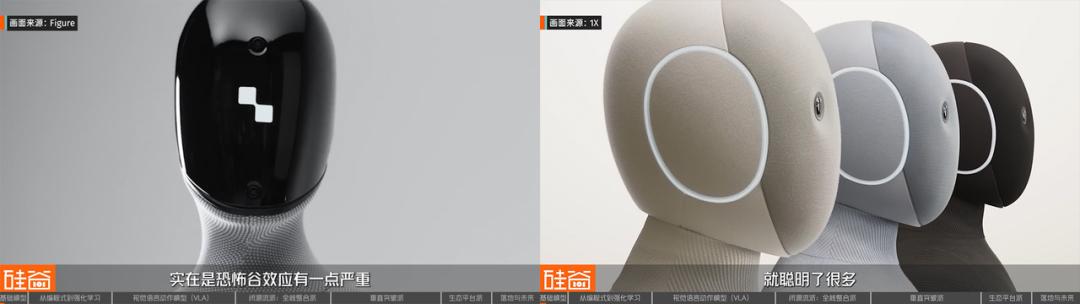
机器人“大脑”60年进化史:基础模型五代进化与三大闭源流派
3 6 Ke· 2026-01-15 03:48
Core Insights - The article discusses the advancements in robotics, particularly focusing on the emergence of foundational models in robotics, which are expected to revolutionize the industry by 2025 [6][23][35]. Group 1: Robotics Developments - Figure AI released its third-generation robot capable of performing various household tasks, but its success rate is questioned due to design issues [1]. - Tesla's robot has faced significant challenges in mass production, leading to a pause in production for hardware redesign [3]. - The article emphasizes the importance of foundational models in robotics, likening them to the capabilities of large language models [6][17]. Group 2: Historical Context of Robotics - The evolution of robotics is categorized into five generations, starting from programmed robots in the 1960s to the current vision-language-action (VLA) models [6][8][17]. - The first generation relied on strict programming, while the second introduced environmental perception through SLAM technology [9][11]. - The third generation utilized behavior cloning, allowing robots to learn from human demonstrations, but faced data efficiency issues [13][15]. Group 3: The Rise of VLA Models - The VLA model integrates vision, language, and action into a single neural network, enabling robots to understand complex instructions and perform tasks more efficiently [18][19]. - The emergence of VLA models is attributed to the maturity of large language models, which provide the necessary capabilities for understanding commands and reasoning [24][26]. - The article identifies three key factors contributing to the rise of foundational models in 2025: the maturity of large language models, reduced computing costs, and a mature hardware supply chain [27][31][33]. Group 4: Market Dynamics and Competition - The market for humanoid robots is projected to be massive, with estimates suggesting a $5 trillion market and the potential for one billion robots globally by 2025 [35]. - Dyna Robotics, a notable player in the field, has secured significant funding and aims to deploy robots in commercial settings, focusing on specific tasks like folding towels [37][56]. - The competition among robotics companies is categorized into three factions: full-stack integrators, vertical breakthrough specialists, and ecosystem platform developers, each with distinct strategies for achieving general-purpose robotics [41][72][81]. Group 5: Future Outlook - The article concludes that while impressive demonstrations have been made, the practical deployment of these technologies remains uncertain, with companies like Tesla and Figure AI still facing challenges in commercialization [82][85]. - The potential for household robots to assist with mundane tasks is highlighted as a near-future possibility, with companies aiming to introduce robots capable of performing specific functions in homes [85][86].




估值超390亿元,头部具身智能大模型创企发布最强VLA模型!
Robot猎场备忘录· 2025-11-27 05:06
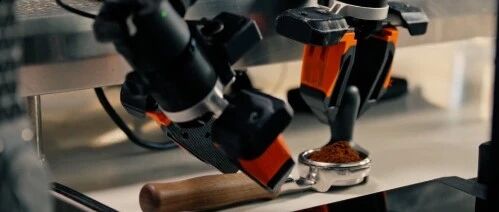
Core Viewpoint - The article discusses the launch of the latest visual-language-action (VLA) model π*0.6 by Physical Intelligence (PI), which has achieved a significant breakthrough in robotic learning and performance, enabling robots to learn from mistakes and improve in real-world environments, achieving over 90% success rates in complex tasks [2][12]. Summary by Sections Model Development - Physical Intelligence has released the π*0.6 model, which is built on the previous π0.5 model, and is valued at over $39 billion [2]. - The new model utilizes an innovative RECAP training method that allows robots to learn from errors and evolve through practice, significantly enhancing their task success rates [2][4]. Key Features of π*0.6 - The RECAP training framework combines offline reinforcement learning with online advantage-conditioned reinforcement learning, allowing robots to absorb large amounts of historical data while continuously improving in real deployments [8]. - The advantage-conditioned policy explicitly incorporates "advantage values" as input, simplifying the learning process and enabling effective policy iteration [10]. - A distributed value function and sparse rewards mechanism help the model accurately assess which actions lead to success in complex tasks, thus improving performance beyond that of human demonstrators [11]. Real-World Application - The model has been tested in three challenging real-world tasks: folding diverse clothing, assembling boxes in a factory setting, and making espresso, achieving over 90% success rates and doubling throughput while reducing failure rates by 50% [12]. - This marks a significant transition from merely demonstrating capabilities in laboratory settings to proving practical utility in real-world applications [14]. Industry Context - Since 2025, the dual-system architecture of VLA models has become mainstream in the field of embodied intelligence, with leading companies adopting this approach to tackle more complex and varied tasks [14]. - The article highlights the competitive landscape, noting that major tech companies like Google, OpenAI, and others are increasingly investing in embodied intelligence and robotics, indicating a shift towards practical applications and commercialization in the sector [19][20].
深度|解码具身智能下半场的价值标尺,中国需要Figure吗?
Z Potentials· 2025-11-22 03:21
Core Viewpoint - The investment by Geely Capital in Xingdong Jiyuan signifies a shift in the investment landscape of the embodied intelligence sector, highlighting the increasing preference for integrated hardware and software solutions by industrial capital [2][3][6]. Group 1: Industrial Capital's Shift - The entry of major industrial players like automotive and high-end manufacturing into the embodied intelligence space marks a change in investment dynamics, moving from a focus on isolated technological solutions to a preference for integrated systems [3][4]. - Industrial capital is now prioritizing investments that promise reliable, consistent, and cost-effective production tools, rather than merely conceptual technologies [4][6]. Group 2: Figure Paradigm - Figure AI has emerged as a leading player with a valuation of $39 billion, providing a model for industrial capital through its "technology-capital-scenario" triangle, which minimizes commercialization uncertainties [7][9]. - The core technology of Figure combines the Helix model (brain) with the Figure 03 body (physical embodiment), emphasizing the synergy between software and hardware [7][8]. Group 3: Xingdong Jiyuan's Alignment with Figure - Xingdong Jiyuan exhibits significant similarities to Figure in its core architecture, with its ERA-42 model paralleling Figure's Helix model, both employing a dual-system approach for enhanced performance [10][11][13]. - The company has achieved over 95% self-research rate in key hardware components, surpassing Figure's level of autonomy and optimization potential [14]. - Xingdong Jiyuan's capital ecosystem includes a combination of technology giants, industrial capital, and state-backed funds, mirroring Figure's successful capital structure [15][16]. Group 4: Real-World Applications and Achievements - Unlike many competitors still in the demo phase, Xingdong Jiyuan has demonstrated real commercial viability with significant partnerships and a backlog of over 500 million in orders by 2025 [20][22]. - The company has successfully implemented its solutions in logistics and manufacturing, achieving operational efficiencies of up to 70% in certain scenarios [17][22]. Group 5: Future Outlook - The recent investment from a top automotive giant not only validates Xingdong Jiyuan's value but also reflects a broader trend in industrial capital's investment preferences towards companies with integrated technology and clear deployment pathways [25][26]. - As the focus shifts from "Demo King" to "Deployment King," the upcoming years will be critical for assessing the true value of players like Xingdong Jiyuan in the embodied intelligence sector [26][28].

2025大脑具身智能落地的关键
Sou Hu Cai Jing· 2025-11-02 00:45
Core Insights - The report discusses the key to the realization of embodied intelligence in humanoid robots, emphasizing the importance of the robot's "brain" in driving the industry's development speed [1][7]. Group 1: Definition and Capabilities of Humanoid Robot Brain - Humanoid robots consist of a brain, cerebellum, and limbs, where the brain, based on AI large models, autonomously makes optimal decisions for navigation, task execution, and human interaction [14][15]. - The humanoid robot's brain technology provides capabilities for task-level interaction, environmental perception, task planning, and decision control [15][19]. Group 2: Technical Pathways for Humanoid Robot Brain Development - Three main technical pathways are being explored: 1. End-to-end VLA technology, which connects perception to action but is limited to short tasks [3][20]. 2. A layered approach with a brain and cerebellum, where the brain handles high-level decision-making and the cerebellum focuses on motion control [2][20]. 3. World model technology, aiming to create a cognitive map of the physical world for better action optimization [3][20]. Group 3: Industry Participants in Humanoid Robot Brain Development - The industry comprises three types of participants: 1. Companies focused solely on robot brains, such as Beijing General Artificial Intelligence Research Institute and Physical Intelligence [4][25]. 2. General large model companies like Google and OpenAI, which are extending their capabilities to robotics [4][25]. 3. Robotics companies developing their own solutions, with Tesla as a notable example [5][25]. Group 4: Challenges in Developing Embodied Intelligence - The primary challenge in scaling humanoid robots is the model itself rather than data, with a critical breakthrough expected in 1-5 years [5][27]. - Data acquisition for training is difficult, as it requires interaction data from robots with the physical world, which is costly and complex to standardize [6][28]. Group 5: Progress and Future Outlook - Despite challenges, advancements are being made, such as Tesla's Optimus demonstrating autonomous martial arts movements and Figure AI's robots completing complex tasks [7][31][36]. - As technology matures, humanoid robots with advanced "brains" are expected to enter various sectors, including homes and factories, enhancing productivity and collaboration [7][39].

人形机器人公司Figure新融资超10亿美元,英伟达跟投
Nan Fang Du Shi Bao· 2025-09-16 15:21
Core Insights - Figure, a humanoid robotics startup, completed a Series C funding round exceeding $1 billion, achieving a post-money valuation of $39 billion, significantly up from $2.6 billion after the Series B round [1] - The Series C round was led by Parkway Venture Capital, with participation from notable investors including NVIDIA, Intel Capital, LG Technology Ventures, Qualcomm Ventures, Salesforce, T-Mobile Ventures, Brookfield Asset Management, Macquarie Capital, Align Ventures, and Tamarack Global, many of whom are existing shareholders [1] - The funding will be utilized to scale the deployment of humanoid robots in both household and commercial settings, develop next-generation GPU infrastructure, and initiate the collection of real-world datasets to enhance the robots' capabilities in complex environments [1] Company Developments - Founded in 2022, Figure raised $675 million in a Series B round in February 2024, attracting high-profile investors such as NVIDIA, Microsoft, OpenAI, and Jeff Bezos [2] - Following the termination of its partnership with OpenAI, Figure shifted to independently develop its end-to-end robotic AI models, launching the Helix model, which employs a dual-system approach for enhanced functionality [2] - The Helix model consists of a "slow system" for scene and language understanding and a "fast system" for real-time control of the robot's upper body movements [2] Product Demonstrations - Since June, Figure has showcased its robot's capabilities in logistics and household tasks, including sorting packages, loading laundry, folding clothes, and recently, loading dishes into a dishwasher [3] - The robot's ability to perform these tasks has been questioned due to the lack of public demonstrations, leading to skepticism about the effectiveness of these skills [3] - BMW is a key partner for Figure, with the robot being tested in their South Carolina plant, although there have been criticisms regarding the actual productivity and application of the robot in a production environment [3][4]
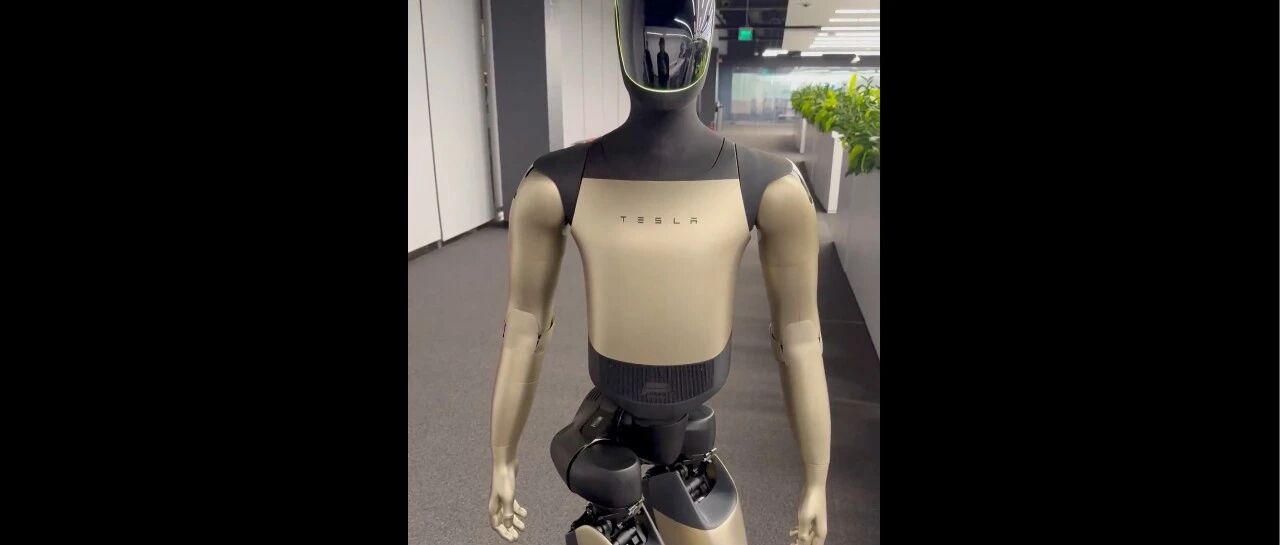
特斯拉下一代金色Optimus原型现身?一双「假手」成为最大槽点
机器之心· 2025-09-04 03:27
Core Viewpoint - Tesla's humanoid robot, Optimus, is being positioned as a revolutionary physical intelligence agent, with a high price range of $200,000 to $500,000, as highlighted by Salesforce CEO Marc Benioff [1][10]. Group 1 - The interaction between Benioff and Optimus showcased the robot's capabilities, although it was noted that Optimus walked somewhat slowly but steadily [8]. - There is a significant public reaction to the high price of Optimus, with expectations that mass production could lower the price to around $20,000 to $30,000 [10]. - Optimus has evolved since its debut in December 2023, demonstrating advanced flexibility, intelligence, and human-robot interaction capabilities, including various actions like dancing and object recognition [15]. Group 2 - The design of Optimus's hands has drawn attention, appearing very human-like but seemingly more ornamental than functional [12]. - There are mixed reviews regarding Optimus's performance, with some users finding it noisy and cumbersome, while others criticized the voice integration as overly artificial and delayed [16][18]. - A comparison was made between Tesla's Optimus and Figure's robot, with Figure showcasing a more polished demonstration, while Optimus's performance seemed less refined and more spontaneous [22][26].
Helix模型助力Figure02自主折衣,灵巧手工程创新实现突破
GUOTAI HAITONG SECURITIES· 2025-08-15 11:27
Investment Rating - The report assigns an "Accumulate" rating for the humanoid robot industry, indicating a positive outlook for investment opportunities [5]. Core Insights - The humanoid robot industry is driven by "technological deepening" and "scene implementation," with Figure 02's technological breakthrough reflecting the industry's direction. The application scenarios are expanding from industrial to smart home environments [5]. - The report highlights the continuous technological transformation and exploration of application scenarios by domestic and international humanoid robot companies, indicating ongoing industrialization in the humanoid robot sector [5]. Summary by Sections Industry Overview - The report discusses the recent demonstration of Figure 02, which successfully completed the complex task of folding clothes autonomously, showcasing advancements in humanoid robotics [2][5]. Technological Advancements - Figure 02 utilizes the Helix architecture and a new dataset to master the skill of folding clothes, demonstrating significant improvements in its technical capabilities. The robot's ability to handle various fabric types and dynamic variables highlights its advanced environmental perception and motion planning [5]. - The report emphasizes the importance of algorithm optimization and data accumulation in expanding robotic skills, particularly in complex daily tasks [5]. Key Companies and Recommendations - The report recommends focusing on key players in the humanoid robot industry, including: - Joint module manufacturers: Zhongchen Technology, Shuanghuan Transmission, and Landai Technology - Linear actuator manufacturers: Hengli Hydraulic - Motor manufacturers: Mingzhi Electric - Encoder manufacturers: Yap Technology and Fengcai Technology - Dexterous hand and sensor manufacturers: Hanwei Technology and Zhaowei Electromechanical - Structural component manufacturers: Changying Precision [5][6]. Financial Projections - The report includes earnings forecasts for key companies, indicating expected growth in earnings per share (EPS) and price-to-earnings (PE) ratios for the years 2025 to 2027, with recommendations to "Accumulate" for several companies based on their projected performance [6].



国泰海通|机械:Helix模型助力Figure 02自主折衣,灵巧手工程创新实现突破
国泰海通证券研究· 2025-08-15 10:15
Core Viewpoint - The humanoid robot industry is driven by "technological deepening" and "scene implementation," with a focus on the transition from industrial applications to smart home environments [1][3]. Group 1: Technological Advancements - Figure 02 has achieved a breakthrough in autonomous clothing folding through its Helix architecture and new datasets, showcasing significant technical capabilities in complex tasks [1]. - The ability to fold clothes requires high environmental perception, precision in force control, and motion planning, which Figure 02 has successfully demonstrated using neural network algorithms [1]. - The innovative design of the dexterous hand utilizes underactuated modular finger components, integrating all necessary components within the fingers, which enhances movement stability and adaptability for grasping [2]. Group 2: Market Trends and Applications - The breakthrough in clothing folding signifies a shift from industrial applications to household scenarios, indicating potential for expanding capabilities in daily service needs such as cleaning and caregiving [3]. - The collaborative upgrade path of "algorithm - data - components" is essential for the ongoing development of humanoid robots, emphasizing the importance of algorithm optimization and data accumulation [3].

2025年中期人形机器人行业投资策略报告:量产破局,链动新机-20250711
Wanlian Securities· 2025-07-11 08:02
Industry Overview - The humanoid robot industry is at a "dawn moment" with mass production beginning, driven by investments from tech giants like Tesla, Huawei, and Figure AI, indicating a significant acceleration in industry iteration and breakthroughs [1][7] - The demand for humanoid robots is increasing due to aging populations and rising labor costs, suggesting a transition from B2B to B2C markets with vast future market potential [1][6] Investment Highlights - From January 2024 to June 26, 2025, the humanoid robot index has outperformed the Wind All A index multiple times, driven by technological breakthroughs and policy catalysts, creating a positive cycle of "policy-financing-orders" [2][12] - The supply side of the humanoid robot industry is rapidly flourishing, with leading companies like Tesla and Figure AI pushing for product iterations and commercial applications, particularly in industrial settings [2][21] Production Plans - The second half of 2025 is a critical window for mass production validation, with a goal to achieve "batch production" and cultivate globally influential companies [3][47] - Tesla plans to produce 10,000 Optimus robots in 2025, with monthly production capacity expanding to 1,000 units, while Figure AI aims for 12,000 units annually from its automated production line [3][47] Software and Hardware Development - AI large models are crucial for humanoid robots, but currently represent the weakest link in the development chain, necessitating breakthroughs in software to match hardware advancements [3][19] - The precision reducer market is expected to see significant growth due to humanoid robots, potentially bringing hundreds of billions in incremental revenue [3][21] Demand Dynamics - The global labor market is tightening due to aging populations, increasing the demand for robots to replace human labor, particularly in elder care [6][21] - The humanoid robot market is projected to reach $20 billion by 2030, indicating substantial future growth potential [6][22] Investment Recommendations - Focus on companies entering or already part of Tesla's supply chain, as the industrialization process of Tesla's Optimus robot is well-defined [7] - Monitor Huawei's early-stage supply chain developments, which hold significant potential for growth [7] - Pay attention to companies that can produce core components at lower costs, as this will be key to the widespread adoption of humanoid robots [7]
