《世界模型与自动驾驶小班课》

Search documents
答应大家的《自动驾驶世界模型》课程终于开课了!
自动驾驶之心· 2026-01-06 06:52
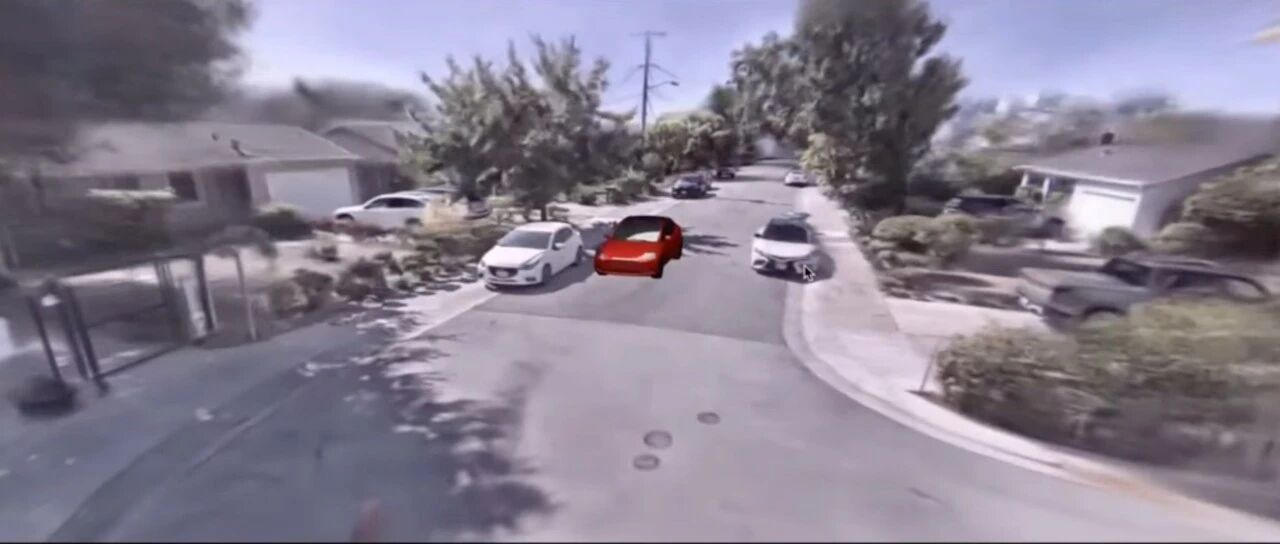
Core Viewpoint - The article announces the launch of a new course titled "World Models and Autonomous Driving Small Class," focusing on general world models, video generation, and OCC generation algorithms in the context of autonomous driving [1][3]. Course Overview - The course is developed in collaboration with industry leaders and follows the success of a previous course on end-to-end and VLA autonomous driving [1]. - The course aims to enhance understanding of world models and their applications in autonomous driving, targeting individuals interested in entering the industry [11]. Course Structure Chapter 1: Introduction to World Models - This chapter provides an overview of world models and their connection to end-to-end autonomous driving, including historical development and current applications [6]. - It discusses various types of world models, such as pure simulation, simulation + planning, and generating sensor inputs and perception results, along with their industry applications [6]. Chapter 2: Background Knowledge of World Models - The second chapter covers foundational knowledge related to world models, including scene representation, Transformer technology, and BEV perception [6][12]. - It highlights key technical terms frequently encountered in job interviews related to world models [7]. Chapter 3: Discussion on General World Models - This chapter focuses on popular general world models, including Marble from Li Fei-Fei's team, DeepMind's Genie 3, and Meta's JEPA, as well as the VLA+ world model algorithms [7]. - It aims to explain the core technologies and design philosophies behind these models [7]. Chapter 4: Video Generation-Based World Models - The fourth chapter delves into video generation algorithms, starting with Wayve's GAIA-1 & GAIA-2 and extending to recent works like UniScene and OpenDWM [8]. - It balances classic works with the latest advancements in the field [8]. Chapter 5: OCC-Based World Models - This chapter focuses on OCC generation algorithms, discussing three major papers and a practical project that extends OCC methods to vehicle trajectory planning [9]. Chapter 6: World Model Job Topics - The final chapter shares practical insights from the instructor's years of experience, addressing industry applications, pain points, and interview preparation for related positions [10]. Learning Outcomes - The course is designed to be the first advanced practical tutorial for end-to-end autonomous driving, aiming to facilitate the implementation of these technologies in the industry [11]. - Participants are expected to achieve a level equivalent to one year of experience as a world model autonomous driving algorithm engineer upon completion [14].

正式开课!三个月搞懂自动驾驶世界模型技术栈
自动驾驶之心· 2025-12-30 09:20
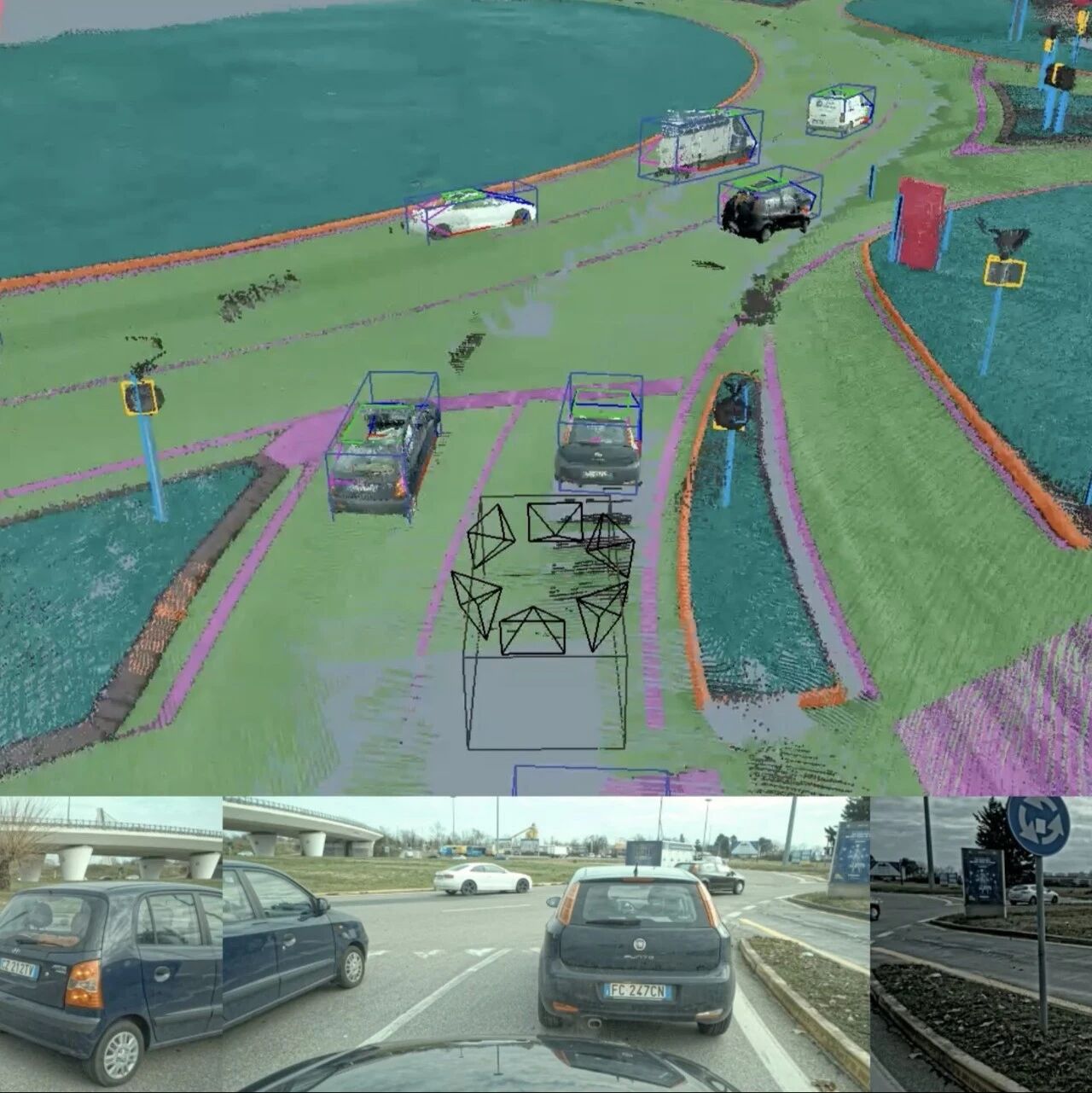
Core Insights - The article discusses the vision of world models in understanding and transforming the physical world, emphasizing the role of continuous technological breakthroughs in generative AI for autonomous driving [2] - It highlights the ongoing exploration of world models in the autonomous driving sector, particularly in video generation and OCC generation [2][3] - The article addresses the challenges faced by newcomers in grasping the concept of world models and the complexities involved in data generation and closed-loop simulation [4][5] Summary by Sections Introduction to World Models - The first chapter provides an overview of world models and their connection to end-to-end autonomous driving, detailing the historical development and current applications [12] - It categorizes different types of world models, including purely simulated models and those that integrate planning and sensory input generation [12] Background Knowledge - The second chapter covers foundational knowledge related to world models, including scene representation and technologies like Transformer and BEV perception [13] - This chapter is crucial for understanding the technical vocabulary frequently encountered in job interviews related to world models [13] General World Model Discussion - The third chapter focuses on general world models and recent advancements in autonomous driving, discussing notable models such as Marble, Genie 3, and VLA+ algorithms [14] Video Generation-Based World Models - The fourth chapter delves into video generation algorithms, highlighting significant works like GAIA-1 & GAIA-2 and recent advancements in the field [15] OCC-Based World Models - The fifth chapter centers on OCC generation algorithms, discussing three major papers and a practical project that extends to vehicle trajectory planning [16] World Model Job Topics - The sixth chapter shares practical insights from industry experience, addressing the application of world models in the industry, common pain points, and interview preparation [17] Course Overview - The course aims to provide a comprehensive understanding of end-to-end autonomous driving, with a focus on world models, and is designed for individuals looking to enter the autonomous driving industry [17][20] - It includes detailed discussions on key technologies and methodologies, ensuring participants can apply their knowledge in real-world projects [20] Course Schedule - The course is set to begin on January 1, with a duration of approximately two and a half months, featuring offline video lectures and online Q&A sessions [21][22]
为什么世界模型对行业产生了这么大的影响?
自动驾驶之心· 2025-12-29 09:17
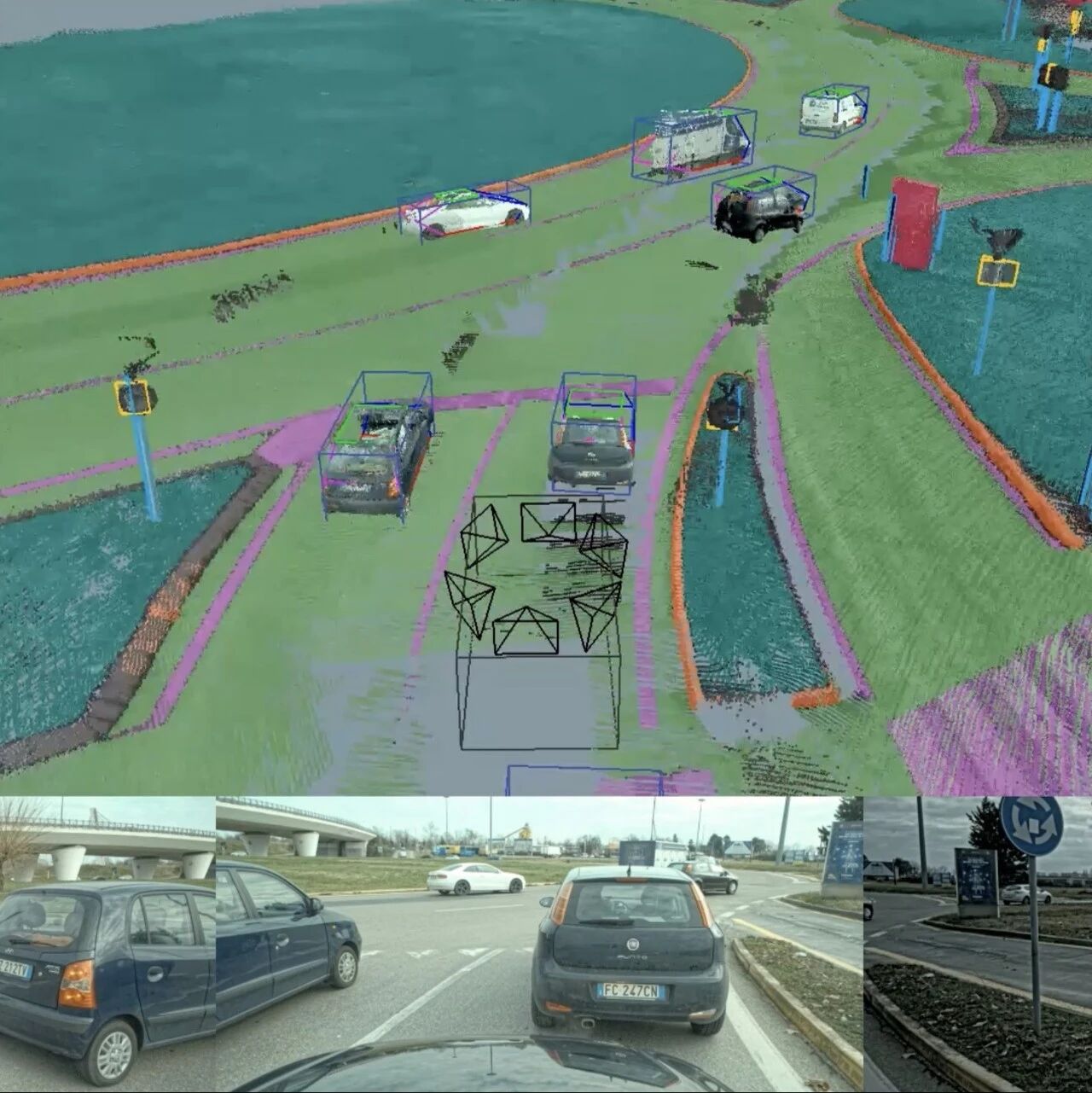
Core Insights - The article emphasizes the vision of world models in understanding and transforming the physical world, focusing on the continuous technological breakthroughs that lead to generative AI in autonomous driving [2] Group 1: World Model Exploration - Various companies are building their cloud and vehicle-based world models using open-source algorithms for long-tail data generation and closed-loop simulation/evaluation [4] - The exploration of world models in autonomous driving includes video generation, OCC generation, and LiDAR point cloud generation, with notable works from Wayve, OccWorld, and others [3][4] Group 2: Challenges in Understanding World Models - The definition of world models remains ambiguous, leading to confusion among newcomers in the field [5] - Many beginners struggle to grasp the concepts of data generation and closed-loop simulation, often feeling lost despite extensive efforts [6] Group 3: Course Offering - The article introduces a course on world models in autonomous driving, developed in collaboration with industry algorithm experts, aimed at helping learners understand the field from theory to practice [6][8] - The course covers various chapters, including an introduction to world models, background knowledge, discussions on general world models, and practical applications in video and OCC generation [11][12][13][14] Group 4: Course Structure and Content - The course is structured into six chapters, each focusing on different aspects of world models, including their historical development, technical stacks, and industry applications [11][12][13][14][15] - The course aims to equip participants with the necessary skills to understand and implement world models in autonomous driving, preparing them for job interviews and practical applications [16][19]
工业界大佬带队!彻底搞懂自动驾驶世界模型...
自动驾驶之心· 2025-12-11 03:35
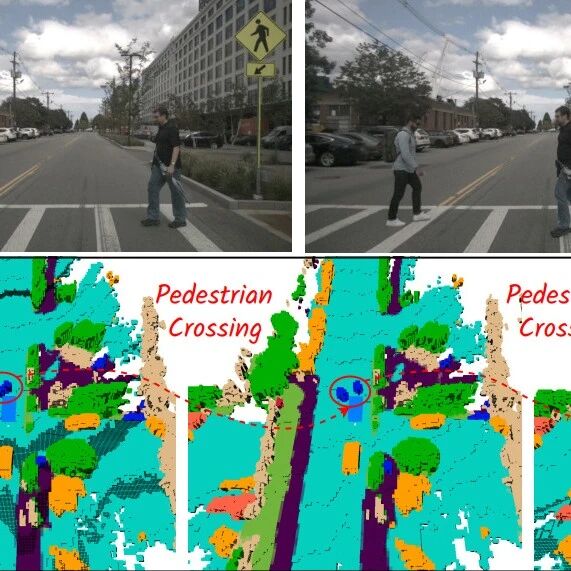
Core Viewpoint - The article introduces a new course titled "World Models and Autonomous Driving Small Class," focusing on advanced algorithms in the field of autonomous driving, including general world models, video generation, and OCC generation [1][3]. Course Overview - The course is developed in collaboration with industry leaders and follows the success of a previous course on end-to-end and VLA autonomous driving [1]. - The course aims to enhance understanding and practical skills in world models, targeting individuals interested in the autonomous driving industry [11]. Course Structure - **Chapter 1: Introduction to World Models** - Discusses the relationship between world models and end-to-end autonomous driving, including historical development and current applications [6]. - Covers various types of world models, such as pure simulation, simulation + planning, and generation of sensor inputs and perception results [6]. - **Chapter 2: Background Knowledge of World Models** - Focuses on foundational knowledge, including scene representation, Transformer, and BEV perception [6][12]. - Highlights key technical terms frequently encountered in job interviews related to world models [7]. - **Chapter 3: General World Model Exploration** - Examines popular models like Marble from Li Fei-Fei's team, DeepMind's Genie 3, and Meta's JEPA, along with recent discussions on VLA + world model algorithms [7]. - **Chapter 4: Video Generation-Based World Models** - Concentrates on video generation algorithms, starting with Wayve's GAIA-1 & GAIA-2 and extending to recent works like UniScene and OpenDWM [8]. - **Chapter 5: OCC-Based World Models** - Focuses on OCC generation methods, discussing three major papers and a practical project that extends to vehicle trajectory planning [9]. - **Chapter 6: World Model Job Specialization** - Provides insights into the application of world models in the industry, addressing pain points and interview preparation for relevant positions [10]. Learning Outcomes - The course aims to equip participants with the skills to reach a level equivalent to one year of experience as a world model autonomous driving algorithm engineer [14]. - Participants will gain a comprehensive understanding of world model technologies, including video generation and OCC generation methods, and will be able to apply their knowledge in practical projects [14].
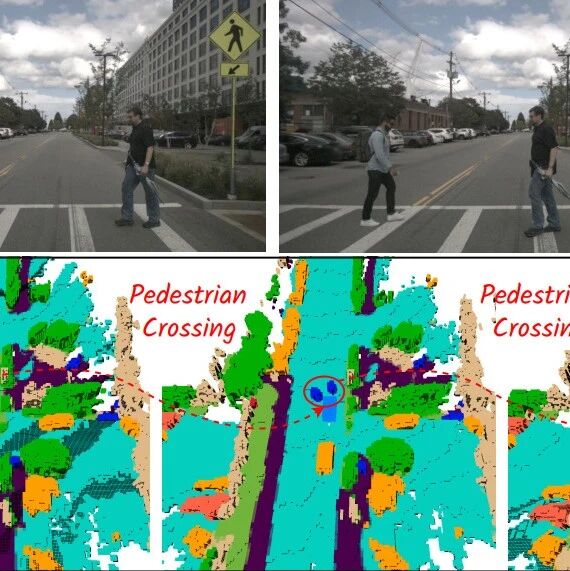
世界模型自动驾驶小班课!特斯拉世界模型、视频&OCC生成速通
自动驾驶之心· 2025-12-09 19:00
Core Viewpoint - The article introduces a new course titled "World Models and Autonomous Driving Small Class," focusing on advanced algorithms in the field of autonomous driving, including general world models, video generation, and OCC generation [1][3]. Course Overview - The course is developed in collaboration with industry leaders and follows the success of a previous course on end-to-end and VLA autonomous driving [1]. - The course aims to enhance understanding and practical skills in world models, which are crucial for the advancement of autonomous driving technology [11]. Course Structure Chapter 1: Introduction to World Models - This chapter covers the relationship between world models and end-to-end autonomous driving, the history of world models, and current application cases [6]. - It discusses various types of world models, including pure simulation, simulation plus planning, and generating sensor inputs and perception results [6]. Chapter 2: Background Knowledge of World Models - The second chapter focuses on foundational knowledge related to world models, including scene representation, Transformer technology, and BEV perception [6][12]. - It highlights key technical terms frequently encountered in job interviews related to world models [7]. Chapter 3: Discussion on General World Models - This chapter addresses popular general world models and recent trends in autonomous driving jobs, including models from Li Feifei's team and DeepMind [7]. - It provides insights into the core technologies and design philosophies behind these models [7]. Chapter 4: Video Generation-Based World Models - The fourth chapter focuses on video generation algorithms, showcasing significant works such as GAIA-1 & GAIA-2 and recent advancements from various institutions [8]. - It includes practical applications using open-source projects like OpenDWM [8]. Chapter 5: OCC-Based World Models - This chapter explores OCC generation algorithms, discussing three major papers and a practical project that extends to vehicle trajectory planning [9]. Chapter 6: World Model Job Topics - The final chapter shares practical experiences from the instructor's career, addressing industry applications, pain points, and interview preparation for related positions [10]. Target Audience and Learning Outcomes - The course is designed for individuals aiming to deepen their understanding of end-to-end autonomous driving and world models [11]. - Upon completion, participants are expected to achieve a level equivalent to one year of experience as a world model autonomous driving algorithm engineer, mastering key technologies and being able to apply learned concepts in projects [14].
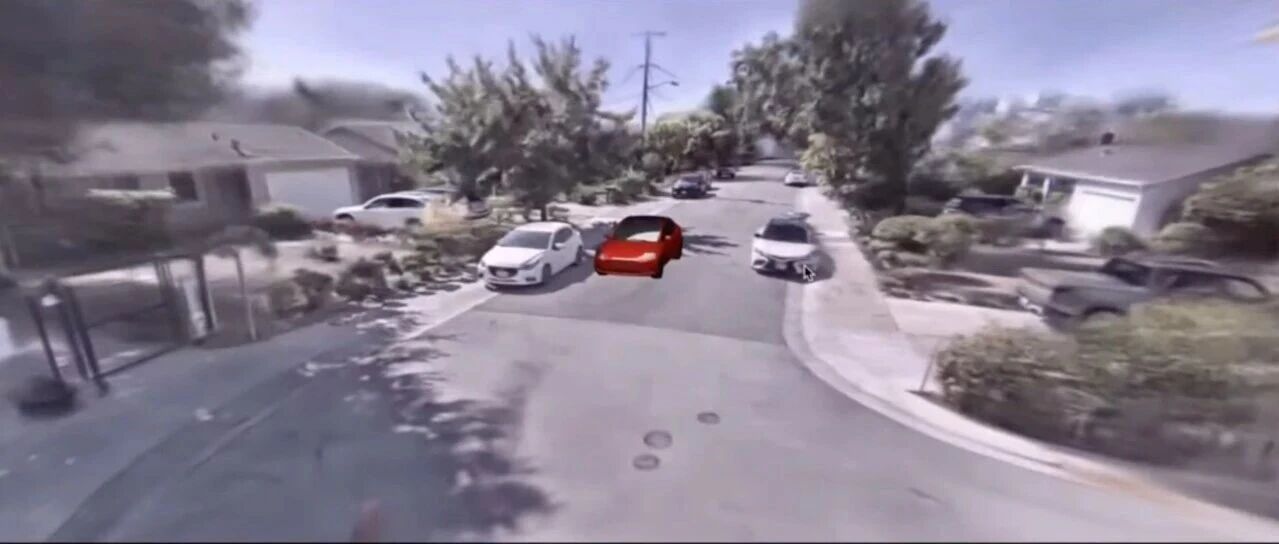
世界模型与自动驾驶小班课正式推出!特斯拉世界模型、视频OCC生成一网打尽~
自动驾驶之心· 2025-12-09 07:59
Core Insights - The article introduces a new course on world models and autonomous driving, emphasizing the importance of understanding various algorithms and their applications in the industry [2][10]. Course Overview - The course is structured into six chapters, covering topics from the introduction of world models to practical applications in autonomous driving [5][10]. - Chapter one discusses the relationship between world models and end-to-end autonomous driving, including historical development and current applications [5]. - Chapter two focuses on foundational knowledge related to world models, including scene representation and key technologies like Transformer and BEV perception [6]. - Chapter three explores general world models, highlighting significant contributions from teams like Li Fei-Fei's Marble and DeepMind's Genie 3 [6][7]. - Chapter four delves into video generation algorithms, showcasing notable works such as Wayve's GAIA-1 & GAIA-2 and recent advancements in the field [7]. - Chapter five examines OCC generation models, discussing their potential for trajectory planning and end-to-end implementation [8]. - Chapter six provides insights into industry applications of world models, addressing common pain points and interview preparation for relevant positions [9]. Learning Outcomes - The course aims to equip participants with the skills to understand and implement world model algorithms, preparing them for roles in the autonomous driving sector [10][13]. - Participants are expected to achieve a level equivalent to one year of experience as a world model algorithm engineer upon completion [13]. Course Schedule - The course is set to begin on January 1, with a duration of approximately two and a half months, featuring offline video lectures and online Q&A sessions [14].