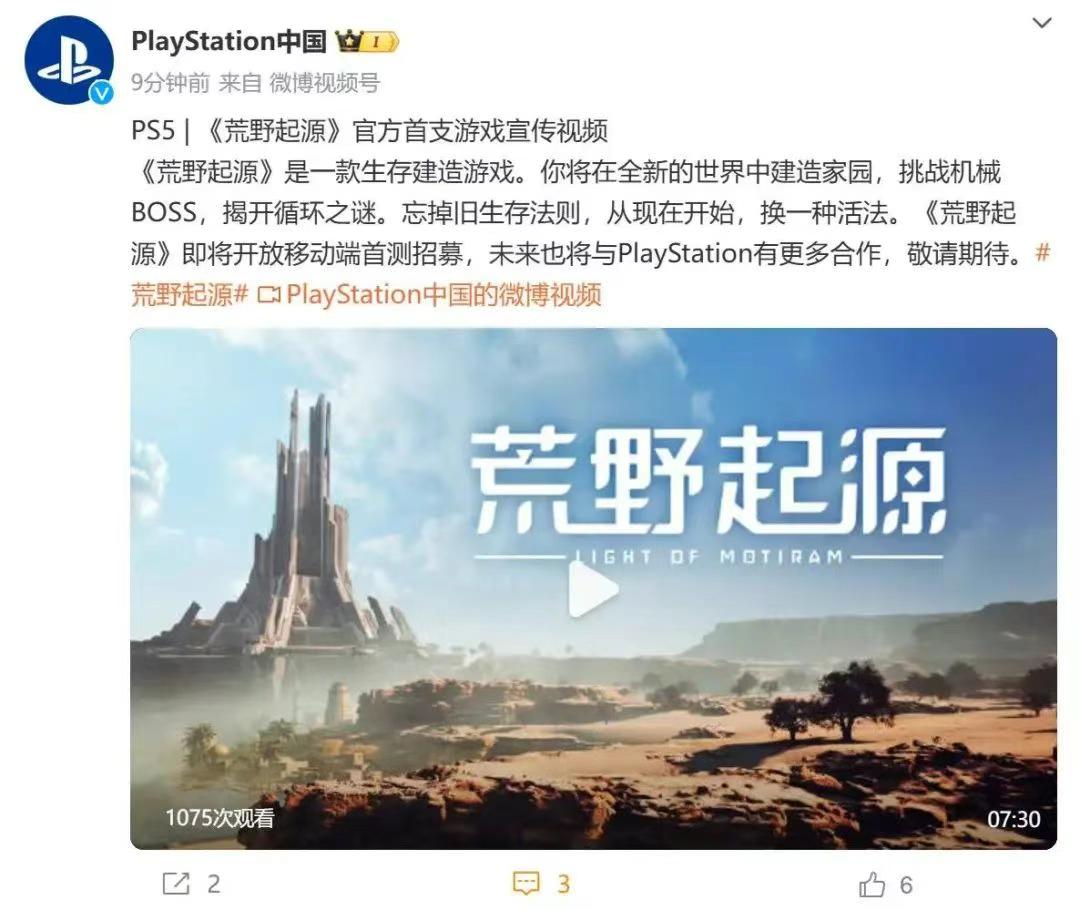
《地平线》系列

Search documents
索尼与腾讯达成和解,游戏官司画上句号
猿大侠· 2025-12-20 04:11
Core Viewpoint - The legal dispute between Sony and Tencent over the game "Wild Origins" has concluded with Sony officially withdrawing its infringement lawsuit, indicating a shift from confrontation to collaboration in the gaming industry [1]. Group 1: Background of the Dispute - The conflict originated in March 2024 when Tencent's Aurora Studio began developing "Wild Origins" and sought IP licensing from Sony for the "Horizon" series, which Sony rejected in April [3]. - In July 2025, Sony filed a lawsuit claiming "Wild Origins" substantially plagiarized the "Horizon" IP, demanding $150,000 in statutory damages per work and a permanent injunction [5]. - Tencent countered the lawsuit in September, arguing that core gameplay elements belong to the public domain and that the infringement claims lacked substantial evidence since the game had not yet been released [5]. Group 2: Legal Proceedings and Industry Reactions - The legal battle intensified in October, with Sony asserting that character traits of Aloy, such as her red hair and unique design, constituted trademark protection, while Tencent argued that these features were too vague to meet legal standards [7]. - Player opinions were divided, with some supporting Sony's claims of excessive similarity, while others viewed the borrowing of elements as a common practice in the gaming industry [7]. - The core issue revolved around the distinction between common sci-fi elements and exclusive IP identifiers, highlighting a broader challenge in the gaming sector regarding infringement recognition [7]. Group 3: Resolution and Strategic Implications - Despite expectations of a prolonged legal battle, a dramatic turn occurred when both parties reached a temporary agreement to delay legal proceedings, culminating in a full resolution on December 18 [10]. - The initial cooperation signals, such as Sony's prior promotion of "Wild Origins" on social media, suggested underlying collaborative intentions despite the public legal conflict [12]. - The resolution reflects complex strategic considerations, as Tencent serves as both a potential IP challenger and a vital content provider for Sony, which is transitioning from traditional game models to service-oriented games [17]. Group 4: Future Collaboration - Sony's shift towards service-oriented games has led to increased reliance on Tencent's successful titles, indicating a potential for mutually beneficial collaboration moving forward [19]. - The resolution of the dispute may pave the way for a more cooperative relationship, allowing both companies to leverage their strengths in the evolving gaming landscape [19].



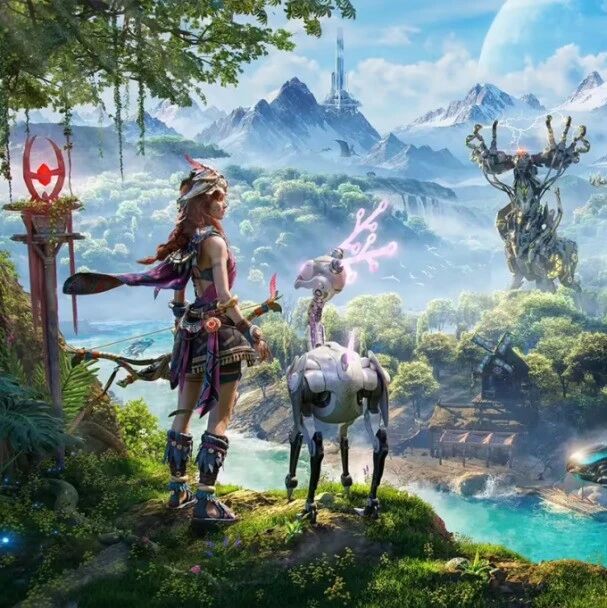
腾讯《荒野起源》按下暂停键 索尼诉讼战局迎来关键博弈
Xin Lang Cai Jing· 2025-12-17 05:31
Core Viewpoint - The legal dispute between Tencent and Sony Interactive Entertainment over the copyright of "Wild Origin" has reached a temporary agreement, pausing all marketing and public testing activities for the game, with a key hearing postponed to January 29, 2026. This lawsuit, which began in July 2025, involves critical issues such as the definition of "plagiarism," strategic competition among industry giants, and the protection of intellectual property rights, drawing significant global market attention [1][9]. Group 1: Origin of the Dispute and Controversy Focus - The dispute traces back to March 2024 when Tencent executives approached Sony at the Game Developers Conference in San Francisco to propose a collaboration on a game adaptation of the "Horizon" IP, which was explicitly rejected by Sony [2][10]. - Eight months later, Tencent announced its self-developed game "Wild Origin," which features a red-haired female protagonist and a post-apocalyptic world populated by mechanical creatures, closely resembling the "Horizon" series. Notably, Sony's PlayStation China account initially shared the game's promotional video, hinting at "future cooperation," but later deleted the post, leading to a rapid deterioration in relations [2][10]. - Sony's lawsuit claims that "Wild Origin" is a "poor copy," citing substantial similarities in character design, core visual style, and promotional material composition. Tencent counters that these elements are common expressions in the sci-fi genre and accuses Sony of attempting to monopolize public domain content [2][10]. Group 2: Strategic Considerations of the Temporary Agreement - On December 1, both parties submitted a joint motion to the California court, reaching a strategic agreement that involves a mutual exchange of interests. Tencent agreed to suspend game promotion and testing until at least the fourth quarter of 2027, while Sony consented to extend the legal timeline and consolidate hearing schedules [3][11]. - Tencent's concession allows it to avoid high-risk promotional investments during the litigation period, as the game's original release window is still far off. This pause has limited business impact and provides Tencent with more time for legal preparation. Additionally, the removal of controversial materials from the Steam page indicates Tencent's proactive approach to reducing infringement risks [3][11]. - Sony benefits by temporarily eliminating potential market competition without an official court ruling, as it is developing "Horizon: Steel Frontier" in collaboration with NCSoft. The delay of Tencent's product creates a more favorable market window for Sony's official IP derivative [3][11]. Group 3: Industry Underpinnings and Future Implications - The dispute reflects deeper structural contradictions within the gaming industry. Sony has been pushing for a transition to service-oriented games but has faced setbacks with projects like "Starfall" and the cancellation of the multiplayer version of "The Last of Us," leading it to rely on the multiplayer adaptation of the "Horizon" IP [4][12][13]. - Tencent's intensive layout in the SOC (Survival Open World Construction) sector has led it to place high hopes on "Wild Origin." However, the need for cost control and conflicts with high revenue-sharing models for IP licensing have prompted Tencent to adopt a "borrow and improve" strategy [4][12][13]. - The competitive relationship between Tencent and Sony complicates the situation further. While Tencent represents Nintendo Switch in China and competes with Sony, both companies hold shares in FromSoftware and Tencent's games must be available on the PlayStation platform. This "cooperation and competition" dynamic suggests that the lawsuit serves more as a reset of negotiation leverage rather than a complete breakdown [4][12][13]. Group 4: Legal Outcomes and Industry Impact - The January 2026 hearing is expected to be a watershed moment for the case. If the court supports Sony's injunction request, "Wild Origin" may face significant modifications or even termination. Conversely, if Tencent successfully rebuts the lawsuit, it will need to reassess the legal risks associated with global game distribution [5][14]. - Industry experts indicate a high probability of reconciliation between the two parties, such as Tencent obtaining formal IP licensing or adjusting game content through compensation payments [5][14]. - Regardless of the outcome, this case sets a precedent for the industry, highlighting the need for strengthened intellectual property protection. Sony's detailed claims regarding gameplay mechanics and visual elements may prompt more lawsuits from major companies against "stitched" products [7][14]. - The global competitive strategy will require Tencent to balance self-developed IP innovation with compliance costs, while Sony must reconsider the flexibility of its IP collaboration models [7][15]. Conclusion - The "silence" surrounding "Wild Origin" not only represents a commercial battle between two giants but also reveals the gaming industry's transition from broad borrowing to a redefinition of rules. In an era where content homogenization and the desire for innovation coexist, the outcome of this case will profoundly influence the research and development strategies and collaboration models of global manufacturers. As capital and technology accelerate their collision, the boundaries between law and creativity are increasingly blurred, with the court ruling in early 2026 poised to draw a critical line for the industry [8][16].
索尼与腾讯达成临时协议 暂停《荒野起源》所有宣传
Xi Niu Cai Jing· 2025-12-05 09:58
Core Viewpoint - Sony and Tencent have reached a temporary agreement regarding the infringement case of "Horizon" series by Tencent's upcoming game "Wild Origin" [2] Group 1: Legal Proceedings - Tencent has agreed to suspend all marketing and public testing activities for "Wild Origin" until the key hearing in early 2026, and the game will not be released before Q4 2027 [2] - A motion to dismiss hearing and an injunction hearing are scheduled for January 29, 2026, with Tencent submitting its response to Sony's injunction request by December 17, 2025, and Sony's rebuttal due by January 2, 2026 [2] Group 2: Allegations - Sony has filed a lawsuit against Tencent in a California federal court, accusing Tencent's "Wild Origin" of being a "copycat clone" of its "Horizon" series [2] - The lawsuit claims that "Wild Origin" closely resembles "Horizon" in gameplay mechanics, story themes, artistic style, and design of mechanical creatures, particularly highlighting the similarity between the red-haired hunter character and Horizon's protagonist, Aloy, which could confuse players [2] Group 3: Game Development Impact - Following the lawsuit, "Wild Origin" has been removed from the Steam page, some artistic materials have been modified, and the release plan has been quietly postponed [2]
索尼对腾讯发起侵权诉讼,还放出了后者的合作意向PPT
3 6 Ke· 2025-07-31 00:02
Core Viewpoint - Sony has filed a lawsuit against Tencent, claiming that Tencent's upcoming game "Light of Motiram" infringes on the copyright and trademark rights of Sony's "Horizon" series, seeking to halt its development and seek damages [1][39]. Group 1: Tencent's Contact with Sony - In March 2024, Tencent executives approached Sony Interactive Entertainment (SIE) at the Game Developers Conference, proposing to obtain IP licensing for a mobile game set in the "Horizon" universe [3]. - Tencent expressed its interest in the "Horizon" series due to its high-value IP and international reputation, as highlighted in their presentation titled "Expanding the Horizon" [5]. - Tencent's proposal included retaining the original open-world setting of "Horizon" while introducing Eastern aesthetics and gameplay elements [9]. Group 2: Rejection of Tencent's Proposal - SIE officially rejected Tencent's proposal for IP licensing in April 2024, citing the current development stage of the "Horizon" series as a reason [13]. - Despite the rejection, Tencent announced the launch of "Light of Motiram" later in 2024, which closely resembles the "Horizon" series in style and content [14]. Group 3: Similarities Between the Games - The lawsuit details that "Light of Motiram" has appropriated many recognizable elements from the "Horizon" series, including world setting, narrative framework, character design, and visual expression, leading to public confusion regarding the game's origin [14][15]. - The narrative of "Light of Motiram" mirrors that of "Horizon," depicting a post-apocalyptic world dominated by giant machines, with players uncovering the secrets of a lost civilization [15][16]. - The promotional materials for "Light of Motiram" show significant visual similarities to "Horizon," including the use of similar character designs and environmental elements [18][21]. Group 4: Legal Demands from Sony - Sony's lawsuit requests the court to rule that Tencent has willfully infringed on the copyright of the "Horizon" series and violated SIE's trademark rights related to the character Aloy [37]. - The lawsuit seeks both temporary and permanent injunctions against Tencent, prohibiting them from continuing to develop or market "Light of Motiram" [37]. - Sony is also seeking statutory damages of up to $150,000 for each infringement, along with the destruction of infringing materials and recovery of profits gained from the alleged infringement [38].