
《平原烈火》

Search documents
文化中国 | 推动燕赵文化绽放时代新韵
Xin Lang Cai Jing· 2026-01-04 04:33
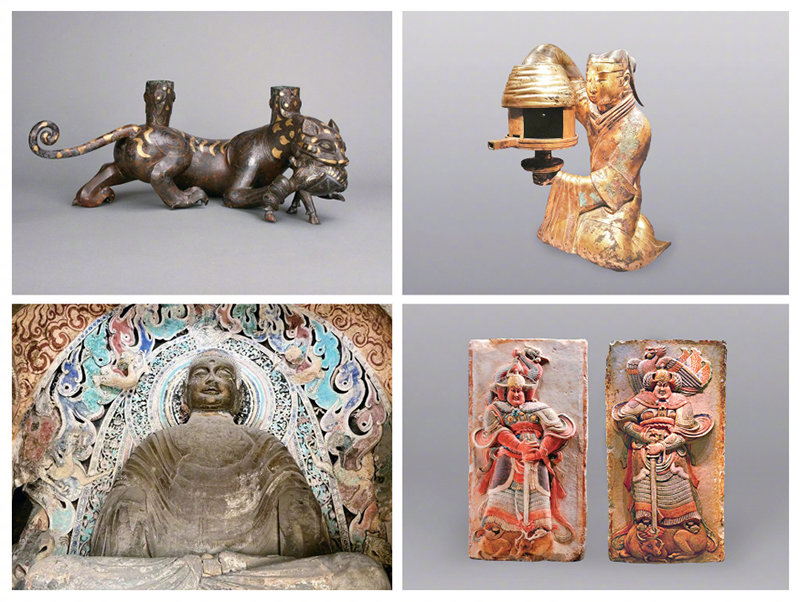
Core Viewpoint - The article emphasizes the importance of preserving, inheriting, and utilizing traditional Chinese culture, particularly focusing on the rich cultural heritage of Hebei province, which is integral to the Chinese civilization and national spirit [1]. Group 1: Cultural Heritage - Hebei is one of the important birthplaces of Chinese civilization, with a history that spans over two million years, showcasing a deep cultural lineage [2]. - The region's geographical position has allowed it to become a cultural corridor, fostering the integration of diverse cultural elements throughout history [2][3]. - The Great Wall and the Grand Canal are significant cultural symbols that have facilitated interaction and cultural exchange between agricultural and nomadic civilizations [3]. Group 2: Artistic Expression - The artistic and architectural imprints of Hebei reflect a blend of various cultural influences, showcasing the region's unique artistic style [4]. - Non-material cultural heritage, such as paper-cutting and traditional crafts, embodies the fusion of agricultural and nomadic artistic elements [4]. Group 3: Revolutionary Spirit - Hebei is recognized as a revolutionary land, having played a crucial role in the history of the Communist Party of China and the development of revolutionary culture [13]. - The region's revolutionary spirit is characterized by resilience and a commitment to the collective struggle for national independence and social justice [14][19]. Group 4: Cultural Development Initiatives - Hebei aims to strengthen its cultural identity by implementing various initiatives, including the protection of cultural heritage sites and the promotion of traditional arts [20][21]. - The province plans to enhance cultural tourism by integrating cultural elements into tourism development, thereby fostering a deeper connection between culture and economic growth [23].

述说《小兵张嘎》作者百年人生
Xin Lang Cai Jing· 2025-12-27 17:39
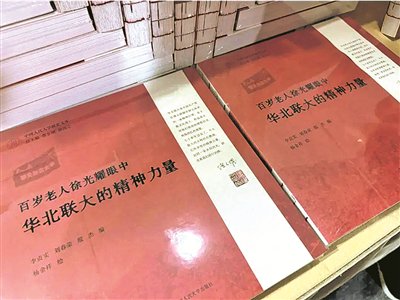
Core Viewpoint - The exhibition "Light of Glory: Xu Guangyao's Image Materials Exhibition" showcases the life and contributions of Xu Guangyao, a contemporary writer and film screenwriter, highlighting his experiences and works over a century [2]. Group 1: Exhibition Details - The exhibition features nearly 100 exhibits that narrate Xu Guangyao's century-long life [2]. - A notable exhibit includes a silhouette of Xu Guangyao during a moment in April 1945, where he urged enemy troops to surrender [2]. - The exhibition also includes black-and-white photographs from Xu's time at the North China United University, enriching the historical research of the institution [2]. Group 2: Xu Guangyao's Contributions - Xu Guangyao joined the Eighth Route Army at the age of 13 and became a member of the Communist Party of China the same year [2]. - He is known for his literary works, including the novel "Plain Fire," the novella "Little Soldier Zhang Ga," and the film script for "Little Soldier Zhang Ga" [2]. - The release of the album "The Spirit of North China United University Seen Through the Eyes of the Centenarian Xu Guangyao" coincided with the exhibition [2].
百岁书痴徐光耀
Xin Lang Cai Jing· 2025-12-25 19:23
Core Insights - The article highlights the profound impact of books on Xu Guangyao's life, illustrating how his early experiences with literature shaped his identity and aspirations as a writer [1][2][3][4][5][6][7]. Group 1: Early Life and Love for Books - Xu Guangyao's childhood was marked by a deep fascination with books, which he cherished despite limited formal education [1]. - His early reading experiences, particularly with heroic tales, ignited a passion for literature and a sense of national pride [1][2]. - At the age of 13, Xu joined the Eighth Route Army, continuing to read whenever possible, indicating his unwavering commitment to literature [2]. Group 2: Challenges and Pursuits in Reading - Xu's relentless pursuit of books during wartime exemplified their significance in his life, as he sought out rare titles even amidst conflict [3][4]. - He faced numerous obstacles in acquiring books, which he regarded as invaluable treasures, reflecting his deep appreciation for literature [3][4]. - Xu's belief in the necessity of reading was evident in his ambitious reading goals, such as aiming to read 1 million words per month during his university years [4]. Group 3: Literature as a Lifeline - During a period of personal crisis, Xu found solace and guidance in the books he had read, which helped him navigate his emotional turmoil [5][6]. - The insights gained from literature not only provided comfort but also inspired him to create new works, leading to significant artistic breakthroughs [6]. - Xu's experiences illustrate how literature can serve as a source of strength and inspiration during challenging times [6][7]. Group 4: Legacy and Influence - Xu Guangyao's lifelong dedication to books has made him a respected figure in literature, as he shared his knowledge and resources with aspiring writers [7]. - His belief in the transformative power of literature is evident in his actions, such as practicing acupuncture from texts and mentoring younger authors [7]. - The article concludes by emphasizing the deep connection between Xu's life experiences and his love for books, portraying literature as an integral part of his identity [7].
徐光耀影像资料展览开展
Xin Lang Cai Jing· 2025-12-22 17:14
Core Viewpoint - The exhibition "The Radiant Path: Xu Guangyao's Image Archive" showcases nearly a hundred exhibits that narrate the centennial life of contemporary writer and screenwriter Xu Guangyao [1] Group 1: Exhibition Details - The exhibition features nearly 100 exhibits that reflect Xu Guangyao's life, including his experiences as a soldier at the age of 13 when he joined the Eighth Route Army [1] - Notable works by Xu Guangyao include novels such as "Flames on the Plain" and "Little Soldier Zhang Ga," as well as the screenplay for the film "Little Soldier Zhang Ga" [1] - The exhibition includes artifacts that recreate Xu Guangyao's battlefield life, along with black-and-white photographs of his time studying and working at the North China United University, the predecessor of Renmin University [1] Group 2: Related Publications - A new illustrated book titled "The Spiritual Power of North China United University as Seen Through the Diary of Xu Guangyao" has been released concurrently with the exhibition [1] - This book is based on Xu Guangyao's diary and has been included in the "University History Library" of Renmin University, marking it as the first narrative publication on university history using sequential oil paintings in recent years [1]
徐光耀文学创作80年座谈会在京举行
Ren Min Ri Bao· 2025-08-20 22:52
Core Viewpoint - The event commemorates the 80th anniversary of Xu Guangyao's literary contributions, highlighting his role as a significant figure in revolutionary literature and the importance of literature in reflecting national spirit and history [1] Group 1: Event Overview - The seminar was co-hosted by the China Writers Association and the Hebei Provincial Propaganda Department [1] - Notable attendees included Tie Ning, Vice Chairwoman of the National People's Congress and President of the China Federation of Literary and Art Circles [1] Group 2: Xu Guangyao's Contributions - Xu Guangyao is recognized as an outstanding literary warrior nurtured by the Party and the People's Army, with a career spanning 80 years [1] - His works, such as "Little Soldier Zhang Ga" and "Flames on the Plain," are celebrated for their portrayal of historical events and heroic figures, embodying the growth of contemporary literature through war experiences [1] Group 3: Expert Opinions - Experts at the seminar emphasized the need for writers to uphold ideals and beliefs, maintain a people-centered approach, and continue the legacy of revolutionary spirit through literature [1] - The call to action is to use literary creation to convey the spirit of resistance and revolution, contributing to the modernization and rejuvenation of the Chinese nation [1]