《我和你》

Search documents
陈其钢:“我不取悦西方,也不取悦中国人……”
Xin Lang Cai Jing· 2025-12-21 04:15
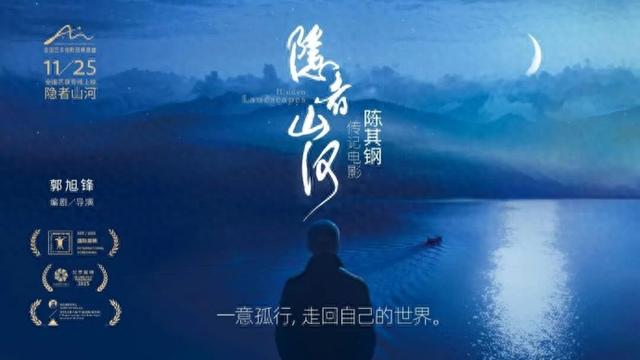
Core Perspective - The documentary film "The Hermit Mountains and Rivers" explores the life and artistic journey of composer Chen Qigang, highlighting his unique approach to music and his philosophical reflections on life and art [4][12]. Group 1: Film Overview - The film is directed by Guo Xufeng and took seven years to complete, focusing on Chen Qigang's daily life rather than just his professional achievements [6][8]. - It features a non-linear narrative structure, resembling a multi-part symphony, and includes various perspectives from musicians, students, and collaborators [6][7]. - The film is divided into six chapters: "Return to Seclusion," "Portrait," "Migration," "Creation," "Cultivation," and "As a Play," each exploring different aspects of Chen's spiritual world [7][10]. Group 2: Artistic Philosophy - Chen Qigang expresses a creative philosophy of listening to others but ultimately following his own path, emphasizing self-expression and the search for meaning in art [10][12]. - His music incorporates elements from both Western and Chinese traditions, reflecting his cultural identity and the dialogue between different civilizations [9][10]. - The film illustrates his belief in openness and freedom, encouraging young artists to break free from limitations and create authentic works [12][13]. Group 3: Personal Journey - The documentary does not shy away from Chen's struggles, including personal losses and health issues, portraying his resilience and commitment to his artistic vision [12][13]. - It captures the essence of his life experiences, showing how they inform his music, which embodies both sorrow and hope [12][13]. - The film concludes with a powerful connection between individual existence and the vastness of the universe, symbolizing the interplay between life, art, and the human spirit [13].

光影为桥 联结世界——第七届海南岛国际电影节闭幕式侧记
Hai Nan Ri Bao· 2025-12-10 01:51
Core Viewpoint - The 7th Hainan Island International Film Festival successfully concluded, showcasing a blend of artistic expression and cultural significance, while highlighting the festival's growing importance in the global film landscape [1][2]. Group 1: Festival Highlights - The festival featured a record 4,564 films from 119 countries and regions, with "Black Rabbit White Rabbit" winning the Best Film award [1]. - "Crazy Bill" received two major awards for Best Actress and Best Director, reflecting the diverse artistic vitality of cinema [1]. - The event included a tribute to the history of cinema, celebrating the 130th anniversary of world cinema and the 120th anniversary of Chinese cinema [1]. Group 2: Cultural Significance - The festival emphasized the importance of storytelling and representation, with awards given to documentaries that focus on underrepresented narratives [2]. - The presence of international stars and performances, such as those by Juliette Binoche and Grace Kelly, highlighted the festival's cultural exchange and global appeal [2]. - The festival's connection to Hainan's development as a free trade port was noted, suggesting potential for further integration of film with broader industries [2]. Group 3: Future Outlook - The festival's closing ceremony symbolized Hainan's ambition to merge Eastern warmth with global perspectives, indicating a promising future for the region in the film industry [3].
北京奥运会开幕式音乐总监,选择孤独、痛苦但忠于自我
Di Yi Cai Jing· 2025-12-08 09:03
Core Perspective - The film "In the Mountains and Rivers" aims to tell the story behind the accolades of composer Chen Qigang, who is known for his work in the Beijing Olympics and various films, while now living a secluded life in Zhejiang [1][6] Group 1: Background and Initiation - The project began in 2018 when director Guo Xufeng reached out to Chen Qigang via email, seeking to document his thoughts and life experiences to inspire young people [2] - Guo felt a sense of confusion among the youth and believed that Chen's unique perspective could provide valuable insights [2] Group 2: Filming Process - The filming spanned seven years, capturing Chen's daily life, thoughts, and creative processes in a structure resembling a symphony divided into six movements [4] - Chen did not interfere with the filming, allowing for an authentic portrayal of his vulnerabilities and artistic journey [4] Group 3: Artistic Philosophy - In 2019, Chen was diagnosed with cancer but maintained a clear and determined voice regarding the essence of art, emphasizing the importance of individual expression over collective identity [5] - He believes that great music transcends cultural boundaries and should reflect personal truth rather than conform to external expectations [9] Group 4: Personal Struggles and Legacy - The film reflects on Chen's personal losses, including the tragic death of his son in 2012, which left a profound impact on him [10] - Chen has dedicated himself to teaching and sharing his experiences with younger generations, emphasizing the importance of authenticity in artistic creation [12] Group 5: Message to Young Creators - Chen encourages young composers to embrace their uniqueness and endure hardships as essential to their development [12] - He shares his own struggles with creativity, highlighting that personal experiences shape one's artistic identity and should be valued [12]
上影节放映的这部纪录片,讲述一位作曲家的创作与人生
Di Yi Cai Jing· 2025-06-23 08:43
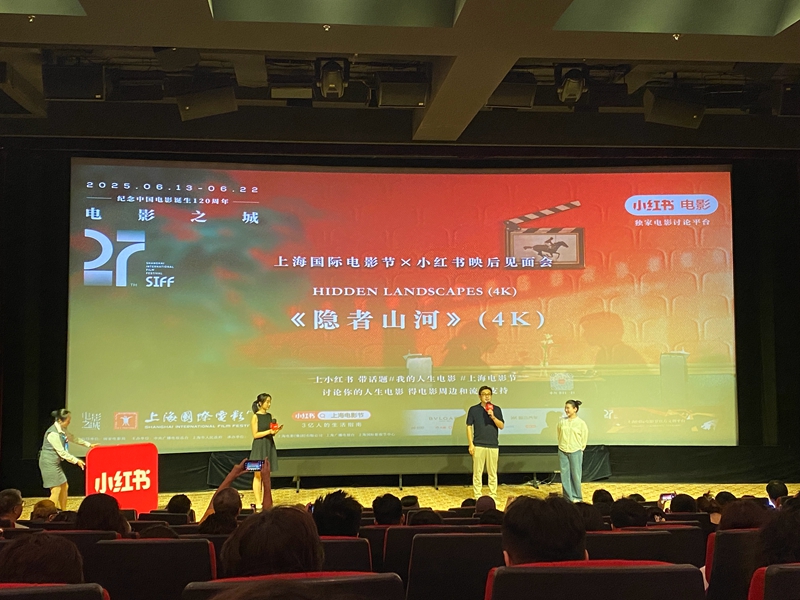
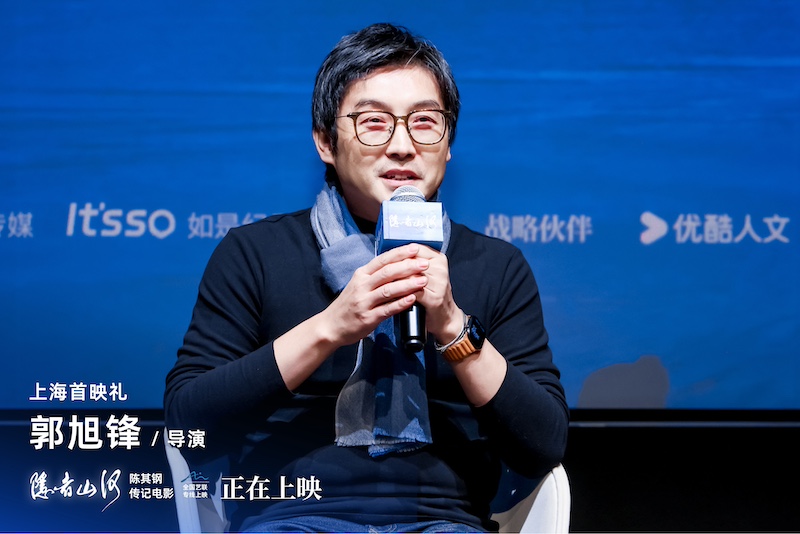
Core Viewpoint - The documentary "In the Mountains and Rivers" showcases the creative career and artistic pursuits of renowned Chinese composer Chen Qigang, highlighting his ideals and contributions to music [1][3]. Group 1: Documentary Overview - "In the Mountains and Rivers" premiered at the Shanghai International Film Festival, featuring director Guo Xufeng and producer Yuan Xiaoshuai [1]. - The documentary took seven years to film, covering multiple countries including China, France, the UK, and Australia, and interviewed over ten internationally recognized musicians and arts managers [3][4]. Group 2: Structure and Content - The film has a runtime of 115 minutes and is divided into six "movements": Retreat, Portrait, Migration, Creation, Cultivation, and Drama, reflecting Chen's life and artistic journey [4]. - The first, fifth, and sixth movements focus on Chen's recent life in Lishui, Zhejiang Province, where he engages in discussions about his experiences and creative philosophy [4]. - The middle three movements utilize audiovisual materials and intimate footage to recreate Chen's musical career, detailing his education in France and the significant works he has created over the years [6]. Group 3: Artistic Philosophy and Impact - Chen Qigang is portrayed as an artist who prioritizes personal expression over commercial appeal, emphasizing the importance of staying true to oneself in the creative process [7]. - The documentary includes references to a previous film that showcased the individuality of contemporary Chinese composers, illustrating the integration of Chinese music with global influences [7][8]. - Chen's music is recognized for its distinctiveness, with international musicians noting that his compositions can be identified within seconds of listening [8]. Group 4: Personal Journey and Themes - The documentary explores Chen's emotional journey, particularly following the loss of his son, which deepened his understanding of life and art [9]. - The production team is currently seeking opportunities to release the documentary in theaters, aiming to reach a wider audience of film and music enthusiasts [10].