《投名状》

Search documents
“好久不见”,金城武
Hu Xiu· 2025-10-06 01:42
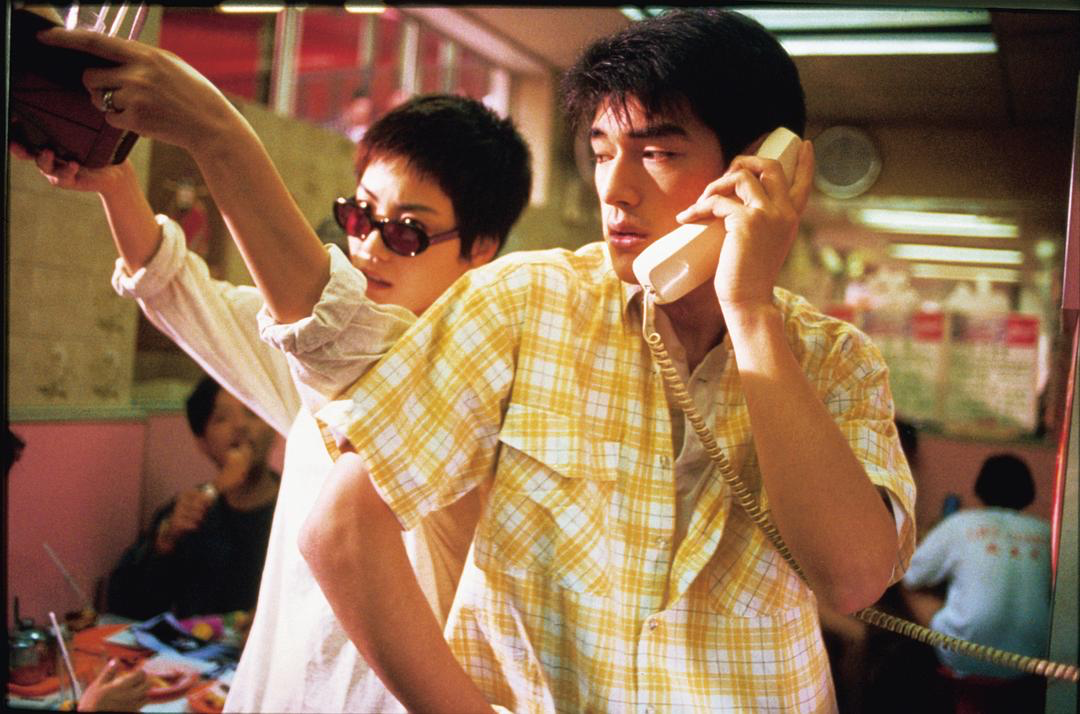
Core Points - The article discusses the enigmatic persona of actor Takeshi Kaneshiro, highlighting his transition from a prominent film star to a more reclusive figure in the entertainment industry [5][7][51] - It reflects on the evolution of the film industry in Asia, particularly the rise and fall of Hong Kong cinema, and how Kaneshiro's career has been intertwined with these changes [30][32][41] Group 1: Takeshi Kaneshiro's Career - Takeshi Kaneshiro gained fame in the 1990s, becoming a symbol of beauty in Asian cinema, with notable performances in films like "Chungking Express" [8][22] - His unique appeal allowed him to transcend cultural barriers, achieving recognition in Hong Kong, Taiwan, and Japan [19][21] - Kaneshiro's involvement in high-grossing films, such as "Not One Less" and "Chungking Express," significantly contributed to his status as an international star [23][30] Group 2: The Changing Landscape of Asian Cinema - The article notes the significant shift in the film industry post-2000, with the emergence of the Chinese market as a dominant force, leading to a decline in Hong Kong cinema [30][31][41] - Kaneshiro's participation in major films like "Hero" and "House of Flying Daggers" reflects the industry's focus on international appeal and box office success [30][35] - The rise of internet companies in film production has altered the investment landscape, impacting the types of projects being developed [44][49] Group 3: Kaneshiro's Personal Philosophy - Kaneshiro has expressed a reluctance to embrace the celebrity lifestyle, preferring to focus on his craft as an actor rather than engage in promotional activities [51][55] - His approach to acting is characterized by a desire for authenticity, often questioning character motivations and seeking depth in his roles [62][63] - The article emphasizes Kaneshiro's choice to maintain a low profile in an era dominated by social media and public personas, highlighting his commitment to his work over fame [63][64]

新潮观鱼对话黄建新:电影回到了99%的人手里,这是导演们的挑战
Guan Cha Zhe Wang· 2025-09-27 07:14
Core Viewpoint - The article discusses the significance of the 1985 film "The Black Cannon Incident" as a pioneering work in Chinese cinema, reflecting the cultural and artistic evolution of the industry over the past 40 years [1][2][4]. Group 1: Historical Context and Impact - "The Black Cannon Incident" is considered a milestone in Chinese cinema, showcasing bold themes and innovative storytelling that resonate with contemporary audiences [2][4]. - The film faced initial censorship challenges but was ultimately approved due to the efforts of influential figures in the industry, highlighting the struggles of filmmakers during that era [2][4]. - The film's director, Huang Jianxin, is recognized for his contributions to the development of Chinese cinema, paralleling the industry's growth from the 1980s to the present [4][19]. Group 2: Artistic Exploration and Themes - The film explores themes of miscommunication and the absurdity of bureaucracy, using humor and structuralism to critique societal norms [1][4][19]. - Huang Jianxin's works, including "The Black Cannon Incident," reflect a diverse range of artistic expressions that emerged during the reform era, marking a departure from previous revolutionary themes [11][19]. - The dialogue surrounding the film indicates a renewed interest in classic cinema, with younger audiences engaging in discussions about its relevance to modern issues [11][19]. Group 3: Industry Evolution and Challenges - The Chinese film industry has undergone significant changes, transitioning from state-controlled productions to a more market-driven environment, impacting the types of films being produced [28][40]. - The current market dynamics present challenges for filmmakers, including financial pressures and the need to balance artistic integrity with commercial viability [28][50]. - Huang Jianxin emphasizes the importance of maintaining artistic ideals in the face of market demands, suggesting that the essence of filmmaking should not be compromised [28][50].
如何把二十多位明星融入《酱园弄》,陈可辛分享他的秘密
Di Yi Cai Jing· 2025-06-18 13:56
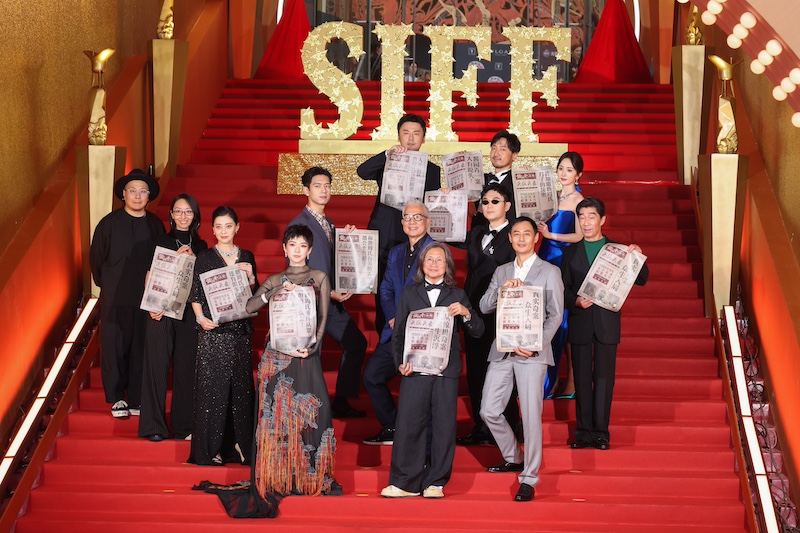
Core Viewpoint - The film "Sauce Garden Lane: The Suspicious Case" directed by Chen Kexin is set to premiere at the 27th Shanghai International Film Festival, highlighting a real-life murder case from 1945 Shanghai, focusing on themes of female struggle and societal change [1][4][5]. Group 1: Film Details - "Sauce Garden Lane" is based on a shocking murder case involving a woman who killed her abusive husband, reflecting the complexities of female empowerment and victimhood [4][5]. - The film is structured as two parts to better capture the era's uniqueness and the diverse characters involved [5]. - The film's premiere features a star-studded cast, including Zhang Ziyi, Lei Jiayin, Yang Mi, and Li Xian, emphasizing the film's commercial appeal [1][10]. Group 2: Director's Insights - Chen Kexin expressed that "Sauce Garden Lane" posed significant challenges during production, marking it as his most pressured project to date [4][7]. - The director aims to uncover the "little secrets" of stars, allowing them to portray different facets of their characters, thus enhancing the film's depth [13]. - Chen Kexin's approach involves deep conversations with actors to draw out their hidden qualities, which he believes enriches the storytelling [13][14]. Group 3: Personal Connection - The film serves as a tribute to Chen Kexin's late father, who wished to create a film capturing the essence of Shanghai's alleyways, making the project personally significant for the director [15].