《斑羚飞渡》

Search documents
中国第1部彩色水墨动画长片来了 转发期待!影院见!
Xin Lang Cai Jing· 2026-01-04 04:33
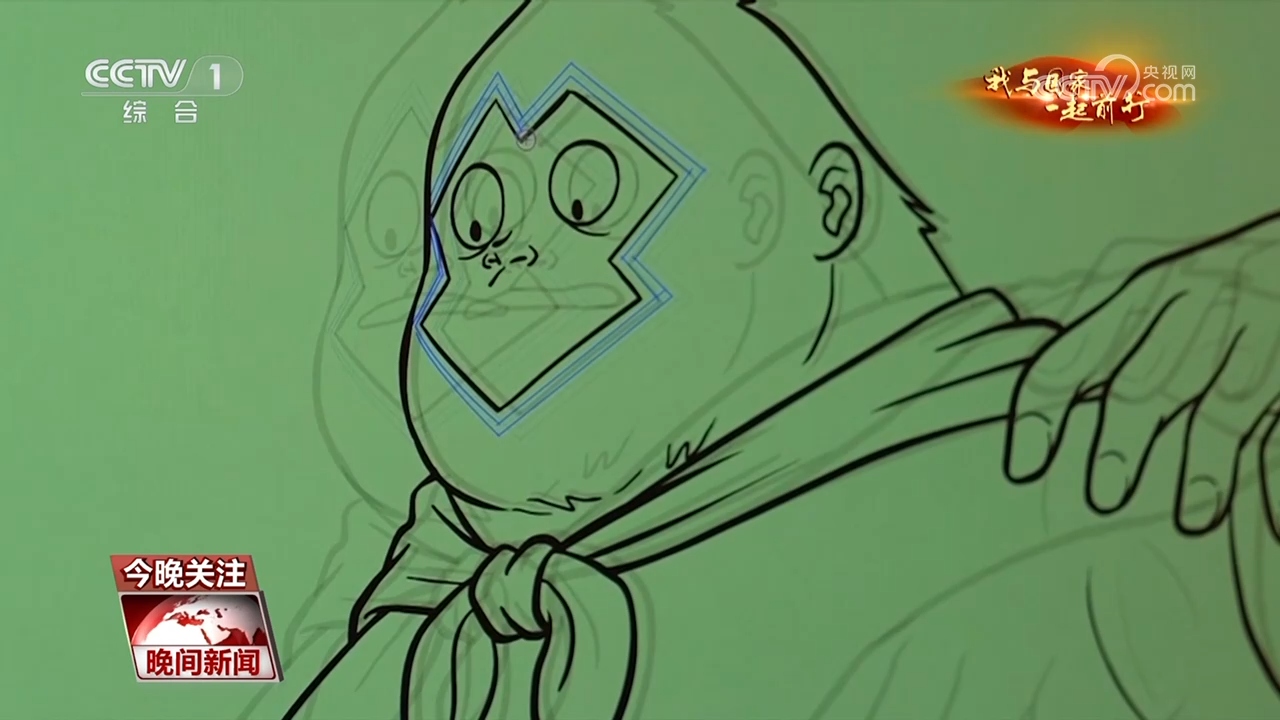
Core Viewpoint - The article highlights the resurgence of traditional Chinese ink wash animation, particularly with the upcoming release of the first color ink wash animated feature film, "斑羚飞渡" (Bān líng fēi dù), which is expected to captivate audiences with its unique visual style that combines traditional aesthetics with modern technology [1] Group 1: Industry Insights - In 2025, the Chinese animation film box office is projected to reach a new high, indicating a growing market for animated films in China [1] - The film "浪浪山小妖怪" (Làng làng shān xiǎo yāo guài) utilizes traditional ink painting techniques alongside modern lighting effects, creating a distinctive visual experience that resonates with audiences [1] - The production of ink wash animation has historically been time-consuming, with some short clips taking 4 to 5 years to complete due to the intricate layering required [1] Group 2: Technological Advancements - Modern technology, particularly hand-drawing software, has significantly reduced the time required to produce ink wash animation, allowing for the completion of what previously took one to two months in just one to one and a half days [1] - The advancements in animation technology are making it feasible to revive and innovate traditional art forms, thus expanding the potential for future projects in this genre [1]
我与国家一起前行|中国动画人如何把“国漫崛起”的梦想照进现实
Yang Shi Wang· 2026-01-03 16:05
Core Insights - The Chinese film industry achieved a remarkable box office of over 51.832 billion yuan in 2025, with animated films contributing over 25 billion yuan, marking the highest box office year for animation in Chinese history [1] - The film "Ne Zha" set a new global box office record for animated films, while "Wang Wang Mountain Little Monster" broke the domestic box office record for 2D animation [1] - The series "I Walk with the Country" highlights how Chinese animators are realizing the dream of "the rise of national animation" [1] Industry Developments - The success of Chinese animation is attributed to decades of tradition and innovation at the Shanghai Animation Film Studio, leveraging modern technology and hand-drawn software to enhance the artistic quality of Chinese-style animation [2] - The production time for animation has significantly decreased due to technological advancements, allowing for quicker completion of scenes that previously took months [4] - The first color ink wash animated feature film, "Baili Flying Over," is set to be released soon, which would have taken at least 20 years to produce using traditional methods [7] Policy Support - The Chinese animation industry has benefited from government policies since 2004, including tax reductions, talent development, and funding support, which have helped the industry recover from a period of decline [10] - Continuous top-level design in various five-year plans has aimed to upgrade the animation industry, with cultural funds providing direct support for outstanding works [10] Cultural Significance - The revival of ink wash animation and the exploration of unique Chinese artistic techniques are seen as vital for the future of Chinese animation, emphasizing the importance of cultural identity and innovation [14] - The integration of traditional Chinese aesthetics with modern storytelling is crucial for the evolution of the animation industry [14] Revenue Diversification - The animation industry is shifting from a reliance on box office revenue to a multi-channel "IP ecosystem recovery" model, focusing on merchandise sales, crowdfunding, and licensing [22] - "Wang Wang Mountain Little Monster" has launched over 800 merchandise items, generating significant sales and creating popular tourist spots based on film locations [24] International Recognition - The film "Ran Bi Wa" has been selected for the Berlin International Film Festival, marking a significant achievement for Shanghai Animation Film Studio and highlighting the potential for Chinese animated features on the global stage [19] - The innovative approach of blending various animation styles in "Ran Bi Wa" has received encouragement from veteran artists, showcasing a willingness to explore new creative avenues [19][21]