
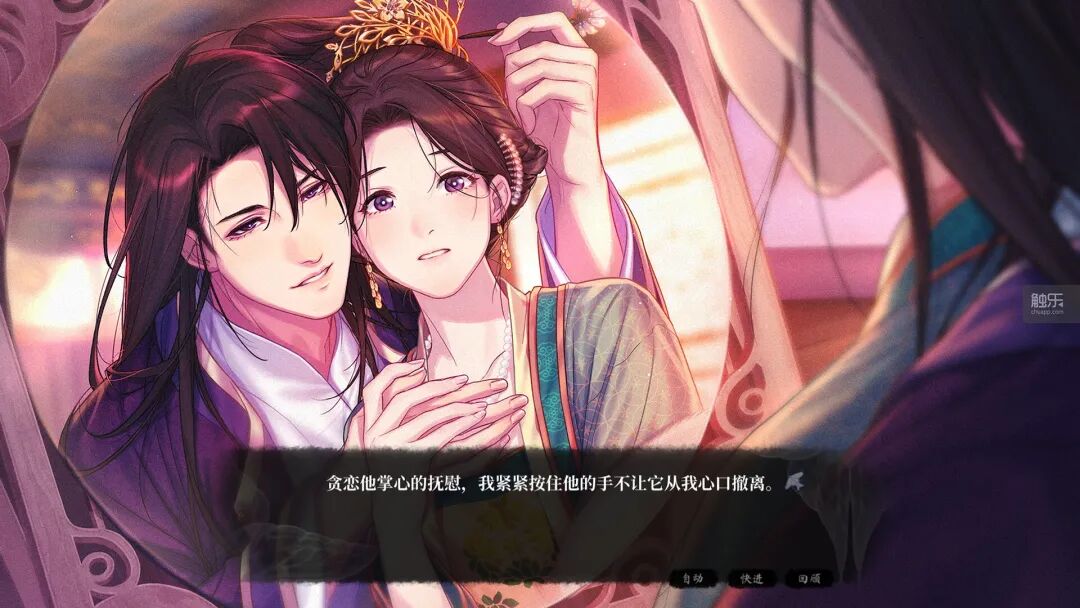
《月华辉映之刻》

Search documents
割裂社群中,仍在制作买断制国乙的开发者们
3 6 Ke· 2026-01-26 12:26
Core Viewpoint - The domestic buyout-style otome game market is expanding, with notable titles emerging, yet the audience remains fragmented, leading to community conflicts and challenges for developers [1][2]. Group 1: Market Dynamics - In 2025, titles like "Moonlight Reflection" and "Disaster Black Dragon and the Princess of Lies" gained attention, but the audience for otome games is increasingly divided [1]. - Mobile games generate significant revenue, often in the billions, while buyout otome games, especially on PC, typically see sales in the thousands, reflecting a stark contrast in audience size and engagement [1]. - The production scale of buyout otome games is generally small, with many projects being developed by one or two individuals, often funded through crowdfunding [1]. Group 2: Community Challenges - The broad categorization of "Guo Yi" (domestic otome games) has led to disputes among different player communities, complicating the development process for creators [2]. - Developers often face backlash even before a game is released, as community tensions can escalate quickly, impacting the overall development environment [2][4]. - The community's expectations can lead to significant pressure on developers, with some opting to delay or halt projects due to the contentious atmosphere [4][9]. Group 3: Developer Experiences - Developers like Wu Xun have encountered community disputes, with varying experiences based on the nature of their projects, such as "Atana," which received positive feedback without major conflicts [5][6]. - In contrast, the project "Occult" faced severe backlash due to its dual-targeting design, leading to community disputes that affected the development team's morale [6][7]. - Developers express that managing community feedback is challenging, often detracting from their focus on game development [9][10]. Group 4: Individual Developer Perspectives - Developers like Mo Yanmian view game creation as a medium for storytelling rather than strictly adhering to market trends, leading to unique artistic expressions [11][12]. - The reception of games can be polarizing, with some players rejecting certain artistic choices while others embrace them, highlighting the subjective nature of community feedback [14][20]. - Despite the challenges, many developers remain committed to creating buyout otome games, driven by a desire to express specific narratives and cater to niche audiences [22][25].

被期待,也被审判:独立女性向游戏的2025
3 6 Ke· 2025-12-15 12:50
Core Insights - The independent female-oriented game sector is experiencing significant scrutiny and pressure from community opinions, despite being smaller in scale compared to larger studios [1][15][18] - The market for female players is expanding, with female gamers constituting 48% of the gaming population in China as of June 2025, up 3.1 percentage points from the end of 2024 [14][15] - Independent developers face challenges in conducting market research due to limited resources and the subjective nature of emotional needs, leading to reliance on social media feedback [5][10][11] Group 1 - Many independent female-oriented game developers are hesitant to engage with media or community discussions due to the potential backlash and pressure from public opinion [1][2] - The community's demand for more female-oriented games is growing, yet there is a notable scarcity of new releases in this genre, leading to heightened expectations for independent titles [14][15][18] - Developers often prioritize creative expression over commercial viability, which can complicate their approach to market research and community engagement [2][3][5] Group 2 - The emotional needs of players are complex and difficult to quantify, making it challenging for developers to align their products with audience expectations [3][5][9] - Players often exhibit a phenomenon known as "social desirability," where they provide responses that they believe are more acceptable rather than their true feelings, complicating user research [9][10] - Successful independent games often benefit from long-term engagement with their audience, allowing for a buffer against immediate criticism and fostering trust [25][31] Group 3 - The launch of independent games can lead to mixed reactions, as seen with titles like "Monster's Throne," which faced criticism despite having a strong narrative [27][30][31] - Developers express a desire for understanding and respect from the community, yet the pressure to conform to established norms can lead to creative conflicts [20][21][31] - The disparity between the core audience and vocal community members can result in misalignment, where emotional and fragmented feedback overshadows the voices of dedicated players [31]
