《欢颜》

Search documents
演员表的花式套路该休矣
Xin Lang Cai Jing· 2026-01-24 07:17
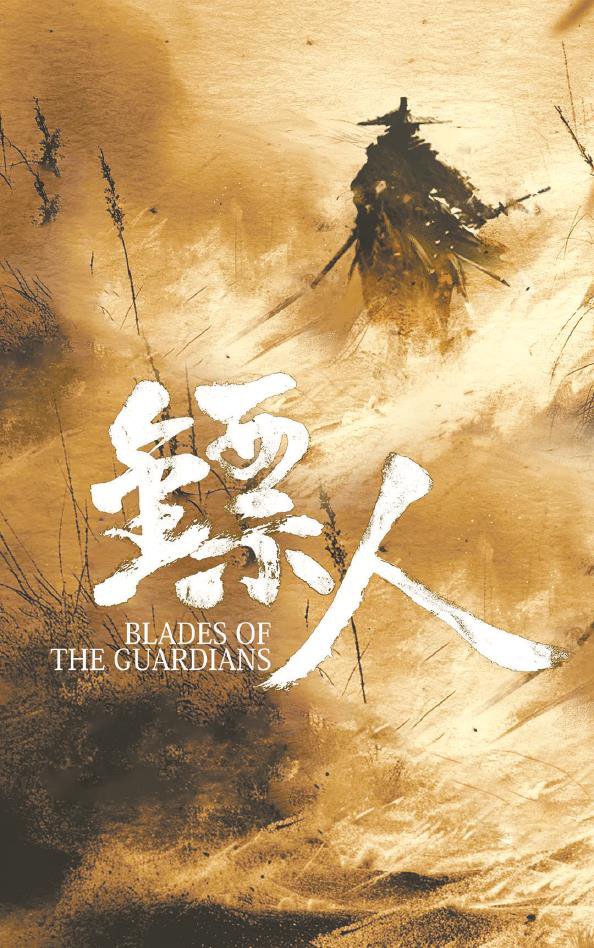
Core Viewpoint - The film "Biao Ren: Wind Rises in the Desert" has generated significant discussion due to its complex actor title classifications, which may confuse audiences about the core cast [2][3]. Group 1: Actor Title Classifications - The film features a detailed classification of 30 actors into 8 categories, including "leading actor," "special performance," and "friendship guest appearance," which complicates the understanding of the main cast [2][3]. - Other films, such as "Kong Qiang," also employ intricate title classifications, leading to humorous reactions from audiences regarding the excessive variety of titles [3]. - The trend of elaborate title classifications is not limited to films; television series also exhibit similar practices, with various creative title arrangements that can confuse viewers [3][4]. Group 2: Impact of Title Classifications - The practice of title classification reflects a competitive struggle for "main character status," where actors prioritize title rankings over compensation during negotiations [4]. - The term "banwei" (番位), originating from the Japanese entertainment industry, signifies the importance of title placement in determining an actor's commercial value, which has diverged from the quality of the work itself [4]. - Historical examples demonstrate that an actor's value is not solely determined by their title; memorable performances can come from characters with less prominent roles [4][5]. Group 3: Industry Reflection - The focus on title rankings detracts from the essence of acting, where the emphasis should be on the quality of the work rather than on title competition [5]. - The industry is encouraged to shift away from these tactics and prioritize genuine storytelling and character development, allowing audiences to engage more with the narrative rather than the superficial aspects of actor titles [5].

现在是最需要X剧场的时候
3 6 Ke· 2026-01-10 07:52
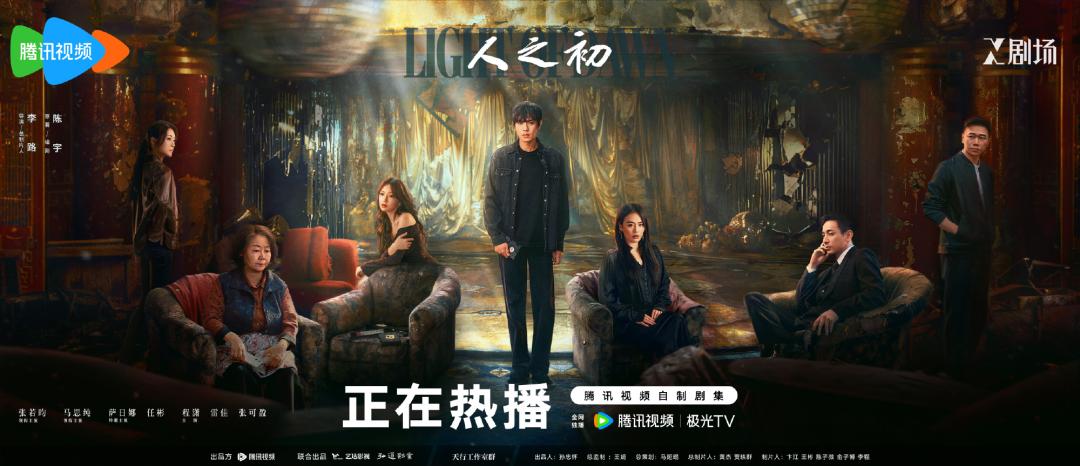
Core Insights - The article discusses the unique qualities and irreplaceability of long-form dramas, particularly focusing on the series "Ren Zhi Chu" and its narrative innovations [1][4][8] Group 1: Narrative Innovation - "Ren Zhi Chu" employs a dual narrative structure that intertwines character-driven emotional arcs with the main plot, moving beyond traditional case-driven storytelling [8][9] - The series features a fresh perspective by centering on potential victims and their emotional journeys, rather than solely on the detectives, which adds depth to the narrative [4][6] Group 2: Character Development - The relationships between characters are redefined, showcasing complex dynamics such as the evolution from friends to enemies and the portrayal of unconventional familial bonds [6][8] - The series highlights female friendships and their complexities, avoiding simplistic portrayals and instead presenting nuanced character interactions that resonate with viewers [6][9] Group 3: Industry Context - Tencent Video's X Theater is positioned as a "drama market laboratory," emphasizing artistic exploration and innovation in content creation, which contrasts with the industry's trend towards formulaic productions [9][17] - The platform's approach to content curation, focusing on quality over quantity, allows creators ample time to develop impactful works, fostering a culture of artistic integrity [18]