
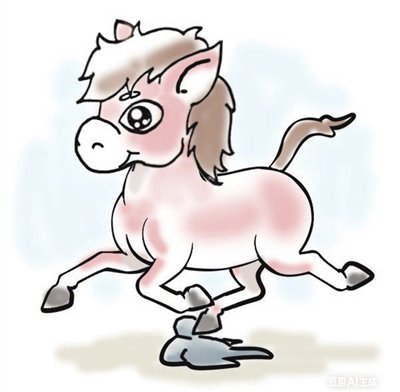
马踏飞燕

Search documents
新春见闻丨马年春节中国多地博物馆迎来“探骏”热
Xin Lang Cai Jing· 2026-02-20 04:12
Core Viewpoint - The article highlights the trend of museums across China hosting horse-themed exhibitions during the Lunar New Year, showcasing the cultural significance of horses in Chinese history and their representation in various artifacts [1] Group 1: Exhibition Highlights - Multiple museums, including the Anhui Museum and the Xi'an Museum, are featuring horse-themed exhibitions with over 50 artifacts on display, such as Han Dynasty bronze lamps and Qing Dynasty jade pieces [1] - The exhibitions are part of a collaborative effort by nearly 50 cultural institutions, creating a nationwide celebration of horse culture during the Spring Festival [1] - Notable artifacts include the Tang Dynasty tri-colored horse and the Western Han painted horse mirror, which have become popular attractions for visitors [1] Group 2: Interactive Experience - The exhibitions have evolved into interactive and experiential cultural tourism events, moving beyond simple viewing to include activities like AI treasure hunts and traditional craft workshops [1] - The Anhui Museum has introduced a series of creative products inspired by horse-themed artifacts, including calendars and plush toys, enhancing visitor engagement [1] - Experts emphasize the symbolic meanings of horses in Chinese culture, such as progress and auspiciousness, which resonate deeply with the public [1]
天津日报数字报刊平台-马年说马
Xin Lang Cai Jing· 2026-02-18 21:22
Group 1 - The article reflects on the significance of the idiom "天马行空" (Heavenly Horse Galloping in the Sky), which symbolizes unrestrained thoughts and actions, as well as fluid and exceptional writing style [3][5] - The historical context of the "马踏飞燕" (Galloping Horse Treading on a Flying Bird) bronze sculpture is highlighted, emphasizing its artistic value and the creativity behind its design [5] - The idiom "汗马功劳" (Sweat and Labor for Achievements) is discussed, originally referring to military accomplishments and now broadly recognizing hard work and contributions [6][7] Group 2 - The article mentions the cultural significance of horses in Chinese history, particularly in literature and folklore, showcasing their role in stories like that of Hua Mulan [7] - The narrative connects the idioms and historical references to the celebration of the Year of the Horse, wishing well for those born in this zodiac year [7]

武威的马(我与一座城)
Ren Min Ri Bao· 2025-12-23 22:31
Core Viewpoint - Wuwei, a city with a rich historical background, is known for its cultural heritage and the significance of horses in its history, particularly the famous "Galloping Horse Treading on a Flying Swallow" which symbolizes the city's historical importance and artistic achievements [1][2][3]. Historical Significance - Wuwei, historically known as Liangzhou, has been the capital for several ancient states, showcasing its importance in Chinese history [1]. - The city is home to the "Galloping Horse Treading on a Flying Swallow," a significant artifact from the Eastern Han Dynasty, discovered in the Leitai Han Tomb, which reflects advanced engineering and artistic skills of the time [2]. Cultural Heritage - The Leitai Han Tomb, where the famous horse statue was found, features a burial chamber that is 19 meters deep, demonstrating the engineering prowess of the Eastern Han period [2]. - Wuwei's cultural sites, such as the Jiumoluoshi Temple and the Wuwei Confucian Temple, highlight the city's educational and spiritual heritage, with the Confucian Temple being a center for scholarly pursuits [1]. Equine Legacy - The region's horses, particularly during the Tang Dynasty, were renowned for their quality, with historical records indicating that up to 700,000 horses were raised in the area [3]. - The local folklore surrounding the "Horse King" reflects the deep-rooted cultural significance of horses in Wuwei, symbolizing prosperity and strength [3]. Modern Relevance - Although the connection between horses and warfare has diminished, equine culture remains vibrant in Wuwei, with local breeds like the Chakuo horse continuing a lineage that dates back over 2,000 years [3][4]. - The spirit of horses is embedded in the identity of Wuwei's residents, influencing the city's development and cultural expressions [4].