《站台》

Search documents
汾阳,不只是贾樟柯痛城
3 6 Ke· 2025-12-11 02:55
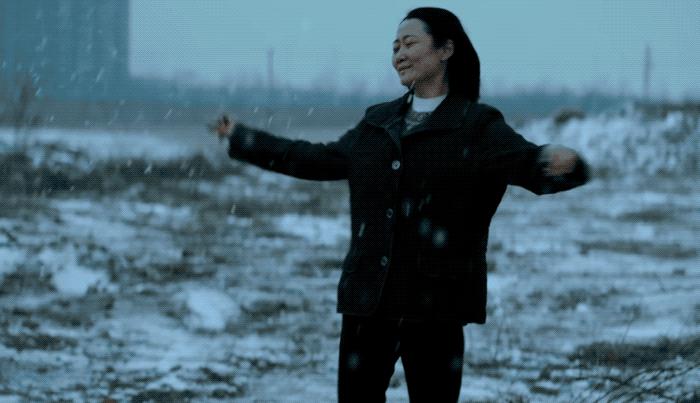
Core Insights - The film "Mountains May Depart" by Jia Zhangke is set to be re-released on December 12, 2025, marking a significant moment as it reflects on the passage of time and the changes in personal and collective memories [1][2][4] - The narrative emphasizes the emotional resonance of the film, highlighting themes of nostalgia, loss, and the desire to reconnect with the past [5][7] Summary by Sections Film and Emotional Resonance - The re-release of "Mountains May Depart" allows audiences to revisit their understanding of the film, deepening emotional connections to its themes of time and change [2][5] - The recurring motif of keys in the film symbolizes the longing for access to the past and the inevitability of change [4][7] Jia Zhangke's Cinematic Universe - Jia Zhangke's films, including "Mountains May Depart," serve as a lens through which viewers can explore the slow evolution of the city of Fen Yang, reflecting both personal and societal transformations [10][12] - The film's settings are rooted in real locations, enhancing the authenticity of the narrative and its connection to the audience's experiences [18][27] Fen Yang as a Cultural and Historical Context - Fen Yang is portrayed as a city with a rich history, where the past and present coexist, and its landmarks, such as the Wenfeng Tower, symbolize the continuity of cultural heritage [20][21][28] - The local architecture and historical sites contribute to the city's identity, making it a significant backdrop for Jia Zhangke's storytelling [32][39] Reflections on Time and Memory - The narrative reflects on the passage of time, emphasizing that while people may change, the essence of the landscape and memories remain [18][44] - The film and its re-release serve as a reminder of the transient nature of life and the enduring significance of personal and collective memories [27][44]

中国电影人闪耀三大国际影展
Huan Qiu Shi Bao· 2025-09-07 22:51
Group 1 - Chinese films have achieved significant recognition at major international film festivals in 2023, including awards for "The Land of the Living" at the Berlin International Film Festival, "Wild Times" at the Cannes Film Festival, and "Daytime Hanging" at the Venice Film Festival [1] - The Venice Film Festival has historically been a favorable platform for Chinese cinema, with renowned directors like Zhang Yimou, Ang Lee, and Hou Hsiao-hsien winning prestigious awards, particularly during Marco Müller’s tenure as chairman [3] - Despite the recent surge in box office success for Chinese films, there has been a relative quietness in terms of artistic achievements at major international festivals, with the last award for a Chinese film at Venice being in 2019 [3] Group 2 - Since the late 1980s and early 1990s, Chinese films have gained international attention through European film festivals, with notable films like "Red Sorghum" and "Farewell My Concubine" winning awards and enhancing the global profile of Chinese actors [4] - The new generation of filmmakers, represented by directors like Bi Gan and Wei Shujun, has been increasingly recognized at major film festivals, showcasing the potential and talent of young Chinese filmmakers [4] - Recent short films from Chinese directors have won multiple awards at Cannes, indicating a strong reserve of talent and creativity among the younger generation in the Chinese film industry [4]