《西方哲学史》

Search documents
千乘资本熊伟:重读经典《西方哲学史》 借千年智慧寻商业本质丨大咖荐书
证券时报· 2025-10-04 06:12
Core Insights - The success or failure of investments primarily hinges on the accurate judgment of profitability, which is rooted in the depth of understanding [1] - In a rapidly changing world, long-term perspectives and dialogues with historical thinkers are essential for overcoming cognitive limitations [1] - Reading is emphasized as a crucial tool for enhancing understanding and identifying investment value [1] Summary by Sections Investment Philosophy - Howard Marks and Charlie Munger highlight the importance of aligning cognition with value to achieve desired outcomes [1] - The article stresses that true understanding requires a long-term view and engagement with diverse knowledge sources [1] Recommended Reading - 熊伟, the founding partner of Qiancheng Capital, recommends "A History of Western Philosophy" as a valuable resource for understanding human thought paradigms [5] - The book encourages stripping away superficial data to focus on fundamental economic principles, which is vital for entrepreneurs and venture capitalists [5] Innovation and Decision-Making - Innovation is identified as the core driver of entrepreneurship, often leading to initial skepticism from the majority [5] - The article suggests that venture capital firms should align with innovators during times of perceived risk, fostering technological and societal advancement [5]

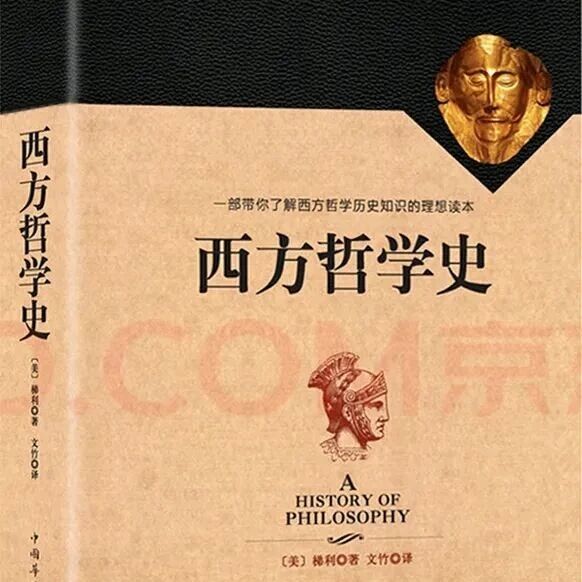
千乘资本熊伟:重读经典《西方哲学史》 借千年智慧寻商业本质丨大咖荐书
Zheng Quan Shi Bao Wang· 2025-10-04 02:42
Core Insights - The essence of investment success lies in the accurate judgment of profitability, which is fundamentally linked to the depth of understanding [1] - In a rapidly changing world, expanding one's perspective through historical dialogue and reading is essential for enhancing cognitive abilities and recognizing enduring truths [1] Group 1: Importance of Reading - Reading is a common trait among successful individuals across various industries, serving as a tool to observe changes over time and uncover investment value [1] - The recommendation of "A History of Western Philosophy" emphasizes the need for depth of understanding in contrast to the speed of AI advancements [2] Group 2: First Principles and Innovation - The concept of "first principles" from Aristotle remains relevant, urging entrepreneurs and investors to strip away superficial data and focus on fundamental economic truths [2] - Innovation is highlighted as the core driving force for entrepreneurship, with the recognition that innovators often face initial skepticism [2]
杭州师范大学哲学711中国哲学史+812西方哲学史考研复习经验真题答案重难点笔记题库
Sou Hu Cai Jing· 2025-06-05 10:13
Core Insights - The document outlines a comprehensive study plan for Chinese and Western philosophy, emphasizing the importance of understanding key texts and concepts for exam preparation [9][25]. Group 1: Core Materials and Textbooks - Official textbooks for Chinese philosophy include "Chinese Philosophy History" by Peking University, which covers from pre-Qin to modern philosophy, providing clear logic and explanations for classical texts [1]. - "New Compilation of Chinese Philosophy History" by Guo Qiyong and Feng Dawen focuses on details and strengthens the understanding of Song-Ming Neo-Confucianism [2]. - "Song-Ming Neo-Confucianism" by Chen Lai offers in-depth analysis of Cheng-Zhu and Yangming schools, highlighting key exam points like "relationship between principle and material force" [3]. - For Western philosophy, "A Brief History of Western Philosophy" by Zhao Dunhua aligns closely with exam topics, covering essential theories like "Plato's Theory of Ideas" [4]. - "History of Western Philosophy" by Deng Xiaomang provides depth on German classical philosophy, aiding in understanding complex systems like "Hegel's Dialectics" [5]. Group 2: Study Methods and Techniques - The study plan includes a foundational phase focusing on reading and framework construction, with a structured approach to both Chinese and Western philosophy [9]. - Emphasis is placed on creating comparative tables and timelines to visualize the evolution of philosophical thoughts and concepts [9]. - The strengthening phase involves timed practice with past exam questions, focusing on logical development in essay questions [9]. - The final phase includes memorization techniques and full simulation tests to prepare for complex comparative questions [11]. Group 3: Exam Preparation Strategies - The document suggests using a structured approach for answering essay questions, employing a "total - part - total" format to enhance clarity and depth [24]. - It highlights the importance of understanding the differences between various philosophical schools, such as "Li Ben Lun" versus "Xin Ben Lun" in Chinese philosophy [16]. - The need for continuous review of past exam questions and the creation of a "weakness list" for targeted study is emphasized [28].