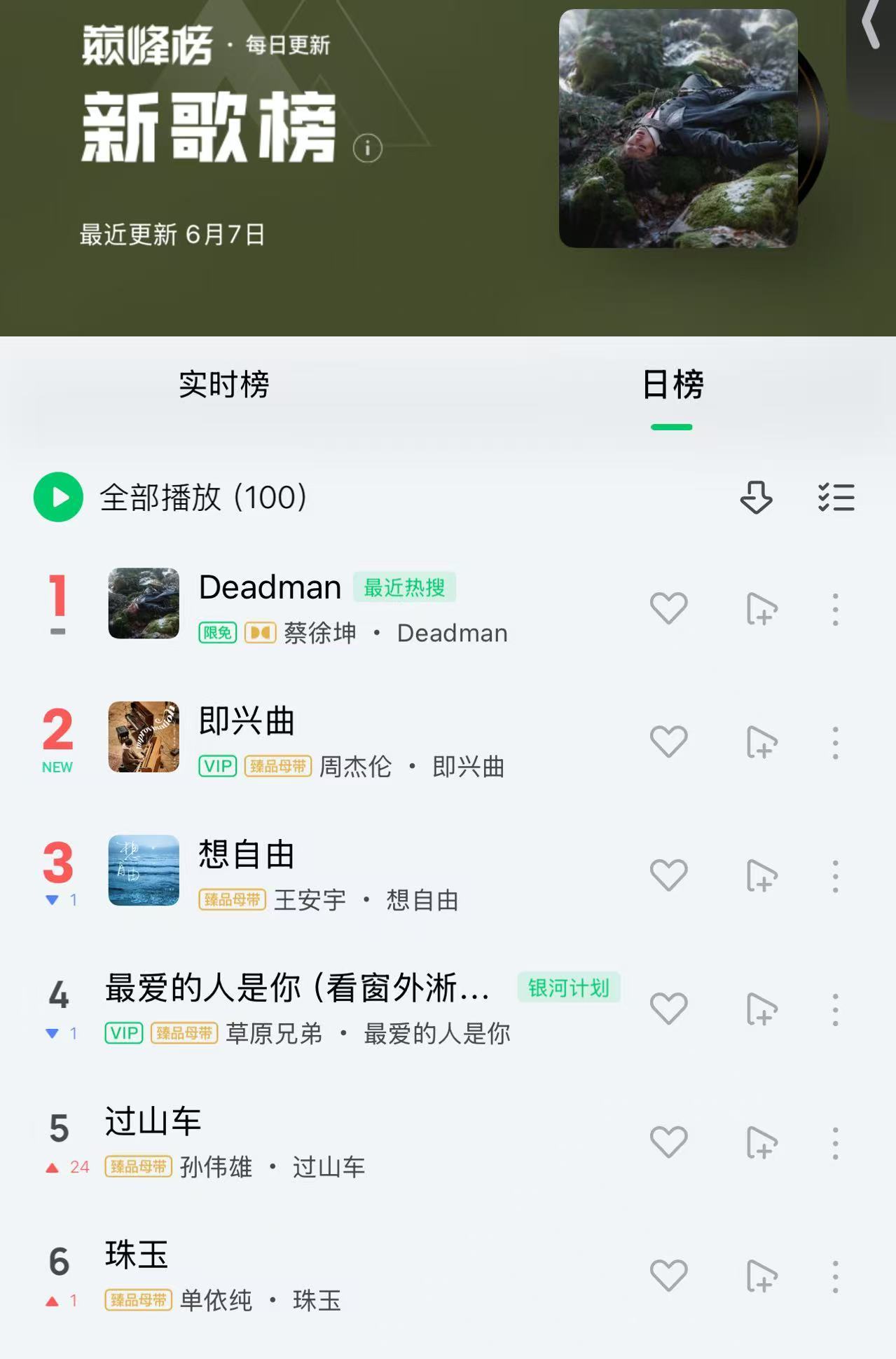
《Deadman》

Search documents
回望2025:中国音乐产业的十个关键词
3 6 Ke· 2025-12-31 11:58
Core Insights - The Chinese music industry in 2025 reflects a complex landscape filled with challenges and opportunities, marked by significant changes and evolving dynamics [1] Group 1: Overseas Artists in China - The Chinese music scene has embraced a global perspective, with an influx of overseas artists like Imagine Dragons and Katy Perry, indicating a shift towards more diversified operations in the Chinese market [2][4][6] - This trend has led to a closer connection between global and local music scenes, prompting domestic artists to confront their shortcomings in execution and branding [2][4] Group 2: Decline of Hit Songs - The value of hit songs has diminished, with the most popular tracks in 2025, such as "Jumping Machine," achieving only around 5 million uses on Douyin, compared to previous years where hits garnered over 10 million [7][9] - The oversaturation of music supply and increased competition have made it difficult for songs to achieve the same level of impact as in the past, leading to a reevaluation of what constitutes value in music [9] Group 3: Competition in Music Festivals - The music festival market has seen an influx of various entertainers, including actors and influencers, leading to a dilution of the music-centric experience and increased tensions between different audience segments [10][12][14] - The industry is experiencing a struggle between commercial interests and artistic integrity, with a push towards a more refined and professional approach to music festivals [14] Group 4: Rise of Top Artists - Major artists like Cai Xukun and Lu Han have made significant comebacks, with Cai's song "Deadman" breaking records shortly after release, showcasing the enduring appeal of top-tier talent [15][19] - The integration of high-quality production and storytelling in performances has become a hallmark of successful tours, as seen in Lu Han's recent concert series [19] Group 5: Local Rap Scene - The Chinese rap scene has gained a distinct identity, with artists like Zang Lao surpassing major figures like Jay Chou in monthly listeners on Spotify, highlighting a shift towards localized content [22][23] - The ongoing debate between traditional and modern styles in rap has sparked discussions on cultural respect and aesthetic diversity [25] Group 6: AI Integration - AI technology has become a core component of the music industry, with platforms like NetEase and Tencent Music introducing AI songwriting tools, leading to both innovation and challenges in music creation [26][28][32] - The rise of AI-generated content has also led to concerns about the quality and originality of music, as the industry grapples with the implications of mass-produced songs [32] Group 7: Short Drama OSTs - The short drama OST market has seen formal recognition, with regulatory bodies focusing on copyright issues and the integration of music into short-form content becoming a new trend [33][36][38] - The collaboration between short drama producers and music labels is on the rise, enhancing the overall market impact of OSTs [38] Group 8: Music Variety Shows - Music variety shows are adapting to challenges posed by the rise of live performances, with many shows struggling to attract top talent and facing declining viewership [39][41][42] - Innovative formats and a focus on authentic content are being explored to revitalize the genre and engage audiences [42] Group 9: Polarization in the Live Performance Market - The live performance market is experiencing a stark divide, with major artists enjoying immense success while smaller acts face significant financial challenges [43][45][47] - The disparity highlights the difficulties for mid-tier and independent artists in securing profitable performance opportunities [47] Group 10: Emergence of Second-Generation Stars - 2025 marks a notable year for second-generation stars entering the music scene, with several offspring of famous artists making their debut and gaining attention [48][50][51] - While these new artists benefit from their family backgrounds, their long-term success will depend on their individual talent and market reception [51]


对于音乐人而言,现在还是一个靠作品说话的时代吗?
3 6 Ke· 2025-06-18 00:13
Core Viewpoint - The article explores the contrasting paths of two music artists, Cai Xukun and Shan Yichun, highlighting the complexities of the music industry where resource allocation, development paths, market expectations, and personal expression intertwine [1][19]. Group 1: Cai Xukun's Return - Cai Xukun's new single "Deadman" marks a significant comeback, showcasing a high level of industrial completion with precise atmosphere creation and rich arrangement, positioning him at the forefront of Chinese pop music [2][4]. - The song has garnered substantial attention, with 2.96 million views on Bilibili's music festival video and 2.3 million views on its music video, indicating a shift in public perception beyond just his fanbase [2][4]. - The success of "Deadman" is attributed to the top-tier resources available to Cai Xukun, including a high investment in production and collaboration with elite teams, which enhances the persuasive power of the work [4][16]. Group 2: Shan Yichun's Controversial Performance - Shan Yichun's performance of "Li Bai" on "Singer 2025" sparked controversy, with mixed reactions regarding her bold reinterpretation of the original song, reflecting the challenges artists face in balancing personal expression with audience expectations [10][12]. - Her recent marketing efforts have focused on enhancing her "human" image, which has resonated with younger audiences, yet her attempt to break away from formulaic performances has led to polarized opinions [12][13]. - The criticism of her performance underscores the difficulty for artists to achieve growth and breakthrough while maintaining a narrative that aligns with their established persona [13][14]. Group 3: The Broader Implications for Artists - Both Cai Xukun and Shan Yichun's experiences illustrate the necessity for artists to produce high-quality works that also convey their personal narratives, as this dual requirement is essential for establishing their value in the music industry [14][19]. - The article emphasizes that in the current digital age, merely having good music is insufficient; artists must also craft compelling stories to stand out in a saturated market [19].

新歌空降、再遇蔡徐坤!电竞、NFT、盲盒⋯⋯周杰伦的IP宇宙还能抓住Z世代吗?
Mei Ri Jing Ji Xin Wen· 2025-06-07 04:55
Group 1 - Jay Chou released a new song titled "Impromptu" on June 6, which quickly topped QQ Music's charts, marking a significant return after three years since his last album "The Greatest Works of Art" [1][5] - The song "Impromptu" was initially performed during his self-produced variety show "Travel with Jay Chou," showcasing his creative process and connection to iconic music history [4][5] - The release of "Impromptu" has reignited discussions about the generational clash between Jay Chou and younger artists like Cai Xukun, reflecting the evolving landscape of pop culture and fan engagement [4][7] Group 2 - Jay Chou's previous album sold over 5.99 million copies, generating nearly 1.8 billion yuan in revenue, but faced criticism for having only six new songs out of twelve [7] - The competition between Jay Chou and Cai Xukun's fanbases highlights the differences in cultural recognition and participation methods across generations [7][9] - Jay Chou's commercial ventures, including collaborations in the gaming and metaverse sectors, indicate his efforts to adapt to the interests of Generation Z, although some initiatives have not met expectations [9][10] Group 3 - The upcoming album from Jay Chou is anticipated to be a collaboration with lyricist Fang Wenshan, which is crucial for maintaining his influence among both older and younger fans [7][10] - Jay Chou's IP expansion includes various projects, such as theme parks and exhibitions, but some have struggled to achieve success, raising questions about the sustainability of his brand in a changing market [10][14] - The "Hua Qiao Dream World" project, which aimed to leverage Jay Chou's IP, has faced challenges, indicating the difficulties in executing large-scale entertainment ventures [13][14]