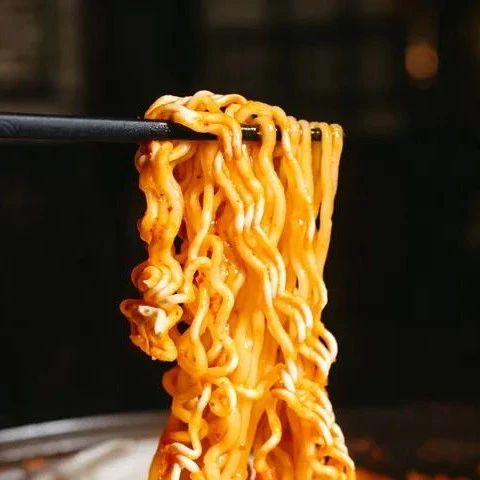
一元火鸡面

Search documents
从黄油年糕到固体杨枝甘露,这些过气网红食物谁还爱
3 6 Ke· 2026-01-09 00:56
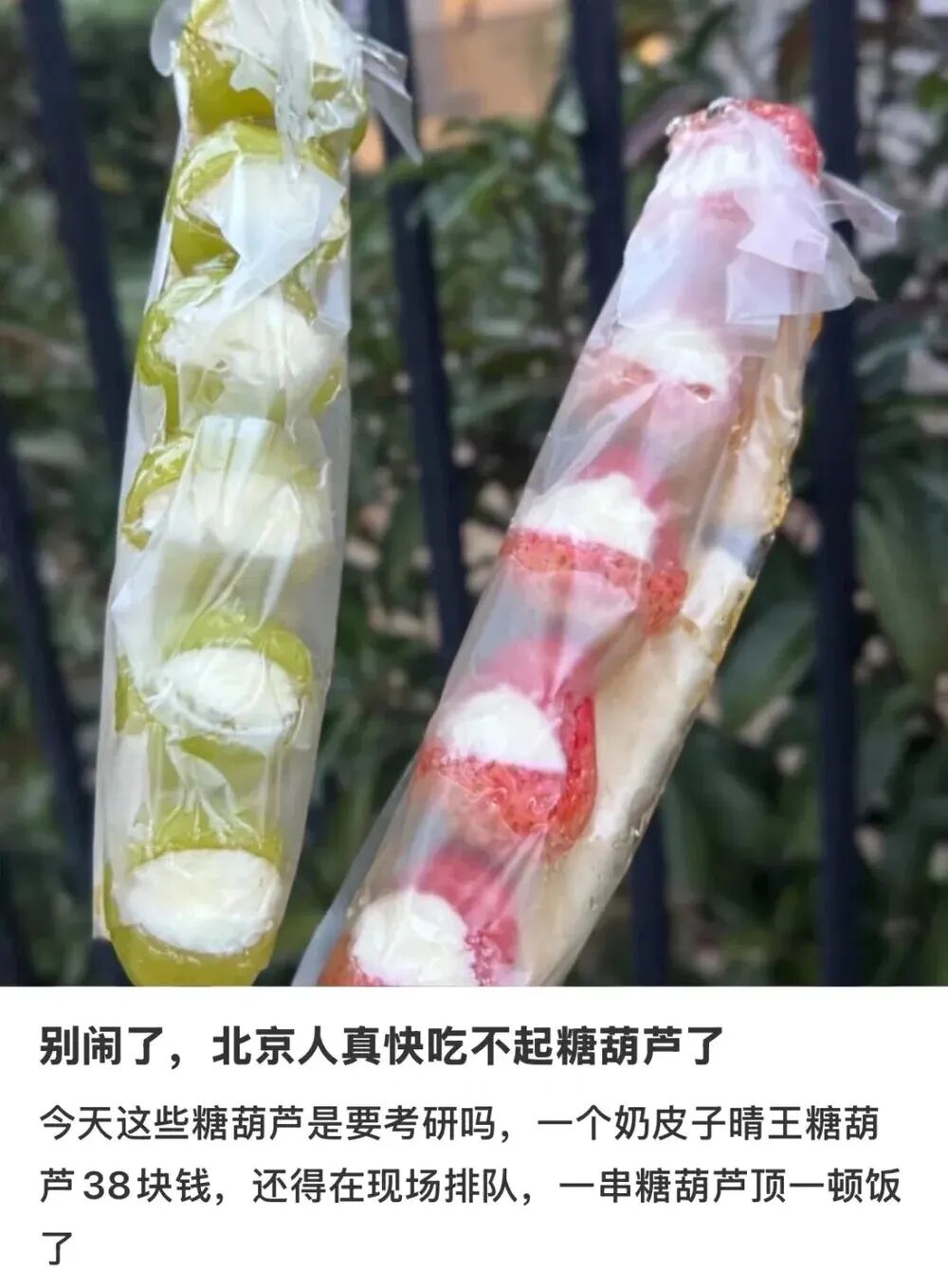
Group 1: Food Trends in 2025 - The emergence of "pro version" snacks like the milk skin candied hawthorn, which has become a high-demand item with prices exceeding 100 yuan per stick and over 600 million views on social media platforms [1][4] - The introduction of extravagant food items in university canteens, such as the 999 yuan king crab at Nanjing University, sparked debates about luxury and accessibility among students [5] - The solid mango pomelo sago dessert gained popularity by transforming a traditional drink into a handheld dessert, leading to various innovative versions [7][9] Group 2: Social Media Influence - The concept of "pretty meals" has gained traction, emphasizing aesthetic appeal and social media presence, with nearly 70% of consumers willing to try such dining experiences [9][10] - The revival of nostalgic food items like McDonald's milkshake, which saw a significant price increase on resale platforms, highlights the emotional connection consumers have with food from their childhood [17][18] Group 3: Innovative Food Products - The butter rice cake, a fusion dessert combining Western and Chinese elements, has become a popular item, especially during the Chinese New Year, appealing to consumers' cravings for indulgent treats [12][14] - The corn egg tart, featuring a sweet corn topping, has emerged as a new trend in the baking industry, showcasing the rapid evolution of popular baked goods [15] Group 4: Cultural and Culinary Impact - The cooking competition show "A Meal to Remember" has influenced food trends, with viewers eager to recreate dishes from the show, turning food into a social language [20][24] - The rise of Chinese medicinal bread reflects a growing interest in health-conscious eating among younger consumers, with various hospitals collaborating to create unique offerings [25][27]

小学门口的1元火鸡面爆火,成年人被新一代「小孩饭」硬控
36氪· 2025-05-29 00:01
Core Viewpoint - The article discusses the phenomenon of "mini fire noodles" sold at elementary school gates, highlighting their popularity among students and the unique market dynamics surrounding these snacks [4][9][10]. Group 1: Product Overview - The "mini fire noodles" are a simplified version of the original Korean instant noodles, often sold for 1 yuan, making them affordable for elementary school students [15][22]. - These noodles are typically not the authentic brands but rather a modified version that appeals to children's taste preferences, often lacking the original spiciness [18][60]. Group 2: Market Dynamics - The market for these snacks is primarily driven by young vendors, including those who have left traditional jobs to cater to the demand from schoolchildren [12][112]. - The pricing strategy is crucial, with most items priced between 1 to 3 yuan, aligning with the limited pocket money of students [71][83]. Group 3: Consumer Behavior - Elementary school students exhibit a strong preference for cash transactions over digital payments, as many do not possess smart devices [35][36]. - The appeal of these snacks is enhanced by their novelty and the social experience of consuming them with peers after school [29][85]. Group 4: Cultural Significance - The phenomenon reflects a nostalgic connection for many young adults who remember similar experiences from their childhood, creating a cycle where former consumers become vendors [104][115]. - The act of purchasing these snacks symbolizes a small step into the adult world of consumerism for children, often associated with shared experiences and social bonding [123][124].