三年期大额存单

Search documents
终于有人把话说透了:当普通人存款到20–50万,危险的不是没钱
Sou Hu Cai Jing· 2026-02-02 08:21
Group 1 - The article discusses the anxiety associated with saving money, highlighting that having a significant amount in savings can lead to stress rather than comfort [1][3] - It mentions the low interest rates on savings accounts, indicating that inflation can erode the value of savings over time, with an example showing that 200,000 in a bank over five years yields less than 1,500 in interest [3] - The article emphasizes the importance of financial preparedness for unexpected events, such as medical emergencies or job loss, suggesting that savings should be allocated for specific purposes rather than just accumulating wealth [5][7] Group 2 - The author explores alternative financial products, such as structured deposits with a potential risk of losing principal, and the need for careful evaluation of such investments [3] - A focus on community support and sharing information about healthcare and job opportunities is presented as a way to enhance financial security and resilience [9] - The article concludes with a reflection on the importance of understanding the purpose of savings, indicating that financial security is not solely about increasing numbers but knowing how to utilize funds effectively [11][13]


六大国有银行五年期大额存单退场
Xin Lang Cai Jing· 2025-12-23 17:03
Core Viewpoint - The demand for investment and savings among citizens is increasing as the year-end approaches, but there is a noticeable reduction in medium to long-term deposit products available in the market [1] Group 1: Market Trends - Major state-owned banks have removed five-year large-denomination certificates of deposit from their apps, and the interest rates for three-year products have generally dropped to between 1.5% and 1.75% [1] - Several small and medium-sized banks are also intensively adjusting their deposit business [1] Group 2: Banking Sector Analysis - The continuous decline in net interest margins is a significant challenge affecting banks' profitability in recent years [1] - The recent withdrawal of high-interest long-term deposit products by many banks is aimed at stabilizing net interest margins [1] - This trend is expected to enhance the certainty of banks' profit expectations in the future, providing fundamental support for valuation recovery [1] Group 3: Investment Implications - Large banks with low-cost liabilities and high-dividend yield bank stocks are likely to attract more long-term capital [1]
中国银行、建设银行、工商银行、农业银行、交通银行、邮储银行,集体调整中长期存款产品!
Mei Ri Jing Ji Xin Wen· 2025-12-23 03:53
Core Viewpoint - Major Chinese banks, including Bank of China, China Construction Bank, Industrial and Commercial Bank of China, Agricultural Bank of China, Bank of Communications, and Postal Savings Bank, have collectively adjusted their deposit products, particularly reducing the availability of medium to long-term deposit offerings as year-end savings demand increases [1][3]. Group 1: Changes in Deposit Products - Many customers, such as a resident in Beijing, have reported difficulties in finding suitable 5-year large-denomination certificates of deposit (CDs) as these products are no longer displayed by major banks [3]. - The interest rates for 3-year related products have dropped to between 1.5% and 1.75% across various banks [3]. - Smaller banks are also following suit, with institutions like Meizhou Commercial Bank and Yilian Bank removing 5-year fixed deposit products from their offerings [5]. Group 2: Reasons for Adjustments - The withdrawal of long-term deposit products is a response to the ongoing decline in banks' net interest margins, driven by falling loan rates that have significantly reduced asset yields [5]. - Analysts suggest that banks are compelled to eliminate high-interest long-term products to avoid severe interest margin losses or potential deficits, which could threaten their long-term stability and pose systemic risks [5]. Group 3: Implications for the Banking Sector - The adjustments in deposit products are expected to enhance the certainty of banks' profit forecasts, providing fundamental support for valuation recovery, particularly for large banks with low-cost liabilities and high dividend yields [6]. - The reduction in deposit rates may lead to a "deposit migration" effect, where funds seeking higher returns move from the banking system to capital markets, potentially benefiting direct financing markets [6].


半两财经|六大国有银行下架五年期大额存单 居民投资理财方式在变
Sou Hu Cai Jing· 2025-12-23 03:06
Core Viewpoint - The six major state-owned banks in China have collectively withdrawn high-interest five-year large-denomination certificates of deposit (CDs), marking a significant shift in the savings market as they adjust to ongoing pressure on net interest margins [2][3]. Group 1: Changes in Deposit Products - The five-year large-denomination CDs have been completely removed from sale, with searches on banking apps returning results indicating "no products available" or "sold out" [2]. - The minimum investment for three-year large-denomination CDs has increased significantly, with thresholds rising from the traditional 200,000 yuan to between 1 million and 5 million yuan, while the interest rate for a 1 million yuan three-year product is only 1.55%, narrowing the gap with regular savings accounts [3]. Group 2: Impact on Banking Sector - Data from the National Financial Regulatory Administration shows that the net interest margin for commercial banks was only 1.42% in Q3 2025, with predictions indicating a slight narrowing of the decline to around 4 basis points in 2026, marking the first time since 2022 that the annual decline will be in single digits [4]. - The continuous narrowing of net interest margins has been a significant factor affecting bank profitability, prompting banks to withdraw high-interest long-term deposit products to stabilize their margins [5]. Group 3: Shifts in Savings Behavior - The withdrawal of high-interest CDs has led to a migration of funds estimated to be in the hundreds of billions, as the market loses "risk-free high-yield" products [6]. - Despite 62.3% of residents still preferring to save more, this figure has been declining for two consecutive quarters, with a noticeable increase in the willingness to invest [6]. - Different types of savers are adjusting their strategies: conservative savers are sticking to deposit products, while moderate investors are moving towards bank wealth management and "fixed income plus" products, and aggressive investors are beginning to allocate funds to high-dividend stocks and gold ETFs [6].






六大国有银行,集体调整→
证券时报· 2025-12-22 23:50
Core Viewpoint - The article discusses the recent decline in the availability of medium to long-term deposit products in the banking sector, particularly five-year large certificates of deposit, amid increasing investment and savings demand from citizens as the year-end approaches [1][3]. Group 1: Market Trends - Citizens, like Ms. Wan from Beijing, are facing challenges in finding suitable five-year large certificates of deposit as many banks have reduced or removed these products from their offerings [1][3]. - Major state-owned banks, including Industrial, Agricultural, China, Construction, Communications, and Postal Savings Banks, have stopped displaying five-year large certificates of deposit, with three-year products' interest rates dropping to between 1.5% and 1.75% [3]. Group 2: Banking Sector Analysis - According to Zeng Gang, Director of the Shanghai Financial and Development Laboratory, the reduction of high-interest long-term deposit products is a necessary response to the ongoing decline in banks' net interest margins [5]. - The continuous decrease in loan interest rates has significantly reduced the yield on banks' asset sides, prompting banks to eliminate high-interest long-term products to avoid serious interest margin losses or even potential losses [5]. - The narrowing of net interest margins has been a critical factor affecting banks' profitability in recent years, and the recent removal of high-interest long-term deposit products is seen as a measure to stabilize these margins [5]. Group 3: Future Implications - Zeng Gang also noted that this trend indicates an enhancement in the certainty of banks' profit expectations, providing fundamental support for valuation recovery, particularly for large banks with low-cost liabilities and high dividend yield stocks, which may attract long-term capital [7].

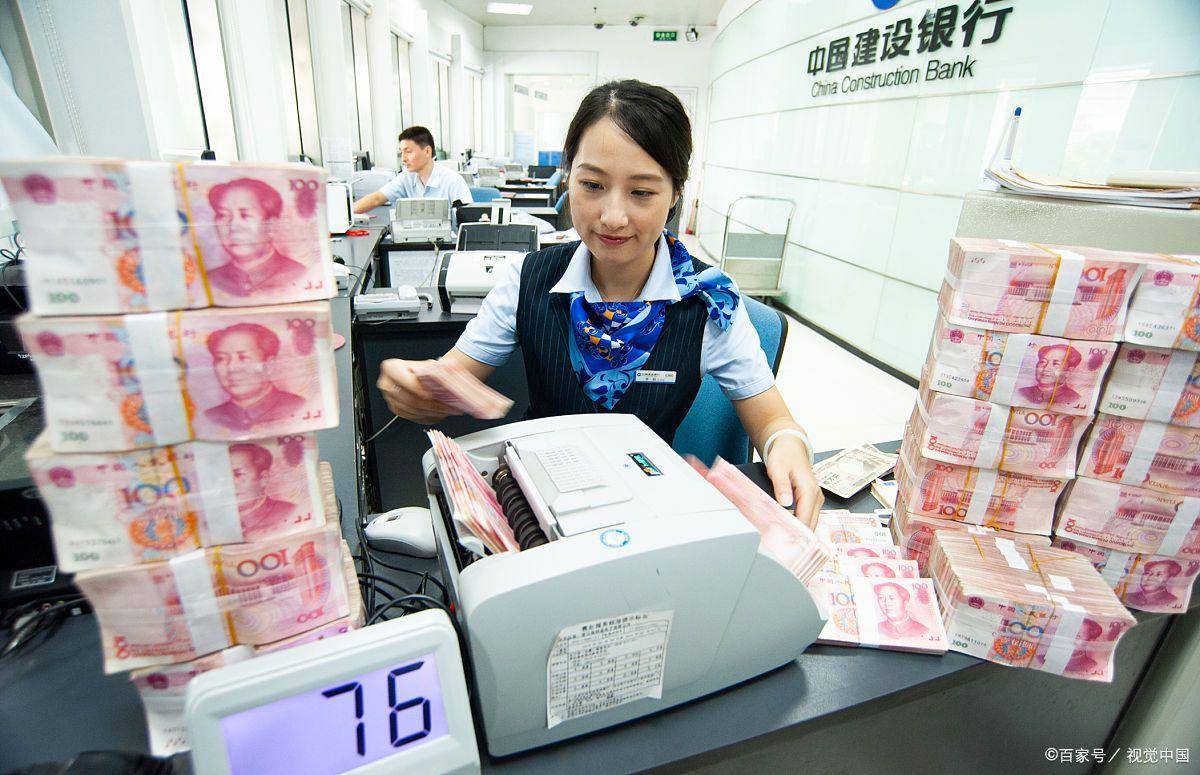
六大行五年期大额存单退场 多家银行中长期存款产品下架
Jing Ji Guan Cha Wang· 2025-12-22 03:55
Core Viewpoint - As the year-end approaches, there is an increased demand for investment and savings among citizens, but the availability of medium- to long-term deposit products in the market has decreased [1] Group 1: Bank Products and Interest Rates - Major state-owned banks, including Industrial, Agricultural, China, Construction, Communications, and Postal Savings banks, have shown that five-year large-denomination certificates of deposit (CDs) are no longer displayed on their apps [1] - The interest rates for three-year related products have generally dropped to between 1.5% and 1.75% [1] Group 2: Market Adjustments by Smaller Banks - Some small and medium-sized banks have also begun to adjust their deposit business, with Meizhou Commercial Bank recently announcing the removal of five-year fixed deposit products [1] - Institutions like Yilian Bank have also stopped displaying five-year large-denomination CDs on their apps [1] Group 3: Impact on Bank Profitability - Industry insiders analyze that the continuous narrowing of net interest margins has been a significant factor affecting banks' profitability in recent years [1] - The recent withdrawal of high-interest long-term deposit products by multiple banks is seen as a measure to stabilize the banks' net interest margins [1]
“新三金”:低利率时代下的“防御性理财进化”
Xin Lang Cai Jing· 2025-12-21 14:32
Core Insights - The traditional savings appeal is rapidly diminishing due to near-zero interest rates on demand deposits and the removal of five-year large time deposits by major banks, prompting young investors to explore new asset allocation strategies [1][2][3] Group 1: Interest Rate Environment - The interest rate for demand deposits has dropped to 0.05%, approaching zero, while the one-year fixed deposit rate is below 1% [2] - Major state-owned banks have collectively removed five-year large time deposits, and three-year large time deposit rates have been adjusted to a range of 1.5% to 1.75% [2] Group 2: Shift in Investment Preferences - There is a notable shift in investment behavior among young investors, with a decrease in the proportion of savers preferring to save more (62.3%, down 1.5 percentage points) and an increase in those inclined to invest more (18.5%, up 5.6 percentage points) [2] - The top five preferred investment methods among residents are "non-principal guaranteed bank wealth management," "funds and trust products," "stocks," "bonds," and "non-consumption insurance" [2] Group 3: Emergence of "New Three Golds" - The "New Three Golds" investment strategy, which includes money market funds, bond funds, and gold funds, is gaining popularity among young investors as a way to diversify and mitigate risks [3][4] - Data from Ant Financial shows that by April 2025, 9.37 million individuals from the "90s" and "00s" generations have adopted the "New Three Golds" strategy on Alipay [3] Group 4: Wealth Management Strategies - The "New Three Golds" concept emphasizes a balanced approach to wealth management, with different financial instruments serving distinct roles: money market funds as a liquid asset, bond funds for stable growth, and gold funds for risk hedging [4][5] - The annualized return for bond funds is maintained in the range of 3% to 4%, making them suitable for idle funds not needed for 1-3 years [4] Group 5: Personalized Investment Approaches - Experts suggest that investors should tailor their "New Three Golds" allocation based on individual financial goals, income structure, and risk tolerance [5] - For short-term liquidity needs, a focus on money market funds supplemented by bond funds is recommended, while long-term investors may increase their allocation to bond and gold funds [5]
三年大额存单抢不到?这4个“替代品”更香、更稳、更灵活
Sou Hu Cai Jing· 2025-12-19 03:47
Core Viewpoint - The scarcity of three-year large-denomination certificates of deposit (CDs) is a result of banks' reluctance to issue high-interest long-term deposits due to declining net interest margins and competitive pressures in the interest rate environment [3][9]. Group 1: Market Dynamics - Banks are currently facing a historical low net interest margin of 1.42%, making it unprofitable to issue three-year large-denomination CDs at rates around 2.5% [3]. - Major banks have collectively suspended five-year products and are limiting the issuance of three-year CDs to avoid being "trapped" by future interest rate declines [3]. - The demand for large-denomination CDs has surged, with rates of 2.2% being quickly exhausted, creating a cycle of increased competition among savers [3][9]. Group 2: Alternative Investment Options - **Savings Bonds**: State-backed savings bonds offer higher interest rates than large-denomination CDs, with a three-year rate of 2.35%, potentially yielding an additional 900-1800 yuan over three years for a 200,000 yuan investment [4]. - **Low-Risk Bank Wealth Management**: R1 and R2 level low-risk products can yield annualized returns of 2.8%-3.2%, significantly higher than three-year fixed deposits, with a focus on government and financial bonds [5]. - **Pure Bond Funds**: These funds, which invest solely in bonds, have shown an average increase of over 3.5% in the past year, with some products yielding up to 4%, providing a potential annual return of 7,000-8,000 yuan on a 200,000 yuan investment [6]. - **Bank Specialty Deposits**: Some banks offer specialty deposits with lower entry thresholds and competitive rates of 2.1%-2.3%, comparable to large-denomination CDs, without the need for competitive purchasing [7]. Group 3: Investment Strategy Recommendations - It is advised to avoid "pseudo-deposits" from non-bank institutions that lack deposit insurance, as they carry significant principal risk [8]. - Diversification is recommended, with no more than 500,000 yuan deposited in a single bank, and spreading investments across 2-3 institutions for wealth management and funds [8]. - Caution is advised regarding products promising returns exceeding 4%, as they may carry hidden risks [8].

银行存钱规则大变天,5年期定存没了?大额存单门槛涨,10万闲钱咋存
Sou Hu Cai Jing· 2025-12-08 14:11
Core Viewpoint - The banking industry in China is undergoing significant changes in deposit rules, with the discontinuation of five-year fixed deposits and increased thresholds for large time deposits, impacting the financial planning of ordinary citizens [1][2][3] Group 1: Changes in Deposit Products - Major state-owned banks, including ICBC, ABC, BOC, CCB, and others, have completely stopped offering five-year fixed deposit products [2] - The minimum investment for three-year large time deposits has surged from 200,000 to as high as 1,000,000 or even 5,000,000 in some banks [3] - The interest rates for three-year large time deposits have dropped to between 1.5% and 1.75%, significantly lower than previous years [2][3] Group 2: Reasons Behind Changes - The primary reason for these adjustments is the pressure on net interest margins, which have fallen to 1.42%, nearing a critical profitability threshold for banks [5] - Decreasing loan interest rates and intense competition for deposits have led to reduced income from loans while maintaining high costs for deposit liabilities [5] Group 3: Impact on Ordinary Citizens - The changes have severely affected individuals with savings of 100,000 or 200,000 who relied on stable interest income from deposits [6][7] - The potential interest earned from a one-year deposit of 100,000 is approximately 950, which is insufficient for basic expenses [6] - Long-term financial planning for purposes such as retirement or education has been disrupted, with the risk of reinvestment at lower rates after three years [7] Group 4: Investment Strategies - The "ladder deposit method" is suggested as a way to balance liquidity and returns by splitting savings into different term deposits [9] - For those with over 200,000, large time deposits can be considered, focusing on liquidity rather than high thresholds, as many products offer the same interest rate regardless of the investment amount [12] - The "new three gold" investment strategy, involving money market funds, pure bond funds, and gold, is recommended for better asset preservation and growth [14]
越来越多人,开始防守了
Sou Hu Cai Jing· 2025-12-04 14:11
Market Trends - The market has experienced a continuous decline in trading volume, with the Shanghai and Shenzhen stock exchanges recording a trading volume of 1.55 trillion yuan, a decrease of 121 billion yuan compared to the previous trading day [4] - There is a noticeable shift towards defensive strategies, with small-cap growth stocks losing momentum while large-cap value stocks are performing better [5] Index Performance - As of today, the CSI A500 index has increased by 0.38% this week, while the CSI 2000 index has decreased by 1.55% [6] - The top-performing sectors this week include non-ferrous metals, telecommunications, home appliances, petrochemicals, transportation, and coal, with high dividend sectors making up a significant portion [6] Sector Analysis - Consumer sectors such as home appliances, food and beverage, textiles and apparel, and social services have a higher probability of success from December to January [7] - Sectors like petrochemicals, steel, non-ferrous metals, coal, building materials, and large financial institutions show a significant increase in success probability in January [8] Interest Rate Outlook - There is a high probability of interest rate cuts in the U.S. in December, which may lead to similar actions domestically [9] - Major state-owned banks have collectively removed five-year large-denomination time deposits from their platforms, with three-year products' interest rates dropping to between 1.5% and 1.75% [10] Investment Strategy - It is currently advisable to increase the allocation of high-dividend ETFs in investment portfolios [11] - A method for selecting high-dividend products involves using the "Dividend Yield Calculator" in the "Index Direct Pass" mini-program to view dividend yields and products [12][13] - The current dividend yield for the CSI Dividend Index is reported at 4.3% [16] Portfolio Recommendations - While high dividend rates are favorable at year-end, it is recommended to maintain a balanced portfolio that includes technology and dividend stocks, with a current emphasis on dividends and large-cap stocks [18]