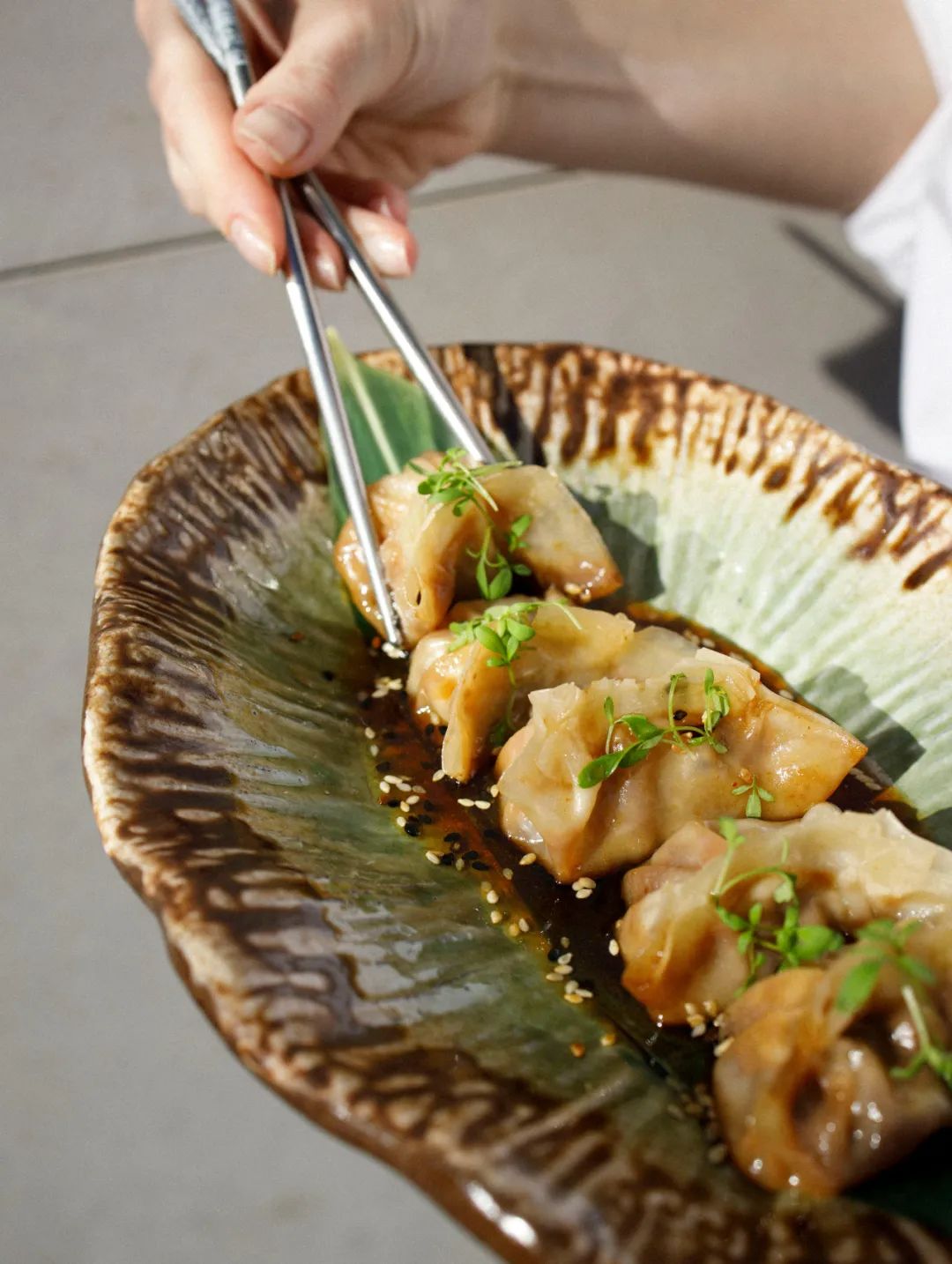
三鲜豆皮

Search documents
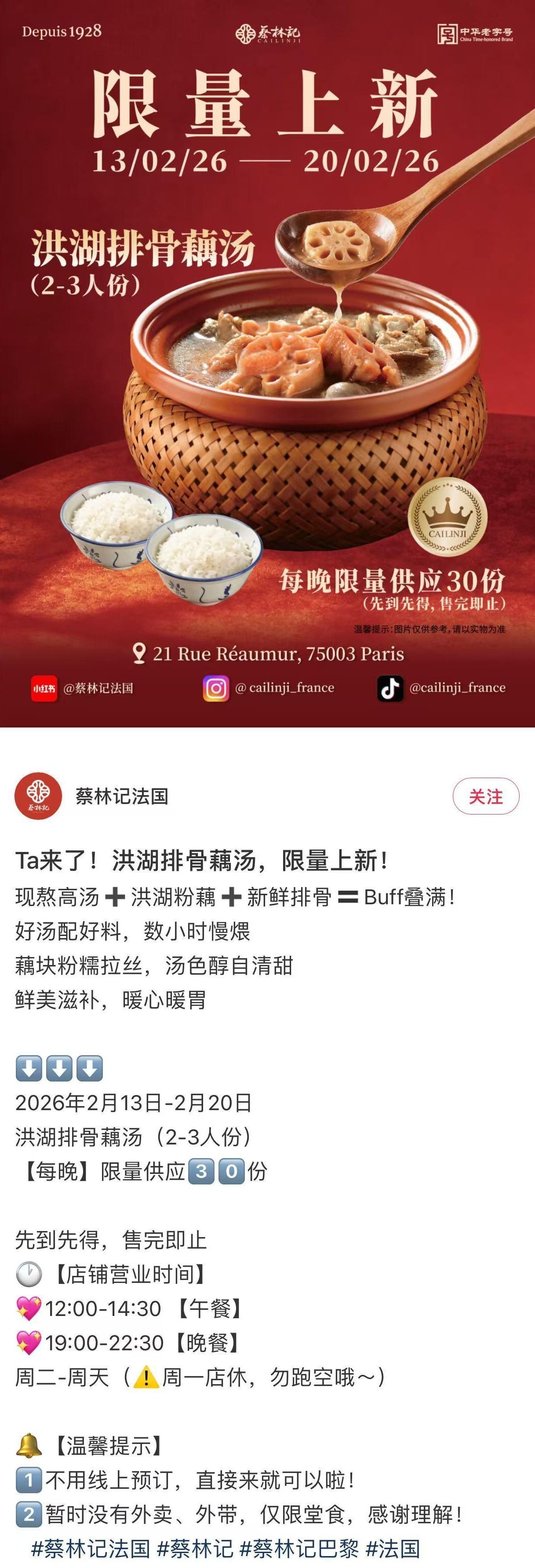
巴黎春节飘起藕汤香,汉派美食出海出圈走向全球
Chang Jiang Ri Bao· 2026-02-17 00:36
Core Insights - The article highlights the growing international presence of Han cuisine, particularly through the establishment of traditional brands like Cai Lin Ji, which is expanding its reach globally while maintaining cultural authenticity [3][4][12]. Group 1: Expansion of Han Cuisine - Cai Lin Ji, a century-old brand, opened its first European store in Paris, attracting significant customer interest with long queues during its trial operation [4][7]. - The restaurant offers traditional dishes like hot dry noodles and fried dough sticks at prices that align with local market standards, making it accessible to both locals and tourists [6]. - Other traditional brands from Wuhan, such as Xiao Ji Gong An Beef Fish Soup, are also planning to expand internationally, with a focus on cities with large Chinese populations [8]. Group 2: Domestic Growth and Market Penetration - Han cuisine is rapidly expanding across China, with both traditional and new brands making significant inroads into various provinces, including Henan, Shanxi, Jiangxi, and Shandong [9]. - Cai Lin Ji has achieved full coverage in Hubei province and is continuously increasing its number of outlets, currently totaling around 300 nationwide [9]. - New brands like Lai Cai·Hubei Head Brand Lotus Soup are also emerging, with plans to open multiple locations in major cities, showcasing the competitive landscape of Han cuisine [11]. Group 3: Cultural Integration and Brand Development - Cai Lin Ji emphasizes cultural integration by adapting its offerings to local tastes, including a specialized wine list for French customers and culturally themed decor [6]. - The local government supports the restaurant industry through various initiatives aimed at enhancing brand visibility and facilitating international expansion [12]. - Recent promotional activities, such as the selection of top local dishes, have helped raise awareness and appreciation for Han cuisine, contributing to its brand development [12]. Group 4: Future Prospects - The article suggests that as more Han cuisine brands expand globally, they will enhance the recognition of Wuhan and Hubei culture through culinary experiences [15].

中国的碳水天堂,别忘了武汉
3 6 Ke· 2025-04-12 02:46
Group 1 - The article highlights the popular spring wild vegetables in Nanjing, referred to as "Seven Heads and One Brain," which includes varieties such as Malan head, Xiangchun head, and others, representing the taste of spring in the city [5][6][8] - The culinary tradition of consuming wild vegetables in Jiangnan dates back to historical migrations during the Jin Dynasty, where people relied on wild plants for sustenance, evolving into a cultural practice over centuries [6][8] - The article also discusses the cooking methods for wild vegetables, noting that they are often prepared simply through stir-frying or in soups, suggesting that more innovative cooking techniques could enhance their appeal [8] Group 2 - The piece describes the breakfast culture in Wuhan, particularly the unique "Guozao" breakfast, which features a variety of local dishes such as hot dry noodles and three-flavor bean curd, showcasing the city's rich culinary diversity [15][17] - It emphasizes the significance of carbohydrates in Wuhan's breakfast offerings, catering to the local blue-collar workforce's dietary needs, and the habit of eating on the go [20] - The article notes a decline in the availability of certain breakfast items like "Mianwo," attributed to economic factors affecting vendors, highlighting the changing landscape of local food culture [18]