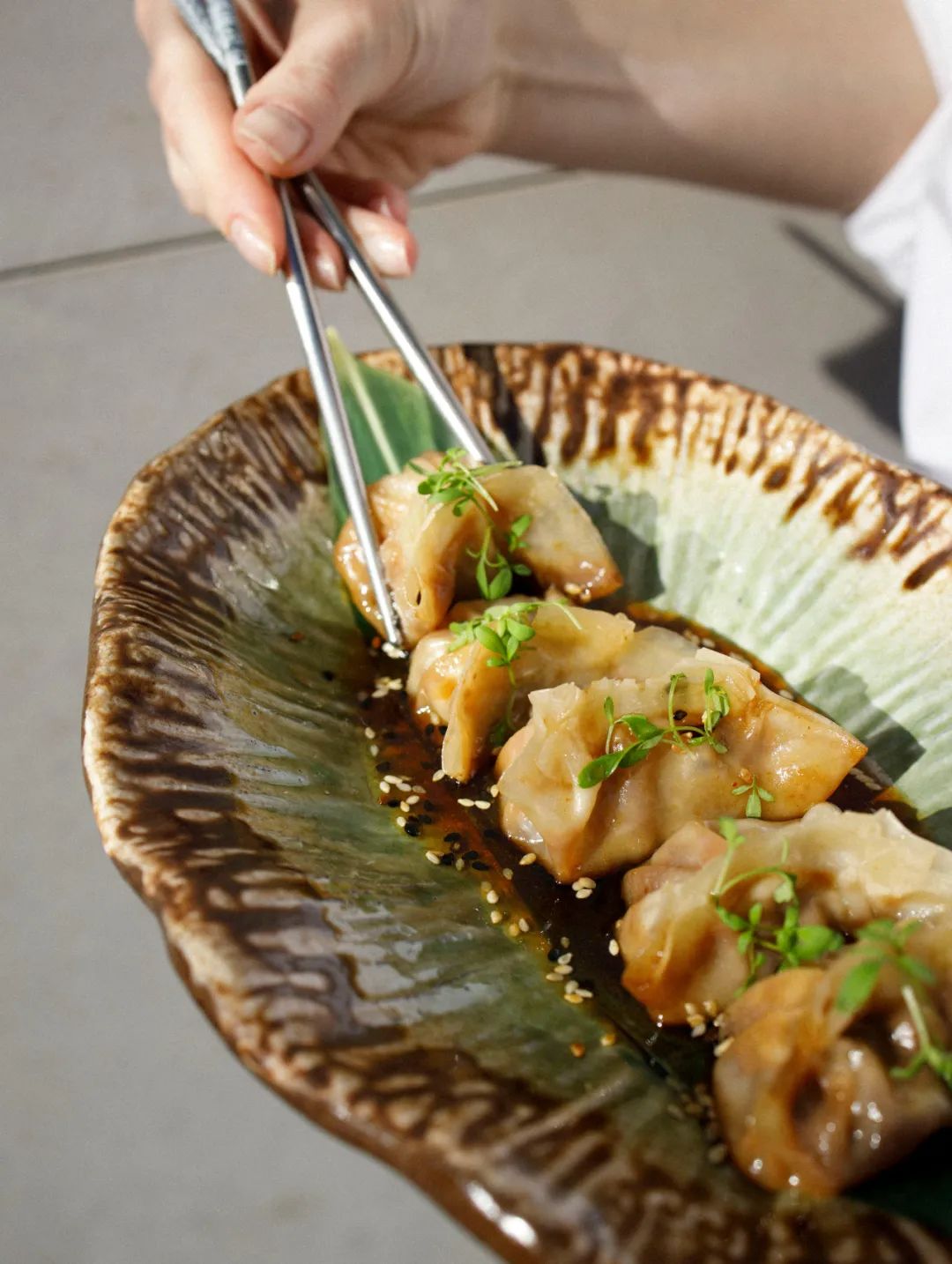
面窝

Search documents
中国吃饭“邪修”第一大省,为什么是湖北?
虎嗅APP· 2025-12-07 09:03
Core Viewpoint - The article explores the unique and unconventional eating habits of people in Hubei, emphasizing their distinct culinary culture and the concept of "邪修" (unorthodox practices) in food consumption [5][6][48]. Group 1: Eating Habits - Hubei people have a unified understanding of food, often breaking conventional norms, such as eating breakfast on the go and combining unexpected ingredients [6][11][16]. - The practice of "边走边吃" (eating while walking) is prevalent, showcasing a blend of convenience and enjoyment in their daily meals [11][16]. - Hubei's breakfast culture includes unique combinations like hot dry noodles with fried dough sticks, and even ginger cola as a warming drink in winter [30][31]. Group 2: Culinary Traditions - Hubei's dining culture is characterized by simplicity and practicality, often using disposable plastic utensils even in formal settings [21][23]. - The article highlights the local delicacies, such as the humble yet beloved "榨菜肉丝" (shredded pickled mustard greens with pork), which reflects the region's down-to-earth approach to food [17][20]. - Hubei's culinary practices include innovative methods like "干煸" (dry frying) applied to vegetables, showcasing a creative twist on traditional cooking techniques [45][47]. Group 3: Local Ingredients and Dishes - The article mentions the significance of local ingredients, such as "洪山菜薹" (Hongshan vegetable shoots), which are highly valued and can fetch high prices during their season [34]. - Hubei's diverse food offerings include "藕汤" (lotus root soup) and "豆丝" (bean vermicelli), which are staples in local households, especially during winter [36][38]. - Unique dishes like "虾鲊" (fermented shrimp) and "合渣" (soybean residue) illustrate the region's rich culinary heritage and innovative use of local resources [40][41].

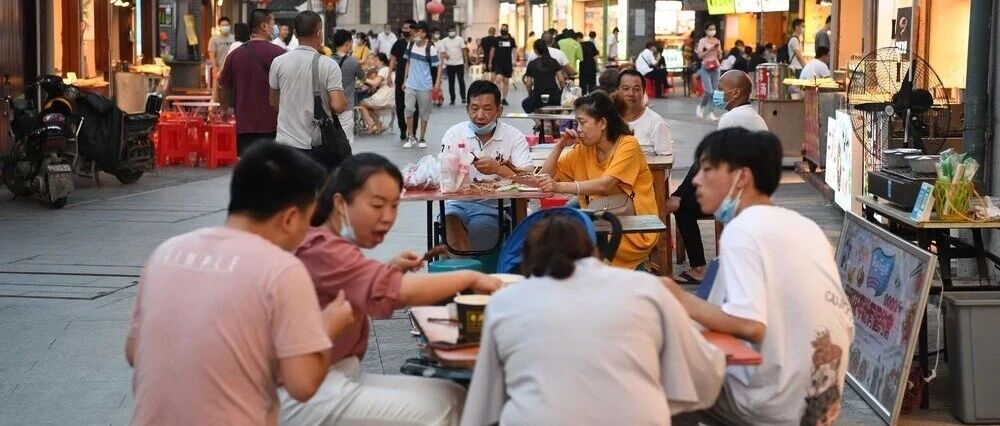
中国吃饭“邪修”第一大省,为什么是湖北?
3 6 Ke· 2025-11-28 03:33
Core Perspective - The article highlights the unique and unconventional eating habits of people in Hubei, showcasing their distinct culinary culture that embraces a casual and free-spirited approach to food [1][13]. Group 1: Eating Habits - Hubei residents often eat on the go, combining various dishes like hot dry noodles and soup noodles, demonstrating a practical and efficient way of dining [2][4]. - The use of soft plastic bowls and utensils is common in Hubei, which contrasts with the expectations of outsiders but is seen as convenient and hygienic by locals [6][12]. - Breakfast in Hubei is characterized by a mix of urgency and leisure, with people enjoying hearty meals and drinks like alcohol and hot food in a relaxed setting [4][7]. Group 2: Unique Dishes - Hubei's culinary offerings include simple yet hearty dishes such as fried peanuts, stir-fried vegetables, and various types of soups, emphasizing practicality and flavor over presentation [5][10]. - The region is known for its distinctive use of ingredients, such as the combination of ginger and cola to create a warming drink during colder months, showcasing a creative twist on traditional beverages [8][10]. - Hubei's local specialties, like the famous Hongshan vegetable, are highly regarded and can fetch high prices due to their unique qualities and historical significance [9]. Group 3: Cultural Significance - The article emphasizes that Hubei's food culture reflects a broader lifestyle that values enjoyment and practicality, with a strong connection to local traditions and communal dining experiences [12][13]. - The casual dining atmosphere in Hubei, where meals are often shared and enjoyed in a communal setting, fosters a sense of community and belonging among residents [4][6].
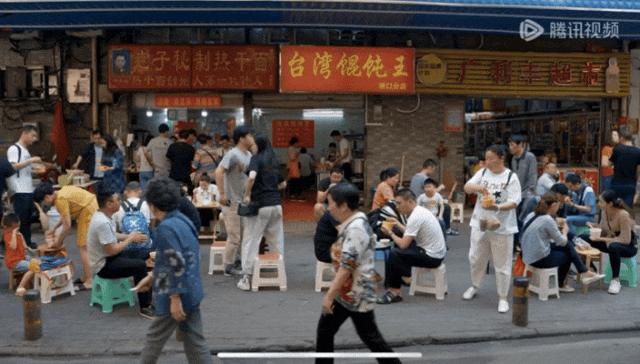
放秋假的中小学生都来武汉吃美食了
Chang Jiang Ri Bao· 2025-11-14 01:02
Core Insights - The article highlights a surge in food tourism in Wuhan, driven by families visiting during the autumn break of middle school students, leading to long queues at popular food streets [1][18]. Group 1: Food Tourism Trends - Popular food streets such as Xian'an Fang and Shanhai Pass Road are experiencing high foot traffic, with families queuing for local delicacies like Ji Guan Dumplings and Sun's Bean Curd [1][6]. - The influx of tourists is attributed to the autumn break, with families traveling from various regions to enjoy the local cuisine and attractions [1][18]. Group 2: Visitor Experiences - Visitors, including students from different cities, express excitement about trying local dishes such as hot dry noodles, lotus root soup, and various snacks, indicating a strong interest in Wuhan's culinary offerings [7][13][17]. - Tourists are not only focused on food but also plan to visit iconic sites like the Yellow Crane Tower and East Lake, showcasing a blend of culinary and cultural tourism [7][17]. Group 3: Local Attractions - The article mentions specific food items that are popular among tourists, such as hot dry noodles and lotus root soup, which are highlighted as must-try dishes [13][17]. - The upcoming "Zhiyin Hubei Super Cultural Tourism Day" event is expected to further enhance the food tourism experience in Wuhan, inviting more visitors to explore the city's culinary delights [18].
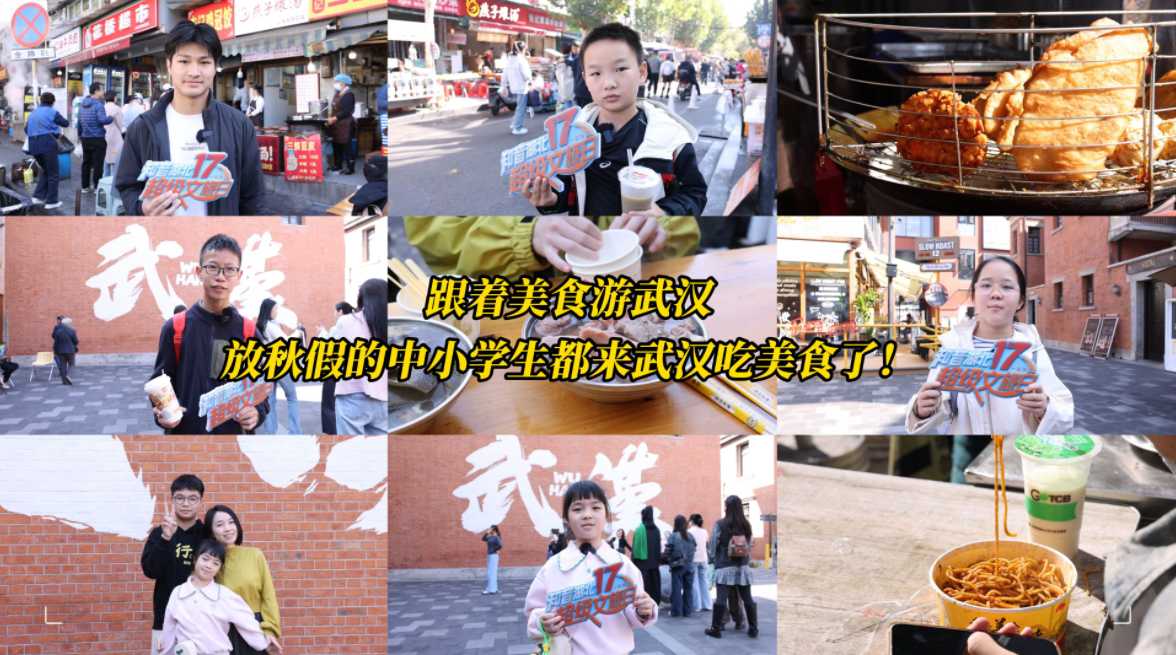
跟着味蕾去旅行 在湖北武汉户部巷体验“过早”
Ren Min Ri Bao· 2025-10-04 00:49
Core Insights - Wuhan's breakfast culture, known as "Guozao," is a significant culinary experience for tourists, featuring a variety of local dishes such as hot dry noodles, soup dumplings, and more [1][2][3] Group 1: Breakfast Offerings - Hot dry noodles are a staple, characterized by their unique preparation and various toppings, including sesame sauce and pickled radish, with new variations like beef and shrimp noodles emerging [1] - Another local specialty is "Hutou Soup Noodles," made from round rice noodles and a fish broth that captures the essence of Wuhan's dock culture [2] - Other breakfast items include "Doupi," made from a mixture of rice and beans, and "Mianwo," which is a fried rice cake, showcasing the diversity of rice-based dishes in Wuhan [3] Group 2: Culinary Innovation and Tourism - Traditional establishments like "Sijimei" soup dumpling shop are innovating by introducing new flavors to cater to a broader audience, reflecting a blend of tradition and modern tourism [3] - The development of the cultural tourism industry in Wuhan has led to increased visitor numbers, with over 10 million expected in 2024, particularly at popular spots like Hubei Lane [3] - The night economy in Hubei Lane has expanded, offering not only breakfast but also late-night snacks and cultural experiences, enhancing the overall tourist experience [3]
中国的碳水天堂,别忘了武汉
3 6 Ke· 2025-04-12 02:46
Group 1 - The article highlights the popular spring wild vegetables in Nanjing, referred to as "Seven Heads and One Brain," which includes varieties such as Malan head, Xiangchun head, and others, representing the taste of spring in the city [5][6][8] - The culinary tradition of consuming wild vegetables in Jiangnan dates back to historical migrations during the Jin Dynasty, where people relied on wild plants for sustenance, evolving into a cultural practice over centuries [6][8] - The article also discusses the cooking methods for wild vegetables, noting that they are often prepared simply through stir-frying or in soups, suggesting that more innovative cooking techniques could enhance their appeal [8] Group 2 - The piece describes the breakfast culture in Wuhan, particularly the unique "Guozao" breakfast, which features a variety of local dishes such as hot dry noodles and three-flavor bean curd, showcasing the city's rich culinary diversity [15][17] - It emphasizes the significance of carbohydrates in Wuhan's breakfast offerings, catering to the local blue-collar workforce's dietary needs, and the habit of eating on the go [20] - The article notes a decline in the availability of certain breakfast items like "Mianwo," attributed to economic factors affecting vendors, highlighting the changing landscape of local food culture [18]