
世界模型小班课

Search documents
刚做了一份世界模型的学习路线图,面向初学者......
自动驾驶之心· 2025-12-25 03:24
Core Viewpoint - The article discusses the distinction between world models and end-to-end models in autonomous driving, clarifying that world models are not a specific technology but rather a category of models with certain capabilities. It emphasizes the trend in the industry towards using world models for closed-loop simulation to address the high costs associated with corner cases in autonomous driving [2]. Course Overview - The course on world models in autonomous driving is structured into six chapters, covering the introduction, background knowledge, discussions on general world models, video generation-based models, OCC-based models, and job-related insights in the industry [5][6][7][8][9]. Chapter Summaries - **Chapter 1: Introduction to World Models** This chapter outlines the relationship between world models and end-to-end autonomous driving, discussing the development history and current applications of world models, as well as various streams such as pure simulation, simulation plus planning, and generating sensor inputs [5]. - **Chapter 2: Background Knowledge** This chapter covers foundational knowledge related to world models, including scene representation, Transformer technology, and BEV perception, which are crucial for understanding subsequent chapters [6]. - **Chapter 3: General World Models** Focuses on popular general world models like Marble from Li Fei-Fei's team and Genie 3 from DeepMind, discussing their core technologies and design philosophies [7]. - **Chapter 4: Video Generation-Based World Models** This chapter delves into video generation algorithms, starting with GAIA-1 & GAIA-2 and extending to recent works like UniScene and OpenDWM, highlighting both classic and cutting-edge advancements in this area [8]. - **Chapter 5: OCC-Based World Models** Concentrates on OCC generation algorithms, discussing three major papers and a practical project, emphasizing the potential for these methods to extend into vehicle trajectory planning [9]. - **Chapter 6: World Model Job Topics** This chapter shares practical insights from the instructor's experience, addressing industry applications, pain points, and interview preparation for positions related to world models [9]. Learning Outcomes - The course aims to provide a comprehensive understanding of world models in autonomous driving, equipping participants with the knowledge to achieve a level comparable to one year of experience as a world model algorithm engineer [10].


下周开课!我们设计了一份自动驾驶世界模型学习路线图....
自动驾驶之心· 2025-12-24 09:22
Core Viewpoint - The article discusses the distinction between world models and end-to-end models in autonomous driving, emphasizing that world models are a means to achieve end-to-end autonomous driving rather than a specific technology [2]. Summary by Sections Chapter 1: Introduction to World Models - This chapter provides an overview of the relationship between world models and end-to-end autonomous driving, covering the development history and current applications of world models. It introduces various types of world models, including pure simulation, simulation plus planning, and those generating sensor inputs and perception results, along with their industry applications and relevant datasets [5]. Chapter 2: Background Knowledge of World Models - The second chapter focuses on the foundational knowledge necessary for understanding world models, starting with scene representation and expanding to technologies like Transformer and BEV perception. It highlights key technical terms frequently encountered in job interviews related to world models [6][11]. Chapter 3: Discussion on General World Models - This chapter centers on general world models and recent popular works in autonomous driving, including models from Li Fei-Fei's team (Marble), DeepMind (Genie 3), and Meta (JEPA). It also discusses the widely talked-about VLA+ world model algorithms and Tesla's latest world model simulator shared at ICCV [7]. Chapter 4: Video Generation-Based World Models - The fourth chapter focuses on video generation algorithms, which are currently the most researched in both academia and industry. It covers classic works like GAIA-1 & GAIA-2 from Wayve and recent advancements such as UniScene and OpenDWM, providing a comprehensive view of the field's progress [8]. Chapter 5: OCC-Based World Models - This chapter discusses OCC generation algorithms, explaining three major papers and a practical project. These methods can be easily extended for vehicle trajectory planning, contributing to end-to-end solutions [9]. Chapter 6: World Model Job Topics - The final chapter shares practical insights from the instructor's years of experience, addressing the application of world models in the industry, existing pain points, and how to prepare for related job interviews, focusing on what companies prioritize [10]. Course Outcomes - The course aims to advance understanding of end-to-end autonomous driving, equipping participants with knowledge of world model technologies, including video generation and OCC generation methods, and preparing them for roles in the autonomous driving industry [10][13].
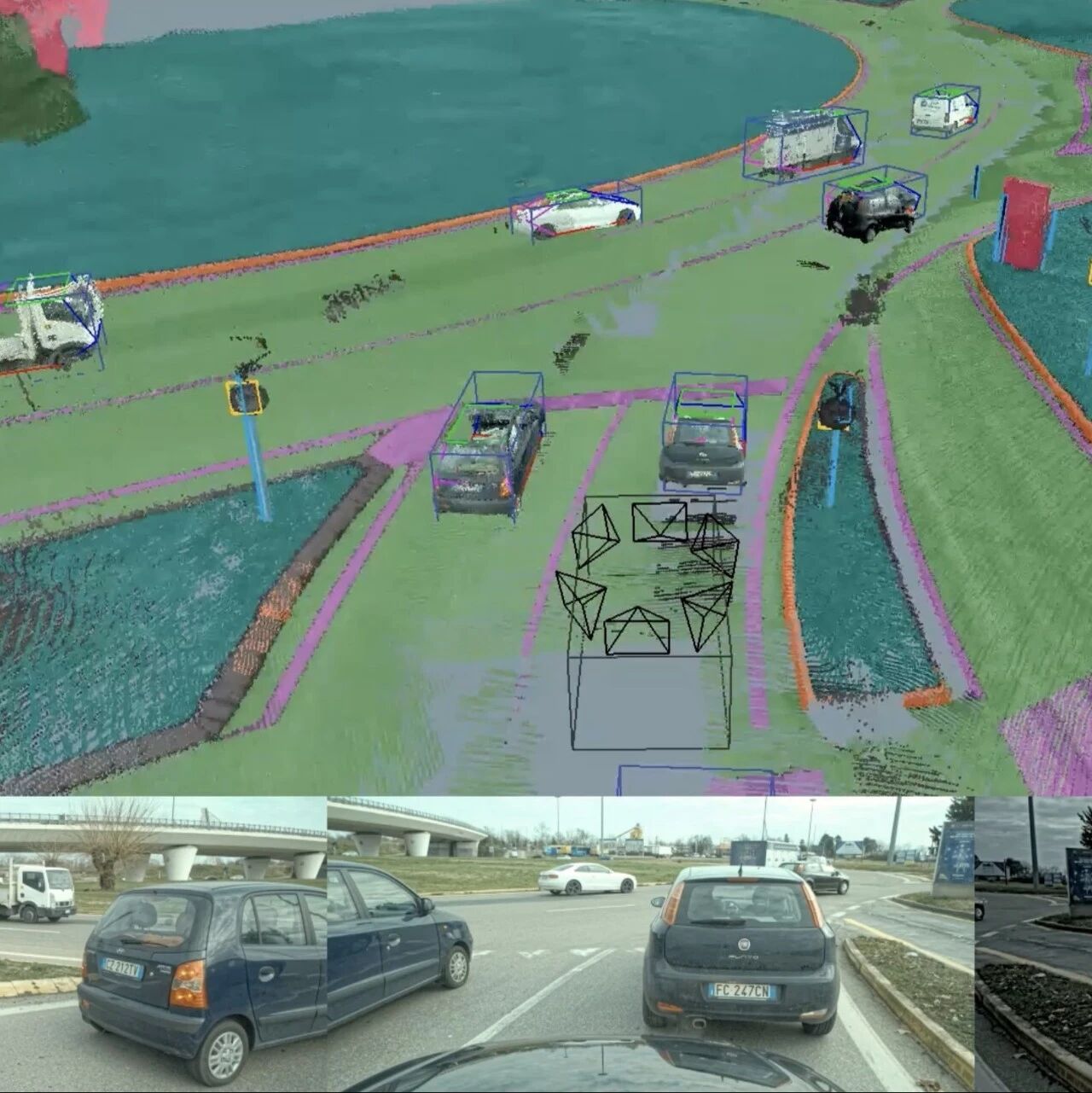
世界模型工作正在呈现爆发式增长
自动驾驶之心· 2025-12-20 02:16
Core Viewpoint - The article discusses the distinction between world models and end-to-end models in autonomous driving, emphasizing that world models are a means to achieve end-to-end autonomous driving rather than a specific technology [2]. Group 1: World Model Overview - The article highlights the recent surge in publications related to world models, particularly in the context of closed-loop simulation, which is becoming a trend in the industry due to the high costs associated with corner cases [2]. - It introduces a new course focused on world models, covering various algorithms such as general world models, video generation, and OCC generation, with applications in Tesla's world model and the Marble project by Fei-Fei Li's team [2][5]. Group 2: Course Structure - The course consists of six chapters, starting with an introduction to world models and their relationship with end-to-end autonomous driving, followed by a discussion on the historical development and current applications of world models [5][6]. - The second chapter covers foundational knowledge related to world models, including scene representation and technologies like Transformer and BEV perception, which are crucial for understanding subsequent chapters [5][6]. Group 3: Advanced Topics - The third chapter focuses on general world models, discussing notable models such as Marble, Genie 3 from DeepMind, and the latest developments from Meta, including the VLA+ world model algorithm [6][7]. - The fourth chapter delves into video generation-based world models, presenting classic works and recent advancements in the field, including projects like GAIA-1 & GAIA-2 and OpenDWM [7][8]. - The fifth chapter addresses OCC generation methods, explaining their potential for trajectory planning and end-to-end implementation [8]. Group 4: Industry Application and Career Preparation - The sixth chapter provides insights into the practical applications of world models in the industry, discussing pain points and how to prepare for job interviews in this field [9]. - The course aims to equip participants with the skills to understand and implement world model technologies, preparing them for roles as world model algorithm engineers [10][13].
世界模型是一种实现端到端自驾的途径......
自动驾驶之心· 2025-12-18 03:18
Core Viewpoint - The article discusses the distinction between world models and end-to-end models in autonomous driving, clarifying that world models are not end-to-end but serve as a pathway to achieve end-to-end autonomous driving [2][3][4]. Group 1: Definitions and Concepts - End-to-end autonomous driving is defined as a model that processes information input on one end and outputs decision results without explicit information processing and decision logic [3]. - World models are defined as models that accept information input and internally establish a complete understanding of the environment, capable of reconstructing and predicting future changes [4]. Group 2: Course Introduction - A new course on world models has been launched, focusing on general world models, video generation, and OCC generation algorithms, including applications from Tesla and the Li Fei Fei team [5]. - The course aims to enhance understanding of end-to-end autonomous driving and is designed for individuals looking to enter the autonomous driving industry [15]. Group 3: Course Structure - Chapter 1 introduces world models and their relationship with end-to-end autonomous driving, covering historical development and current applications [10]. - Chapter 2 provides foundational knowledge on world models, including scene representation and relevant technologies like Transformer and BEV perception [10][16]. - Chapter 3 discusses general world models and popular algorithms such as Marble and Genie 3, explaining their core technologies and design philosophies [11]. - Chapter 4 focuses on video generation world models, detailing significant works and advancements in this area [12]. - Chapter 5 covers OCC generation models, discussing their applications and potential for trajectory planning [13]. - Chapter 6 shares industry insights and interview preparation tips for roles related to world models [14]. Group 4: Learning Outcomes - The course aims to elevate participants to the level of a world model autonomous driving algorithm engineer within approximately one year, covering key technologies and enabling practical application in projects [18].
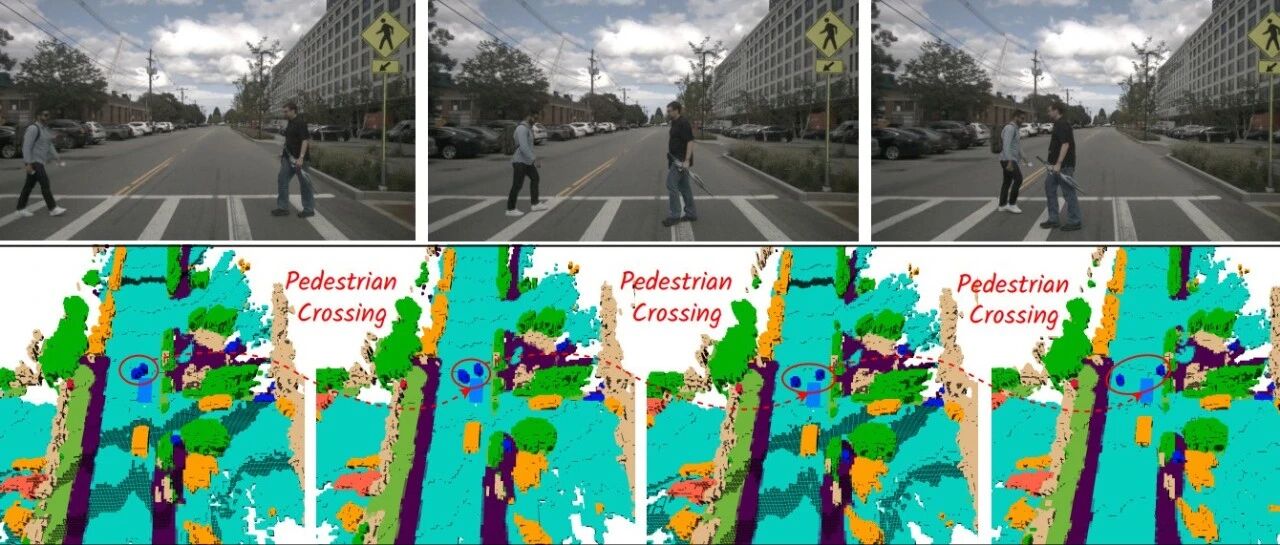
世界模型与自动驾驶:最新算法&实战项目(特斯拉、视频、OCC等)
自动驾驶之心· 2025-12-15 06:00
Core Viewpoint - The article introduces a new course focused on world models in autonomous driving, highlighting its relevance and the collaboration with industry experts to provide comprehensive training in this emerging field [2][4]. Course Overview - The course will cover various aspects of world models, including their historical development, current applications, and different methodologies such as pure simulation, simulation plus planning, and generative sensor input [7]. - It aims to equip participants with the necessary skills and knowledge to understand and implement world models in autonomous driving [12]. Course Structure - **Chapter 1: Introduction to World Models** This chapter will provide an overview of world models and their connection to end-to-end autonomous driving, discussing various streams and their applications in the industry [7]. - **Chapter 2: Background Knowledge of World Models** This chapter will delve into foundational knowledge, including scene representation, Transformer technology, and BEV perception, which are crucial for understanding world models [8]. - **Chapter 3: Discussion on General World Models** Focused on popular models like Marble and Genie 3, this chapter will explore their core technologies and design philosophies [9]. - **Chapter 4: Video Generation-Based World Models** This chapter will cover video generation algorithms, highlighting significant works and recent advancements in the field [10]. - **Chapter 5: OCC-Based World Models** This chapter will focus on OCC generation methods, discussing their applications in trajectory planning and end-to-end systems [11]. - **Chapter 6: World Model Job Topics** This chapter will provide insights into industry applications, challenges, and interview preparation for roles related to world models [11]. Target Audience and Learning Outcomes - The course is designed for individuals aiming to advance their knowledge in end-to-end autonomous driving and world models, with expectations to reach a level equivalent to one year of experience in the field [15]. - Participants will gain a deep understanding of key technologies such as video generation, OCC generation, BEV perception, and more, enabling them to apply these concepts in real-world projects [15].
