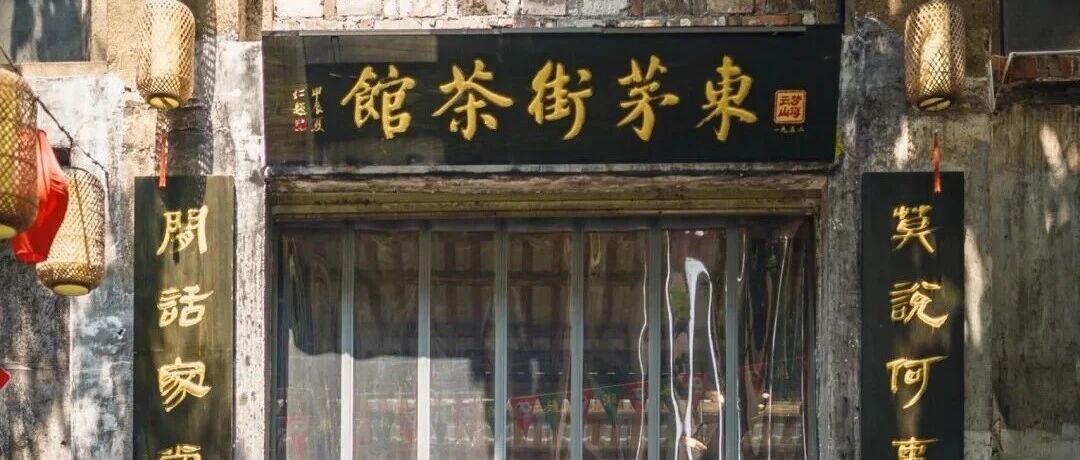
东茅街茶馆

Search documents
流量如水,润泽出满园春色——解码网红长沙的流量之谜②
Xin Lang Cai Jing· 2026-02-28 03:44
Group 1 - The core idea is that the city of Changsha is redefining its commercial ecosystem by using traffic not as an endpoint but as a starting point for development [1] - Changsha has expanded its commercial landscape beyond the traditional shopping hub of Wuyi Square, with new areas like Meixi Lake, Yanghu, and Hoh Lake emerging as significant contributors to the exhibition economy and new consumption models [1] - The formation of a "multi-center" commercial structure has led to the establishment of 143 new consumer brands and 77 large commercial complexes throughout the city, creating 150 convenient living circles for residents [1] Group 2 - The reconstruction of the commercial ecosystem is accompanied by a shift in business logic, where consumer experiences and emotional value are prioritized over simple transactions [2] - New business models in Changsha, such as Super Wenheyou and Dongmao Street Teahouse, are designed to capture market demand by offering unique experiences, which in turn attract new traffic [2] - Traditional businesses are also adapting to the new environment, with companies like Youa Group and Tongcheng Group successfully integrating online and offline strategies [2]
单店日均客流破万、备受央视关注,现象级“方志茶馆”背后的商业哲学
混沌学园· 2025-11-10 12:01
Core Insights - The article discusses the unique business model of Dongmao Street Tea House, which focuses on local elderly customers rather than tourists, achieving high daily foot traffic through affordable pricing and cultural engagement [2][3][14] - The founder, Jian Ming, emphasizes a philosophy of slow business that prioritizes cultural value and community over rapid growth and standardization [17][23] Business Model and Philosophy - Jian Ming's entrepreneurial journey includes three major projects, with the latest being Dongmao Street Tea House, which serves as a cultural and social space rather than just a dining venue [5][7] - The tea house aims to blend cultural storytelling with a unique pricing strategy, offering items priced at 2, 5, and 8 yuan to create a memorable customer experience [10][11] - The concept of "commercialized public space" is introduced, balancing social value with profitability, allowing the tea house to host cultural events without charging entry fees [12][19] Target Audience and Community Engagement - The primary focus on local elderly residents has proven successful, as their support has naturally attracted tourists, creating a community-centric business model [14][27] - The tea house serves as a platform for intergenerational interaction, encouraging young people to engage with the elderly, thus fostering cultural exchange [15][27] Future Outlook and Industry Position - Jian Ming expresses a commitment to maintaining a "slow" growth strategy, avoiding the pitfalls of over-expansion and preserving the tea house's cultural essence [17][18] - The article highlights the importance of cultural depth and unique storytelling as key differentiators in a market that may become saturated with similar concepts [18][19] - The tea house is positioned as a new cultural hub, aiming to redefine community spaces in the context of modern urban life [23][27]