中信・信悦湾

Search documents
深圳豪宅又有大动作
Sou Hu Cai Jing· 2025-12-10 13:11
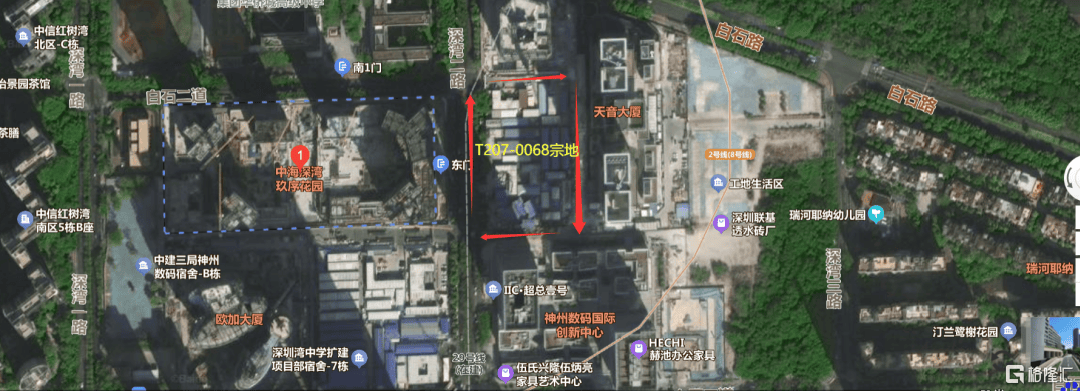
Core Viewpoint - The competition for high-end real estate in Shenzhen has intensified, particularly with the recent auction of a prime land parcel in Nanshan, which is expected to be developed into luxury residential units, marking a new phase in the luxury property market [1][8]. Group 1: Auction Details - The T207-0068 land parcel in Nanshan was sold for 3.186 billion, with a premium rate of 42.49%, resulting in a comprehensive floor price of approximately 77,400 per square meter and a saleable floor price of about 87,000 per square meter [1][5]. - The land has an area of 11,833.61 square meters and a residential saleable area of 36,584 square meters, with a height limit of 100 meters and a plot ratio of 3.1 [3][6]. Group 2: Market Context - The new land acquisition by China Overseas Land & Investment (中海) is expected to complement its existing luxury projects, potentially creating a product hierarchy similar to the previously developed Deep Bay Jiu Xu [5][7]. - The competitive landscape has expanded from the original "Hau Hai-She Kou" area to include "Hau Hai-She Kou-Shen Chao Zong," indicating a broader market for luxury properties [8][9]. Group 3: Competitive Dynamics - The entry of the new land parcel is likely to intensify competition among luxury projects, with multiple developments in the vicinity, including Shenzhen Bay Luan Xi and CITIC Xin Yue Bay, collectively offering over 1,800 units [7][8]. - The high acquisition cost and the need to maintain luxury positioning will compel developers to enhance product quality, such as upgrading exterior finishes and offering high-end furnishings to attract buyers [10][11]. Group 4: Sales Performance - In contrast to the inventory issues faced in Beijing, Shenzhen's luxury properties have been performing well, with many projects nearing sell-out status, indicating a strong demand in the market [12][17]. - China Overseas has successfully launched multiple projects in Shenzhen, with a total supply of 10,845 units since 2020, leaving only 439 units unsold as of December 2025 [17][18].


一年债务高达1192亿!上市集团主席以股抵债,重新找容身之地
Sou Hu Cai Jing· 2025-12-09 08:53
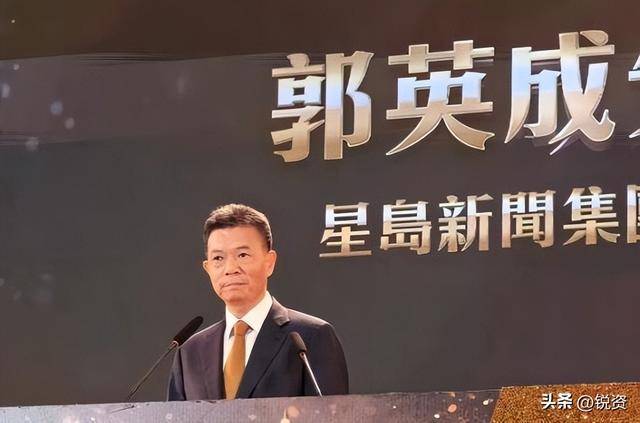
Core Viewpoint - Kaisa Group is taking significant steps to address its debt issues, including a new stock issuance plan to pay off interest on dollar notes, signaling a potential recovery in its financial situation [5][9][22]. Debt Management Strategy - Kaisa Group's chairman, Guo Yingcheng, recently appeared at a real estate project launch, indicating a shift towards addressing the company's debt problems [3][4]. - The company proposed to issue new shares at HKD 0.5 each to cover approximately USD 120 million in interest payments due between December 2025 and December 2026, which could save around HKD 933 million in cash [5][9]. - Kaisa's cash and bank deposits were reported at RMB 2.17 billion, with most being restricted pre-sale funds, while short-term debts due within a year reached RMB 119.2 billion, highlighting a significant liquidity challenge [7][9]. Equity Restructuring - If the new share issuance plan is approved, Guo's ownership stake will decrease from 8.04% to approximately 6.5%, while creditors will collectively hold 60% of the company [11][12]. - This move reflects a common practice in debt restructuring where equity is exchanged for the survival of the business [12]. Previous Debt Restructuring Success - Kaisa successfully completed a debt restructuring plan in September, which eliminated approximately USD 8.6 billion in debt and extended the maturity of new notes by an average of five years, significantly easing short-term repayment pressures [14][22]. Operational Focus - The company is prioritizing project delivery and asset revitalization, having delivered around 120,000 housing units since 2021, which is a notable achievement among distressed developers [16][17]. - Kaisa is adopting a pragmatic approach to asset management, exemplified by its partnership with CITIC Group for the "CITIC Xinyue Bay" project, allowing for project financing and construction while retaining some cash flow [20][22]. Future Growth Prospects - Kaisa is exploring new growth avenues, including asset tokenization through Kaisa Capital, indicating a desire to diversify beyond traditional real estate operations [24][22]. - The company aims to improve its asset management capabilities and regain market confidence, moving away from its "distressed developer" label [26][28].