
中医食疗

Search documents
《郑州市中医药发展促进条例》3月1日起施行
Zheng Zhou Ri Bao· 2026-01-16 00:47
Core Viewpoint - The implementation of the "Zhengzhou Traditional Chinese Medicine Development Promotion Regulations" marks a significant step towards the legalization and standardization of traditional Chinese medicine (TCM) in Zhengzhou, effective from March 1, 2026, addressing public health needs and development challenges in the TCM sector [1][2]. Group 1: Legislative Framework - The new regulations aim to transform policy deployment into legal frameworks, providing legal guarantees for the establishment of a national TCM innovation development pilot zone and enhancing the Zhengzhou Qihuang cultural brand [2][3]. - The regulations address core issues such as service systems, industry development, and talent cultivation, establishing specific chapters for regulation [3]. Group 2: Industry Development - The regulations support the establishment of TCM research platforms and the transformation of TCM achievements into industrial applications, including the construction of regional TCM preparation centers and standardized preparation rooms in medical institutions [3][4]. - The integration of TCM with other industries such as food, culture, tourism, and health is encouraged to create a new ecological model for TCM industry in Zhengzhou [3]. Group 3: Talent and Technology Empowerment - A multi-level talent system is being developed, focusing on high-end, mid-level, and grassroots talent cultivation, with the introduction of high-end talent teams [5]. - The integration of artificial intelligence with TCM services, research, and regulation is highlighted as a new focus area, aiming to create a smart TCM ecosystem [5][6]. Group 4: Quality and Safety Measures - The regulations mandate the establishment of a quality traceability system for TCM materials, ensuring safety and quality throughout the supply chain [4][8]. - Measures to combat counterfeit products and promote international TCM cultural exchange are included to enhance Zhengzhou's global influence in TCM [4]. Group 5: Infrastructure and Investment - The government plans to clarify departmental responsibilities and promote collaboration among various departments to strengthen the grassroots TCM service foundation [8]. - Investment in infrastructure, talent, and research is prioritized, along with the optimization of medical insurance payment policies to reflect the value of TCM [8].
天眼新知 重阳探“银潮”:2025养生养老产业的需求裂变与价值重构
Zheng Quan Ri Bao Wang· 2025-10-29 07:29
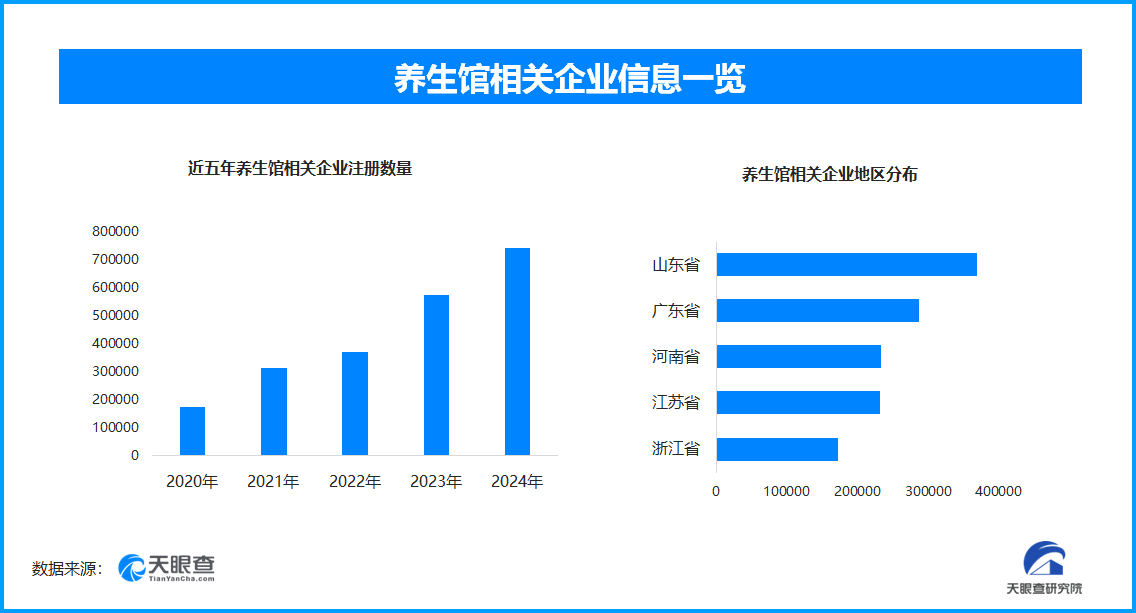
Core Insights - The aging population in China is shifting from basic survival needs to a pursuit of quality living, creating a significant opportunity for the silver economy [1][10] - The market size of the silver economy is projected to reach 15.8 trillion yuan in 2025, driven by a large elderly population and upgraded consumption demands [1][16] Market Trends - The health management and elderly care service market is expected to grow to 1.4 to 1.5 trillion yuan by 2025, with significant growth in traditional Chinese medicine and wellness services [2] - The number of health-related enterprises has increased, with over 331.1 million existing wellness centers and an expected 70.5 million new registrations by 2025 [3][7] Technological Innovations - The integration of smart devices with traditional wellness practices is enhancing service precision and expanding service scenarios, such as AI for Alzheimer's screening [5] - The market for aging-friendly smart technology is projected to reach 555.4 billion yuan by 2025, becoming one of the fastest-growing sectors in the silver economy [16] Evolving Care Models - Home-based elderly care is evolving from basic assistance to quality nursing, with a growing demand for safety and health monitoring [6] - Community care is becoming a focal point for policy support and market development, with an expected market size of 1.2 trillion yuan by 2025 [6] Cross-Industry Integration - The integration of healthcare, wellness, culture, and tourism is reshaping the silver economy, with a projected market size exceeding 15 trillion yuan by 2030 [10] - Demand segmentation is evident, with different age groups focusing on various aspects of wellness and care, leading to a differentiated market approach [11] Policy and Capital Support - Government policies are providing substantial support for the elderly care industry, including tax exemptions and the establishment of a billion-yuan development fund [16] - The shift from reactive aging responses to proactive economic value creation is positioning the silver economy as a key driver of stable economic growth [16]

重阳探“银潮”:2025养生养老产业的需求裂变与价值重构
Cai Jing Wang· 2025-10-29 03:18
Core Insights - The aging population in China is driving a shift in demand from basic survival needs to a pursuit of quality living, with the silver economy expected to reach a market size of 15.8 trillion yuan in 2025 [1][2] - The integration of traditional customs with modern health management is creating a diverse market, with the health management service market projected to reach 1.4-1.5 trillion yuan by 2025 [2] - The number of health and wellness-related enterprises has been steadily increasing, with over 3.31 million existing businesses in this sector as of now [3] Market Trends - The demand for health services is becoming more specialized, with a notable rise in traditional Chinese medicine and personalized health management services [2] - High-net-worth individuals are reshaping the wellness market, with approximately 15 million people aged 50 and above having a net worth exceeding 3 million yuan, spending 5% of their total expenditure on healthcare [2] - The community care market is expected to reach 1.2 trillion yuan by 2025, driven by the increasing demand for quality care services [4] Industry Growth - The number of registered elderly care enterprises has surpassed 372,000, with a significant increase in registrations over the past five years [5] - The integration of technology in wellness services is enhancing service precision and expanding service scenarios, such as AI-driven health monitoring for the elderly [3][4] Policy and Economic Support - Government policies are providing substantial support for the elderly care industry, including tax exemptions and the establishment of a billion-yuan development fund [8] - The market for aging-friendly smart technology products is projected to reach 555.4 billion yuan by 2025, indicating rapid growth in this sector [8] Consumer Behavior - Different age groups exhibit varying consumption patterns, with younger seniors (50-65 years) focusing on cultural and travel experiences, while older seniors (75+) require professional care services [7] - The regional distribution of silver economy enterprises shows a concentration in provinces like Shandong, Guangdong, and Jiangsu, indicating regional market dynamics [7]